



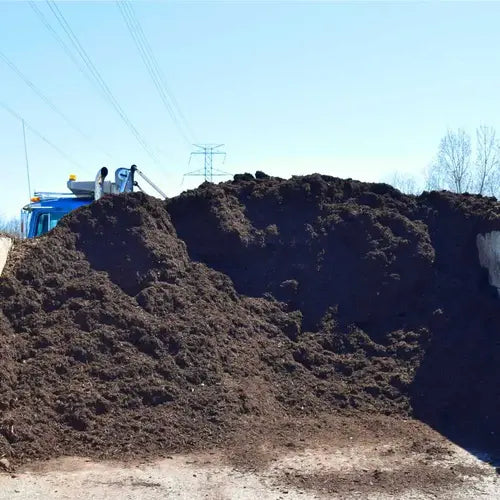
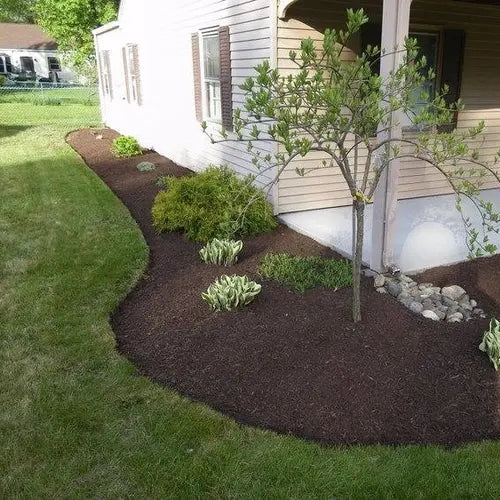

Our delivery was delayed but the new brown color mulch is a nice upgrade to our landscaping.
About this mulch
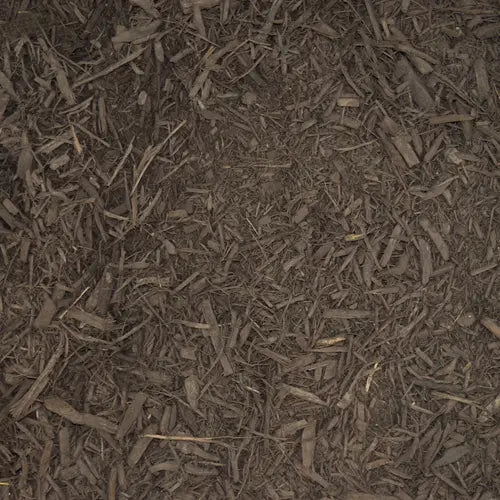
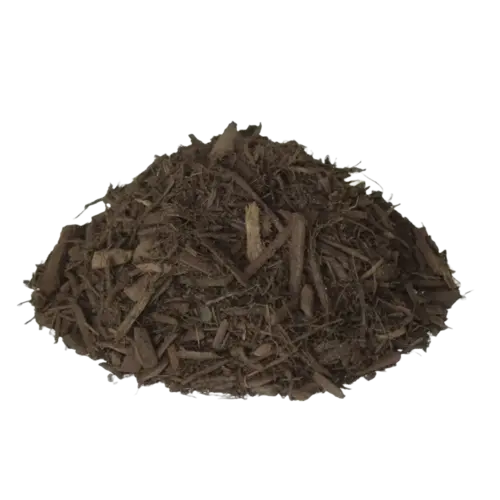
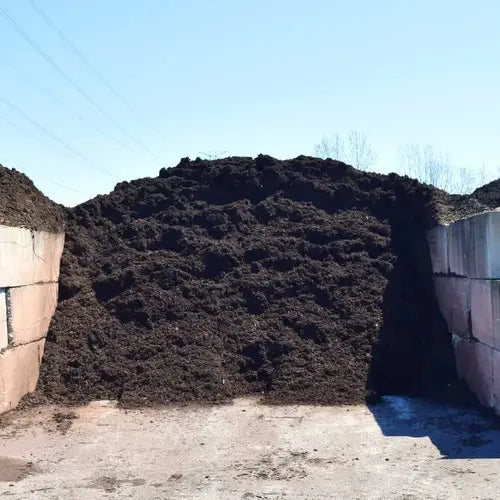
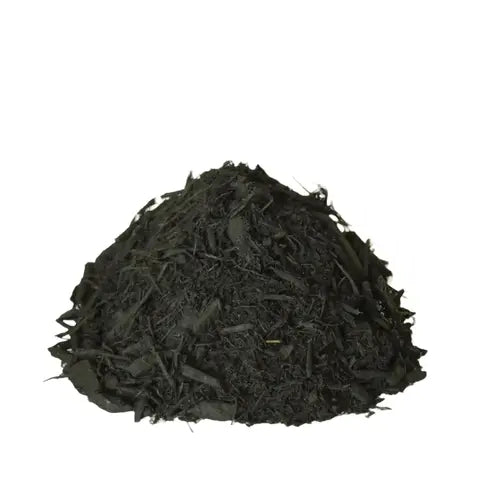
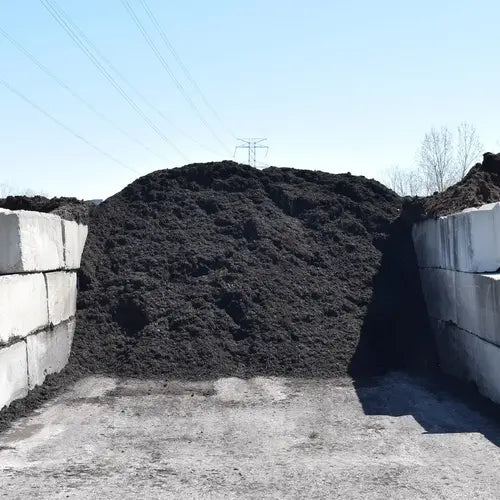
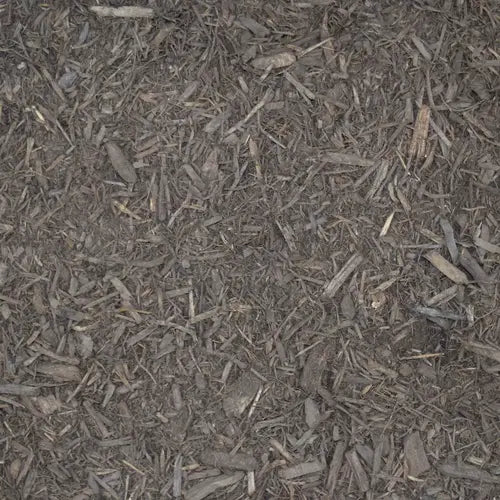
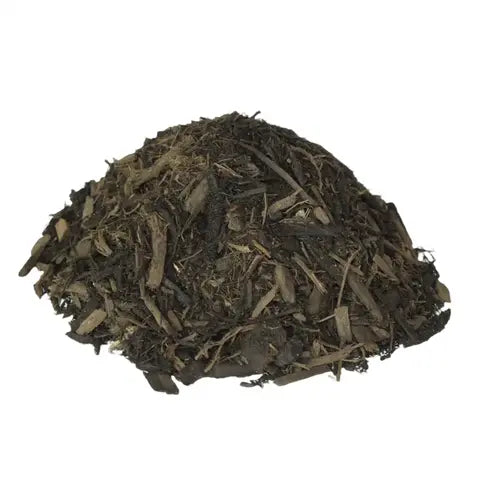
Warm brown double shredded mulch with lasting color that looks freshly applied for weeks. Spreads smooth, stays put, and gives beds a natural, polished appearance.
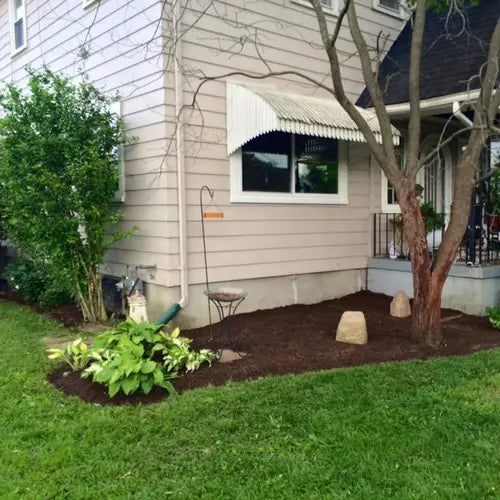
Our delivery was delayed but the new brown color mulch is a nice upgrade to our landscaping.
Tell us what you're looking for
Thanks! We received your request.
Something went wrong. Please try again.
How Much Material Do I Need?
How Much Material Do I Need?
For Lafayette's silt loam soil, apply mulch at 3 to 4 inches deep to maintain meaningful insulation and moisture retention through the region's hot, wet growing season. Thinner layers break down too quickly in Lafayette's subtropical humidity and leave beds under-protected between seasonal refreshes.
Use our free mulch calculator
What is a yard?
What is a yard?
FAQs
FAQs
Lafayette Mulch Delivery
Lafayette Mulch Delivery
Regular price
$64.00
per
yard
Regular price
Sale price
$64.00
Unit price
per
Shipping calculated at checkout.
Minimum of 3 yard
Couldn't load pickup availability
Not currently available
We can't take orders for this right now. Tell us what you need and we'll get back to you.
Hand-picked local yards
4,000+ regional deliveries
Dedicated support
Why order through Mulch Mound
The best local mulch, without the guesswork.
We hand-pick and partner with the best yards in your region, keep only the ones our buyers rate well, and back each load with our guarantee.
Mulch Mound Guarantee
If your mulch isn't the quantity or quality you ordered, we'll make it right.
About this mulch
Warm brown double shredded mulch with lasting color that looks freshly applied for weeks. Spreads smooth, stays put, and gives beds a natural, polished appearance.
Our delivery was delayed but the new brown color mulch is a nice upgrade to our landscaping.
How Much Material Do I Need?
How Much Material Do I Need?
For Lafayette's silt loam soil, apply mulch at 3 to 4 inches deep to maintain meaningful insulation and moisture retention through the region's hot, wet growing season. Thinner layers break down too quickly in Lafayette's subtropical humidity and leave beds under-protected between seasonal refreshes.
Use our free mulch calculator
What is a yard?
What is a yard?
FAQs
FAQs
Tell us what you're looking for
Thanks! We received your request.
Something went wrong. Please try again.

How It Works
Getting started is easy — just follow these simple steps
1
Choose your Mulch
Make sure you adjust the quantity to your home's needs. You can use our calculator to estimate how much you'll need.
2
Select your delivery date
Select a delivery date you'd like for the product to be dropped off at your home
3
Sit back and wait
Sit back, wait, and let us work our magic to make sure the highest quality product is delivered to your driveway.

Mulch Mound made it so easy! So happy with the pricing, turn around time, delivery and product. I submitted my online order on a Thursday. The mu...
Read full review
Mulch Mound made it so easy! So happy with the pricing, turn around time, delivery and product. I submitted my online order on a Thursday. The mulch was delivered to the designated location by a local landscape company at 8:30 a.m. the following Saturday morning. We had the job completed by that afternoon. We chose the natural brown mulch, and the plant beds are beautiful.

Good quality, great price, fast delivery. All online - no submitting forms and waiting for days for quotes.
Getting mulch should be this easy fr...
Read full review
Good quality, great price, fast delivery. All online - no submitting forms and waiting for days for quotes.
Getting mulch should be this easy from everyone. Only Mulch Mound is ACTUALLY this simple.
Calculate mulch for your Lafayette project
For Lafayette's Silt Loam type of soil, we recommend 2-3 inches for best weed suppression and moisture retention
Try Our CalculatorMeasure the length and width of each bed in feet and multiply to get square footage, then plan for a 3 inch application depth to account for Lafayette's rapid decomposition rate and the tendency of silt loam soil to compress organic material over time. One cubic yard of mulch covers roughly 100 square feet at 3 inches deep, so divide your total square footage by 100 to estimate yards needed. Adding 10 to 15 percent to your estimate is a good practice for Lafayette beds with irregular shapes or sloped areas where coverage thins out.

Best Mulch Choice for Lafayette Lawns
Most yards in the Lafayette area sit on Silt Loam type of soil. Lafayette's silt loam soil compacts readily under the weight of heavy rainfall and foot traffic, forming a dense surface layer that restricts aeration and makes it harder for water to penetrate to plant roots in ornamental beds.
Hardwood Mulch
Hardwood mulch is particularly well matched to Lafayette's silt loam soil because as it decomposes it contributes organic matter that loosens the soil's fine particle structure, improves drainage between rain events, and gradually raises the organic content that years of heavy rainfall leaching and development activity have reduced in many south Louisiana yards.
Mulch Types We Deliver in Lafayette
Mulch Mound delivers bulk mulch by the cubic yard straight to homes and properties across Lafayette, Louisiana. Whether you are refreshing garden beds before the summer heat sets in or laying down a fresh layer after heavy spring rains, ordering bulk mulch delivery near me has never been more convenient. Every load arrives ready to spread, so you spend more time on your landscape and less time hauling.
Dyed Black Mulch
Bold and richly colored, double shredded black mulch transforms flower beds and borders with instant contrast. The deep black tone holds up well in Louisiana's humid climate and bright sun, making it a popular choice for homeowners who want a sharp, polished look that lasts through the growing season.
Dyed Brown Mulch
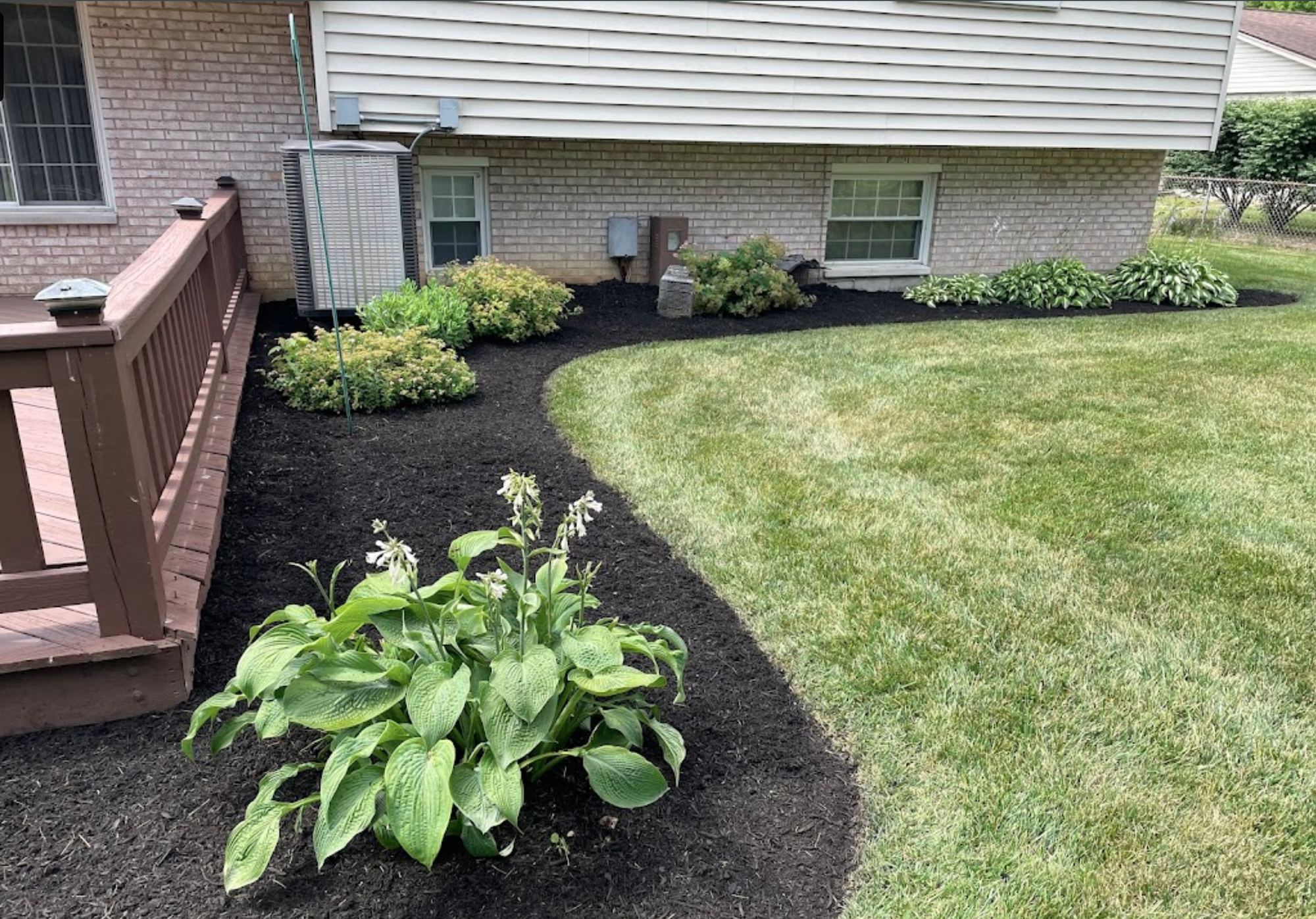
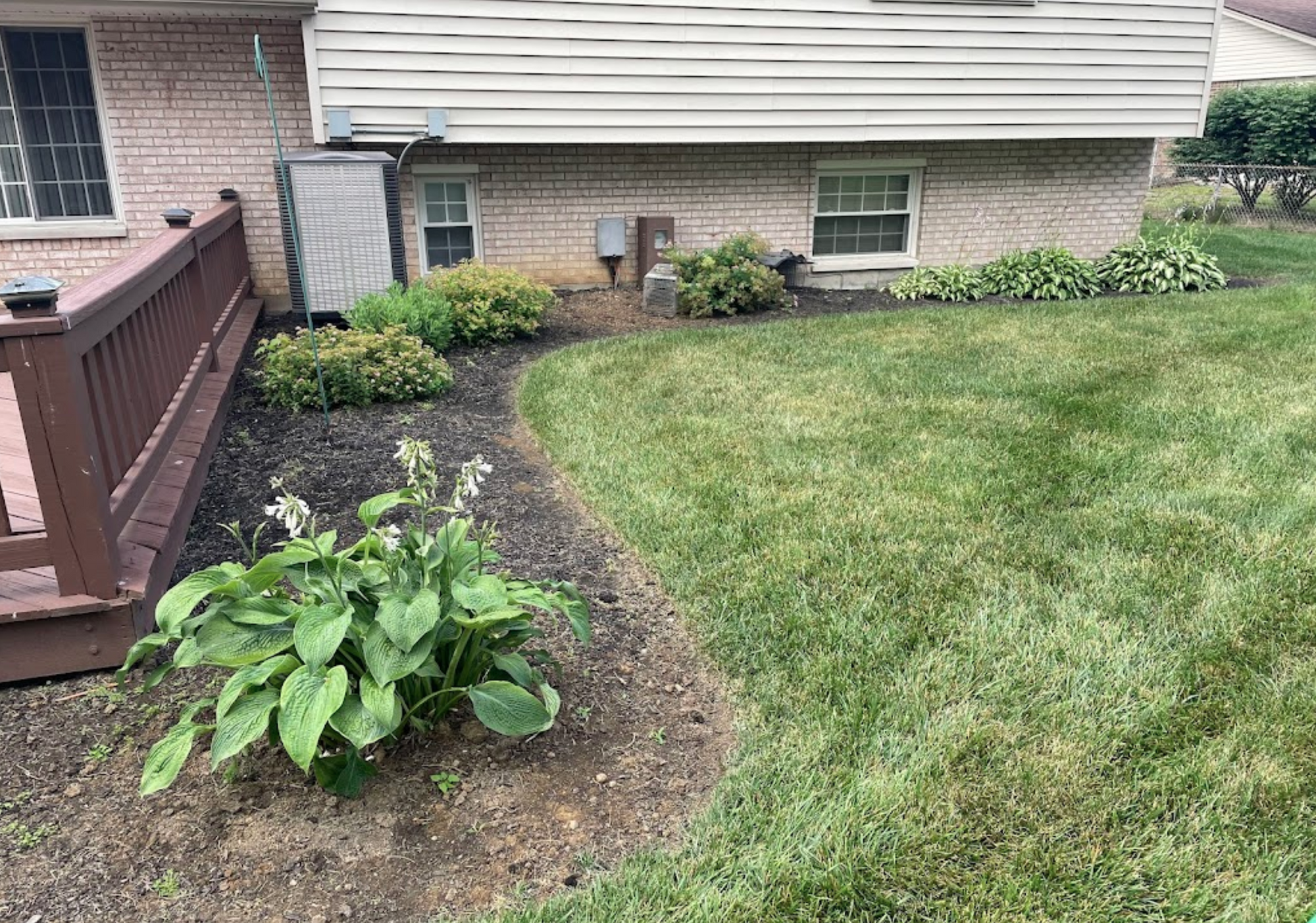
Warm brown double shredded mulch delivers lasting color that looks freshly applied even after Louisiana's summer downpours. It suits the traditional cottage gardens and wide planting beds common in south Louisiana, spreading smoothly and settling firmly to give landscapes a clean, polished appearance.
Natural Brown Mulch
Undyed double shredded mulch with a warm, earthy tone that comes straight from the wood itself. It blends naturally with the mature trees and dense shade plantings common in south Louisiana yards, making it a practical choice for homeowners who prefer a more natural, understated finish for their beds.
Complete Your Outdoor Mulch Project
Pair your mulch order with a load of enriched garden soil to revitalize bed foundations before mulching, and consider river rock or crushed granite borders to hold mulch in place during the heavy downpours that Lafayette receives through the spring and summer months.


Service area
Areas we deliver mulch in Lafayette, Louisiana
Mulch Mound Pro Tip
Lafayette's silt loam is highly receptive to weed germination because it holds moisture near the surface and provides a fine, workable seedbed for opportunistic weeds year-round. Applying mulch at a consistent 3 to 4 inch depth and keeping it pulled back slightly from plant stems cuts off the light that weed seedlings need before they can establish. Pulling any breakthrough weeds immediately after a Lafayette rain event, when silt loam softens and roots release easily, and then smoothing the mulch layer back into place keeps beds clean with minimal effort through the long growing season.
Mulch Mound Pro Tip
From late May through September, Lafayette's soil surface temperatures can reach levels that damage the shallow feeder roots of azaleas, camellias, and gardenias, which are staple plants in zone 9a landscapes throughout the region. Applying hardwood mulch in April, before the worst heat arrives, creates a thermal buffer that keeps the root zone several degrees cooler than bare soil would be on the same day. Check mulch depth at summer's end and top off any thin spots before heading into the following spring planting window.
Mulch Mound Pro Tip
With 62 inches of rain falling on Lafayette each year, organic mulch breaks down faster here than in almost any other region of the country, which actually benefits silt loam soil over time because the decomposing material adds organic matter and gradually improves soil structure and drainage capacity. Plan to refresh your mulch every 12 to 18 months rather than every two to three years to maintain adequate depth and visual appeal. Scheduling a delivery each spring, just before Lafayette's rainy season intensifies in late April and May, keeps beds protected and ensures you are always working with a full, healthy layer.
The Unique Landscape of Lafayette
Lafayette's subtropical climate brings nearly 62 inches of rain each year, which means plant beds are constantly cycling through wet and dry extremes that stress roots and erode bare soil surfaces. The silt loam soil native to this area holds moisture well but compacts easily under heavy rainfall, forming a dense crust that restricts air and water movement to plant roots in ornamental and garden beds. Without a protective mulch layer, Lafayette's summer sun drives soil surface temperatures well above 100 degrees, stressing the roots of even heat-tolerant zone 9a plants like crape myrtles, gardenias, and azaleas. Lafayette's growing season runs from around mid-February through early December, meaning plant beds spend nearly ten active months each year losing moisture to evaporation and competing with weeds for nutrients. A well-applied mulch layer addresses all of these challenges at once, moderating temperature, slowing evaporation, and suppressing the aggressive weed germination that Lafayette's warm, wet conditions encourage year-round. Refreshing mulch regularly is one of the most cost-effective maintenance habits a Lafayette homeowner can develop.