




Ordered Dirt. Received Dirt. Would Buy Again.
About this soil
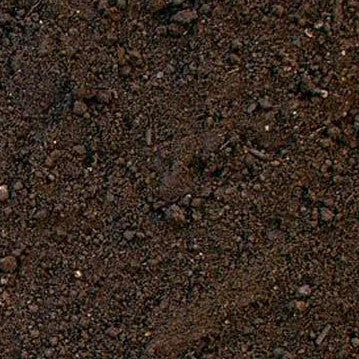
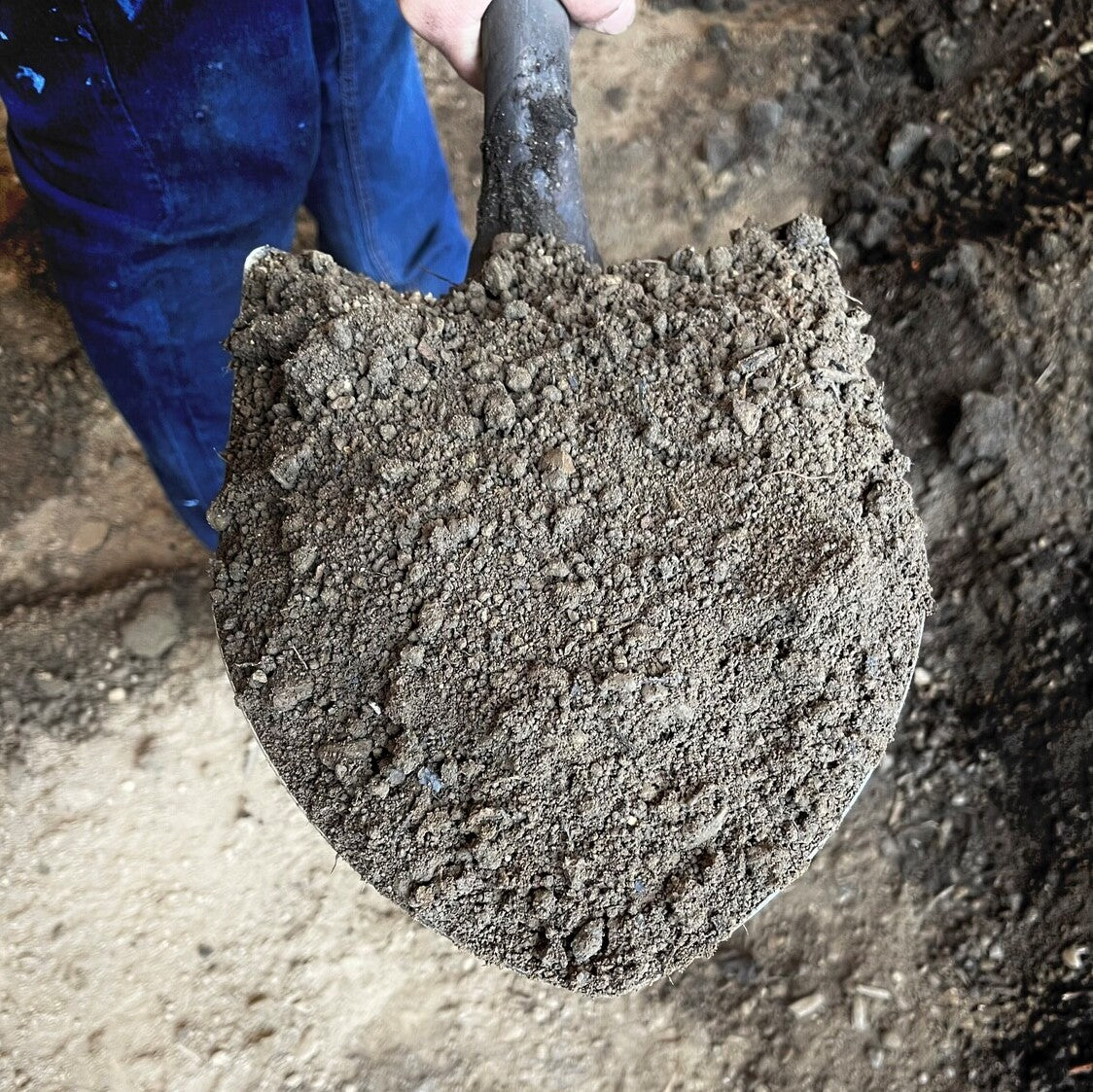
Quality topsoil for lawns, gardens, and landscape projects. Nutrient rich and ready to support strong root development and healthy plant establishment.
Ordered Dirt. Received Dirt. Would Buy Again.
Tell us what you're looking for
Thanks! We received your request.
Something went wrong. Please try again.
How Much Material Do I Need?
How Much Material Do I Need?
For raised garden beds in Lafayette, a minimum of 12 inches of quality soil gives plant roots enough depth to stay above the saturation zone that can develop at the silt loam layer below during prolonged wet periods. For top dressing turf or leveling minor low spots, a 1 to 2 inch layer spread evenly and raked smooth is typically sufficient to correct the settling that Lafayette's wet climate causes in lawns over time.
Use our free soil calculator
What is a yard?
What is a yard?
FAQs
FAQs
Lafayette Soil Delivery
Lafayette Soil Delivery
Regular price
$64.00
per
yard
Regular price
Sale price
$64.00
Unit price
per
Shipping calculated at checkout.
Minimum of 3 yard
Couldn't load pickup availability
Not currently available
We can't take orders for this right now. Tell us what you need and we'll get back to you.
Hand-picked local yards
4,000+ regional deliveries
Dedicated support
Why order through Mulch Mound
The best local soil, without the guesswork.
We hand-pick and partner with the best yards in your region, keep only the ones our buyers rate well, and back each load with our guarantee.
Mulch Mound Guarantee
If your soil isn't the quantity or quality you ordered, we'll make it right.
About this soil
Quality topsoil for lawns, gardens, and landscape projects. Nutrient rich and ready to support strong root development and healthy plant establishment.
Ordered Dirt. Received Dirt. Would Buy Again.
How Much Material Do I Need?
How Much Material Do I Need?
For raised garden beds in Lafayette, a minimum of 12 inches of quality soil gives plant roots enough depth to stay above the saturation zone that can develop at the silt loam layer below during prolonged wet periods. For top dressing turf or leveling minor low spots, a 1 to 2 inch layer spread evenly and raked smooth is typically sufficient to correct the settling that Lafayette's wet climate causes in lawns over time.
Use our free soil calculator
What is a yard?
What is a yard?
FAQs
FAQs
Tell us what you're looking for
Thanks! We received your request.
Something went wrong. Please try again.
How It Works
Getting started is easy — just follow these simple steps
1
Choose your soil
Make sure you adjust the quantity to your home's needs. You can use our calculator to estimate how much you'll need.
2
Select your delivery date
Select a delivery date you'd like for the product to be dropped off at your home
3
Sit back and wait
Sit back, wait, and let us work our magic to make sure the highest quality product is delivered to your driveway.


Placing an order online was so easy. Delivery was on time. When the driver realized we had a newly poured driveway they erred on the side of cautio...
Read full review
Placing an order online was so easy. Delivery was on time. When the driver realized we had a newly poured driveway they erred on the side of caution and opted not ti drive in it. The company even sent me a message explaining that call. Would recommend!
Need Help Calculating How Much Soil You Need?
Use our NEW Trace from Satellite tool to get an estimate for your project based on an aerial view of your property
Try Our CalculatorMeasure the length, width, and desired fill depth of your project area in feet and multiply all three numbers together, then divide by 27 to convert cubic feet to cubic yards. For lawn leveling projects in Lafayette, even a modest 1 to 2 inch layer of soil across a larger low area adds up quickly, often amounting to several yards more than homeowners initially estimate. Always round your order up slightly because silt loam base soil in Lafayette tends to compress imported fill over time as rain events compact the layers together.
Soil Types We Deliver in Lafayette
Lafayette's heavy clay soils and humid subtropical climate make quality soil amendments essential for healthy lawns and thriving garden beds. Whether you are filling raised beds, grading a yard, or establishing new plantings, we deliver bulk topsoil by the yard in Lafayette so you get exactly the volume you need. Orders arrive loose by the cubic yard, ready to spread the same day.
Screened Top Soil
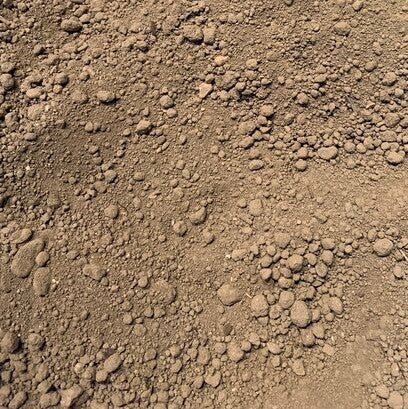
A nutrient-rich, screened topsoil that supports strong root development and healthy plant establishment across a wide range of projects. Ideal for Lafayette homeowners looking to improve thin or compacted ground, it blends well with the region's native clay and works equally well under sod, in garden rows, or along landscape borders.
Complete Your Outdoor Soil Project
Top your fresh soil with a layer of hardwood mulch to retain moisture and prevent the surface from crusting between Lafayette's frequent rain events, and consider stone or gravel borders around bed edges to keep soil from washing onto walkways and driveways during heavy downpours.


Service area
Areas we deliver soil in Lafayette, Louisiana
Mulch Mound Pro Tip
Lafayette's near-constant moisture and warm temperatures make raised beds one of the most productive approaches to vegetable and herb gardening in the region, but only when the soil inside those beds drains freely. Build raised beds at least 12 inches tall over loosened native silt loam and fill them with a garden soil blend that includes visible organic material. Adding a 2 to 3 inch layer of coarse horticultural sand mixed into the bottom third of the bed creates a transition zone that encourages water to move down and out rather than sitting against root systems during Lafayette's extended wet spells.
Mulch Mound Pro Tip
The best time to address grading issues and fill low spots in a Lafayette lawn is late February through early March, just after the last frost window closes around February 15 and before warm-season grasses like St. Augustine and centipede begin their aggressive spring push. Filling and leveling at that point gives the soil time to settle before summer growth covers it, and it prevents the compaction that occurs when you work wet silt loam during peak rain months. Avoid grading work in July and August when Lafayette soils are most waterlogged and freshly placed fill is most likely to shift.
Mulch Mound Pro Tip
Lafayette's native silt loam loses organic matter over time through leaching from heavy rainfall, compaction from foot traffic, and the biological activity that Lafayette's warm climate sustains nearly year-round. When importing bulk garden soil for new beds, look for product with visible dark coloring and a loose, crumbly texture that indicates meaningful organic content. Blending that imported soil with aged compost at a 3 to 1 ratio before filling beds creates a planting medium that holds moisture during dry spells without becoming waterlogged during the heavy rain events that Lafayette receives regularly through spring and summer.
The Unique Landscape of Lafayette
Lafayette's native silt loam soil is workable and reasonably fertile in undisturbed areas, but most residential properties in the city deal with soil that has been graded, compacted during construction, or repeatedly saturated by the region's 62 inches of annual rainfall until its structure has broken down. Silt loam's fine particle size makes it prone to compaction, especially in low-lying areas of Lafayette where water pools and sits after heavy rain, leaving yards with dense, poorly aerated soil that struggles to support healthy turf or productive garden beds. At just 40 feet of elevation, many Lafayette properties have limited natural drainage and benefit significantly from grade corrections that direct water away from foundations and planting areas. Importing quality bulk soil allows homeowners to build raised beds above the saturation zone, level turf areas that have settled unevenly, and create planting environments with better drainage and higher organic content than native soil can provide without significant amendment. Lafayette's growing season runs from around February 15 through December 3, meaning soil quality influences plant performance for nearly ten months of every year. Addressing soil problems before planting is the single most impactful investment a Lafayette gardener or landscaper can make.