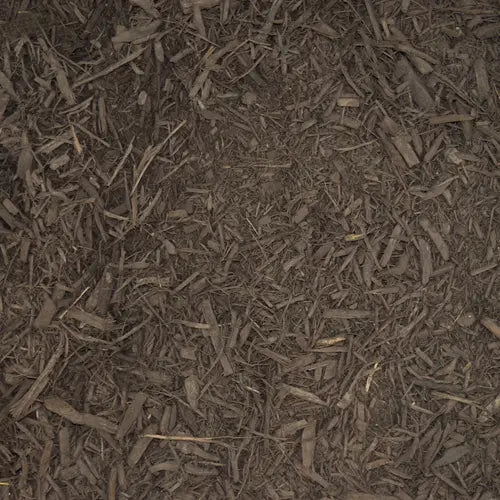
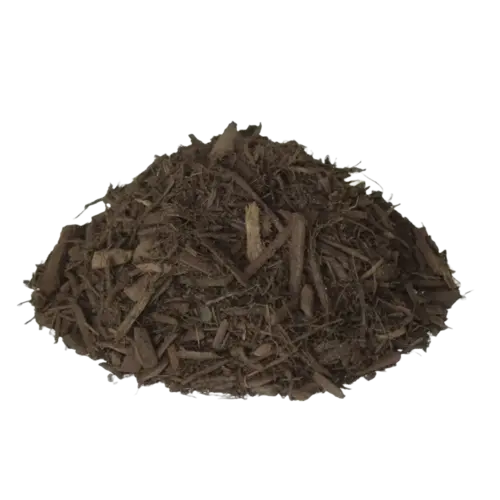
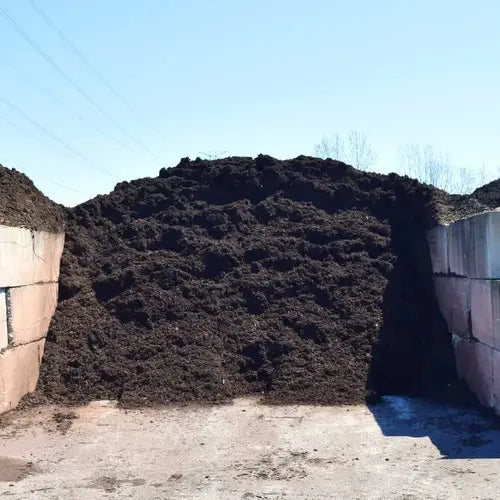
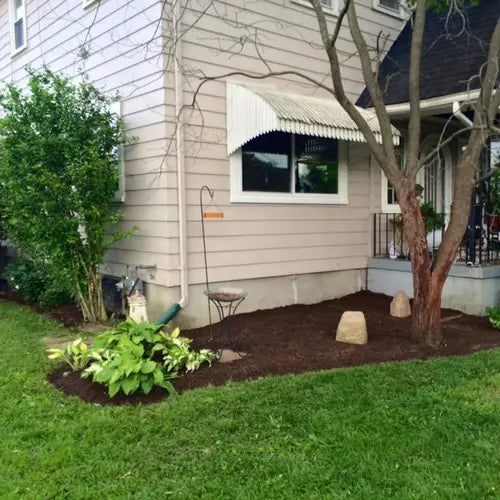
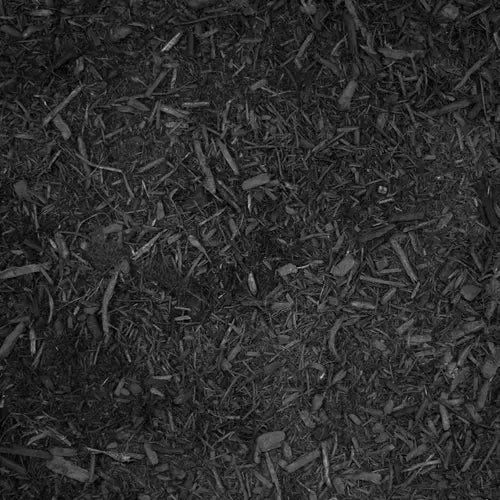
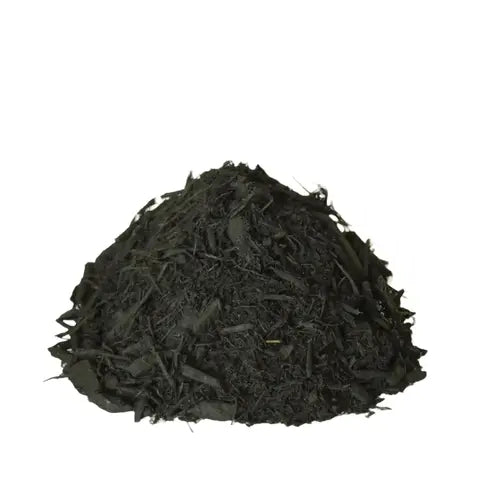
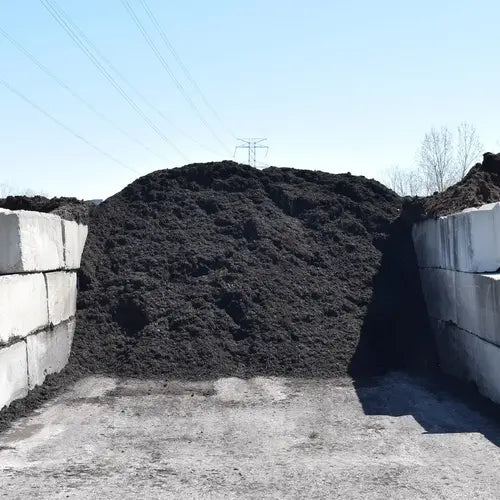
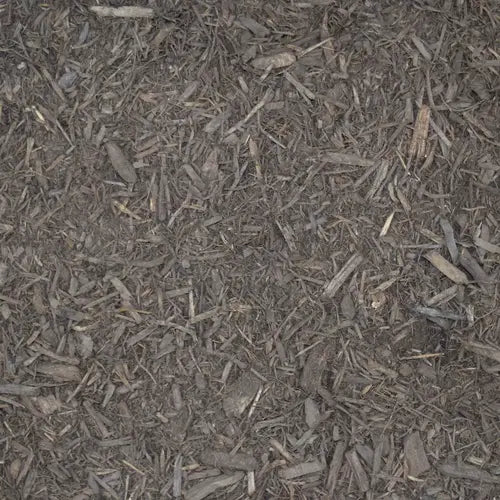
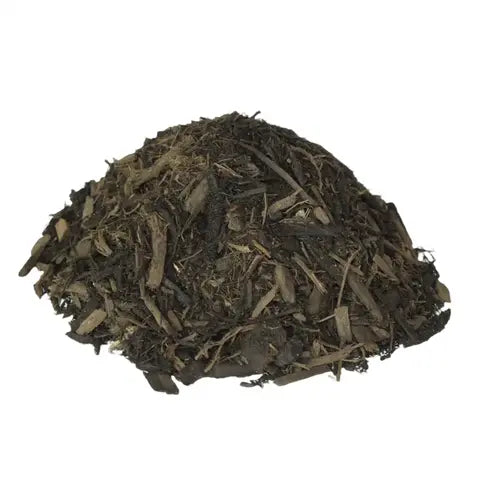
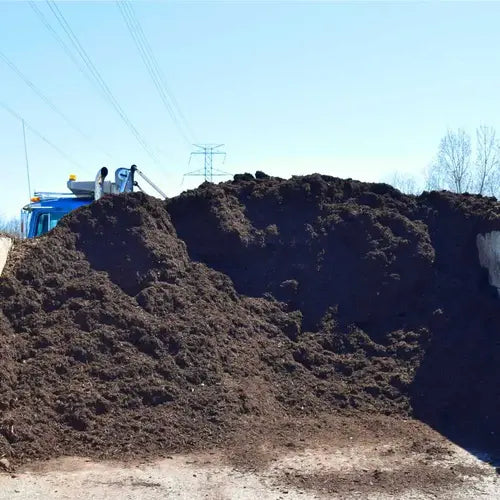
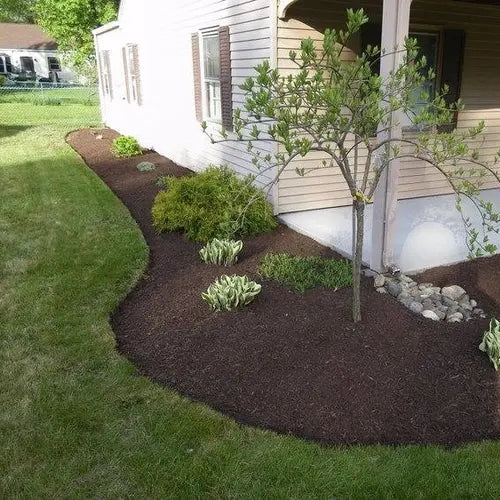
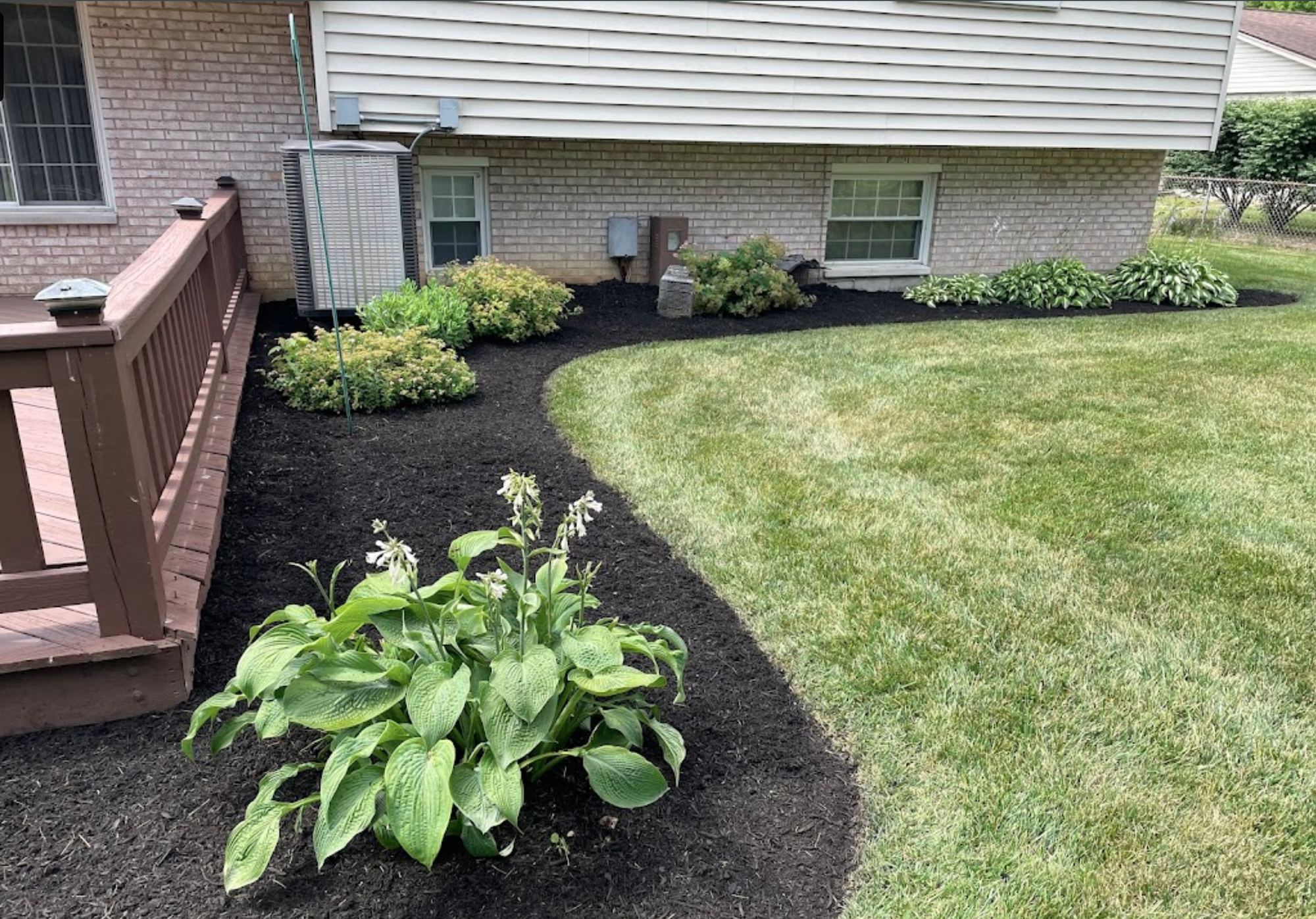
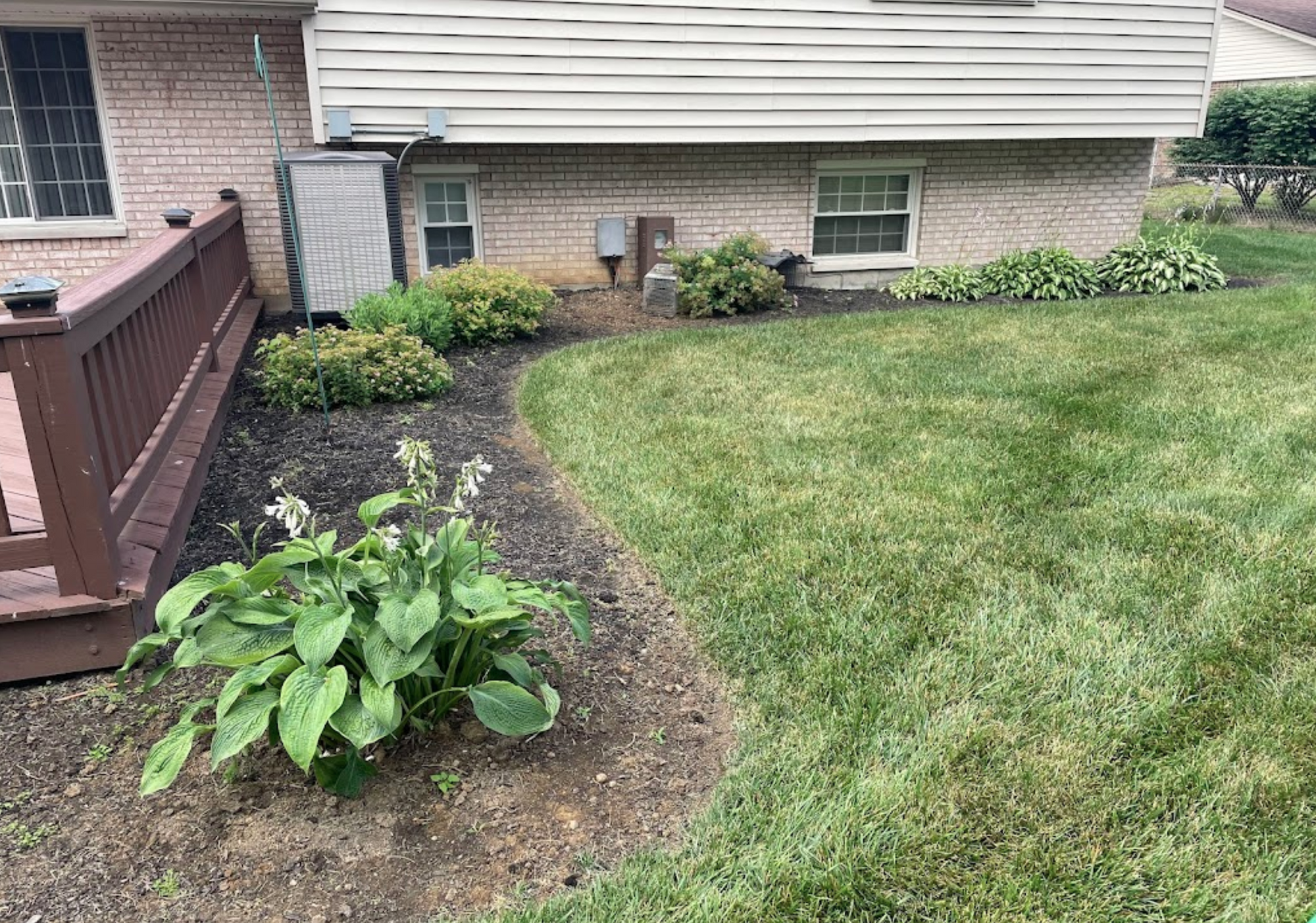
Warm brown double shredded mulch with lasting color that looks freshly applied for weeks. Spreads smooth, stays put, and gives beds a natural, polished appearance.
Great experience! Easy to order, they delivered promptly and were very respectful of the property! Ordered the triple shredded brown mulch and it was EXACTLY what I wanted. Very clean product too, no garbage or filler. Already put these guys in my calendar to order from next y...
Tell us what you're looking for
Thanks! We received your request.
Something went wrong. Please try again.
How Much Material Do I Need?
For Lake Hopatcong's gravelly sandy loam, a 3-inch depth is the baseline for most ornamental beds, with 4 inches recommended on slopes or in exposed areas where summer sun accelerates drying. One cubic yard of mulch covers approximately 100 square feet at that 3-inch depth.
Use our free mulch calculator
What is a yard?
A yard is approximately 27 cubic feet. As a general guideline, one yard of material can cover an area of about 100-160 square feet at a 2-3 inch depth.
We can't take orders for this right now. Tell us what you need and we'll get back to you.
What do you need?
Thanks! We received your request.
Something went wrong. Please try again.
Hand-picked local yards
4,000+ regional deliveries
Dedicated support
Why order through Mulch Mound
The best local mulch, without the guesswork.
We hand-pick and partner with the best yards in your region, keep only the ones our buyers rate well, and back each load with our guarantee.
Mulch Mound Guarantee
If your mulch isn't the quantity or quality you ordered, we'll make it right.
About this mulch
Warm brown double shredded mulch with lasting color that looks freshly applied for weeks. Spreads smooth, stays put, and gives beds a natural, polished appearance.
Great experience! Easy to order, they delivered promptly and were very respectful of the property! Ordered the triple shredded brown mulch and it was EXACTLY what I wanted. Very clean product too, no garbage or filler. Already put these guys in my calendar to order from next y...
How Much Material Do I Need?
For Lake Hopatcong's gravelly sandy loam, a 3-inch depth is the baseline for most ornamental beds, with 4 inches recommended on slopes or in exposed areas where summer sun accelerates drying. One cubic yard of mulch covers approximately 100 square feet at that 3-inch depth.
Use our free mulch calculator
What is a yard?
A yard is approximately 27 cubic feet. As a general guideline, one yard of material can cover an area of about 100-160 square feet at a 2-3 inch depth.
Great experience! Easy to order, they delivered promptly and were very respectful of the property! Ordered the triple shredded brown mulch and it w...
Read full review
Great experience! Easy to order, they delivered promptly and were very respectful of the property! Ordered the triple shredded brown mulch and it was EXACTLY what I wanted. Very clean product too, no garbage or filler. Already put these guys in my calendar to order from next year! Keep up the good work.
When estimating mulch for Lake Hopatcong beds, measure the length and width of each bed in feet and multiply to get square footage, then plan for 3 inches of depth given how quickly the local gravelly sandy loam releases moisture. Odd-shaped beds around natural rock outcroppings are common here, so break those areas into rough rectangles and add the totals together for a reliable estimate. Ordering a small overage is always smarter than running short when your bulk delivery is already on the schedule.
Mulch vs. No Mulch: The Difference
Lake Hopatcong's mix of wet springs, dry summer stretches, and hard freezes arriving by mid-October creates conditions where mulch breakdown rate matters as much as appearance. Natural hardwood mulches decompose gradually and feed organic matter back into the gravelly sandy loam over the course of a season, which is genuinely valuable in a soil type that holds very little organic content on its own. Dyed or colored mulches are processed in ways that slow decomposition, so they hold their look longer but contribute less to soil health over time, a tradeoff worth considering when your native soil needs all the organic amendment it can get.
Before
After
Best Mulch Choice for Lake Hopatcong Lawns
Most yards in the Lake Hopatcong area sit on Gravelly Sandy Loam type of soil. Gravelly sandy loam, the dominant soil type around Lake Hopatcong, has very low organic matter content and large pore spaces that let water pass through before plant roots can fully absorb it. Plant beds established directly in this native soil benefit enormously from a mulch layer that slows surface evaporation and gradually contributes decomposed organic material back into the ground below.
Hardwood Mulch
Shredded hardwood mulch is especially well-suited to Lake Hopatcong's gravelly sandy loam because it breaks down into fine organic particles that physically work their way into the coarse soil profile over time. As the mulch decomposes across one or two growing seasons, it adds humus to a soil type that naturally lacks it, gradually improving both moisture retention and the microbial activity that makes nutrients available to plant roots in this challenging native ground.
Mulch Types We Deliver in Lake Hopatcong
Whether you are refreshing garden beds around a lakefront property or maintaining a wooded backyard, bulk mulch delivery in Lake Hopatcong makes the job straightforward. We deliver by the cubic yard so you get exactly what you need, spread where you need it.
Dyed Black Mulch
A bold choice for New Jersey lake region landscapes, dyed black mulch creates sharp contrast against green plantings and stonework. Available in double shredded or triple shredded, the finer triple shredded cut locks together well on the sloped beds common to hillside lots near the water. Color holds through rain and full sun.
Dyed Brown Mulch
Warm brown dyed mulch blends naturally with the wooded surroundings and sandy soils typical of this part of New Jersey. It comes in double shredded or triple shredded, letting you choose between a relaxed texture and a finer, more polished finish. Color stays vibrant for weeks after each application.
Natural Brown Mulch
This undyed mulch brings an honest, earthy tone that suits wooded lots and native plantings throughout the lake region. Available in double shredded or triple shredded, it breaks down over time to improve the sandy soil common here, making it a practical pick for vegetable gardens and naturalized beds.
Dyed Red Mulch
Dyed red mulch adds a warm seasonal accent to front yard beds and entry plantings common in lake community properties. The triple shredded cut offers a fine texture that interlocks and resists washout during New Jersey's wet spring months, and double shredded is also available for a slightly coarser look.
Complete Your Outdoor Mulch Project
Many Lake Hopatcong homeowners pair a mulch delivery with a bulk topsoil order to amend thin and gravelly planting areas before laying mulch on top as a finishing layer. Adding a stone border or pathway material alongside your mulch order is a practical way to define beds and reduce edge erosion on properties with the gentle slopes common around the lake.
Lake Hopatcong's gravelly sandy loam warms up faster in spring than heavier clay soils do, which sounds like a benefit but can also mean shallow roots dry out quickly during warm spells before May 1. Pull your winter mulch back from perennial crowns in early April to let soil warm, then reapply around the crowns once new growth is a few inches tall. This approach prevents crown rot while still protecting the root zone through the unpredictable late-spring weather at this elevation.
Mulch Mound Pro Tip
If your property has mature oaks or maples, which are extremely common around Lake Hopatcong, consider using the natural leaf litter as a base layer under your bulk mulch rather than hauling it away. A thin layer of shredded leaves beneath 2 inches of hardwood mulch improves organic matter content in the gravelly soil below and breaks down over the growing season to feed shallow feeder roots in a way that imported mulch alone cannot match.
Mulch Mound Pro Tip
With 51 inches of annual rainfall spread across the year, Lake Hopatcong beds stay reasonably moist in spring and fall but can face dry stretches in July and August when rain becomes less consistent and surface evaporation is at its peak. Applying mulch in late May, once the soil has warmed past the May 1 last frost date, locks in that spring moisture and meaningfully reduces irrigation needs through the driest summer weeks. A properly mulched bed in this climate can cut summer watering frequency nearly in half compared to bare, unprotected gravelly soil.
Frequently Asked Questions
Click a question to see the answer
Answer
How thick should I apply mulch in my Lake Hopatcong garden beds?
Because Lake Hopatcong's gravelly sandy loam drains so freely, a 3-inch layer of mulch is recommended for most planting beds. That depth slows evaporation enough to compensate for how quickly moisture moves through the coarse soil below, without sitting wet long enough to cause crown rot on established perennials.
Answer
Will mulch help my plants survive the early frosts we get up here at this elevation?
Yes, and timing matters a great deal at Lake Hopatcong's elevation. Applying a fresh layer of mulch in mid to late October, just after the first frost around October 15, helps insulate root zones against the deeper cold that follows. This is especially helpful for marginally hardy plants in zone 6b, where soil temperatures can swing dramatically once the calendar turns toward November.
Answer
Does the heavy rainfall in this area wash mulch out of my beds?
With 51 inches of annual rainfall, Lake Hopatcong homeowners do sometimes see light mulch displacement during heavy downpours, particularly on sloped beds. Choosing a heavier shredded hardwood mulch over lighter bark nuggets reduces movement considerably, and edging beds with a physical border helps hold material in place during the intense summer storms that roll through Morris County.
Answer
When is the best time of year to put down fresh mulch around Lake Hopatcong?
The most effective windows are mid-spring around May 1 once the soil has begun to warm after the last frost, and again in late fall before the ground freezes at this elevation. Applying in spring locks in early-season moisture before the sandy loam has a chance to dry out, and a fall application protects roots through the winter months that arrive earlier here than in lower parts of New Jersey.
Answer
I have a lot of surface tree roots because of the shallow gravelly soil on my property. Is mulch safe to use around them?
Mulch is actually one of the best things you can do for surface roots in Lake Hopatcong's gravelly, shallow-soil conditions. Keep the mulch pulled back a few inches from the actual trunk or root flare and spread it outward in a wide ring instead. This protects exposed roots from foot traffic and mower damage while holding moisture that the coarse native soil cannot retain on its own.
Answer
How often do I need to reapply mulch given our weather and elevation up here?
At 925 feet elevation, Lake Hopatcong experiences more freeze-thaw cycling than lower-elevation parts of New Jersey, which breaks down organic mulch faster than in sheltered valley locations. Plan on refreshing beds once a year, typically in spring after May 1. If you applied a full 3-inch layer the previous season, you may only need to top off by an inch or two rather than doing a complete reapplication.
Answer
Is colored or dyed mulch a good choice for Lake Hopatcong yards, or does it fade quickly with all our rain?
Dyed mulch can look sharp when first applied, but Lake Hopatcong's 51 inches of annual rainfall combined with direct sun at higher elevation tends to fade color faster than in more sheltered, lower-elevation areas of the state. Natural hardwood mulch weathers to a consistent gray-brown that blends well with the wooded, lakeside character of most properties here and does not require recoloring between seasons.
The Unique Landscape of Lake Hopatcong
Lake Hopatcong sits at 925 feet elevation in Morris County, where gravelly sandy loam soil drains quickly and struggles to hold moisture between rain events. Even with 51 inches of annual rainfall, the coarse and porous texture of the local soil means plant beds can dry out surprisingly fast during summer stretches between storms. A consistent layer of mulch slows that surface evaporation, keeping roots cooler and reducing how often you need to water established plantings. The growing season here runs from the last frost around May 1 through the first frost near October 15, giving you roughly five and a half months of active growth to protect and support. At this elevation, soil temperatures also drop and fluctuate more sharply in spring and fall than in lower-lying parts of New Jersey, making an insulating mulch layer especially valuable for perennials trying to establish. Keeping beds mulched year-round gives Lake Hopatcong gardens a real advantage against both the drainage challenges below ground and the temperature swings above it.