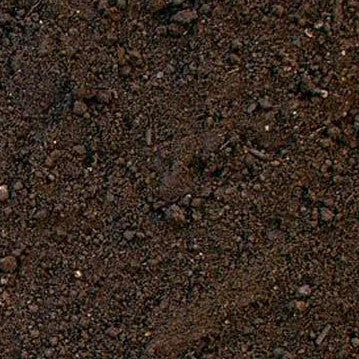
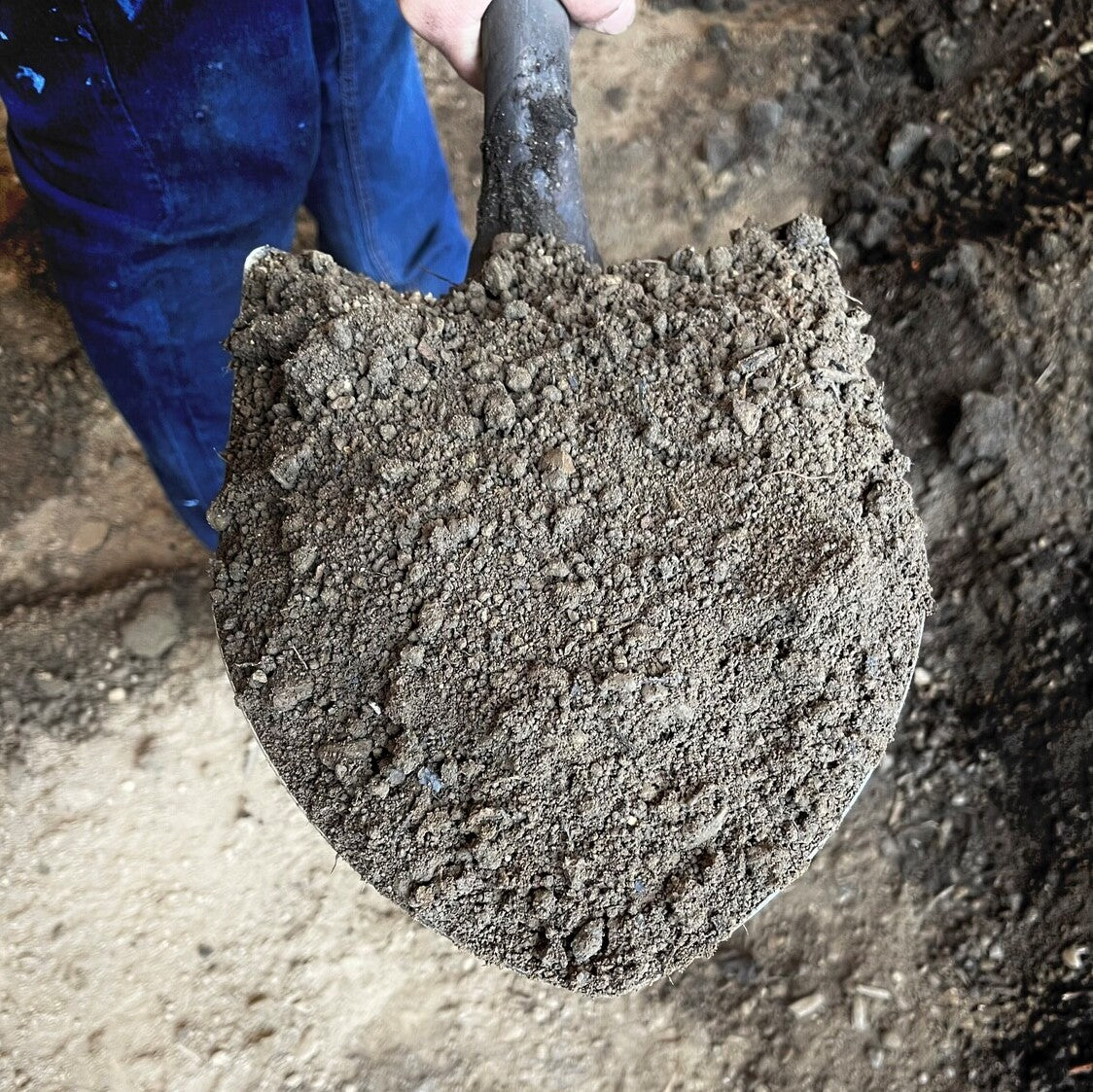
Quality topsoil for lawns, gardens, and landscape projects. Nutrient rich and ready to support strong root development and healthy plant establishment.
Ordered the planting mix with an early Saturday delivery. Super easy ordering experience. Dirt was delivered on time and delivery driver was kind enough to let us know I would take up more room than we though so we could pull cars out of the garage. Will be ordering again
Tell us what you're looking for
Thanks! We received your request.
Something went wrong. Please try again.
How Much Material Do I Need?
For standard lawn topdressing over Lake Hopatcong's gravelly native soil, 2 to 3 inches of screened topsoil is typically sufficient to create a workable seedbed. For planting beds or raised beds starting from scratch, plan on at least 12 inches of quality soil to give roots a genuine growing medium above the rocky and nutrient-poor ground below.
Use our free soil calculator
What is a yard?
A yard is approximately 27 cubic feet. As a general guideline, one yard of material can cover an area of about 100-160 square feet at a 2-3 inch depth.
We can't take orders for this right now. Tell us what you need and we'll get back to you.
What do you need?
Thanks! We received your request.
Something went wrong. Please try again.
Hand-picked local yards
4,000+ regional deliveries
Dedicated support
Why order through Mulch Mound
The best local soil, without the guesswork.
We hand-pick and partner with the best yards in your region, keep only the ones our buyers rate well, and back each load with our guarantee.
Mulch Mound Guarantee
If your soil isn't the quantity or quality you ordered, we'll make it right.
About this soil
Quality topsoil for lawns, gardens, and landscape projects. Nutrient rich and ready to support strong root development and healthy plant establishment.
Ordered the planting mix with an early Saturday delivery. Super easy ordering experience. Dirt was delivered on time and delivery driver was kind enough to let us know I would take up more room than we though so we could pull cars out of the garage. Will be ordering again
How Much Material Do I Need?
For standard lawn topdressing over Lake Hopatcong's gravelly native soil, 2 to 3 inches of screened topsoil is typically sufficient to create a workable seedbed. For planting beds or raised beds starting from scratch, plan on at least 12 inches of quality soil to give roots a genuine growing medium above the rocky and nutrient-poor ground below.
Use our free soil calculator
What is a yard?
A yard is approximately 27 cubic feet. As a general guideline, one yard of material can cover an area of about 100-160 square feet at a 2-3 inch depth.
Ordered the planting mix with an early Saturday delivery. Super easy ordering experience. Dirt was delivered on time and delivery driver was kind e...
Read full review
Ordered the planting mix with an early Saturday delivery. Super easy ordering experience. Dirt was delivered on time and delivery driver was kind enough to let us know I would take up more room than we though so we could pull cars out of the garage. Will be ordering again
To estimate soil volume for a raised bed or grading project in Lake Hopatcong, multiply the length by the width by the intended depth in feet, then divide by 27 to convert cubic feet to cubic yards. For lawn leveling over rocky or gravelly low spots, a 3-inch average fill depth is a practical starting point. Rocky subsurface conditions common around the lake can make actual depth uneven across a single area, so walk your site carefully and measure in multiple spots before placing your order.
Soil Types We Deliver in Lake Hopatcong
Whether you are refreshing a lakeside lawn or grading after a wet New Jersey spring, having the right soil on site makes every project easier. Mulch Mound delivers bulk topsoil by the yard in Lake Hopatcong, with screened, compost, and fill options priced by the cubic yard to match any residential or landscape need.
Top Soil
Available in screened and unscreened grades, our top soil suits new lawns, raised beds, and general landscaping. This region of New Jersey often has thin or compacted native ground, so a quality layer helps establish strong root systems and gives new plantings the nutrient-rich base they need.
Fill Dirt
Unscreened topsoil built for grading, rough leveling, and filling low spots around foundations or sloped yards. It delivers a cost-effective base where fine texture is not required, making it the practical first step before any finished soil or lawn application.
Garden Compost
A screened compost rich in organic matter, ideal for reviving tired garden beds or building up new plantings. Clay-heavy soils common across this part of New Jersey compact and drain slowly, and working in compost each season opens up the structure and feeds plants naturally.
Soil Conditioner
An aged leaf compost that acts as a natural soil amendment, boosting organic matter and improving moisture retention in dense ground. It blends well into garden and planting beds ahead of perennials or shrubs, and is a gentle way to condition heavy soils without adding bulk fill.
Complete Your Outdoor Soil Project
Pairing a bulk soil delivery with a mulch order is one of the most effective combinations for Lake Hopatcong gardens, since the mulch immediately begins protecting new soil from rain erosion and moisture loss after placement. Adding a stone border or edging material around new beds keeps imported soil from spreading into lawn areas and helps define the planting zones you have worked hard to build.
Can I use bulk topsoil to fix the thin and gravelly spots in my lawn where grass refuses to grow?
Yes, and this is one of the most common soil applications in Lake Hopatcong where shallow, gravelly ground makes lawn establishment patchy and uneven. Spread a 2 to 4 inch layer of screened topsoil over bare or thin areas, rake it smooth, and overseed immediately. Timing this project in late August or September gives grass seed the best chance to establish before the first frost arrives around October 15.
Answer
My vegetable garden soil is basically sand and gravel. How much bulk soil do I need to make it workable?
For a dedicated vegetable bed in Lake Hopatcong's rocky native soil, filling raised beds or deeply amended in-ground areas to a depth of at least 12 inches gives roots enough volume to thrive through the short May-to-October growing season. A blended garden soil or topsoil-compost mix is ideal here because it adds the organic matter that the native gravelly sandy loam is almost completely lacking.
Answer
Does the 51 inches of rain we get here wash away or compact topsoil over time?
Lake Hopatcong receives enough annual rainfall that exposed topsoil on slopes or unplanted areas can erode or compact noticeably over time, especially during heavy spring and summer storms. Covering new soil with mulch or seeding it quickly after delivery reduces erosion significantly. On steeper grades, pairing topsoil with erosion-control fabric or fast-establishing ground cover plants keeps the material in place through the wet season.
Answer
Should I amend the bulk soil I buy with anything given our local woodland soil conditions?
Given that Lake Hopatcong's native soils tend to be slightly acidic from surrounding woodland vegetation and decomposing oak leaves, having a soil pH test done before adding amendments is a smart first step. Many homeowners find that incorporating ground limestone into imported topsoil or garden beds helps bring pH into the 6.0 to 6.8 range that most vegetables and ornamentals prefer. Our bulk soil provides a neutral and workable starting point that is easy to adjust once you know your site's specific pH reading.
Answer
What is the difference between topsoil and garden soil, and which one do I need for Lake Hopatcong conditions?
Topsoil is a screened, general-purpose material suited for grading, filling low spots, and lawn work where you need volume and a workable texture. Garden soil or blended soil contains added compost or organic matter, making it better suited for planting beds and vegetable gardens where fertility matters more than just filling space. Given how nutrient-poor Lake Hopatcong's native gravelly sandy loam is, garden beds typically benefit more from a blended soil while lawn leveling and grading projects are well-served by standard screened topsoil.
Answer
When is the best time to have soil delivered in Lake Hopatcong for a spring planting project?
Targeting delivery in late April or early May, just before the last frost date of May 1, positions you to plant almost immediately once the soil is in place and spread. The ground thaws relatively late at 925 feet elevation compared to lower parts of New Jersey, so waiting until soil temperature is consistently above 50 degrees before planting into new beds will give seeds and transplants the fastest and most reliable start.
Answer
I want to build raised garden beds this season. How deep should I fill them with bulk soil?
For raised beds in Lake Hopatcong, filling to a minimum depth of 12 inches is recommended, and 18 inches is even better for root vegetables like carrots and parsnips. Because the growing season is only about five and a half months long here, getting plants off to a fast start in warm, loose, and nutrient-rich soil makes a real difference in how much you can harvest before the October 15 frost shuts the season down.
Mulch Mound Pro Tip
Lake Hopatcong's elevation means soil temperatures in spring lag behind what zone 6b homeowners might expect compared to flatland New Jersey. Even after May 1 passes, the soil at 925 feet can remain cold enough to slow germination for another week or two. When you receive a bulk soil delivery for a new bed, covering it with clear plastic sheeting for 7 to 10 days before planting traps solar heat and pre-warms the soil, giving seeds and transplants a much faster and more confident start into the short growing season.
Mulch Mound Pro Tip
When grading or filling low spots in a Lake Hopatcong lawn, resist the temptation to pile soil too high over existing grass in a single pass. Adding no more than half an inch to one inch at a time over lawn areas allows existing grass to grow through without being smothered. For larger fill areas that need several inches of material, remove sod first, fill and lightly compact the soil, then reseed or relay sod on top for the cleanest and most durable result.
Mulch Mound Pro Tip
Because Lake Hopatcong's native gravelly sandy loam drains so aggressively, bulk topsoil placed directly on top of it without any preparation can create a layered effect where water pools at the interface between the two soil types instead of moving through evenly. Before spreading new soil over native ground, use a tiller or garden fork to rough up the top 2 to 3 inches of the existing surface. This disrupts the boundary between layers and encourages water to move through both soil types more uniformly throughout the growing season.
The Unique Landscape of Lake Hopatcong
Lake Hopatcong's native gravelly sandy loam is a challenging starting point for anyone trying to establish a lawn, garden bed, or planted slope on their property. The coarse texture drains so freely that nutrients leach out quickly, and the gravel fraction limits how deeply many ornamental plants can anchor their roots without a better growing medium above or around them. Bringing in quality bulk topsoil or garden soil lets homeowners create a workable environment over that native material rather than fighting its limitations all season long. At 925 feet elevation, the growing season runs from around May 1 to October 15, which means plants need soil that supports fast establishment and strong early growth. The zone 6b classification here also means winter cold is a genuine factor, and well-structured soil with good drainage prevents the freeze-thaw heaving that can displace shallow-rooted plants over the long winter months. Whether you are leveling a low spot in the lawn, filling raised beds, or amending a new border planting, imported bulk soil gives Lake Hopatcong gardeners the foundation their native ground often cannot provide on its own.