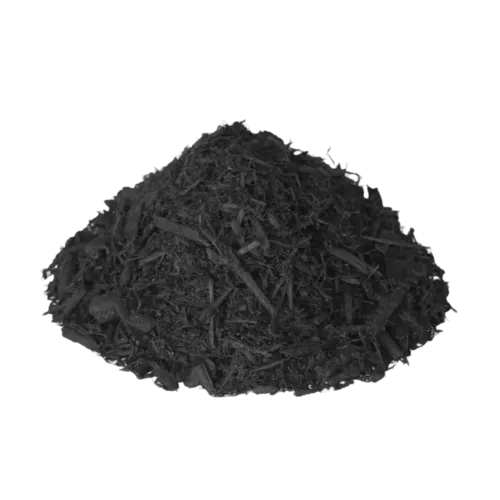
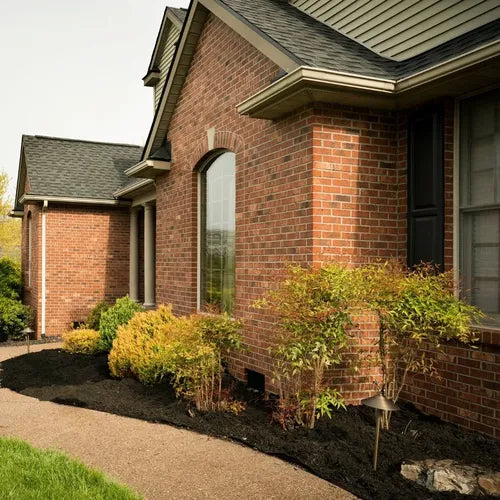
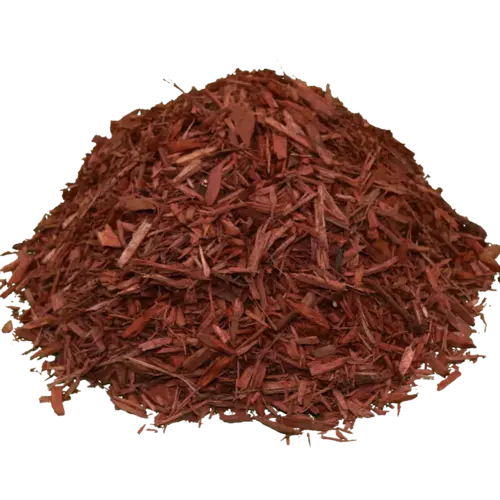
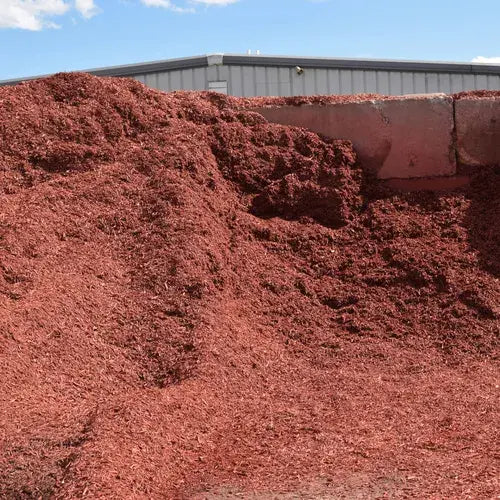
Warm brown double shredded mulch with lasting color that looks freshly applied for weeks. Spreads smooth, stays put, and gives beds a natural, polished appearance.
Delivery was on time and great quality Mulch. Got it done in a reasonable time and yard looks great. Couldn’t be happier!!! Thank you and will use again!!
Tell us what you're looking for
Thanks! We received your request.
Something went wrong. Please try again.
How Much Material Do I Need?
For Lakeland's sandy soil, plan for a minimum of 3 inches of mulch depth in planting beds, and consider going up to 4 inches in areas with full sun exposure where evaporation is most intense during the summer months.
Use our free mulch calculator
What is a yard?
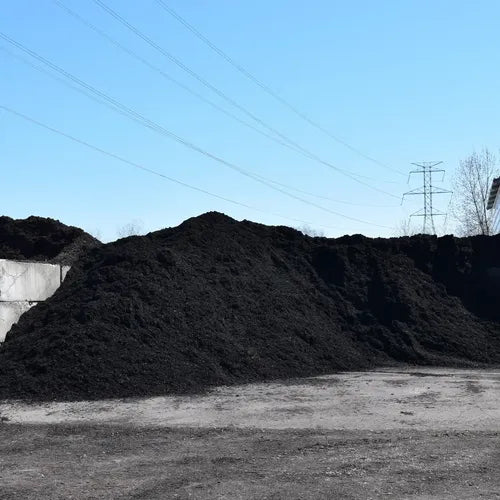
A yard is approximately 27 cubic feet. As a general guideline, one yard of material can cover an area of about 100-160 square feet at a 2-3 inch depth.
We can't take orders for this right now. Tell us what you need and we'll get back to you.
What do you need?
Thanks! We received your request.
Something went wrong. Please try again.
Hand-picked local yards
4,000+ regional deliveries
Dedicated support
Why order through Mulch Mound
The best local mulch, without the guesswork.
We hand-pick and partner with the best yards in your region, keep only the ones our buyers rate well, and back each load with our guarantee.
Mulch Mound Guarantee
If your mulch isn't the quantity or quality you ordered, we'll make it right.
About this mulch
Warm brown double shredded mulch with lasting color that looks freshly applied for weeks. Spreads smooth, stays put, and gives beds a natural, polished appearance.
Delivery was on time and great quality Mulch. Got it done in a reasonable time and yard looks great. Couldn’t be happier!!! Thank you and will use again!!
How Much Material Do I Need?
For Lakeland's sandy soil, plan for a minimum of 3 inches of mulch depth in planting beds, and consider going up to 4 inches in areas with full sun exposure where evaporation is most intense during the summer months.
Use our free mulch calculator
What is a yard?
A yard is approximately 27 cubic feet. As a general guideline, one yard of material can cover an area of about 100-160 square feet at a 2-3 inch depth.
Delivery was on time and great quality Mulch. Got it done in a reasonable time and yard looks great. Couldn’t be happier!!! Thank you and will us...
Read full review
Delivery was on time and great quality Mulch. Got it done in a reasonable time and yard looks great. Couldn’t be happier!!! Thank you and will use again!!
Mulch Mound delivered a yard of pea gravel to us. Delivery was on time, driver was friendly and hit a bullseye on the “tarp target”. We used the ...
Read full review
Mulch Mound delivered a yard of pea gravel to us. Delivery was on time, driver was friendly and hit a bullseye on the “tarp target”. We used the pea gravel (which was diameter as specified) to fill several muskrat holes around our pond. I would definitely recommend Mulch Mound to a friend!
I can’t say enough good things about Mulch Mound! If you read my review below you will see I had a problem with my order. Mulch Mou...
Read full review
UPDATE!
I can’t say enough good things about Mulch Mound! If you read my review below you will see I had a problem with my order. Mulch Mound was quick to respond and solved the issue with my delivery. Will definitely be a customer next year.
First time purchase from Mulch Mound!! First what I liked! Easy to order online and straight forward pricing and delivery. The driver was on time and courteous and delivered my Mulch exactly where I requested! The product is of good quality and comparable to others I have purchased from before. Now what I DID’NT LIKE! I have been mulching the same house and yard for almost 20 years. I always order the same amount and don’t have any issues with covering the same area but this year I fell about a yard short. I was home when the mulch was delivered and when the driver dumped it I noticed that it seemed a bit less than I was used to. I didn’t apply it any thicker than usual and probably a bit thinner than usual because I was worried about running out.
Measure the length and width of each bed in feet, multiply to get square footage, then divide by 100 to estimate the cubic yards needed for a 3-inch depth, which is the recommended minimum for Lakeland's fast-draining sandy soil. Because sandy soil loses moisture so quickly in Lakeland's heat, erring on the side of a slightly deeper application can meaningfully reduce how often you need to run irrigation during the dry season.
Mulch vs. No Mulch: The Difference
Lakeland's intense summer heat and high UV exposure cause dyed mulch to fade more quickly than it would in cooler northern climates, which means color-enhanced products may need refreshing within a single growing season to maintain their curb appeal. Natural hardwood mulch breaks down more predictably in Lakeland's warm, humid conditions and continuously adds organic material to the sandy soil beneath it, improving structure over multiple seasons. For beds where aesthetics matter but long-term soil health is also a priority, natural mulch tends to deliver the better combined value for Lakeland homeowners.
Before
After
Best Mulch Choice for Lakeland Lawns
Most yards in the Lakeland area sit on Sandy type of soil. Lakeland's sandy soil holds almost no organic matter on its own, which means plant beds can struggle to retain the nutrients and moisture that roots need during the dry stretches that fall between rain events.
Hardwood Mulch
Hardwood mulch breaks down gradually in Lakeland's warm climate and deposits humus into the sandy soil layer beneath, slowly improving water retention and nutrient-holding capacity in a way that no synthetic or dyed mulch product can replicate over time.
Mulch Types We Deliver in Lakeland
When you need bulk mulch delivery in Lakeland, Mulch Mound brings fresh loads by the cubic yard straight to your property. The warm climate and sandy soil here make quality mulch essential for holding moisture and keeping weeds down through the long growing season. Every variety ships in full cubic-yard increments so you get the right amount without any bag markup.
Dyed Black Mulch
Bold black double shredded mulch that makes landscape beds stand out right away. The rich color holds through intense sun and afternoon rains, making it a favorite for homeowners who want high contrast against Florida's lush green plantings. Spreads effortlessly and keeps its look for weeks.
Dyed Brown Mulch
Warm brown double shredded mulch that gives beds a natural, polished appearance right away. The lasting color suits the earthy tones common in Central Florida landscaping, and the smooth texture makes it easy to spread around palms, shrubs, and garden borders.
Dyed Red Mulch
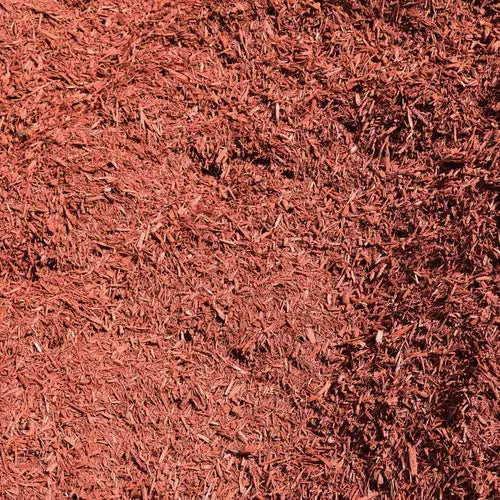
Double shredded mulch in a vibrant red color that holds throughout the season. The bold tone works especially well against light sandy soil and the bright Florida sun common across the region. A strong accent for front yard beds, palms, and foundation plantings where color and curb appeal matter.
Natural Brown Mulch
Undyed double shredded mulch with a warm, earthy tone straight from the wood itself. No added color means it blends naturally with Florida native plant beds and shaded areas where a softer look is preferred. A clean option for homeowners who want solid mulch performance without a pronounced color statement.
Complete Your Outdoor Mulch Project
Pairing mulch with a quality garden soil amendment helps counteract Lakeland's nutrient-poor sandy base, and adding stone edging or gravel borders keeps mulch neatly contained through the area's heavy summer rains.
Lakeland's sandy soil tends to become hydrophobic, meaning it actually repels water after drying out completely. Applying mulch before a dry spell, rather than after the soil has already baked dry, helps maintain just enough surface moisture to keep water absorption functioning normally. Check your beds at the start of the dry season each November to make sure your mulch layer is still thick enough to protect the soil through the months ahead.
Mulch Mound Pro Tip
Zone 9b means Lakeland rarely sees a true dormant period for weeds. Weed seeds can germinate in your beds almost any month of the year, which makes mulch one of your most cost-effective tools for weed control. A consistent 3 to 4 inch layer blocks sunlight from reaching the soil surface where weed seeds wait to sprout, dramatically cutting the time you spend pulling weeds from established beds throughout the year.
Mulch Mound Pro Tip
With 53 inches of rain falling on Lakeland each year, mulch does more than just retain moisture between storms. It also prevents heavy summer downpours from compacting and splashing your sandy topsoil, which can expose plant roots and degrade bed structure over time. Keeping a fresh, even mulch layer acts as a natural buffer that absorbs the energy of falling rain and keeps your soil surface intact through even the most active parts of the rainy season.
Frequently Asked Questions
Click a question to see the answer
Answer
How often should I replace mulch in Lakeland given our heat and humidity?
In zone 9b, organic mulch breaks down significantly faster than it would in cooler climates. The combination of Lakeland's summer heat, humidity, and frequent rainfall accelerates decomposition, so most homeowners find they need to top off or replace mulch every 12 to 18 months to maintain an effective layer. Checking depth in the spring before the rainy season begins is a good habit to build.
Answer
Will mulch actually help my plants survive Lakeland's dry winters?
Yes, absolutely. While Lakeland receives rain throughout the year, the dry season from November through April can bring stretches with very little precipitation. Mulch slows evaporation from the sandy soil that dominates most Lakeland yards, helping plants draw on stored moisture between rain events and reducing the need for supplemental irrigation during those drier months.
Answer
My yard has very sandy soil. Does that change how much mulch I should apply?
Sandy soil drains water so rapidly that moisture retention becomes a top priority for Lakeland beds. We recommend applying mulch at a depth of 3 to 4 inches rather than the standard 2 inches used in heavier soils. The extra depth creates a better insulating and moisture-holding layer over the fast-draining ground beneath and makes a real difference during dry stretches.
Answer
Is dyed mulch safe to use around my vegetable garden here in Lakeland?
Most colored mulches sold today use iron oxide or carbon-based dyes that are considered safe for garden use. However, for a vegetable garden in Lakeland where you are growing edibles in already nutrient-limited sandy soil, a natural hardwood or pine bark mulch is often the better choice. Natural mulch breaks down and contributes organic matter to the soil, which is especially valuable in Lakeland's low-organic-matter ground.
Answer
How soon after Lakeland's last frost should I apply fresh mulch to my beds?
Lakeland's average last frost falls around February 15, and that marks an ideal time to freshen up your mulch. Applying a new layer in late February or early March insulates the soil as temperatures begin climbing, suppresses early spring weeds before they establish, and sets your plant beds up for the growing season ahead of the summer rainy season arriving in June.
Answer
Does mulch attract termites or other pests that are common around Lakeland?
This is a very common concern in Lakeland, where termites are active year-round due to the warm climate. Keeping mulch pulled back 6 inches from your home's foundation dramatically reduces any risk of termites using it as a bridge to your structure. Cedar mulch has natural oils that repel some insects, making it a popular choice for Lakeland homeowners who are particularly concerned about pest activity near the house.
Answer
Will heavy summer rain wash my mulch out of my beds?
Lakeland averages 53 inches of rain per year, and a large portion of that falls in intense summer thunderstorms. Lightweight mulches like pine straw can shift in heavy downpours. Chipped hardwood or nugget-style mulch is heavier and tends to stay in place much better during those afternoon storms. For sloped beds, a coarser texture mulch works best to resist the runoff that Lakeland summer rains can generate.
The Unique Landscape of Lakeland
Lakeland's sandy soil drains so quickly that plant beds can dry out within a day or two of rainfall, even with the region's generous 53 inches of rain per year. A thick layer of mulch acts as a buffer between that fast-draining ground and your plant roots, slowing evaporation during the long, hot summers that zone 9b delivers. Without mulch, soil temperatures in Lakeland's sun-baked beds can spike high enough to stress root systems and encourage weed germination from the abundant seed bank in local soils. Decomposing organic mulch also adds the organic matter that Lakeland's naturally nutrient-poor sandy soil desperately needs over time. Keeping beds mulched year-round is one of the most practical habits a Lakeland homeowner can adopt to reduce irrigation costs and maintain healthy plants through both the wet season and the dry months that follow.