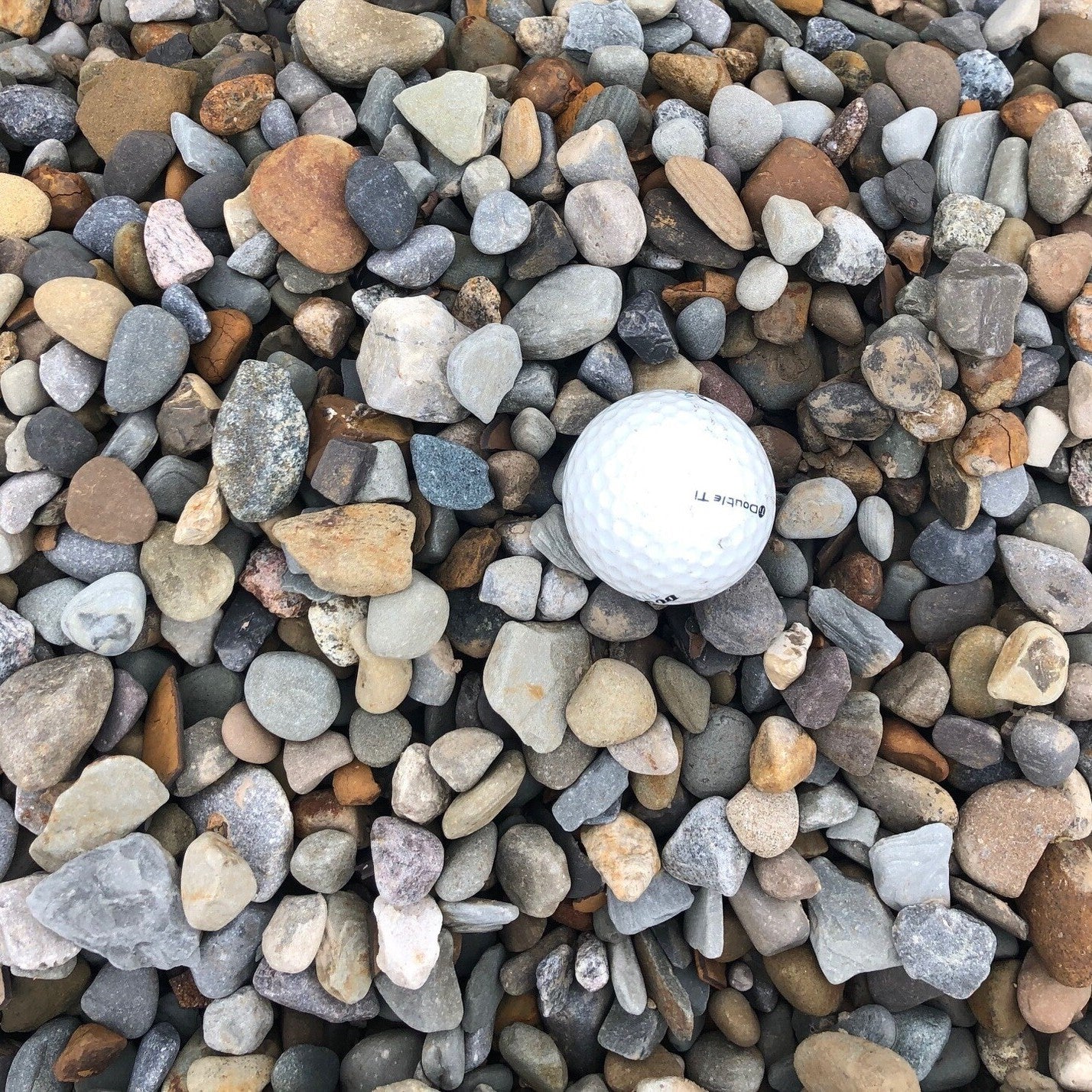
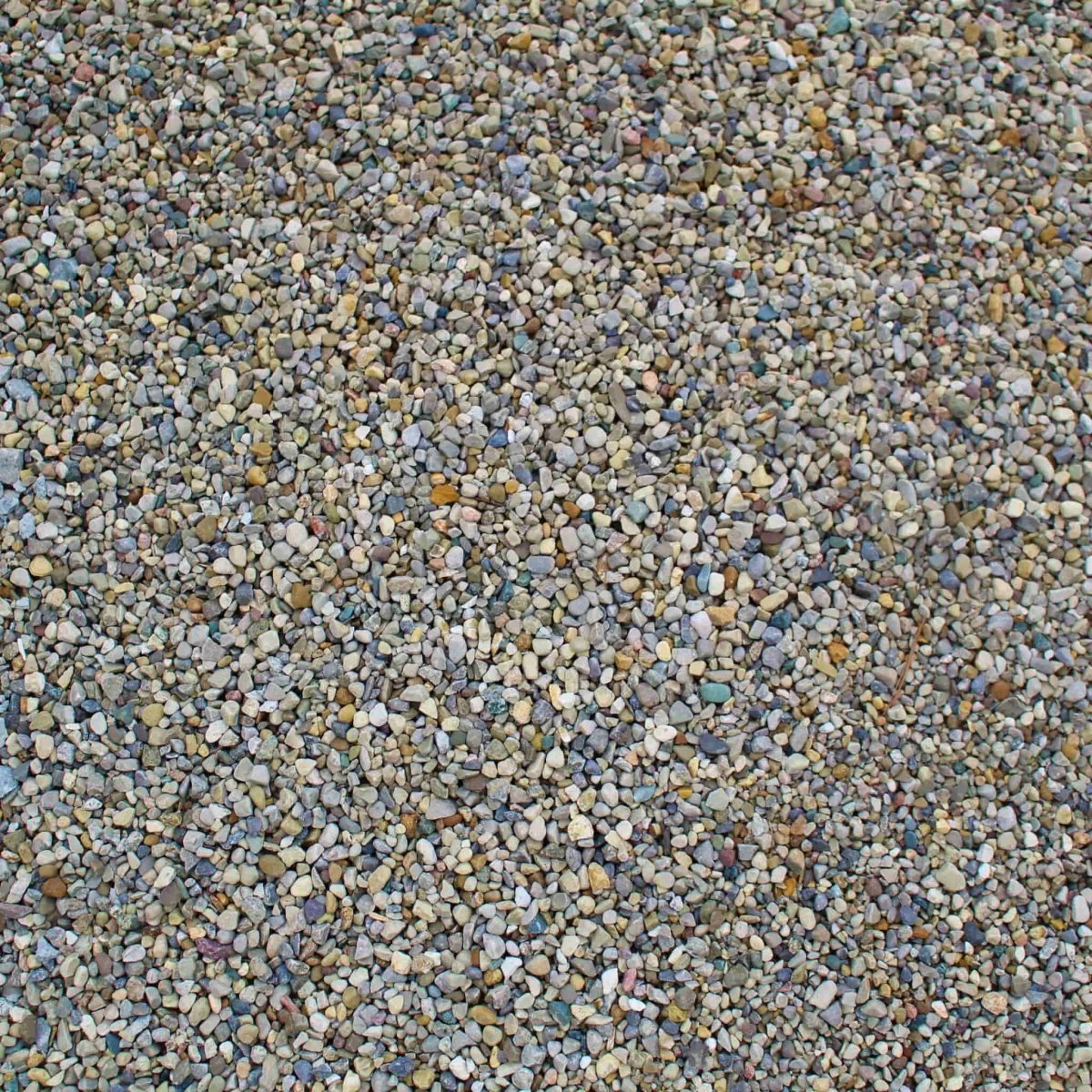
Number 57 crushed stone, angular limestone graded to about three quarters of an inch. The standard driveway, base and drainage gravel, it locks together under traffic and drains fast.
My experience with Mulch Mound was great and super easy. I ordered two yards of screened topsoil and was able to get it delivered within 2 days. They came in my requested time frame (afternoon) and dropped it off where I asked on my driveway. The topsoil was exactly what was a...
Tell us what you're looking for
Thanks! We received your request.
Something went wrong. Please try again.
How Much Material Do I Need?
For decorative ground cover in Lakeland beds, a 2 to 3 inch depth of stone is standard, while drainage swales and erosion control areas should be filled to 4 to 6 inches to handle the volume of water that Lakeland summer storms reliably deliver.
Use our free gravel calculator
What is a yard?
A yard is approximately 27 cubic feet. As a general guideline, one yard of material can cover an area of about 100-160 square feet at a 2-3 inch depth.
We can't take orders for this right now. Tell us what you need and we'll get back to you.
What do you need?
Thanks! We received your request.
Something went wrong. Please try again.
Hand-picked local yards
4,000+ regional deliveries
Dedicated support
Why order through Mulch Mound
The best local stone, without the guesswork.
We hand-pick and partner with the best yards in your region, keep only the ones our buyers rate well, and back each load with our guarantee.
Mulch Mound Guarantee
If your stone isn't the quantity or quality you ordered, we'll make it right.
About this stone
Number 57 crushed stone, angular limestone graded to about three quarters of an inch. The standard driveway, base and drainage gravel, it locks together under traffic and drains fast.
My experience with Mulch Mound was great and super easy. I ordered two yards of screened topsoil and was able to get it delivered within 2 days. They came in my requested time frame (afternoon) and dropped it off where I asked on my driveway. The topsoil was exactly what was a...
How Much Material Do I Need?
For decorative ground cover in Lakeland beds, a 2 to 3 inch depth of stone is standard, while drainage swales and erosion control areas should be filled to 4 to 6 inches to handle the volume of water that Lakeland summer storms reliably deliver.
Use our free gravel calculator
What is a yard?
A yard is approximately 27 cubic feet. As a general guideline, one yard of material can cover an area of about 100-160 square feet at a 2-3 inch depth.
My experience with Mulch Mound was great and super easy. I ordered two yards of screened topsoil and was able to get it delivered within 2 days. Th...
Read full review
My experience with Mulch Mound was great and super easy. I ordered two yards of screened topsoil and was able to get it delivered within 2 days. They came in my requested time frame (afternoon) and dropped it off where I asked on my driveway. The topsoil was exactly what was advertised, clean with no rocks or other debris. The price was reasonable. I plan to use them again in a couple weeks to order compost for my garden beds.
Really appreciate the care and follow thru that this company had with our order. A hiccup came up but they were quick to respond and address all co...
Read full review
Really appreciate the care and follow thru that this company had with our order. A hiccup came up but they were quick to respond and address all concerns, which made our garden day a success! Thank you for your prompt care.
Measure the length and width of your stone area in feet, multiply to get square footage, then multiply by your intended depth in inches and divide by 324 to get the cubic yards needed. For Lakeland drainage features specifically, apply stone at least 4 to 6 inches deep so that heavy summer rains have adequate infiltration space and the stone layer does not wash out during the high-volume storm events the area regularly experiences.
Stone Types We Deliver in Lakeland
Mulch Mound delivers bulk stone by the cubic yard straight to your door, saving you the hassle of multiple hardware store trips across town. Whether you are searching for bulk gravel by the yard in Lakeland or need clean decorative river rock for a new patio, we carry smooth rounded stone in multiple sizes ready to order. Our straightforward delivery drops material right where you need it so your project can move forward the same day.
Pea Gravel
Pea gravel is one of the most popular choices for Florida homeowners because its smooth, rounded edges are gentle underfoot and work well in the sandy soils common to central Florida. Use it along garden paths, around pool decks, or as a low-maintenance ground cover that drains quickly even after heavy summer rains.
3/4" River Stone
This smooth, rounded river rock delivers a polished look that suits the subtropical landscape style popular across central Florida. At three quarters of an inch, it sits flat enough to stay in place along borders and dry creek beds while still allowing rainwater to move freely through the ground beneath.
1-2" River Stone
The larger one to two inch river stone creates bold visual impact in open landscape beds and around mature palms and tropical plantings that thrive in this part of Florida. Its chunky, smooth profile resists scattering, making it a practical choice for high-traffic areas or feature spots that need to hold their shape.
Complete Your Outdoor Stone Project
Adding borders of mulched planting beds alongside stone pathways creates a clean visual contrast that works beautifully in Lakeland landscapes, and using quality soil to build up any graded areas before stone placement ensures a stable, level base that drains correctly through the wet season.
In Lakeland's zone 9b climate, weeds can push up through stone beds year-round because there is no true winter cold to slow germination the way northern climates experience. Laying a quality non-woven landscape fabric beneath your stone is essential, not optional. A fabric with a tight weave is worth the extra cost because Lakeland's abundant weed seed pressure means cheaper fabrics break down faster and allow weeds to root through them within a season or two.
Mulch Mound Pro Tip
Lakeland's sandy soil shifts and settles easily, which can cause stone pathways and borders to develop uneven spots over time, particularly after the heavy rains of summer. Checking your stone areas after the rainy season each fall and raking or adding material to low spots keeps everything level and functional. For pathways near driveways or high foot-traffic areas, a light layer of compacted base material beneath the stone creates a firmer surface that resists settling far better than stone placed directly on sandy ground.
Mulch Mound Pro Tip
Stone can dramatically reduce your landscape water needs in Lakeland, but it works best when paired with thoughtful plant selection for the surrounding beds. Since stone areas do not contribute moisture the way decomposing mulch does, the plants bordering a stone feature need to be drought-tolerant species suited to zone 9b, such as ornamental grasses, agave, or native wildflowers that thrive in Lakeland's sandy conditions. Matching low-water plants with stone ground cover creates a combination that performs beautifully through the dry season with very little irrigation required.
The Unique Landscape of Lakeland
Stone is one of the most practical landscaping materials for Lakeland homeowners because it directly addresses several problems that the local climate creates on a regular basis. Sandy soil combined with 53 inches of annual rainfall means that ground cover erosion, pathway muddiness, and runoff channels are common frustrations for area properties. A well-placed layer of gravel or decorative stone in high-traffic or erosion-prone areas stabilizes the ground without requiring the irrigation and ongoing maintenance that plant-based ground covers demand in zone 9b. Stone also stays in place and looks consistent through Lakeland's wet summers and dry winters, unlike organic materials that decompose and shift with the seasons. For low-maintenance landscape areas, drainage swales, driveway borders, and foundation perimeters, stone delivers long-term performance that is uniquely well suited to Lakeland's climate and soil conditions.
Frequently Asked Questions
Click a question to see the answer
Answer
What type of stone works best for a backyard pathway in Lakeland?
Pea gravel and crushed shell are both popular choices for backyard pathways in Lakeland. Pea gravel compacts moderately well and drains quickly, which is important given how much rain Lakeland receives during the summer months. Crushed shell has a similar look and is widely available in central Florida, though it tends to work itself into sandy soil over time, so a landscape fabric barrier underneath is worthwhile for pathways you want to maintain long-term.
Answer
Will stone help with the drainage problems I have around my home's foundation?
Yes, a gravel border around your foundation is one of the most effective things you can do for a Lakeland home. A 12 to 18 inch perimeter of crushed stone allows water to drain away from your foundation quickly instead of pooling against the structure. Given Lakeland's summer storms that can drop several inches of rain in a single afternoon, having proper drainage at the foundation perimeter protects your home from moisture intrusion and reduces soil erosion along the base of the structure.
Answer
How do I keep stone from sinking into Lakeland's sandy soil over time?
Sandy soil has very little compaction resistance, so stone will gradually work its way downward if laid directly on bare ground. Installing a layer of landscape fabric beneath your stone is the standard approach in Lakeland and throughout central Florida. The fabric separates the stone from the sandy soil below, prevents migration, and also blocks weeds that germinate easily in the warm soil year-round in zone 9b.
Answer
Is stone a good option for areas in my yard where grass just will not grow?
Stone is an excellent solution for shaded areas under tree canopies, spots with compacted soil near driveways, or any area where Lakeland's summer rain causes consistent standing water that kills turf. Decorative stone converts those problem spots into attractive, low-maintenance features that require no irrigation, no mowing, and no seasonal replanting. River rock in particular looks natural under shade trees and holds up very well through Lakeland's wet summers.
Answer
Can I use stone in my yard without it getting dangerously hot for my pets to walk on?
This is a genuinely important consideration in Lakeland, where summer temperatures regularly push into the low to mid 90s. Light-colored stone like white marble chips or light gray gravel reflects heat better than dark stone, which absorbs and radiates it back upward. For areas where pets walk or rest, choosing a lighter colored stone and positioning it in partial shade reduces the surface temperature significantly compared to darker materials sitting in full Lakeland sun.
Answer
How much stone do I need for a gravel drainage swale in my yard?
A typical residential drainage swale in Lakeland is 12 to 18 inches wide and 6 to 8 inches deep. For a 20-foot swale at those dimensions you would need roughly half a cubic yard of stone. Rounding up to a full yard gives you material to feather the edges and fill any gaps. Given Lakeland's intense summer rains, sizing your swale generously and filling it with rounded river rock or clean crushed stone ensures it handles large volumes of fast-moving water without washing out.
Answer
Does stone require much maintenance in Lakeland's climate once it is installed?
Stone is one of the lowest-maintenance landscape materials available for Lakeland properties. It does not decompose in the heat and humidity the way organic mulch does, and it does not require seasonal refreshing or replacement. The main maintenance tasks are occasional raking to level areas disturbed by foot traffic and removing leaves or debris that blow in from surrounding plantings. A leaf blower clears most debris quickly and keeps stone areas looking clean through Lakeland's active storm season when organic debris accumulates fastest.
Answer
Is crush and run the same as crusher run?
Many people use the term crush and run to describe crushed stone blended with stone dust that compacts into a firm base for driveways and walkways. What we deliver around Lakeland is Crushed Stone #57, a clean stone that drains well and holds up nicely against the region's sandy soil and heavy seasonal rain.
Answer
Is there a stone yard near Lakeland?
A muddy backyard pathway in Lakeland, where sandy soil and heavy rain wear down walkways, is a classic reason to lay crushed stone. Mulch Mound is not a stone yard or a quarry, so there is no trip to make. We deliver the crushed stone by the cubic yard right to your driveway or wherever you want it dropped.