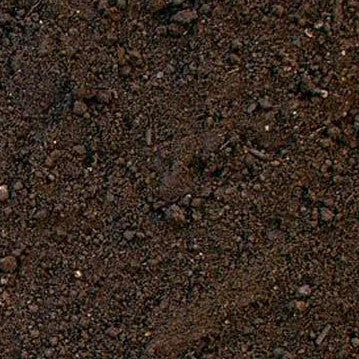
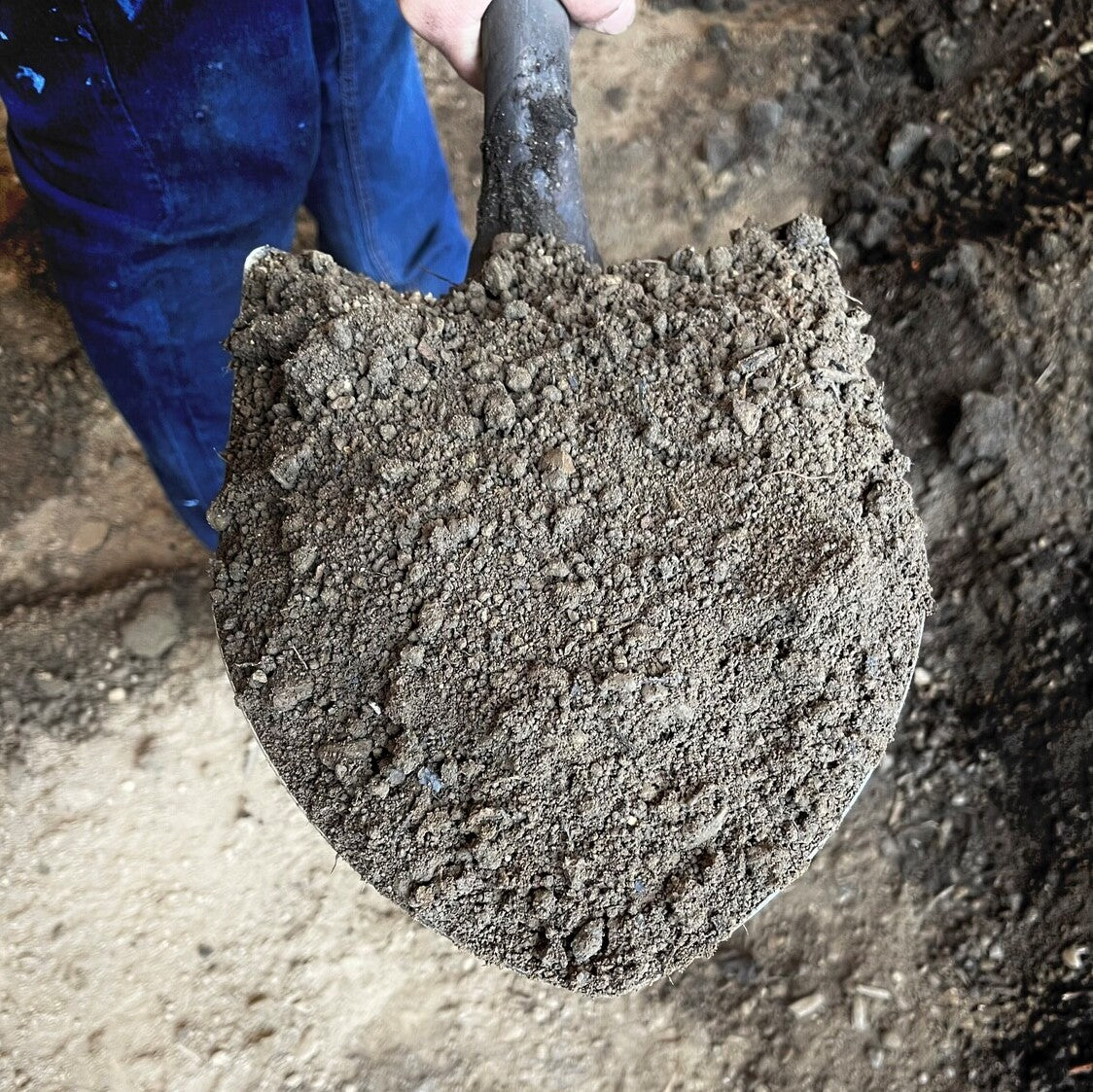
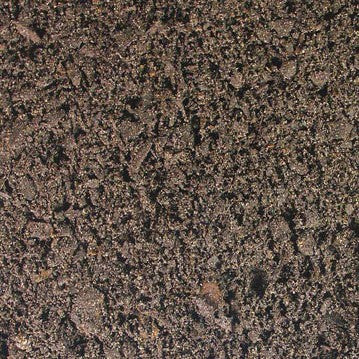
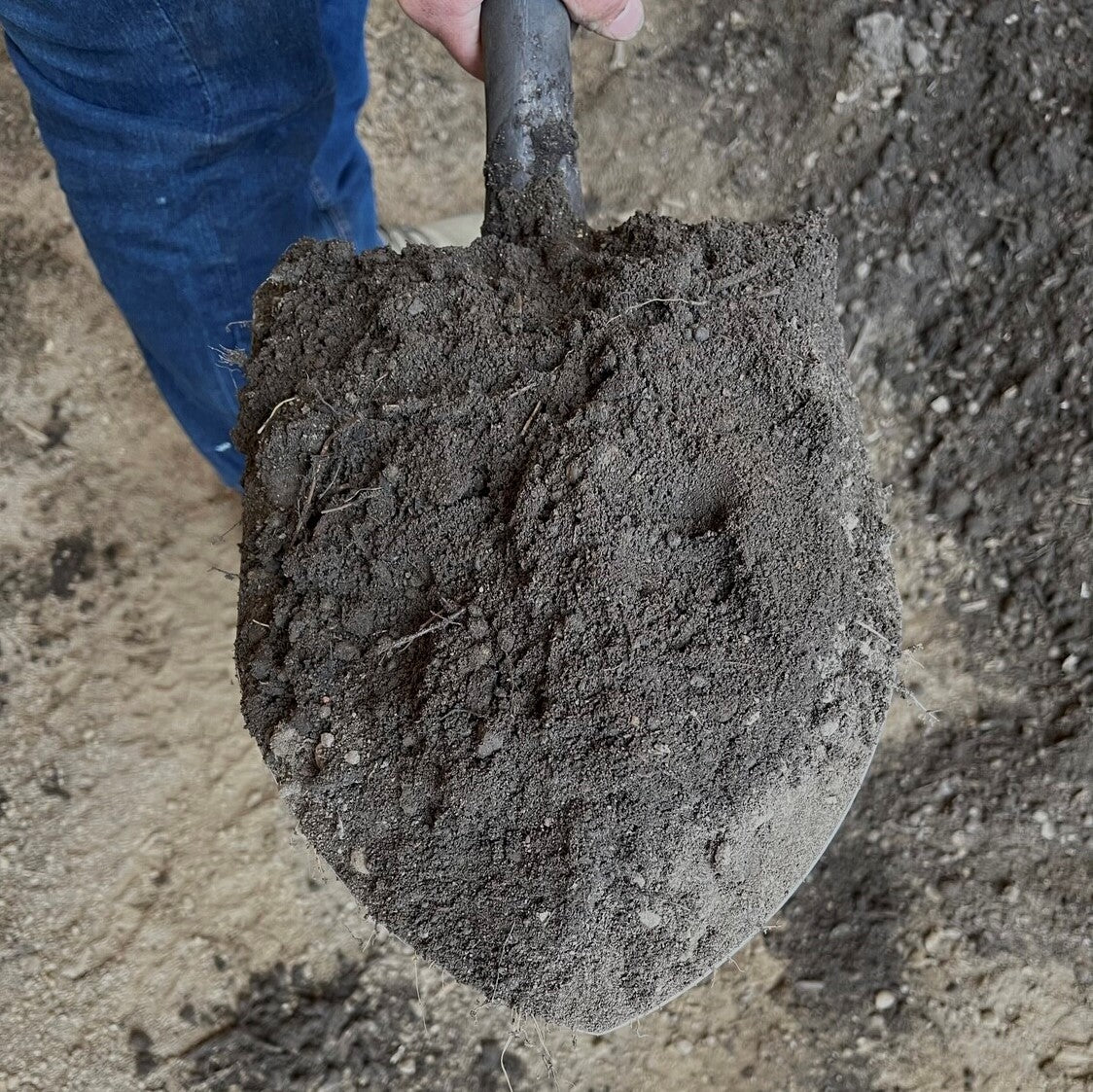
Quality topsoil for lawns, gardens, and landscape projects. Nutrient rich and ready to support strong root development and healthy plant establishment.
The website was intuitive and easy to navigate. The material was delivered the date and time it was scheduled, it was dropped off in the area i had specified on top of my tarp with no issues.
I ordered soil, the Gardening Blend that I received had too many plastic and m...
Tell us what you're looking for
Thanks! We received your request.
Something went wrong. Please try again.
How Much Material Do I Need?
For filling raised beds in Lakeland, plan for at least 12 inches of quality soil to give roots a proper growing zone above the sandy native ground, and for lawn leveling use a 2 to 4 inch topdress layer over existing turf.
Use our free soil calculator
What is a yard?
A yard is approximately 27 cubic feet. As a general guideline, one yard of material can cover an area of about 10 feet by 10 feet at a few inches deep.
What is a yards?
A yard is approximately 27 cubic feet. As a general guideline, one yard of material can cover an area of about 10 feet by 10 feet at a few inches deep.
We can't take orders for this right now. Tell us what you need and we'll get back to you.
What do you need?
Thanks! We received your request.
Something went wrong. Please try again.
Hand-picked local yards
4,000+ regional deliveries
Dedicated support
Why order through Mulch Mound
The best local soil, without the guesswork.
We hand-pick and partner with the best yards in your region, keep only the ones our buyers rate well, and back each load with our guarantee.
Mulch Mound Guarantee
If your soil isn't the quantity or quality you ordered, we'll make it right.
About this soil
Quality topsoil for lawns, gardens, and landscape projects. Nutrient rich and ready to support strong root development and healthy plant establishment.
The website was intuitive and easy to navigate. The material was delivered the date and time it was scheduled, it was dropped off in the area i had specified on top of my tarp with no issues.
I ordered soil, the Gardening Blend that I received had too many plastic and m...
How Much Material Do I Need?
For filling raised beds in Lakeland, plan for at least 12 inches of quality soil to give roots a proper growing zone above the sandy native ground, and for lawn leveling use a 2 to 4 inch topdress layer over existing turf.
Use our free soil calculator
What is a yard?
A yard is approximately 27 cubic feet. As a general guideline, one yard of material can cover an area of about 10 feet by 10 feet at a few inches deep.
What is a yards?
A yard is approximately 27 cubic feet. As a general guideline, one yard of material can cover an area of about 10 feet by 10 feet at a few inches deep.
The website was intuitive and easy to navigate. The material was delivered the date and time it was scheduled, it was dropped off in the area i had...
Read full review
The website was intuitive and easy to navigate. The material was delivered the date and time it was scheduled, it was dropped off in the area i had specified on top of my tarp with no issues.
I ordered soil, the Gardening Blend that I received had too many plastic and metal pieces for my liking thus lowering the score from a perfect 5/5 to a 4/5
Really appreciate the care and follow thru that this company had with our order. A hiccup came up but they were quick to respond and address all co...
Read full review
Really appreciate the care and follow thru that this company had with our order. A hiccup came up but they were quick to respond and address all concerns, which made our garden day a success! Thank you for your prompt care.
Measure your bed or area in feet, multiply length by width by your target depth in feet, then divide by 27 to convert cubic feet to cubic yards needed. For Lakeland raised beds, adding a buffer of 10 to 15 percent above your calculated amount accounts for settling into the sandy base below and ensures you have enough material to top off any low spots after the first rainy season.
Soil Types We Deliver in Lakeland
Mulch Mound delivers bulk soil by the cubic yard straight to your door in Lakeland, saving you the hassle of hauling bags from a store. Whether you are prepping a new lawn, filling raised beds, or amending the naturally sandy ground common across this part of Florida, we carry the right product for the job. All orders are measured and priced by the yard so you get exactly what your project requires.
Top Soil
Our top soil is available in screened or unscreened options. The screened version has a fine, even texture that suits sod prep, new lawns, and raised garden beds throughout Lakeland. Unscreened is a practical choice for fill work and grading projects where a smoother finish is not required.
Planting Mix
This gardening blend of top soil and compost goes straight into raised beds, vegetable gardens, and general planting areas. It holds moisture well in the warm Central Florida climate and gives roots the nutrients they need to establish quickly. Order by the yard for larger backyard projects.
Organic Compost
Our premium organic compost is aged leaf material that enriches Lakeland's naturally sandy soil with organic matter and improves moisture retention. It feeds beneficial soil life, supports plant establishment through Florida's hot summers, and works well as a top dressing around shrubs, trees, and garden beds.
Complete Your Outdoor Soil Project
Finishing your soil project with a layer of mulch locks in moisture and protects the new surface from Lakeland's heavy summer rains, and adding stone borders or edging keeps loose soil from washing out of beds during storm events.
Can I just amend my existing sandy soil instead of bringing in new soil?
Amending sandy soil in place can work for smaller beds, but for larger projects like raised gardens or full lawn leveling, the volume of organic matter needed to meaningfully change the texture of Lakeland's native sandy ground is enormous and impractical. Bringing in quality blended topsoil gives you a consistent growing medium from the start, and topping it with mulch ensures that the organic content builds further over each growing season.
Answer
What type of soil should I use for a raised vegetable garden in Lakeland?
A blended garden soil with compost already incorporated is the best starting point for raised vegetable beds in Lakeland. Native sandy soil drains so fast that it will not hold the moisture vegetable roots need during Florida's dry season, and it contains too few nutrients to sustain productive plants without constant heavy fertilization. A quality blended soil gives you a head start on both drainage balance and fertility in zone 9b's long and productive growing season.
Answer
How deep should new soil be when I am establishing a lawn area over Lakeland's sandy ground?
For lawn establishment over Lakeland's sandy base, a 2 to 4 inch layer of quality topsoil is typically enough to give grass roots a better growing medium before they reach the native sand below. St. Augustine and Bahia grass, which are the most common lawn grasses in the Lakeland area, both develop extensive root systems that will eventually extend into the native soil, so the topsoil layer is primarily about giving new sod or seed a strong and healthy start.
Answer
My yard floods in low spots during summer storms. Will adding soil help fix that?
Grading low spots with soil can redirect surface water and eliminate the pooling that Lakeland's intense summer thunderstorms cause in many yards. The key is to build up those areas gradually and compact lightly so that the new soil does not simply wash away in the next heavy rain. Combining soil grading with sod establishment or a ground cover planting holds the new grade in place and prevents erosion through the wet season.
Answer
Does Lakeland's heavy rainfall affect how long it takes for new soil to settle before I can plant?
Lakeland's summer rains can actually speed up the settling process but also cause uneven compaction if the soil is very loose when it gets saturated. Allow new soil to go through at least one or two good rain events before planting into it, and add material to any areas that settle more than expected. For raised beds, filling slightly above your target height accounts for natural settling that happens over the first growing season.
Answer
Is there a best time of year to have soil delivered in Lakeland?
Spring, between late February and April, is an ideal window in Lakeland. The average last frost falls around February 15, and getting soil placed before the summer rainy season begins in June gives it time to settle before intense storms arrive. That timing also lines up perfectly with planting season for warm-season vegetables and the many ornamentals that thrive in zone 9b's long growing year.
Answer
How much soil do I actually need to fill a standard raised garden bed?
A 4 by 8 foot raised bed that is 12 inches deep requires approximately 0.4 cubic yards of soil. Most Lakeland gardeners building raised beds go at least 12 inches deep to keep vegetable roots well above the native sandy ground and to provide enough growing medium for root vegetables like carrots and sweet potatoes, which are very productive crops in zone 9b's warm climate.
Mulch Mound Pro Tip
Lakeland's growing season essentially runs year-round in zone 9b, which means you can have fresh soil placed and be planting within weeks of delivery almost any time of year. Avoid scheduling soil delivery during the peak of summer storm season if your area has existing drainage challenges, since saturated sandy ground can make working with heavy material difficult and may cause newly placed soil to shift before it has time to settle properly.
Mulch Mound Pro Tip
When filling raised beds in Lakeland, mix a generous amount of compost into your bulk soil before planting. Sandy native soil contains almost no organic matter, and while quality topsoil improves on that baseline significantly, incorporating compost at the time of fill supercharges moisture retention and microbial activity right from the start. That combination translates directly to healthier plants with less irrigation needed through Lakeland's long, warm growing season.
Mulch Mound Pro Tip
Soil placed in Lakeland yards is exposed to intense heat and UV radiation that can dry and crust the surface quickly, especially during the dry season from November through April. Applying mulch immediately after placing and planting into new soil protects the surface from crusting, keeps moisture available to developing roots, and prevents the light sandy particles from blowing away during the occasional dry and breezy days that Lakeland experiences in the winter months.
The Unique Landscape of Lakeland
Lakeland sits on a base of fine sandy soil that drains quickly, warms fast, and holds very little organic matter or nutrients on its own. For homeowners trying to establish garden beds, level out a lawn, or build raised planting areas, the native sandy ground simply does not provide the structure or fertility that most plants need to thrive in zone 9b's demanding conditions. Bringing in quality topsoil or blended garden soil allows you to create growing environments with the water retention and nutrient content that Lakeland's native ground lacks from the start. The region's 53 inches of annual rainfall also means that any soil you bring in needs to be well-structured to absorb and hold moisture rather than allowing it to run off the surface or leach through too rapidly. Whether you are filling a raised bed, topping a lawn, or grading around a new planting area, quality soil is the foundation that determines whether your landscape project succeeds long-term.