Mulch Mound made it so easy! So happy with the pricing, turn around time, delivery and product. I submitted my online order on a Thursday. The mulch was delivered to the designated location by a local landscape company at 8:30 a.m. the following Saturday morning. We had the...
Tell us what you're looking for
Thanks! We received your request.
Something went wrong. Please try again.
How Much Material Do I Need?
For Lancaster's high-evaporation, high-heat conditions, plan for a minimum of 3 inches of mulch depth across all planting beds, with 4 inches preferred in areas with direct afternoon western sun exposure. Shallower applications will evaporate too quickly to provide meaningful moisture protection between watering days.
Use our free mulch calculator
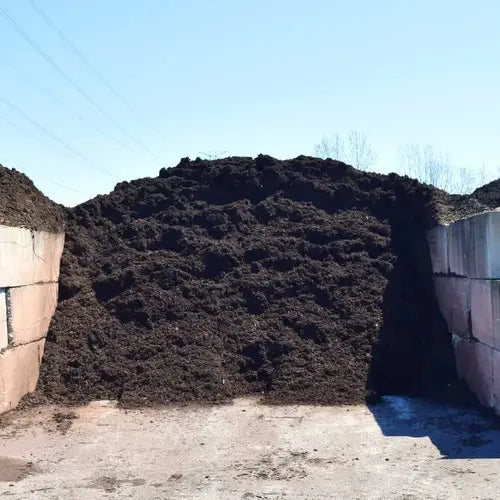
What is a yard?
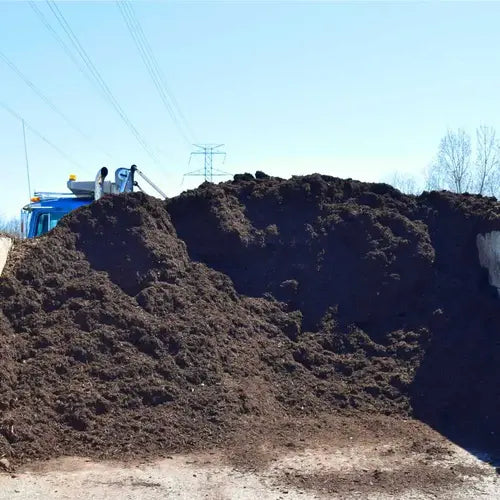
A yard is approximately 27 cubic feet. As a general guideline, one yard of material can cover an area of about 100-160 square feet at a 2-3 inch depth.
Mulch Mound made it so easy! So happy with the pricing, turn around time, delivery and product. I submitted my online order on a Thursday. The mulch was delivered to the designated location by a local landscape company at 8:30 a.m. the following Saturday morning. We had the...
How Much Material Do I Need?
For Lancaster's high-evaporation, high-heat conditions, plan for a minimum of 3 inches of mulch depth across all planting beds, with 4 inches preferred in areas with direct afternoon western sun exposure. Shallower applications will evaporate too quickly to provide meaningful moisture protection between watering days.
Use our free mulch calculator
What is a yard?
A yard is approximately 27 cubic feet. As a general guideline, one yard of material can cover an area of about 100-160 square feet at a 2-3 inch depth.
Mulch Mound made it so easy! So happy with the pricing, turn around time, delivery and product. I submitted my online order on a Thursday. The mu...
Read full review
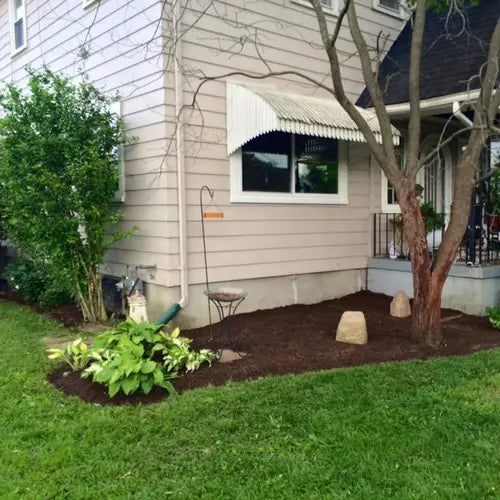
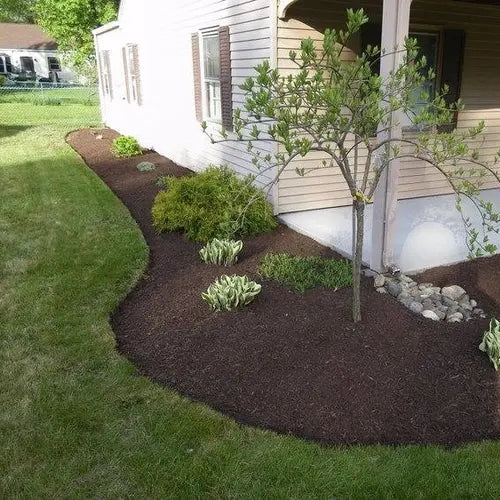
Mulch Mound made it so easy! So happy with the pricing, turn around time, delivery and product. I submitted my online order on a Thursday. The mulch was delivered to the designated location by a local landscape company at 8:30 a.m. the following Saturday morning. We had the job completed by that afternoon. We chose the natural brown mulch, and the plant beds are beautiful.
Good quality, great price, fast delivery. All online - no submitting forms and waiting for days for quotes. Getting mulch should be this easy fr...
Read full review
Good quality, great price, fast delivery. All online - no submitting forms and waiting for days for quotes. Getting mulch should be this easy from everyone. Only Mulch Mound is ACTUALLY this simple.
I highly recommend Mulch Mound. The quality of the mulch is very good. The ordering system on their website makes it very easy. The delivery driver...
Read full review
I highly recommend Mulch Mound. The quality of the mulch is very good. The ordering system on their website makes it very easy. The delivery driver did a great job placing the mulch on the driveway. To finish off, the pricing was very reasonable as well.
Before ordering, walk your yard and measure each planting bed as a simple rectangle or break irregular shapes into smaller sections, then add the totals together. In Lancaster yards where desert hardscape and mulch beds are often mixed together, it pays to sketch out your layout and subtract any areas covered by rock, concrete, or gravel so you get an accurate square footage. Enter that number into our calculator with your target depth to get the exact cubic yardage you need.
Mulch vs. No Mulch: The Difference
In Lancaster's Mojave Desert climate, the choice between organic and non-organic mulch comes down to how you balance short-term performance against long-term soil health. Organic mulches decompose faster here than in cooler California cities because of the extreme summer heat and intense UV exposure at 2,350 feet elevation, meaning they need annual replenishment but reward you with gradual improvements to the sandy loam soil beneath. Non-organic options like decomposed granite hold their appearance longer and resist wind better, but they contribute nothing to soil structure over time.
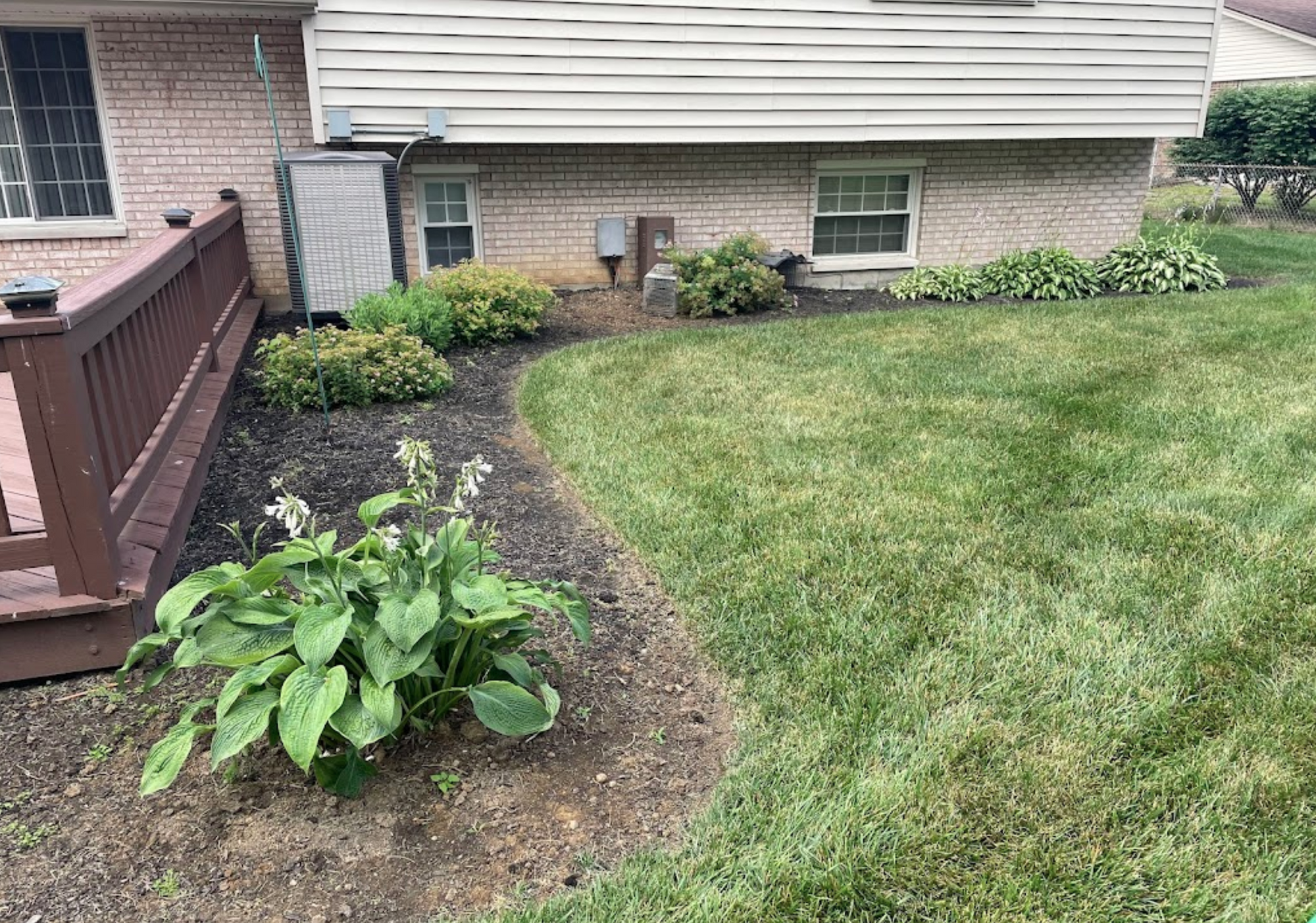
Before
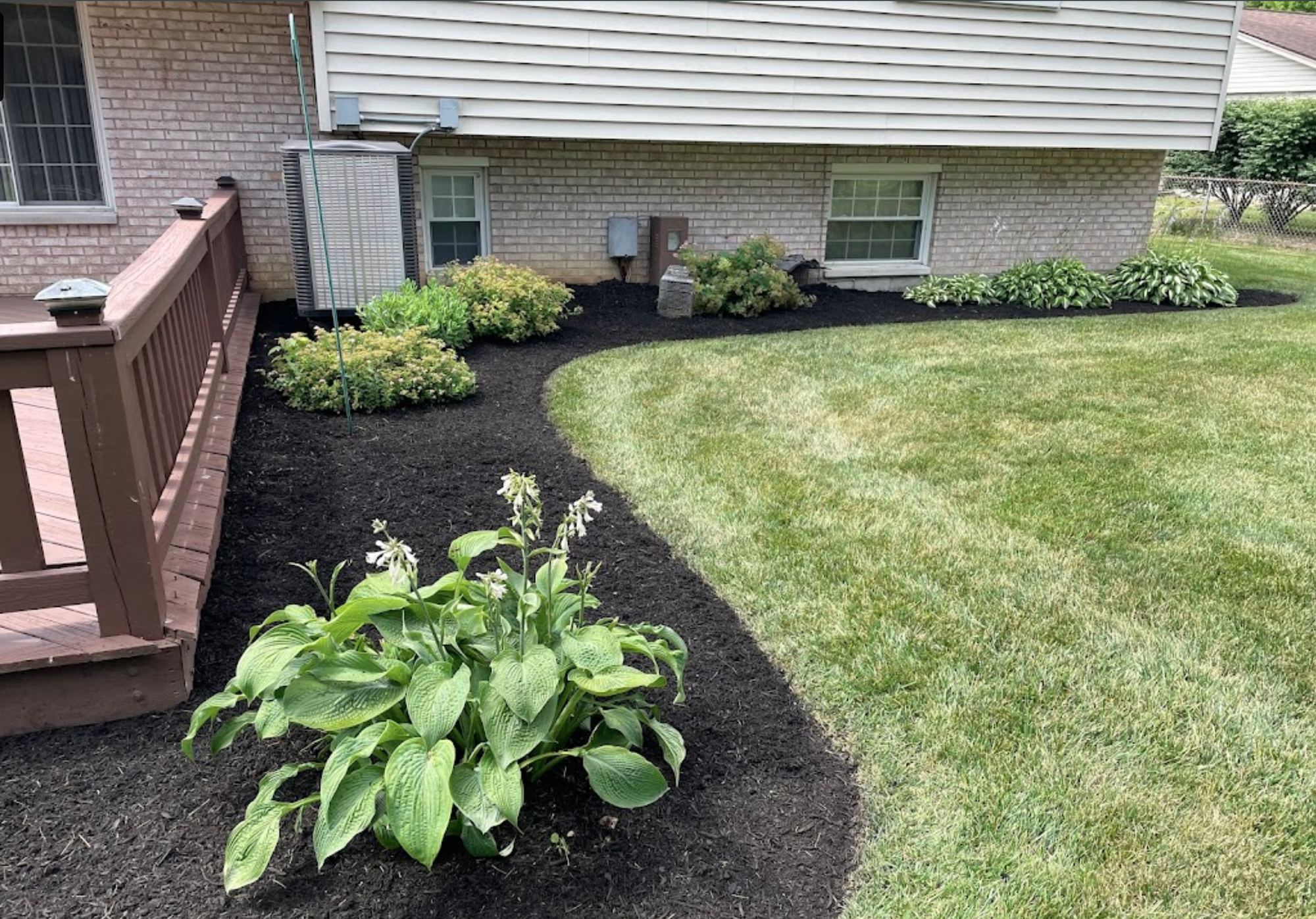
After
Best Mulch Choice for Lancaster Lawns
Most yards in the Lancaster area sit on type of soil. Lancaster's sandy loam soil has a naturally low organic matter content, which means planting beds drain too quickly and struggle to hold the nutrients that flowers, shrubs, and vegetables need to thrive through a hot growing season. Covering those beds with a quality organic mulch slows moisture loss at the surface and feeds the microbial life in the soil as it gradually breaks down.
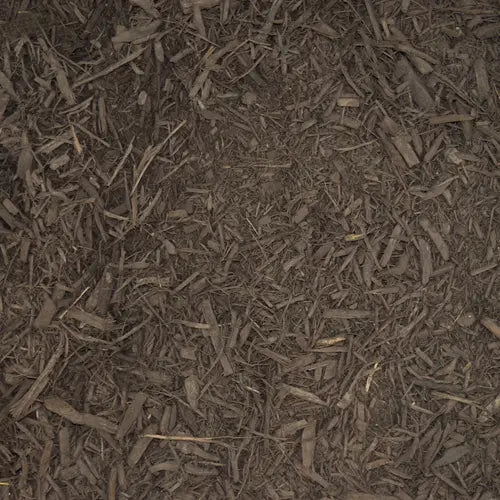
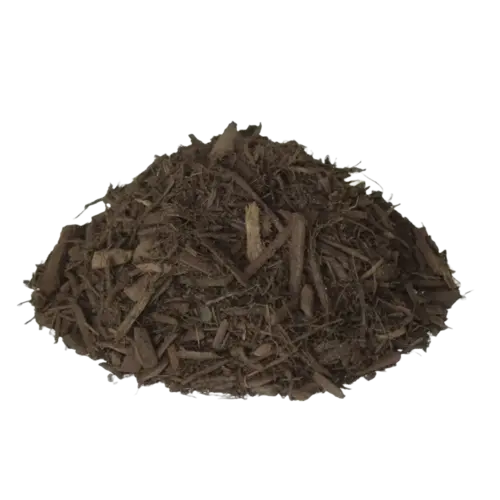
Hardwood Mulch
Shredded hardwood mulch is particularly well-suited to Lancaster's sandy loam because it breaks down slowly enough to provide a full season of coverage while still contributing a measurable amount of organic matter to the soil each year. Over several seasons of annual top-dressing, the cumulative addition of decomposed hardwood begins to improve the moisture-holding capacity of the sandy loam, reducing how often you need to water and making the soil more hospitable to a wider range of plants.
Complete Your Outdoor Mulch Project
Pair your mulch delivery with a bulk compost-enriched soil order to work into your sandy loam beds before mulching, giving roots a richer growing medium right from the start. Decomposed granite or river rock from our stone collection also works beautifully around the perimeter of mulched beds to define edges and reduce wind scatter.
Mulch Mound Pro Tip
Lancaster's intense summer sun fades organic mulch color fast, often within just one season. If curb appeal matters to you, consider ordering a slightly deeper load than you think you need so you can touch up the surface layer in midsummer without placing a second order. A thin top-off of fresh mulch in July refreshes the color and restores the surface density that wind and decomposition have reduced since your spring application.
Mulch Mound Pro Tip
Keep mulch pulled back about two inches from the base of tree trunks and shrub stems. In Lancaster's low-humidity environment this might seem less critical than in wetter climates, but moisture still wicks through mulch on irrigation days and contact with bark over time creates conditions for crown rot and pest harborage. A small gap around each plant stem protects the tissue while still allowing the surrounding soil to benefit from all the moisture-retention and temperature-buffering effects of your mulch layer.
Mulch Mound Pro Tip
Time your bulk mulch delivery for late February or early March, just before Lancaster's last frost date of March 26. Spreading fresh mulch at this point in the season means you are ready to protect new plantings the moment frost risk passes and warming soil temperatures signal the start of the growing season. It also gets the material down before the drying Antelope Valley winds pick up in spring, making spreading easier and reducing the amount of material that blows across your yard during application.
Frequently Asked Questions
Click a question to see the answer
Answer
How thick should I apply mulch in Lancaster given how hot and dry it gets?
In Lancaster's low-rainfall, high-heat climate, we recommend applying mulch at a depth of 3 to 4 inches over your planting beds. The sandy loam soil drains so quickly that a thinner layer simply cannot hold enough moisture buffer between watering cycles. Going 3 to 4 inches deep keeps evaporation rates down, moderates soil temperature during summer highs, and gives you a meaningful layer that remains effective even after wind and decomposition thin it out over a season.
Answer
Will mulch break down too fast in Lancaster's heat and do I need to replace it every year?
Yes, the intense UV radiation and triple-digit summer temperatures in Lancaster do accelerate decomposition compared to cooler coastal cities. Organic mulches like shredded hardwood will typically need to be topped off once a year, usually in early spring before the heat sets in, to maintain that protective 3 to 4 inch depth. The good news is that as the mulch breaks down it adds a small amount of organic matter to the sandy loam, improving moisture retention little by little over multiple seasons.
Answer
Is there a mulch type that holds up better against the winds we get in the Antelope Valley?
Lighter mulches like straw or finely shredded bark tend to blow around significantly during the sustained winds Lancaster experiences, especially in spring and fall. Chunkier wood chips or a heavier shredded hardwood mulch stay in place much better. If wind displacement is a real concern in your yard, you can also lay a thin layer of soil or compost beneath the mulch to help anchor it, or use a permeable landscape fabric underneath as a base.
Answer
Can mulch help me get through Lancaster's frost season without losing plants?
Absolutely. With Lancaster's first frost arriving around November 5 and the last frost not passing until around March 26, there is a solid frost window that can catch gardeners off guard, especially with young plants or borderline-hardy species. A 3 to 4 inch mulch layer insulates the root zone and slows the speed at which ground temperatures drop on freezing nights, giving roots the buffer they need to survive. Pull the mulch back slightly from plant stems to prevent moisture rot, then push it back out once temperatures begin to fall in the evening.
Answer
My Lancaster yard has really sandy soil. Will mulch actually help or should I do something else first?
Mulch is one of the best things you can do for sandy loam soil in Lancaster precisely because that soil type drains so fast. Laying mulch over your beds slows surface evaporation dramatically, which means more of your irrigation water has time to soak into the root zone instead of evaporating under the desert sun. Over time, decomposing organic mulch also feeds soil microbes that gradually improve the structure and water-holding capacity of sandy soil. For a faster fix, you can combine a top-dressing of compost worked into the soil with a mulch layer on top.
Answer
How soon after planting should I apply mulch in my Lancaster garden?
In Lancaster's climate, ideally you want mulch down on the same day you plant or within 24 hours. The combination of low humidity, high heat, and fast-draining sandy loam means newly planted root systems are under immediate moisture stress. Waiting even a few days can allow the top few inches of soil to dry out completely, which is extremely hard on transplants. Get your plants in the ground, water thoroughly, and then apply your mulch layer right away to lock in that initial moisture.
Answer
How many cubic yards of mulch do I need for a typical front yard in Lancaster?
A common Lancaster front yard with desert-landscaped beds and a few accent plantings might cover anywhere from 400 to 800 square feet of mulchable area once you subtract any hardscape or gravel zones. At our recommended 3 to 4 inch depth, a 500 square foot bed area requires roughly 5 to 6 cubic yards of mulch. Use our calculator on this page by entering your square footage and desired depth, and it will give you a precise number so you do not over-order or run short mid-project.
The Unique Landscape of Lancaster
Lancaster sits at 2,350 feet in the Antelope Valley, where the Mojave Desert climate delivers brutal summer heat, drying winds, and only about 6 inches of rainfall each year. Without a proper mulch layer, the sandy loam soil here loses moisture almost as fast as you can apply water, leaving plant roots stressed and exposed during triple-digit stretches. A thick layer of mulch acts as a thermal blanket that keeps soil temperatures from spiking, which is critical when ground surfaces can exceed 150 degrees Fahrenheit on a July afternoon in Lancaster. The freeze-thaw cycles between November and late March add another layer of stress, cracking bare soil and heaving shallow roots out of the ground. Mulch buffers those temperature swings on both ends of the calendar, giving your plants a fighting chance through every season. Whether you are growing native desert plants, drought-tolerant shrubs, or a vegetable garden timed around Lancaster's frost window, the right mulch makes every drop of irrigation count.