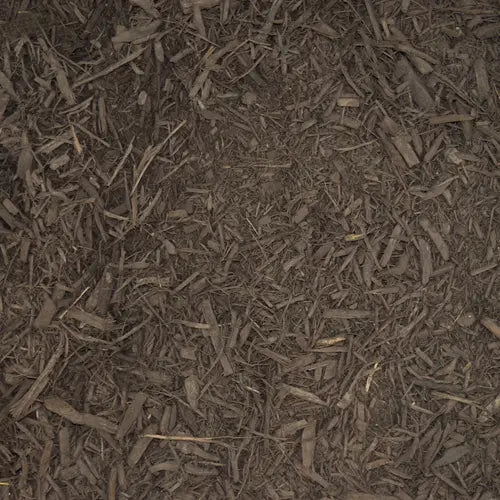
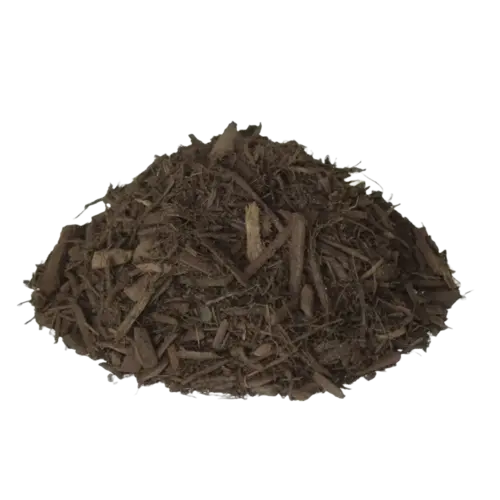
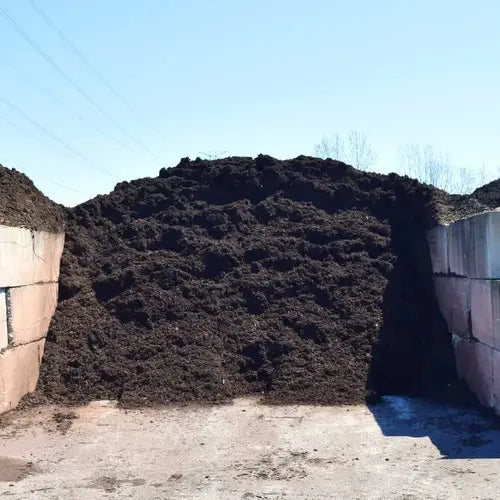
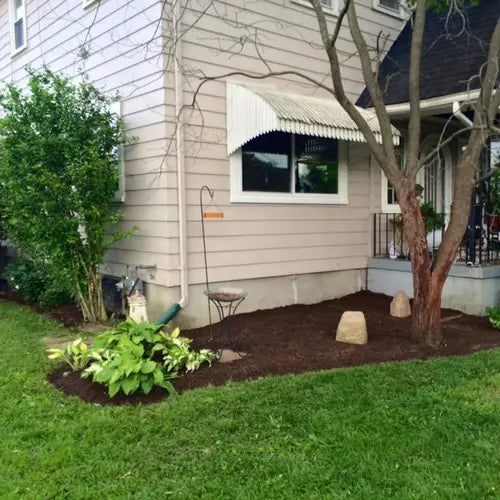
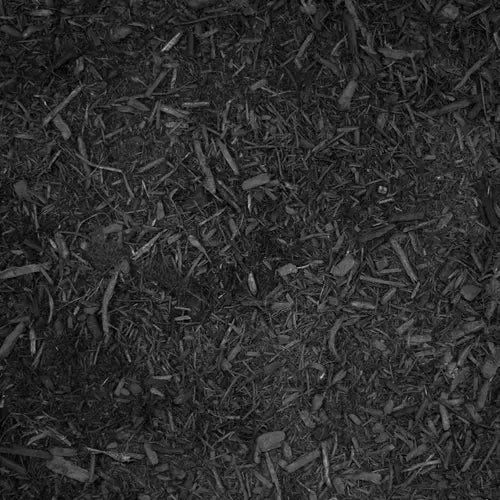
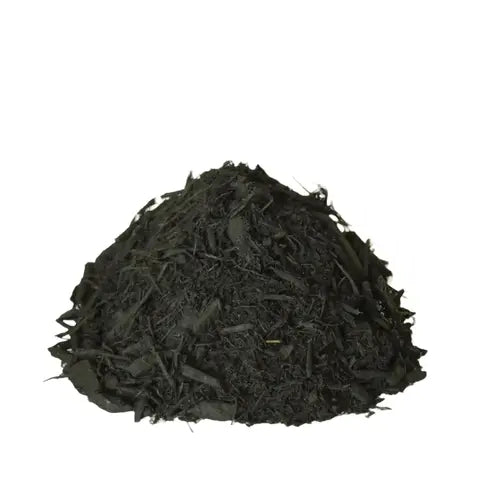
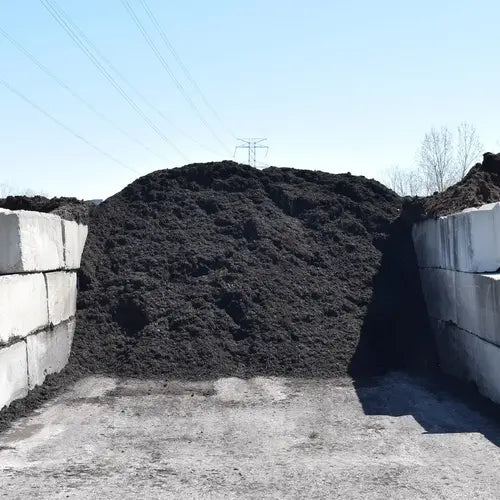
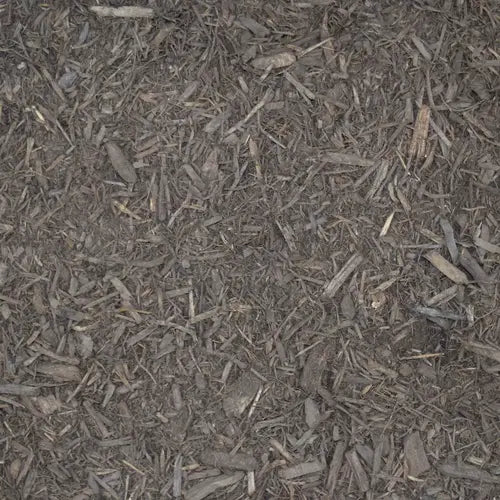
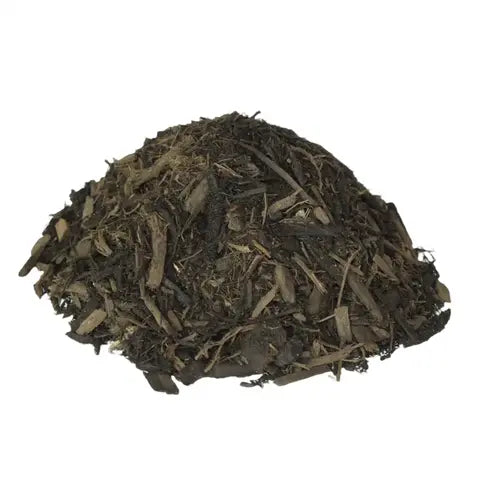
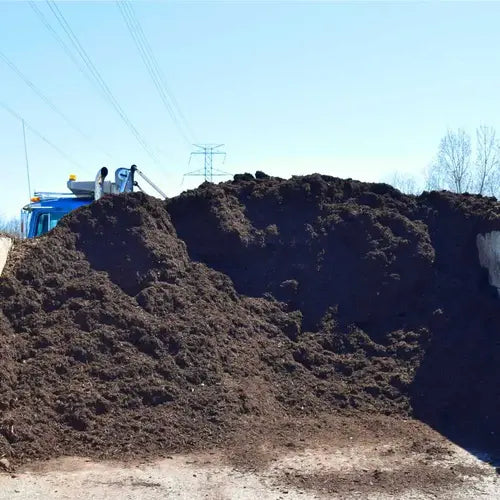
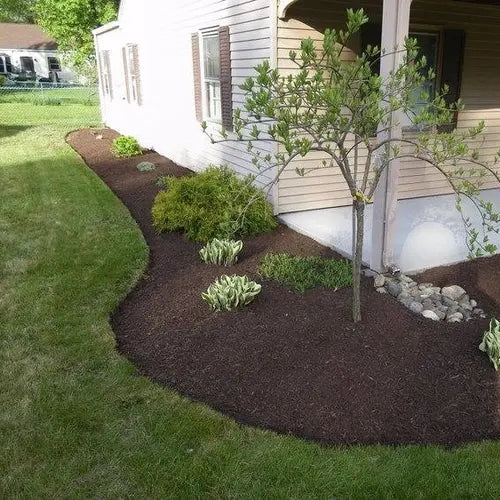
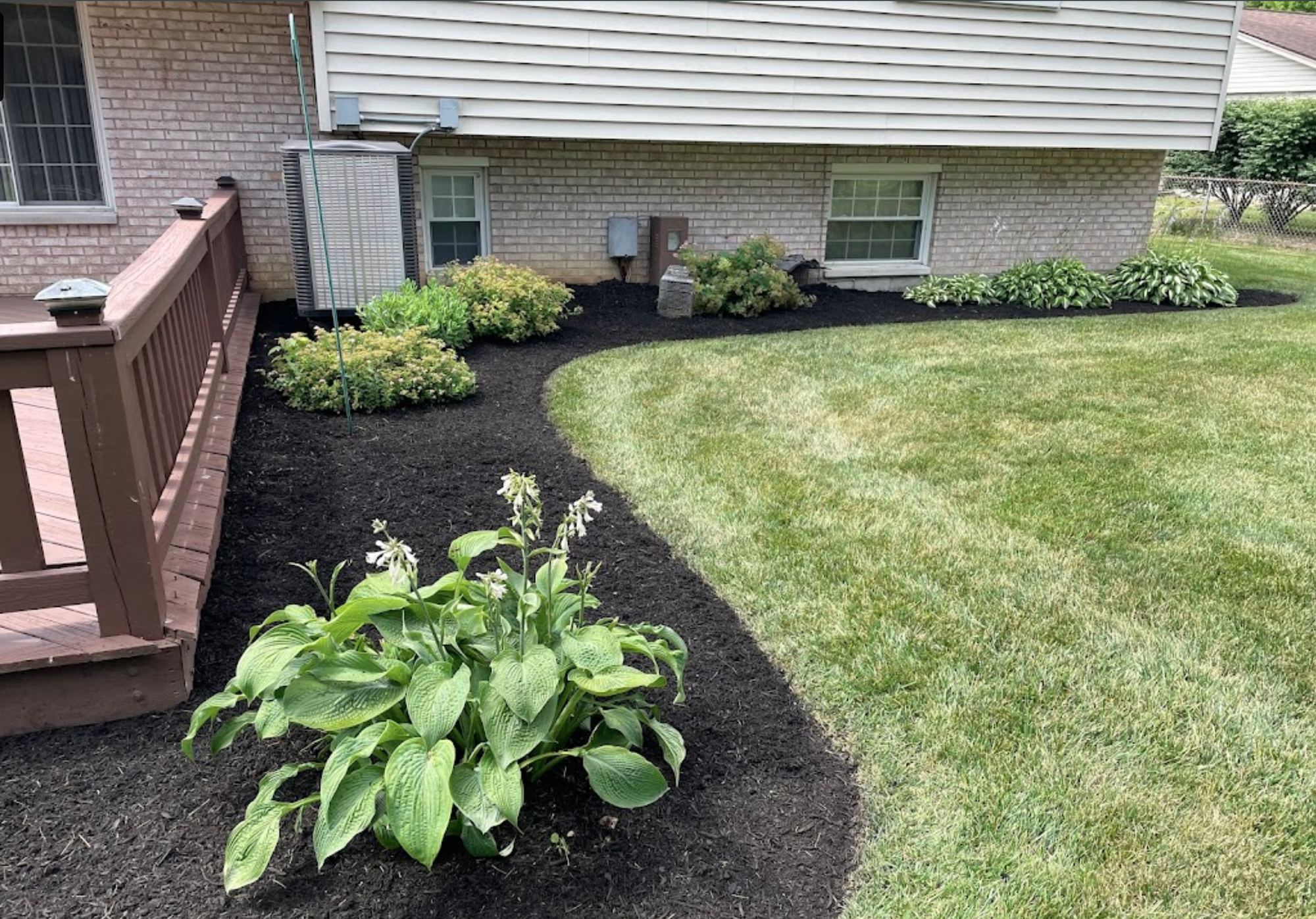
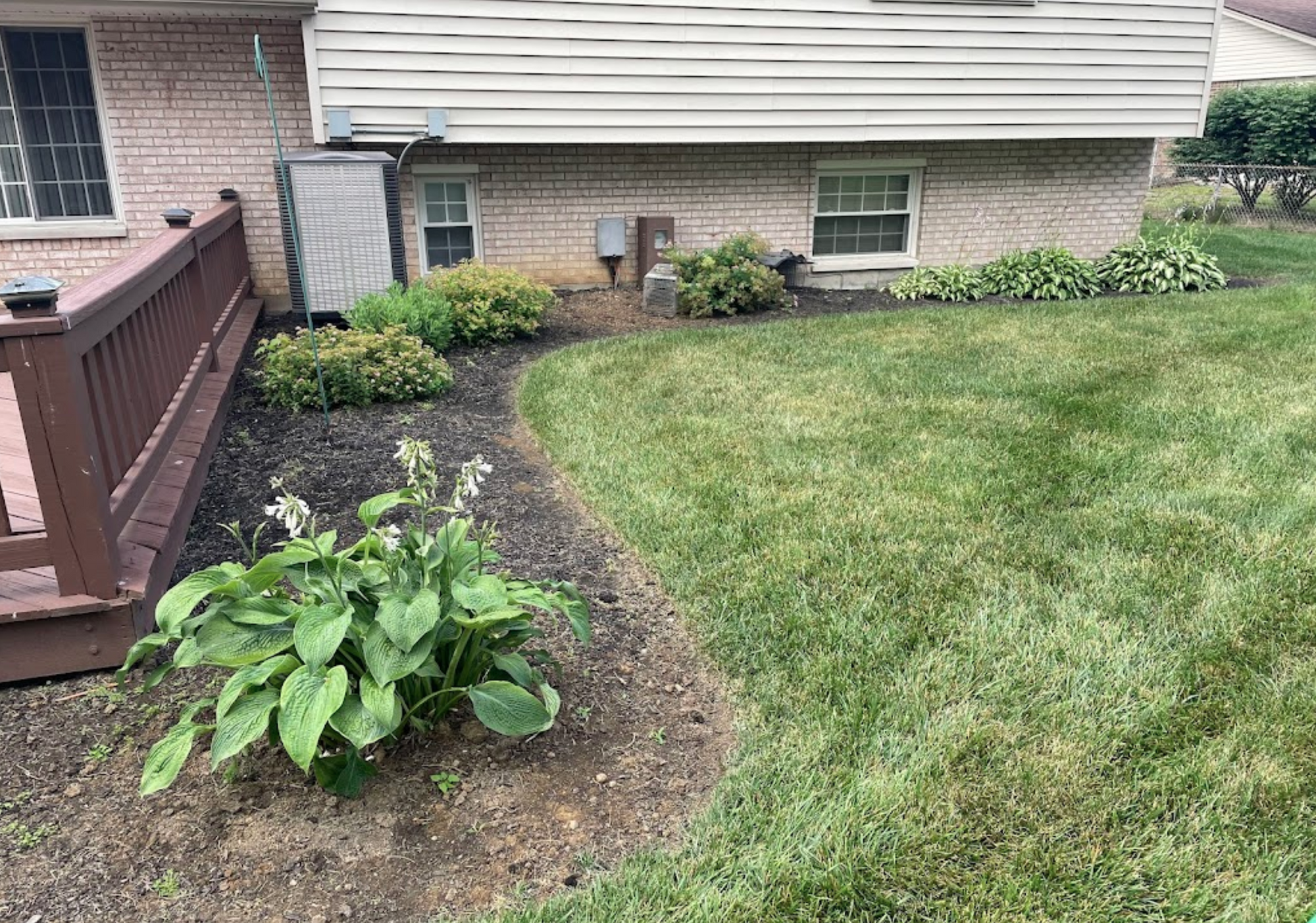
Warm brown double shredded mulch with lasting color that looks freshly applied for weeks. Spreads smooth, stays put, and gives beds a natural, polished appearance.
Great experience! Easy to order, they delivered promptly and were very respectful of the property! Ordered the triple shredded brown mulch and it was EXACTLY what I wanted. Very clean product too, no garbage or filler. Already put these guys in my calendar to order from next y...
Tell us what you're looking for
Thanks! We received your request.
Something went wrong. Please try again.
How Much Material Do I Need?
For Laurinburg's sandy loam beds, a 3-inch application depth is the standard starting point, providing enough coverage to suppress weeds and buffer the fast drainage typical of sandy soils. New beds or areas with bare exposed soil benefit from going up to 4 inches to compensate for the initial settling that happens after rain.
Use our free mulch calculator
What is a yard?
A yard is approximately 27 cubic feet. As a general guideline, one yard of material can cover an area of about 100-160 square feet at a 2-3 inch depth.
We can't take orders for this right now. Tell us what you need and we'll get back to you.
What do you need?
Thanks! We received your request.
Something went wrong. Please try again.
Hand-picked local yards
4,000+ regional deliveries
Dedicated support
Why order through Mulch Mound
The best local mulch, without the guesswork.
We hand-pick and partner with the best yards in your region, keep only the ones our buyers rate well, and back each load with our guarantee.
Mulch Mound Guarantee
If your mulch isn't the quantity or quality you ordered, we'll make it right.
About this mulch
Warm brown double shredded mulch with lasting color that looks freshly applied for weeks. Spreads smooth, stays put, and gives beds a natural, polished appearance.
Great experience! Easy to order, they delivered promptly and were very respectful of the property! Ordered the triple shredded brown mulch and it was EXACTLY what I wanted. Very clean product too, no garbage or filler. Already put these guys in my calendar to order from next y...
How Much Material Do I Need?
For Laurinburg's sandy loam beds, a 3-inch application depth is the standard starting point, providing enough coverage to suppress weeds and buffer the fast drainage typical of sandy soils. New beds or areas with bare exposed soil benefit from going up to 4 inches to compensate for the initial settling that happens after rain.
Use our free mulch calculator
What is a yard?
A yard is approximately 27 cubic feet. As a general guideline, one yard of material can cover an area of about 100-160 square feet at a 2-3 inch depth.
Great experience! Easy to order, they delivered promptly and were very respectful of the property! Ordered the triple shredded brown mulch and it w...
Read full review
Great experience! Easy to order, they delivered promptly and were very respectful of the property! Ordered the triple shredded brown mulch and it was EXACTLY what I wanted. Very clean product too, no garbage or filler. Already put these guys in my calendar to order from next year! Keep up the good work.
Measure the length and width of each bed in feet, multiply them together, and divide by 12 to find the cubic yards needed for a 3-inch depth. In Laurinburg, sandy loam settles quickly after rain, so ordering a small extra amount ensures you maintain full coverage after the first few storms of the season. If you have multiple oddly shaped beds, break each one into rectangles, calculate separately, and add the totals together.
Mulch vs. No Mulch: The Difference
Laurinburg's Zone 8a climate, with its warm summers and moderate winters, accelerates the breakdown of organic mulch faster than you would see in cooler parts of the state. Natural hardwood mulch decomposes and feeds your sandy loam soil as it breaks down, making it a better long-term investment for plant health even if it fades in color over a single season. Dyed mulches hold their visual appeal longer and are a good choice for high-visibility beds where curb appeal matters most, but natural options win when soil improvement is the priority.
Before
After
Best Mulch Choice for Laurinburg Lawns
Most yards in the Laurinburg area sit on Sandy Loam type of soil. Laurinburg's sandy loam soil drains quickly and holds very little organic matter on its own, leaving plant roots searching for moisture and nutrients after just a short dry stretch. Adding a generous layer of organic mulch slows surface evaporation and gives roots a better chance of staying hydrated between Laurinburg's rainfall events.
Hardwood Mulch
Hardwood mulch is particularly well-suited for Laurinburg's sandy loam because as the wood fibers break down, they contribute lignin and organic compounds that bind sandy particles together. Over several seasons of decomposition, this process slowly shifts the soil structure toward something with better nutrient-holding capacity, reducing the need for frequent fertilization and supplemental watering.
Mulch Types We Deliver in Laurinburg
Mulch Mound offers bulk mulch delivery in Laurinburg by the cubic yard, so you can cover large beds and full landscapes without hauling bags from a store. Whether you are freshening a single border or redoing an entire yard, we drop the material right where you need it. The warm, humid climate and sandy soils common to this part of North Carolina make quality mulch a real workhorse for holding moisture and protecting roots through long summer stretches.
Dyed Black Mulch
Bold and high-contrast, our double shredded dyed black mulch makes plant beds pop against the green lawns and mixed shrub borders common across this region. The rich color holds strong through sun and heavy summer rain, so beds look sharp long after install. A great fit for homeowners wanting a clean, modern landscape appearance.
Dyed Brown Mulch
Warm and polished, our double shredded dyed brown mulch pairs naturally with the brick exteriors and traditional home styles found throughout this part of North Carolina. The color stays vibrant for weeks, giving beds a freshly finished look with very little upkeep. It spreads smooth and holds its position well on both flat and gently sloped ground.
Natural Brown Mulch
Our double shredded natural brown mulch carries no dye, letting the wood's own earthy tone speak for itself. It works especially well with the sandy, loamy soils common to this region, locking in moisture during dry stretches and breaking down gradually to improve the ground beneath. A clean, honest choice for low-maintenance beds.
Complete Your Outdoor Mulch Project
If you are building new beds or amending tired planting areas, our bulk topsoil and garden soil options pair perfectly with a fresh layer of mulch to address Laurinburg's lean sandy loam from the ground up. Adding stone borders or gravel edging from our stone product line keeps mulch in place through Laurinburg's heavier rain events and gives beds a clean, finished appearance.
Laurinburg's sandy loam warms up fast after the last frost around March 20, which is great for planting but also signals weeds to germinate quickly. Get your mulch applied within the first week after that final frost date rather than waiting until beds look weedy. That early application creates a barrier before weed seeds have a chance to establish, saving you hours of hand-pulling later in the growing season.
Mulch Mound Pro Tip
Pull mulch back about two inches from the base of tree trunks and shrub stems before applying. Zone 8a's warm, humid summers create the right environment for crown rot and fungal disease when mulch presses directly against bark. Keeping that small gap allows bark to dry out between rain events and dramatically reduces disease pressure on established plants across Laurinburg landscapes.
Mulch Mound Pro Tip
With Laurinburg averaging 49 inches of rain per year, much of it falling in intense summer thunderstorms, mulch does double duty as a soil protector. Heavy rainfall hitting bare sandy loam causes surface crusting, which blocks water infiltration and increases runoff across planting beds and lawn edges. A consistent mulch layer breaks raindrop impact, keeps the soil surface open, and helps more of that annual rainfall actually soak in and reach plant roots where it is needed most.
Frequently Asked Questions
Click a question to see the answer
Answer
How thick should I spread mulch in Laurinburg beds?
In Laurinburg's sandy loam soil, a 3-inch layer is ideal for most ornamental beds. Sandy loam drains fast, so going thinner than 2 inches leaves roots exposed to rapid moisture loss during dry summer stretches. Avoid piling mulch thicker than 4 inches, as Zone 8a's warm, humid summers can promote fungal issues in overly deep mulch layers.
Answer
Will mulch help my plants survive Laurinburg's summer heat?
Absolutely. Laurinburg regularly sees stretches of 90-degree-plus heat in July and August, and bare sandy loam heats up surprisingly fast. A proper layer of mulch can keep soil temperatures several degrees cooler, reducing heat stress on roots and cutting down how often you need to water during those dry mid-summer weeks.
Answer
When is the best time to apply mulch in Laurinburg?
Early spring, just after the last frost around March 20, is the prime window. Applying mulch at that point helps trap soil warmth and moisture as your plants break dormancy, and it gets a layer of weed suppression in place before warm-season weeds take hold. A second lighter refresh in late October, just before the November 1 first frost, adds insulation for roots heading into winter.
Answer
Does all that rainfall in Laurinburg wash mulch away?
Laurinburg's 49 inches of annual rainfall can shift lightweight mulch during heavy storms, especially on slopes. Shredded hardwood mulch interlocks as it settles and resists displacement much better than bark nuggets in flat or mildly graded beds. For slopes near drainage areas, a slightly thicker application of shredded hardwood holds position better after hard rain events.
Answer
How often do I need to reapply mulch here in Laurinburg?
In Laurinburg's warm, moist climate, organic mulch breaks down faster than it would in cooler regions. Expect to top off beds every 12 to 18 months. The upside is that decomposing mulch adds organic matter back into your sandy loam, slowly improving its ability to hold nutrients and moisture over time.
Answer
Is colored mulch safe for my vegetable garden in Laurinburg?
Most dyed mulches sold today use iron oxide or carbon-based colorants that are considered safe around ornamentals, but we recommend natural hardwood or pine mulch for vegetable beds. Laurinburg's long growing season runs from late March through early November, which means food crops are in the ground for an extended period, so avoiding any uncertainty about dye interaction makes sense for edible planting areas.
Answer
What type of mulch works best with Laurinburg's sandy loam soil?
Shredded hardwood mulch is our top recommendation for Laurinburg's sandy loam beds. As it decomposes, it contributes organic matter that binds sandy particles together, improving water retention without waterlogging. Pine bark nuggets look great but break down more slowly and contribute less to soil improvement, making them better suited for decorative areas where appearance matters more than soil building.
The Unique Landscape of Laurinburg
Sandy loam soil in Laurinburg drains quickly, which means plant beds lose moisture faster than homeowners expect during dry summer stretches. With 49 inches of rainfall spread unevenly across the year, mulch acts as a buffer, holding moisture during dry spells and slowing runoff during heavy late-summer downpours. Zone 8a winters are mild enough that hard ground freeze is rare, but a cold snap before the November 1 first frost can still stress shallow-rooted plants without proper insulation. Mulch also moderates soil temperature during the rapid warming that hits Laurinburg beds after the last frost around March 20, preventing premature bud break that gets caught by lingering cool nights. Decomposing organic mulch gradually improves the organic content of Laurinburg's naturally lean sandy loam, building the kind of moisture-retentive structure that supports deeper, healthier roots over time.