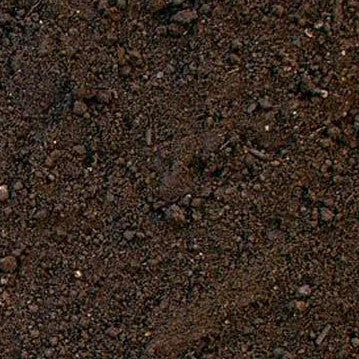
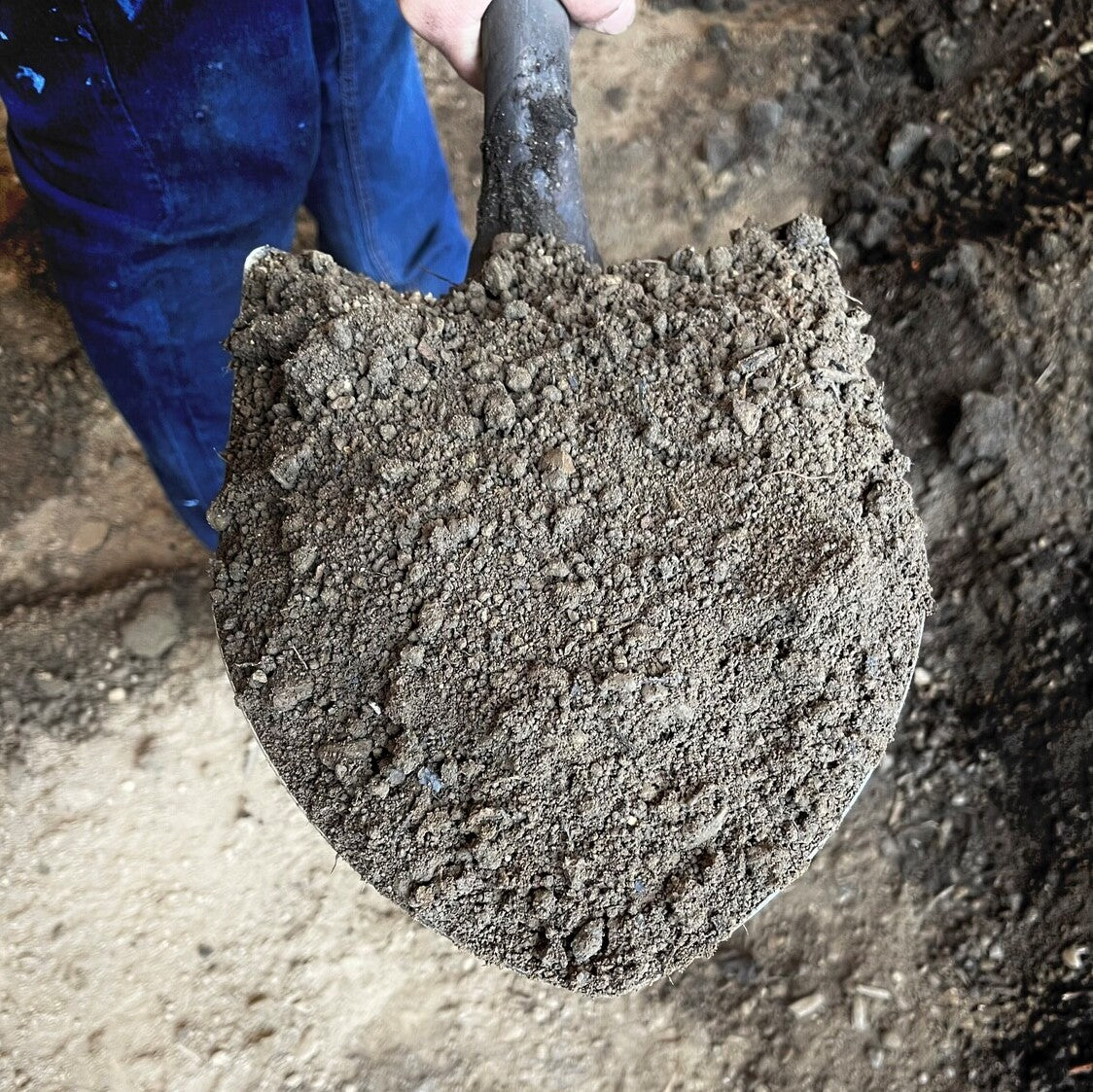
Quality topsoil for lawns, gardens, and landscape projects. Nutrient rich and ready to support strong root development and healthy plant establishment.
Ordered the planting mix with an early Saturday delivery. Super easy ordering experience. Dirt was delivered on time and delivery driver was kind enough to let us know I would take up more room than we though so we could pull cars out of the garage. Will be ordering again
Tell us what you're looking for
Thanks! We received your request.
Something went wrong. Please try again.
How Much Material Do I Need?
For lawn topdressing in Laurinburg, a 1 to 2 inch layer is standard and allows warm-season grasses to grow through without smothering the existing turf. For new garden beds or raised planting areas, plan on 8 to 12 inches of blended soil to give Laurinburg's long growing season enough root depth to work with throughout the season.
Use our free soil calculator
What is a yard?
A yard is approximately 27 cubic feet. As a general guideline, one yard of material can cover an area of about 100-160 square feet at a 2-3 inch depth.
We can't take orders for this right now. Tell us what you need and we'll get back to you.
What do you need?
Thanks! We received your request.
Something went wrong. Please try again.
Hand-picked local yards
4,000+ regional deliveries
Dedicated support
Why order through Mulch Mound
The best local soil, without the guesswork.
We hand-pick and partner with the best yards in your region, keep only the ones our buyers rate well, and back each load with our guarantee.
Mulch Mound Guarantee
If your soil isn't the quantity or quality you ordered, we'll make it right.
About this soil
Quality topsoil for lawns, gardens, and landscape projects. Nutrient rich and ready to support strong root development and healthy plant establishment.
Ordered the planting mix with an early Saturday delivery. Super easy ordering experience. Dirt was delivered on time and delivery driver was kind enough to let us know I would take up more room than we though so we could pull cars out of the garage. Will be ordering again
How Much Material Do I Need?
For lawn topdressing in Laurinburg, a 1 to 2 inch layer is standard and allows warm-season grasses to grow through without smothering the existing turf. For new garden beds or raised planting areas, plan on 8 to 12 inches of blended soil to give Laurinburg's long growing season enough root depth to work with throughout the season.
Use our free soil calculator
What is a yard?
A yard is approximately 27 cubic feet. As a general guideline, one yard of material can cover an area of about 100-160 square feet at a 2-3 inch depth.
Ordered the planting mix with an early Saturday delivery. Super easy ordering experience. Dirt was delivered on time and delivery driver was kind e...
Read full review
Ordered the planting mix with an early Saturday delivery. Super easy ordering experience. Dirt was delivered on time and delivery driver was kind enough to let us know I would take up more room than we though so we could pull cars out of the garage. Will be ordering again
Measure your project area in feet, multiply length by width, then decide on the depth of soil you plan to add. For Laurinburg lawn leveling, 1.5 to 2 inches is a common depth, while raised garden beds typically need 8 to 12 inches of fresh soil to give roots enough room through the long growing season. Divide the total cubic feet by 27 to convert to cubic yards, and round up slightly to account for settling after Laurinburg's frequent rain events compact new soil over the first few weeks.
Soil Types We Deliver in Laurinburg
Laurinburg homeowners and landscapers rely on bulk soil delivery to build up yards, fill raised beds, and prep planting areas across this part of North Carolina. Our screened topsoil is available by the cubic yard, making it easy to order exactly what your project needs. Whether you are searching for bulk topsoil by the yard in Laurinburg or just need a few yards to level a lawn, we make delivery straightforward and affordable.
Screened Top Soil
Our screened topsoil is carefully processed to remove rocks, roots, and debris, leaving a fine and workable material ready for lawns, garden beds, and grading projects. It is nutrient rich and supports strong root development, making it a dependable choice for establishing new plantings in the sandy and clay-mixed soils common to this region of North Carolina.
Complete Your Outdoor Soil Project
Pairing bulk soil with a quality mulch layer keeps Laurinburg's sandy loam beds from drying out too fast between the wet and dry spells that characterize the local growing season. If your project includes pathways, borders, or drainage channels alongside the new planting areas, our stone and gravel options provide the structure and drainage capacity to complement your fresh soil work.
My Laurinburg yard has low spots that stay soggy after rain. Can fill soil fix that?
Low spots in Laurinburg yards often collect water because the sandy loam surface sits above a slightly compacted or clay-mixed subsoil layer that slows drainage. Adding graded fill soil to raise those areas back to the surrounding grade helps water flow toward proper drainage paths instead of pooling. For severe problem spots, combining a soil grade correction with a gravel sub-base can make a lasting difference.
Answer
What kind of soil should I use for a raised vegetable bed in Laurinburg?
For raised beds in Laurinburg, a blended garden soil that combines topsoil, compost, and some coarse material gives you the moisture retention and drainage balance that sandy loam alone cannot provide. Laurinburg's long growing season means your vegetable beds are in heavy production from late March through October, and that level of sustained planting demands a rich, well-structured growing medium that holds nutrients between waterings and feedings.
Answer
How much soil do I need to level my Laurinburg lawn?
For lawn leveling in Laurinburg, most homeowners need between 1 and 3 inches of topdress soil spread across uneven areas. Because Laurinburg's warm-season grasses like Bermuda and centipede grow aggressively once temperatures rise above 70 degrees in April and May, a spring leveling project gives the grass time to grow through the new soil layer before summer heat sets in. Calculate the area in square feet, multiply by your desired depth in feet, and divide by 27 to get cubic yards.
Answer
When is the best time of year to add soil to Laurinburg garden beds?
Late February through mid-March is ideal for adding soil to Laurinburg garden beds before the last frost date around March 20. This timing lets the new soil settle, allows any compost to begin activating, and has beds ready for transplanting right when the growing window opens. A second round of soil amendment in early fall around September sets up beds for cool-season crops and prepares them for winter cover crops.
Answer
Will regular topsoil work for a new lawn in Laurinburg, or do I need something special?
Standard topsoil works well as a base layer for new lawns in Laurinburg, especially when spread 4 to 6 inches deep over compacted subsoil. Laurinburg's warm-season grasses establish quickly in sandy loam once they have a good topsoil layer to root into. If the existing soil is extremely poor or compacted, mixing in a compost amendment with your topsoil before seeding or sodding significantly improves first-season establishment.
Answer
Can I use fill soil around my foundation in Laurinburg?
Yes, grading soil away from your foundation is an important step in Laurinburg where 49 inches of annual rainfall means water is regularly working its way toward structures. A proper slope of roughly 6 inches of drop over the first 10 feet away from the foundation directs water away from your crawl space or slab. Use a compactable fill soil for this work rather than loose garden blend, which settles unevenly and can create low spots over time.
Answer
Does the clay and sandy mix in Laurinburg cause problems when I add new garden soil on top?
Laurinburg's native profile can vary across a single property, with sandy loam near the surface transitioning to denser, clay-influenced subsoil in some areas. When you add a quality garden soil layer on top without addressing a heavy clay subsoil beneath, you can create a perched water table that keeps roots wet between rains. Tilling the transition zone between new soil and the native ground, or adding coarse material to improve the interface, helps water move through the full soil profile more consistently.
Mulch Mound Pro Tip
Laurinburg's growing season runs from late March through early November, which is a long stretch of active plant growth that exhausts soil nutrients faster than cooler climates. When you bring in fresh topsoil or garden blend, mix in a slow-release granular fertilizer at the time of installation rather than waiting until plants show signs of deficiency. Getting nutrients into the soil at the start sets a strong foundation for the entire growing season without repeated feeding throughout the summer.
Mulch Mound Pro Tip
Before having bulk soil delivered for a lawn leveling project, mow your existing grass as short as possible. In Laurinburg, warm-season grasses like Bermuda and centipede spread aggressively once soil temperatures rise in May, and short grass allows the new soil layer to make direct contact with the turf canopy. This improves the grass's ability to grow up through the topdress layer and gives you a smoother, more even result by midsummer.
Mulch Mound Pro Tip
If you are filling raised beds for vegetables in Laurinburg, the long humid summers here create ideal conditions for soil-borne disease if drainage within the bed is poor. Use a blended soil with compost and some coarse material like perlite rather than straight topsoil. Good aeration in the root zone prevents the kind of waterlogging that invites root pathogens common in the hot, wet conditions typical of Laurinburg from June through August.
The Unique Landscape of Laurinburg
Laurinburg sits on native sandy loam that drains well but lacks the organic depth needed to support lush garden beds, raised vegetable plots, or a thick and even lawn. The long growing window between the March 20 last frost and the November 1 first frost gives plants plenty of time to establish, but they need the right soil base to take full advantage of that season. Bulk topsoil or blended garden soil fills in low spots left by drainage flow, supports grade corrections on Laurinburg's mostly flat terrain, and gives new planting areas a nutritional head start. With 49 inches of annual rainfall, areas of standing water are common on properties where the subsoil has compacted or where clay pockets mix into the sandy loam profile. Bringing in quality fill soil or amended blend addresses both the drainage and the fertility gaps that Laurinburg's native ground regularly presents.