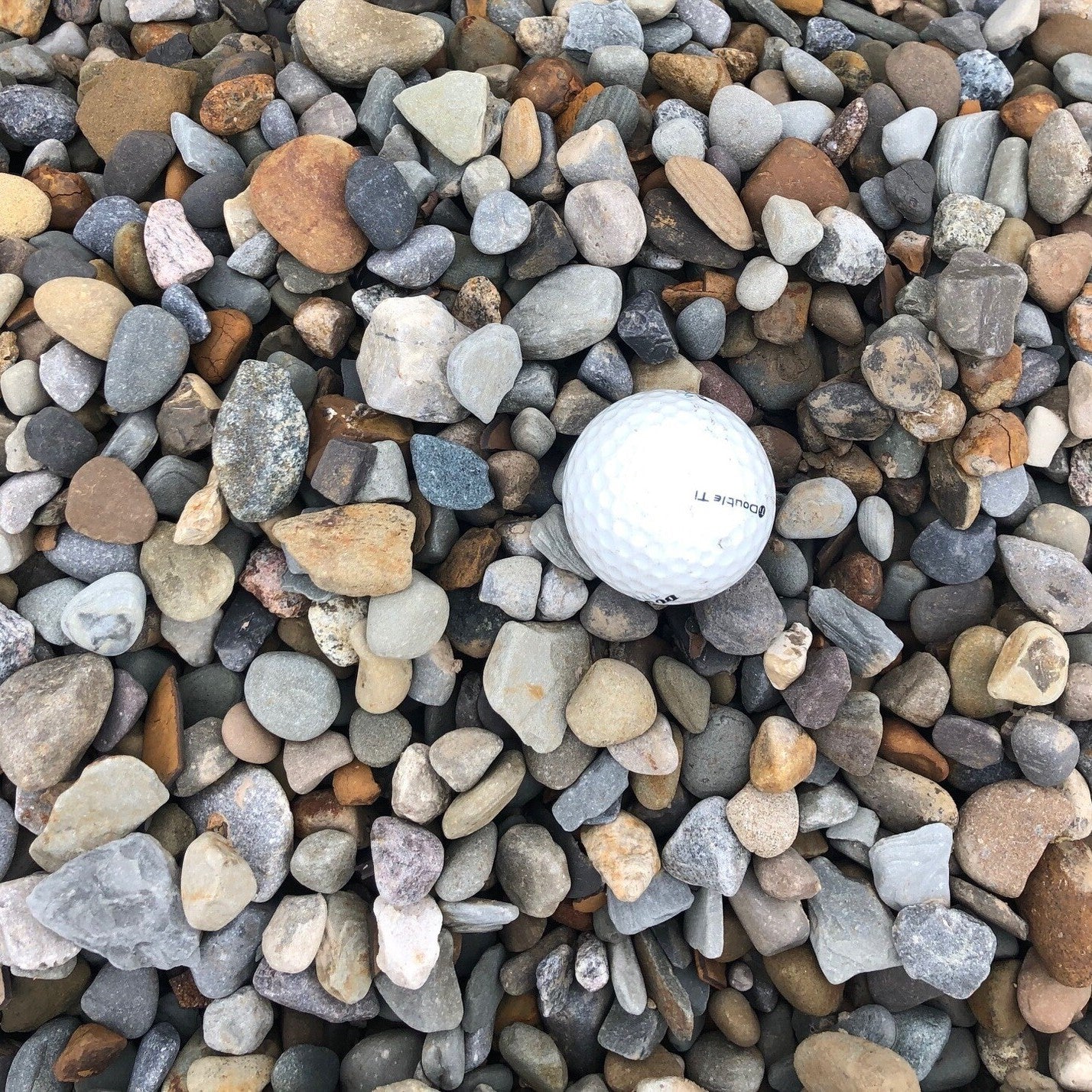
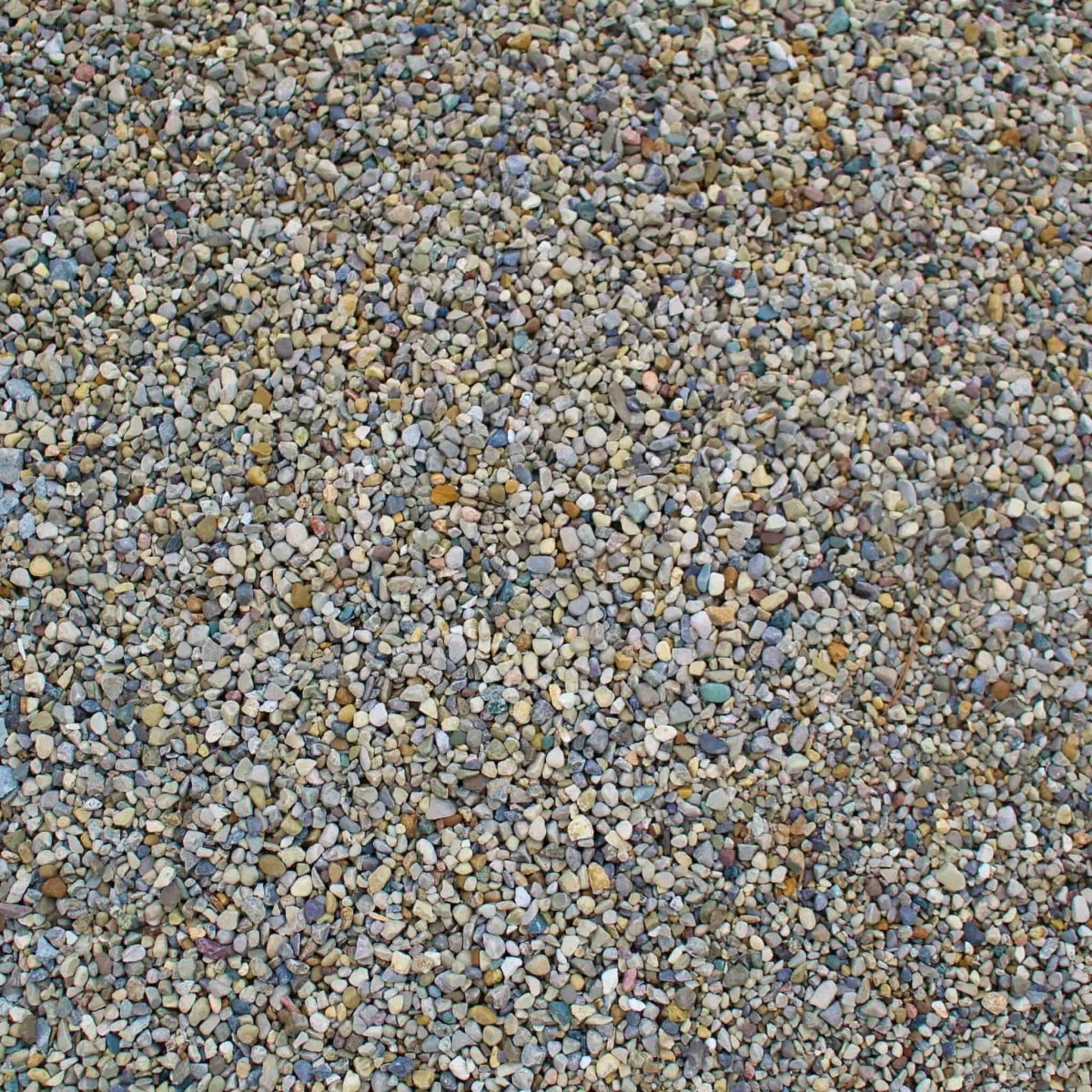
Number 57 crushed stone, angular limestone graded to about three quarters of an inch. The standard driveway, base and drainage gravel, it locks together under traffic and drains fast.
I used Mulch Mound to have 3 cubic yards of garden soil delivered. The process was easy and I love that I didn't have to call anyone. I placed my order online, picked my delivery date, laid out my tarp and the dirt was delivered. My delivery had to be pushed back, but I was ke...
Tell us what you're looking for
Thanks! We received your request.
Something went wrong. Please try again.
How Much Material Do I Need?
A 3-inch depth is the standard for decorative stone and pathway gravel in Laurinburg, providing enough coverage to suppress weeds and look full without requiring excessive material. For drainage trenches and dry creek beds handling Laurinburg's storm runoff, a 4 to 6 inch depth of properly sized gravel ensures water can move through the stone quickly enough to handle high-flow rain events without backing up.
Use our free gravel calculator
What is a yard?
A yard is approximately 27 cubic feet. As a general guideline, one yard of material can cover an area of about 100-160 square feet at a 2-3 inch depth.
We can't take orders for this right now. Tell us what you need and we'll get back to you.
What do you need?
Thanks! We received your request.
Something went wrong. Please try again.
Hand-picked local yards
4,000+ regional deliveries
Dedicated support
Why order through Mulch Mound
The best local stone, without the guesswork.
We hand-pick and partner with the best yards in your region, keep only the ones our buyers rate well, and back each load with our guarantee.
Mulch Mound Guarantee
If your stone isn't the quantity or quality you ordered, we'll make it right.
About this stone
Number 57 crushed stone, angular limestone graded to about three quarters of an inch. The standard driveway, base and drainage gravel, it locks together under traffic and drains fast.
I used Mulch Mound to have 3 cubic yards of garden soil delivered. The process was easy and I love that I didn't have to call anyone. I placed my order online, picked my delivery date, laid out my tarp and the dirt was delivered. My delivery had to be pushed back, but I was ke...
How Much Material Do I Need?
A 3-inch depth is the standard for decorative stone and pathway gravel in Laurinburg, providing enough coverage to suppress weeds and look full without requiring excessive material. For drainage trenches and dry creek beds handling Laurinburg's storm runoff, a 4 to 6 inch depth of properly sized gravel ensures water can move through the stone quickly enough to handle high-flow rain events without backing up.
Use our free gravel calculator
What is a yard?
A yard is approximately 27 cubic feet. As a general guideline, one yard of material can cover an area of about 100-160 square feet at a 2-3 inch depth.
I used Mulch Mound to have 3 cubic yards of garden soil delivered. The process was easy and I love that I didn't have to call anyone. I placed my o...
Read full review
I used Mulch Mound to have 3 cubic yards of garden soil delivered. The process was easy and I love that I didn't have to call anyone. I placed my order online, picked my delivery date, laid out my tarp and the dirt was delivered. My delivery had to be pushed back, but I was kept informed via text, which was great. So why not 5 stars? The description of garden soil on the website is "A balanced mix of topsoil and organic amendments ready for raised beds, flower gardens, and new planting areas. Good drainage, solid nutrients, easy to work with." What I got was more like fill dirt. It had a lot of gravel, a lot of clay, and random trash mixed in. I didn't test the soil to see if it actually had "amendments" because I already have compost and alpaca manure ready to add, but if I'd known the quality of the dirt was going to be the same as the bagged dirt I bought last year, I probably would have gotten 2 yards of top soil and a yard of leaf compost for better quality, especially since the leaf compost is cheaper. Photo of my mountain of dirt and just some of the trash I found in it.
Measure your project area in length and width, multiply to get square footage, then decide on your target depth. Most decorative gravel applications in Laurinburg work well at 3 inches of depth, while drainage applications typically need 4 to 6 inches for adequate water movement. Divide your total cubic feet by 27 to find cubic yards, and keep in mind that angular stone packs tighter than rounded stone, so crusher run or angular fill installations may need slightly less material than rounded river rock projects of the same dimensions.
Stone Types We Deliver in Laurinburg
Mulch Mound delivers bulk stone by the cubic yard straight to homes and properties across Laurinburg, saving you the hassle of hauling material yourself. Whether you are searching for bulk gravel by the yard in Laurinburg or planning a larger landscaping project, we make it simple to get exactly what you need. Our delivery covers a wide range of project sizes, from small garden updates to full yard renovations.
Pea Gravel
Pea gravel is a go-to choice for Laurinburg homeowners looking to add clean, polished character to outdoor spaces. Its smooth, rounded edges and warm earth tones complement the traditional cottage and ranch-style homes common across this part of North Carolina. It drains well in the region's clay-heavy soils and works beautifully along pathways, patios, and garden beds.
Complete Your Outdoor Stone Project
Stone borders and gravel pathways look best when paired with well-defined planting beds filled with quality soil and finished with a layer of coordinating mulch, and we carry both bulk soil and mulch to complete your Laurinburg landscape project in a single delivery. Adding stone edging around mulched beds also keeps Laurinburg's frequent heavy rains from displacing mulch out of beds and onto lawns or hardscape areas.
In Laurinburg, summer weeds grow fast and aggressively from April through October, and thin gravel applications give them just enough soil contact to push through. Installing gravel at a full 3 to 4 inch depth over a woven landscape fabric is the only reliable way to keep weed pressure manageable long-term without resorting to repeated chemical treatments. Skimping on depth to save material costs usually means redoing the project within two growing seasons.
Mulch Mound Pro Tip
Crusher run compacts into an extremely firm surface over time and works well as a base for patios, parking pads, and heavy-use pathways in Laurinburg. Because Zone 8a rarely sees hard ground freeze, the freeze-thaw heave that breaks up paved surfaces in northern climates is not a major concern here at 218 feet elevation, which means a well-compacted crusher run base holds its shape season after season. Wet it down and tamp it in 2-inch lifts for the best long-term result.
Mulch Mound Pro Tip
With 49 inches of annual rainfall in Laurinburg, directing stormwater away from structures and planting beds is a constant challenge for homeowners in Scotland County. A dry creek bed built with river rock or rounded gravel is one of the most attractive and functional drainage solutions available, channeling heavy runoff along a defined path instead of letting it sheet across the lawn. Size the creek bed generously, at least 18 to 24 inches wide and 6 to 8 inches deep, to handle the peak flow from Laurinburg's most intense summer storms.
The Unique Landscape of Laurinburg
Stone and gravel are some of the most practical landscape materials you can add to a Laurinburg property, where 49 inches of annual rainfall creates real drainage challenges across a wide range of soil profiles. Laurinburg's sandy loam surface can shift and erode along slopes and driveway edges after heavy summer storms, and a well-placed stone border or gravel channel redirects that water before it carves ruts or undermines planting beds. Low-maintenance stone areas are also well-suited to Zone 8a's long, hot growing season, where weeds grow aggressively from April through October and gravel beds slow that growth without requiring seasonal mulch refreshes. Stone pathways and decorative gravel areas stay intact through Laurinburg's freeze-thaw cycles, which are minimal given the first frost rarely arrives before November 1 and hard ground freeze is uncommon at 218 feet elevation. Whether you are creating a dry creek bed for drainage, a stone pathway through a shaded yard, or a clean gravel border around a foundation, stone delivers durability that organic materials simply cannot match in Laurinburg's active weather climate.
Frequently Asked Questions
Click a question to see the answer
Answer
What type of stone is best for controlling drainage issues in my Laurinburg yard?
For drainage work in Laurinburg, number 57 washed gravel or clean crushed stone is the standard choice. These materials have enough void space between the particles to move water quickly without clogging under pressure. Laurinburg averages 49 inches of rainfall per year and much of it falls in concentrated summer thunderstorms, so using a properly sized drainage stone rather than fine gravel or pea stone ensures your drainage channels keep up with high-volume flow.
Answer
Will stone landscaping hold up to Laurinburg's summer storms?
Stone is one of the most storm-resistant landscape materials available, which makes it a smart choice for Laurinburg properties. Unlike mulch, gravel does not float or shift significantly in heavy rain when it is installed at the right depth, typically 3 to 4 inches over a compacted base or landscape fabric. For sloped areas, larger river rock or angular crushed stone provides even more resistance to displacement during the intense summer storms that hit Scotland County.
Answer
Can I use gravel to replace a lawn area that I do not want to maintain anymore?
Gravel is a popular lawn alternative in Laurinburg precisely because Zone 8a's long growing season makes grass maintenance relentless from April through October. A gravel ground cover over landscape fabric cuts out mowing, watering, and fertilizing in that area entirely. Plan on a 3 to 4 inch depth for good weed suppression, and choose a decorative gravel like pea stone or river pebble for areas where appearance matters.
Answer
What stone works best for a backyard pathway in Laurinburg?
For pathways in Laurinburg, pea gravel and decomposed granite are both popular because they compact underfoot and drain instantly after rain. Given Laurinburg's frequent summer showers, a pathway material that sheds water quickly prevents the muddy, slippery surface you get with organic materials over wet sandy loam soil. Installing a 4-inch base of crusher run under your pathway gravel adds stability and prevents the path from developing soft spots over time.
Answer
How do I keep gravel from mixing into Laurinburg's sandy loam soil over time?
The best approach is to install a quality woven landscape fabric under your gravel before placing the stone. Laurinburg's sandy loam is loose enough that without a barrier, stone will gradually sink into the soil and the two materials will mix, reducing the effectiveness of your installation. Fabric keeps them separated, allows water to pass through freely, and extends the life of your gravel application significantly over the years.
Answer
Is stone a good choice for erosion control on slopes in my Laurinburg yard?
Stone is one of the most effective erosion control tools for Laurinburg slopes, where heavy summer rain events hit sandy loam that does not have a lot of natural structure to resist surface movement. Angular crushed stone or river rock placed along drainage paths, downhill edges of planting beds, and slopes creates a stable surface that absorbs raindrop impact and prevents the rill erosion that bare sandy loam is prone to. For steeper slopes, larger rock sizes in the 4 to 8 inch range provide the anchor weight needed to stay in place.
Answer
Can I use decorative stone around my foundation in Laurinburg?
Stone borders around foundations are a great fit for Laurinburg homes. They create a clean drainage buffer that moves water away from the structure during frequent rain events, and they do not break down like organic mulch does against the constant moisture near a foundation edge. Use a washed gravel or smooth river pebble in a 2 to 3 foot wide band around the perimeter and maintain a slight slope away from the foundation to keep water moving in the right direction.
Answer
Is crush and run the same as crusher run?
Many Laurinburg homeowners ask about crush and run because it compacts tightly for driveways and paver bases, thanks to the stone dust mixed in with the crushed rock. Given the heavy rainfall and sandy loam soil common here, our Crushed Stone #57 is often the better choice since it drains freely and resists washout along slopes and edges.