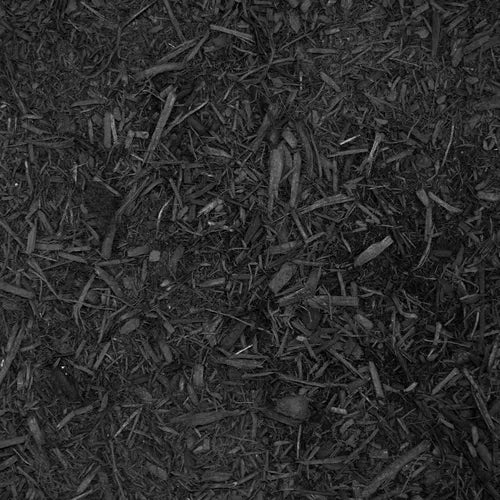
Warm brown double shredded mulch with lasting color that looks freshly applied for weeks. Spreads smooth, stays put, and gives beds a natural, polished appearance.
Good quality, great price, fast delivery. All online - no submitting forms and waiting for days for quotes. Getting mulch should be this easy from everyone. Only Mulch Mound is ACTUALLY this simple.
Tell us what you're looking for
Thanks! We received your request.
Something went wrong. Please try again.
How Much Material Do I Need?
For most Lebanon garden beds over glacial till soil, a 3-inch application depth strikes the right balance between weed suppression and moisture management through the 40-inch annual rainfall cycle. Newly established beds or areas with heavy weed pressure may benefit from a full 4-inch layer in the first season before scaling back to a maintenance top-dressing annually.
Use our free mulch calculator
What is a yard?
A yard is approximately 27 cubic feet. As a general guideline, one yard of material can cover an area of about 100-160 square feet at a 2-3 inch depth.
We can't take orders for this right now. Tell us what you need and we'll get back to you.
What do you need?
Thanks! We received your request.
Something went wrong. Please try again.
Hand-picked local yards
4,000+ regional deliveries
Dedicated support
Why order through Mulch Mound
The best local mulch, without the guesswork.
We hand-pick and partner with the best yards in your region, keep only the ones our buyers rate well, and back each load with our guarantee.
Mulch Mound Guarantee
If your mulch isn't the quantity or quality you ordered, we'll make it right.
About this mulch
Warm brown double shredded mulch with lasting color that looks freshly applied for weeks. Spreads smooth, stays put, and gives beds a natural, polished appearance.
Good quality, great price, fast delivery. All online - no submitting forms and waiting for days for quotes. Getting mulch should be this easy from everyone. Only Mulch Mound is ACTUALLY this simple.
How Much Material Do I Need?
For most Lebanon garden beds over glacial till soil, a 3-inch application depth strikes the right balance between weed suppression and moisture management through the 40-inch annual rainfall cycle. Newly established beds or areas with heavy weed pressure may benefit from a full 4-inch layer in the first season before scaling back to a maintenance top-dressing annually.
Use our free mulch calculator
What is a yard?
A yard is approximately 27 cubic feet. As a general guideline, one yard of material can cover an area of about 100-160 square feet at a 2-3 inch depth.
Good quality, great price, fast delivery. All online - no submitting forms and waiting for days for quotes. Getting mulch should be this easy fr...
Read full review
Good quality, great price, fast delivery. All online - no submitting forms and waiting for days for quotes. Getting mulch should be this easy from everyone. Only Mulch Mound is ACTUALLY this simple.
I highly recommend Mulch Mound. The quality of the mulch is very good. The ordering system on their website makes it very easy. The delivery driver...
Read full review
I highly recommend Mulch Mound. The quality of the mulch is very good. The ordering system on their website makes it very easy. The delivery driver did a great job placing the mulch on the driveway. To finish off, the pricing was very reasonable as well.
They offered a quick turnaround and delivered high quality mulch at a reasonable price. They also dropped it off exactly where I told them to put i...
Read full review
They offered a quick turnaround and delivered high quality mulch at a reasonable price. They also dropped it off exactly where I told them to put it. Good service!
Before ordering, walk your beds and measure length and width in feet, then multiply to get square footage for each area. In Lebanon, where beds often wrap around rocky outcroppings or surface tree roots, it helps to break irregular shapes into smaller rectangles and add the totals together. Add 10 to 15 percent to your final number to account for settling and the slightly uneven terrain common on glacial till properties throughout the Upper Valley.
Mulch vs. No Mulch: The Difference
Lebanon's short growing season and heavy spring moisture create a climate where mulch breaks down faster than in warmer zones, which directly affects which type you choose for your beds. Natural hardwood mulch decomposes season after season into the glacial till soil and adds organic matter that the native soil badly needs to improve its structure. Dyed mulches break down at a similar rate but offer more consistent color through the growing season, which matters when curb appeal is the priority for a property in Lebanon.
Before
After
Best Mulch Choice for Lebanon Lawns
Most yards in the Lebanon area sit on Glacial Till type of soil. Lebanon's glacial till soil is naturally low in organic matter and tends to shed water rapidly during heavy rain events before slowly becoming waterlogged in low spots, making it a difficult base for plant beds without ongoing amendment. A consistent top-dressing of quality mulch begins the process of organic improvement from the surface down, feeding earthworm populations and gradually softening the compacted till layer that roots struggle to penetrate.
Hardwood Mulch
Shredded hardwood mulch is particularly well-suited to glacial till soil in Lebanon because its fine texture breaks down gradually into humus, directly improving the organic content that till soil lacks season after season. As it decomposes, it softens the surface layer of the bed and creates a transition zone where plant roots can establish more easily before hitting the denser native material beneath.
Mulch Types We Deliver in Lebanon
Mulch Mound delivers bulk mulch by the cubic yard to homes and properties across the region. Whether you are refreshing garden beds before a New Hampshire winter or cleaning up after the long mud season, bulk mulch delivery in Lebanon makes the job simple and affordable. Order the amount you need and we handle the hauling.
Dyed Black Mulch
Bold double shredded black mulch that creates sharp contrast against the light granite outcroppings and pale foundation plantings common across New Hampshire properties. The rich color holds up through freeze and thaw cycles and wet spring conditions. A strong choice for homeowners who want beds that stand out season after season.
Dyed Brown Mulch
Warm double shredded brown mulch with lasting color that blends naturally into the wooded, forested surroundings common across this part of New Hampshire. The smooth texture spreads easily around perennials and shrubs, and the dye formula holds its tone through wet spring and fall seasons. A reliable choice for a polished, maintained look.
Natural Brown Mulch
Undyed double shredded mulch with a warm, earthy tone that comes straight from the wood itself. The honest natural color pairs well with the rocky, organic soils found throughout this part of New Hampshire. A great fit for gardeners who prefer a subtle look that complements native plantings and woodland borders.
Complete Your Outdoor Mulch Project
If your beds need improved drainage or fertility before mulching, pair your mulch order with a delivery of bulk garden soil to amend Lebanon's dense glacial till from the root zone up. Add crushed stone as a border edging or beneath adjacent pathways to keep mulch contained and give your landscape a finished, year-round structure that holds up through freeze-thaw seasons.
In Lebanon, apply mulch after a good rain rather than before one whenever possible. Glacial till soil that is already moist will benefit most from having that moisture locked in immediately by a fresh mulch layer. Spreading mulch over bone-dry compacted till during a dry spell means the first rainfall must hydrate the mulch itself before any moisture reaches your plants. Watering your beds thoroughly the day before you spread is an easy workaround during dry stretches in July and August.
Mulch Mound Pro Tip
Pull mulch back a few inches from the base of all woody shrubs and tree trunks before Lebanon's winter sets in around late September. The freeze-thaw cycles that run through October and November can drive moisture from decomposing mulch directly into bark tissue, creating conditions for crown rot and fungal issues that are especially persistent in the Upper Valley's damp shoulder seasons. This simple habit protects your investment in established shrubs and young trees through Lebanon's long and variable freeze cycles.
Mulch Mound Pro Tip
Lebanon's 40 inches of annual rainfall is spread across the whole year, but late summer droughts between July and September are more common than many homeowners expect. A properly maintained 3-inch mulch layer can cut surface moisture evaporation by nearly half during those dry windows, reducing how often you need to hand-water your beds. Refreshing your mulch in early June rather than waiting until fall ensures maximum moisture retention benefit right when Lebanon gardens need consistent soil moisture the most.
Frequently Asked Questions
Click a question to see the answer
Answer
How deep should I apply mulch given the glacial till soil underneath my Lebanon beds?
In Lebanon's glacial till soil, which drains slowly and compacts easily, a 3-inch layer of mulch is ideal for most garden beds. Going deeper than 4 inches can trap too much moisture against plant crowns, which is a real concern given Lebanon's 40 inches of annual rainfall arriving in uneven pulses. A consistent 3-inch application insulates roots through Zone 5a winters while still allowing rainfall to permeate gradually into the dense soil below.
Answer
Will mulch break down faster because of Lebanon's wet springs and warm summers?
Yes, Lebanon's wet springs combined with the warmth of June and July do accelerate decomposition, particularly for finer-textured mulches like shredded hardwood. You can expect to top-dress beds annually to maintain the recommended 3-inch depth through the growing season. The upside is that decomposing mulch continuously feeds organic matter into glacial till soil, which desperately needs it to improve structure and fertility over time.
Answer
What is the best time of year to put mulch down in Lebanon, NH?
The ideal window in Lebanon is mid to late May, after the April 15 last frost date has safely passed and the soil has had a chance to warm up from the long winter. Applying mulch too early over cold glacial till soil can delay soil warming and slow root establishment for new plantings. A second light top-dressing in late September, just before the October 1 first frost, helps protect perennial roots through the winter months.
Answer
Does colored mulch hold up well through Lebanon winters and spring snowmelt?
Dyed mulch holds its color reasonably well through the growing season, but Lebanon's snowy winters and significant spring snowmelt can accelerate fading compared to more temperate climates. If color retention through the following spring is a priority, premium dyed hardwood mulch made with UV-stabilized colorants performs better than budget options. Natural hardwood mulch is a great alternative if you prefer the look to evolve naturally to a silver-gray as the season progresses.
Answer
I have a lot of tree roots near the surface in my Lebanon yard. Can mulch help protect them?
Glacial till soils in Lebanon often force tree roots to grow laterally near the surface because deeper penetration is limited by compacted material and occasional rock layers. Mulching over those surface root zones with 2 to 3 inches of material protects roots from mower damage, reduces soil compaction from foot traffic, and retains moisture during Lebanon's mid-summer dry stretches. Avoid piling mulch directly against tree bark to prevent the rot and fungal issues that are common in moist Upper Valley conditions.
Answer
How much mulch do I need for a typical Lebanon backyard garden bed?
A good rule of thumb is to measure the length and width of your beds in feet, multiply them together, and divide by 100 to get the cubic yards needed for a 3-inch application. Lebanon beds tend to be irregular in shape due to the rocky glacial terrain, so add about 10 percent extra to your estimate to account for uneven areas and low spots. Our calculator on this page makes the math easy once you have your measurements ready.
Answer
Is there a mulch type that works especially well for Lebanon's cold Zone 5a winters?
Shredded hardwood mulch is widely preferred in Zone 5a climates like Lebanon's because it knits together and stays in place during the freeze-thaw cycles that are common from November through March. Bark nuggets are attractive but tend to shift during heavy snowmelt and need repositioning each spring. For tender perennials and newly planted shrubs heading into their first Lebanon winter, shredded hardwood applied at 3 to 4 inches provides the most reliable root insulation through the coldest months.
The Unique Landscape of Lebanon
Lebanon's glacial till soil is dense, rocky, and notoriously resistant to moisture absorption, making mulch a critical tool for any homeowner trying to establish healthy plant beds. With only about 150 frost-free days between the last frost on April 15 and the first frost on October 1, plants in Lebanon have a compressed growing season and need every advantage they can get. The 40 inches of annual rainfall Lebanon receives sounds generous, but it arrives unevenly, and bare soil between showers can dry out quickly at 584 feet of elevation where wind exposure adds to moisture loss. A proper mulch layer buffers soil temperature swings that are common in Zone 5a, where late spring cold snaps can still damage newly emerging roots well into May. Mulch also helps break down the surface compaction that glacial till soils develop after heavy rain events, slowly introducing organic matter where it is needed most. For Lebanon homeowners, mulch is not just a finishing touch but a functional layer that extends the growing season and protects plants through the full arc of the Upper Valley's demanding climate.