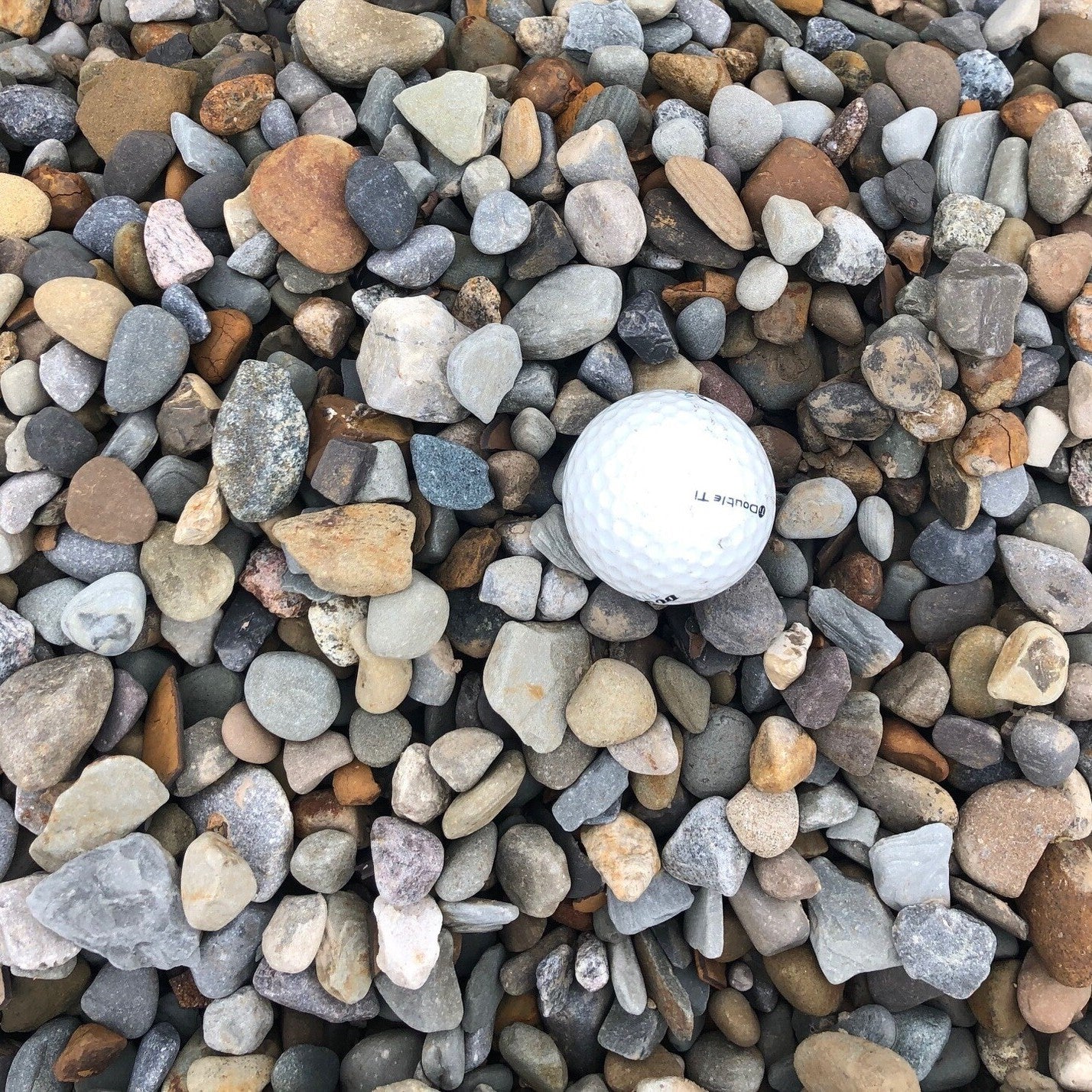
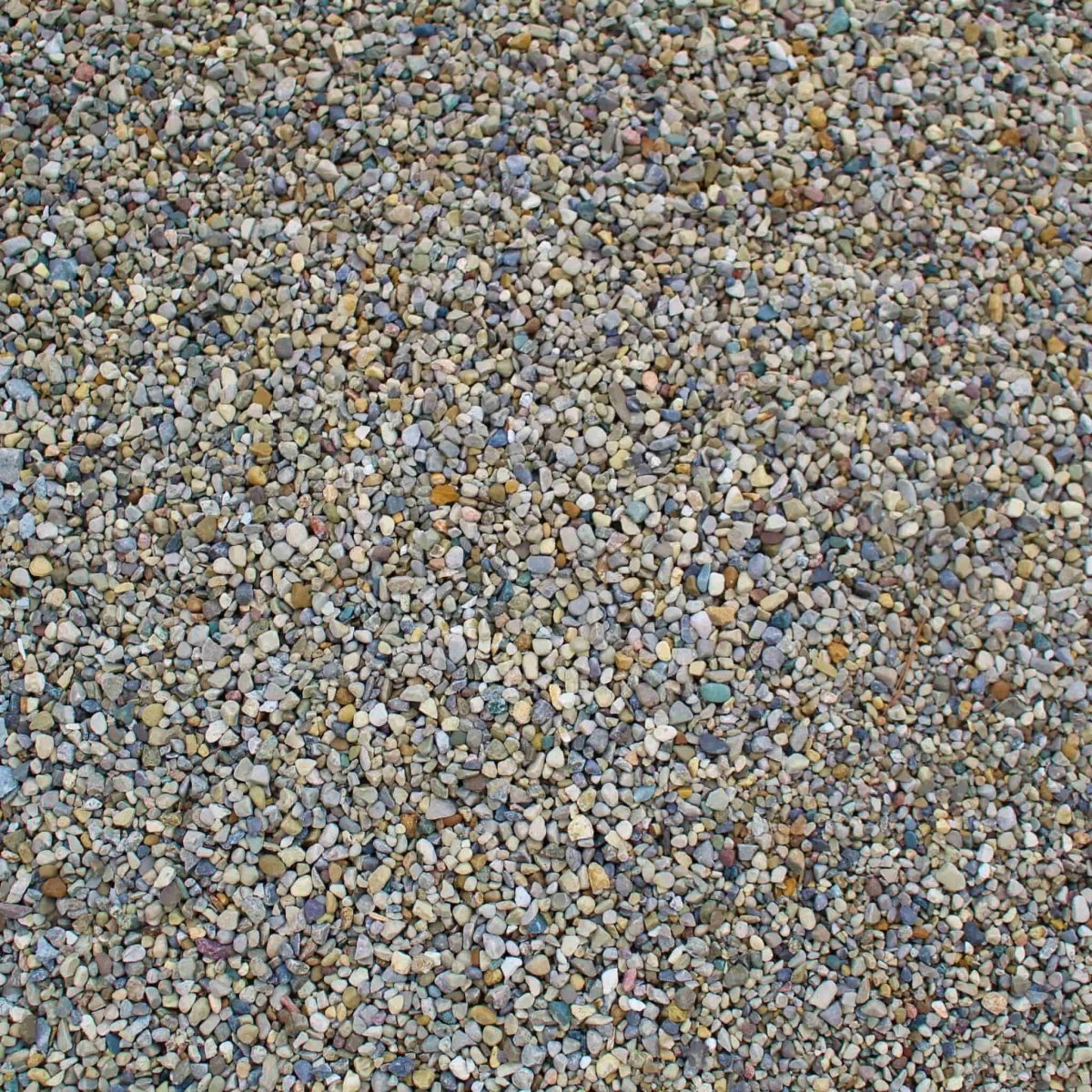
Number 57 crushed stone, angular limestone graded to about three quarters of an inch. The standard driveway, base and drainage gravel, it locks together under traffic and drains fast.
My experience with Mulch Mound was great and super easy. I ordered two yards of screened topsoil and was able to get it delivered within 2 days. They came in my requested time frame (afternoon) and dropped it off where I asked on my driveway. The topsoil was exactly what was a...
Tell us what you're looking for
Thanks! We received your request.
Something went wrong. Please try again.
How Much Material Do I Need?
For decorative stone applications in Lebanon, 2 to 3 inches of depth provides solid coverage and effective weed suppression through the growing season. Structural and drainage applications over glacial till typically require 4 to 6 inches to perform properly and remain stable through Lebanon's freeze-thaw seasons from October through April.
Use our free gravel calculator
What is a yard?
A yard is approximately 27 cubic feet. As a general guideline, one yard of material can cover an area of about 100-160 square feet at a 2-3 inch depth.
We can't take orders for this right now. Tell us what you need and we'll get back to you.
What do you need?
Thanks! We received your request.
Something went wrong. Please try again.
Hand-picked local yards
4,000+ regional deliveries
Dedicated support
Why order through Mulch Mound
The best local stone, without the guesswork.
We hand-pick and partner with the best yards in your region, keep only the ones our buyers rate well, and back each load with our guarantee.
Mulch Mound Guarantee
If your stone isn't the quantity or quality you ordered, we'll make it right.
About this stone
Number 57 crushed stone, angular limestone graded to about three quarters of an inch. The standard driveway, base and drainage gravel, it locks together under traffic and drains fast.
My experience with Mulch Mound was great and super easy. I ordered two yards of screened topsoil and was able to get it delivered within 2 days. They came in my requested time frame (afternoon) and dropped it off where I asked on my driveway. The topsoil was exactly what was a...
How Much Material Do I Need?
For decorative stone applications in Lebanon, 2 to 3 inches of depth provides solid coverage and effective weed suppression through the growing season. Structural and drainage applications over glacial till typically require 4 to 6 inches to perform properly and remain stable through Lebanon's freeze-thaw seasons from October through April.
Use our free gravel calculator
What is a yard?
A yard is approximately 27 cubic feet. As a general guideline, one yard of material can cover an area of about 100-160 square feet at a 2-3 inch depth.
My experience with Mulch Mound was great and super easy. I ordered two yards of screened topsoil and was able to get it delivered within 2 days. Th...
Read full review
My experience with Mulch Mound was great and super easy. I ordered two yards of screened topsoil and was able to get it delivered within 2 days. They came in my requested time frame (afternoon) and dropped it off where I asked on my driveway. The topsoil was exactly what was advertised, clean with no rocks or other debris. The price was reasonable. I plan to use them again in a couple weeks to order compost for my garden beds.
Measure your project area in feet, multiplying length by width to get square footage, then decide on depth based on the application, 2 to 3 inches for decorative stone and 4 to 6 inches for driveways or drainage work in Lebanon. Lebanon's glacial till terrain often involves working with irregular slopes, so measure depth at the deepest point to ensure consistent coverage across the full area. Divide your cubic foot total by 27 to get cubic yards, then add about 10 percent to account for compaction loss and spillage during installation.
Stone Types We Deliver in Lebanon
Mulch Mound makes it simple to get bulk gravel by the yard in Lebanon, dropping quality stone right where your project needs it. Whether you are improving drainage around a New Hampshire foundation, laying a clean pathway, or dressing up a garden bed, we deliver by the cubic yard to fit the scale of your job. Our team serves Lebanon and the surrounding Upper Valley with straightforward scheduling and honest bulk pricing.
Pea Gravel
Smooth and rounded, pea gravel is one of the most popular choices for Lebanon homeowners who want a clean, low-maintenance ground cover. Its natural earth tones complement the wooded, understated landscape style common to this part of New Hampshire, and its permeability helps manage the region's wet spring conditions around patios, paths, and planting beds.
Complete Your Outdoor Stone Project
Pair your stone delivery with bulk topsoil to grade and prepare any lawn or bed areas adjacent to your stone feature in Lebanon, ensuring proper drainage flow away from the installation. A layer of hardwood mulch in surrounding planting beds complements stone hardscaping and helps define edges clearly through the full growing season.
Before placing any stone feature in a Lebanon yard, lay a layer of professional-grade landscape fabric beneath the stone to prevent glacial till from migrating upward into your material over time. This is particularly important in Lebanon because till soil is fine-grained enough to slowly infiltrate stone layers through freeze-thaw action, reducing drainage capacity and causing decorative stone to look muddy within a few seasons. Avoid cheaper woven fabrics that degrade quickly in frost conditions and invest in a non-woven geotextile rated for cold northern climates.
Mulch Mound Pro Tip
When planning a stone pathway in Lebanon, align it to channel snowmelt naturally away from your house rather than across flat ground where glacial till will hold the water in place. Lebanon properties with till soil have limited natural absorption capacity, and a well-placed stone path can serve a functional drainage role during the heavy melt weeks of March and April. Thinking of your path layout as both a walkway and a surface drainage feature allows you to get more practical value from the same amount of material.
Mulch Mound Pro Tip
Lebanon's 40 inches of annual rainfall makes erosion control one of the strongest reasons to use stone on slopes and bare exposed areas around your property. A 3-inch layer of crushed stone on any slope steeper than 10 percent will dramatically reduce soil loss during the high-intensity rain events that move through the Upper Valley between May and September. Stone does not wash away the way mulch can during a heavy downpour, making it the more durable and lower-maintenance choice for exposed or sloped areas that take the full force of Upper Valley summer thunderstorms.
The Unique Landscape of Lebanon
Stone is one of the most practical and long-lasting landscape materials available to Lebanon homeowners, and it works exceptionally well with the region's glacial till terrain and demanding climate. Lebanon already sits on a foundation of glacially deposited rock, and using stone in the landscape feels native to the area in a way that other materials simply do not. With 40 inches of annual rainfall and freeze-thaw cycles that run from October through March in Zone 5a, stone pathways and drainage features hold up far better than organic materials that shift, rot, or wash away with seasonal changes. Stone also requires zero seasonal replacement, which is a meaningful advantage given how compressed Lebanon's maintenance window is between the April 15 last frost and October 1 first frost. Crushed stone and gravel are particularly valuable for drainage improvement over glacial till soil, which pools water during heavy spring rains rather than absorbing it efficiently. Whether you are building a pathway, controlling erosion on a slope, or creating a low-maintenance foundation border, bulk stone is one of the most durable investments a Lebanon homeowner can make in their landscape.
Frequently Asked Questions
Click a question to see the answer
Answer
What size crushed stone works best for drainage over Lebanon's glacial till soil?
For drainage applications over glacial till in Lebanon, crushed stone in the half-inch to three-quarter-inch range is the most effective choice for moving water away from problem areas. This size creates enough void space between pieces to carry water laterally rather than letting it pool over the slow-draining till below. Finer stone or pea gravel can migrate into the till over time and lose drainage effectiveness, so a coarser crushed product is worth the investment for French drains or dry well installations.
Answer
Will stone pathways shift or heave during Lebanon's freeze-thaw cycles?
Some movement is normal with any stone path in Zone 5a climates like Lebanon's, where the ground can freeze and thaw repeatedly between October and April. Larger, flatter stepping stones set on a compacted crushed stone base shift far less than loose surface gravel. If you use crushed stone for a walkway, plan to rake and re-level the surface in the spring after snowmelt, which is a quick and simple maintenance task compared to replacing rotted wood or repairing frost-cracked concrete.
Answer
How thick should a crushed stone layer be for a Lebanon driveway or parking area?
For a residential driveway in Lebanon, a minimum of 4 inches of compacted crushed stone base is standard, with 6 inches recommended on soft spots or areas where glacial till near the surface has poor load-bearing capacity. Lebanon's freeze-thaw cycles will gradually push stone upward over time, so starting with adequate depth reduces the frequency of top-dressing needed to maintain a functional surface. A geotextile fabric layer beneath the stone also helps prevent fine till particles from migrating up into your gravel surface over the years.
Answer
Can I use decorative stone around my foundation in Lebanon to help manage drainage?
Yes, and it is one of the most practical uses of stone on Lebanon properties where glacial till causes water to pool near foundations during spring snowmelt and heavy rain events. A 12 to 18-inch band of crushed stone or river gravel around the foundation, graded to direct water away from the house, helps surface water move away quickly before it can saturate the soil and work toward the basement. This approach also eliminates the need to mulch foundation beds, reducing rot risk against wood siding and trim.
Answer
What is the difference between river stone and crushed stone for a Lebanon landscape project?
River stone has smooth, rounded edges from water erosion and is primarily used for decorative applications like dry creek beds, accent areas, and ornamental borders in Lebanon landscapes. Crushed stone has angular edges that lock together tightly when compacted, making it far superior for structural uses like driveways, drainage trenches, and pathway bases. For most Lebanon drainage projects over glacial till, crushed angular stone is the functional choice, while river stone is the finishing material for visible aesthetic areas.
Answer
How do I keep decorative stone from spreading out of my Lebanon garden beds over time?
Edging is the key to keeping decorative stone contained in Lebanon garden beds, especially where foot traffic, snowplow contact, or heavy rain can push stone outward over time. Steel, aluminum, or composite landscape edging installed at least 3 inches deep will hold stone in place through Lebanon's freeze-thaw cycles better than plastic edging, which tends to heave and loosen over a few winters. A slightly recessed stone bed, with the surrounding lawn grade a half-inch higher than the stone surface, also naturally encourages stone to stay in place.
Answer
How much stone do I need for a small pathway in my Lebanon yard?
For a simple crushed stone path in Lebanon, measure the length and width in feet and multiply to get square footage. A 2 to 3-inch depth is typical for a decorative path, while a functional high-traffic walkway benefits from 3 to 4 inches of compacted stone to handle the freeze-thaw movement common in Zone 5a. Divide your cubic foot total by 27 to convert to cubic yards, and our calculator on this page makes the full estimation quick and straightforward.
Answer
What is stone dust used for?
Homeowners often ask about stone dust for setting pavers or packing a firm path base, since it compacts tight and screens down to a fine texture. With Lebanon's freeze-thaw cycles and heavy rainfall, though, a project needing real drainage calls for something different, which is why we deliver Crushed Stone #57 here, sized to let water pass through instead of holding it.