




Good quality top soil and was delivered exactly where I wanted it. Nice Job!
About this soil
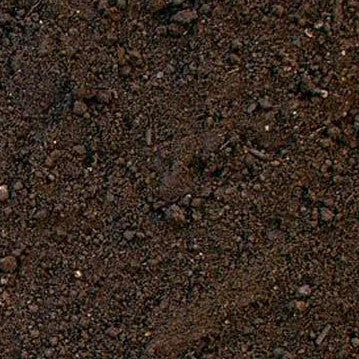
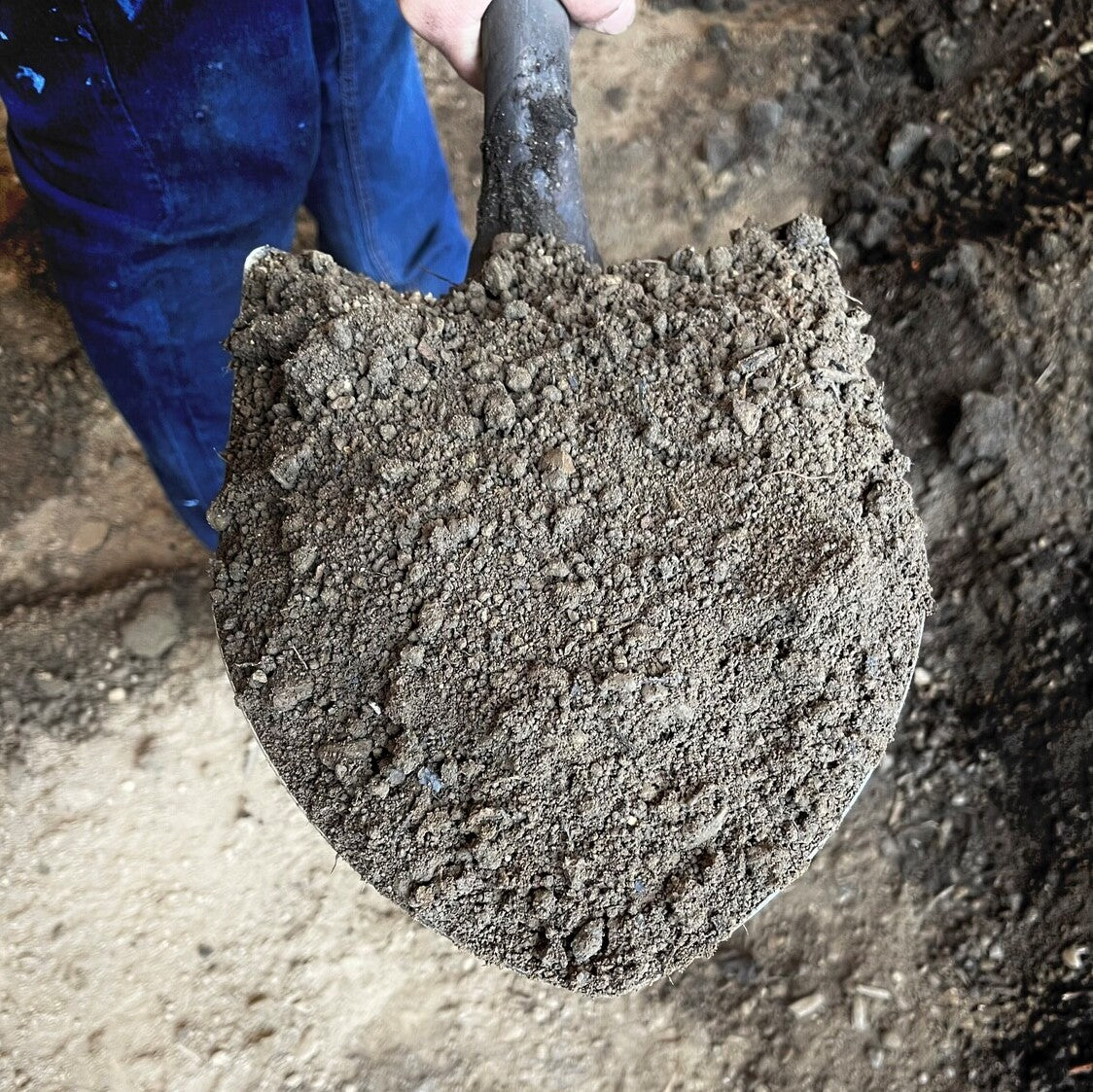
Quality topsoil for lawns, gardens, and landscape projects. Nutrient rich and ready to support strong root development and healthy plant establishment.
Good quality top soil and was delivered exactly where I wanted it. Nice Job!
Tell us what you're looking for
Thanks! We received your request.
Something went wrong. Please try again.
How Much Material Do I Need?
How Much Material Do I Need?
New garden beds in Lebanon over glacial till typically need 8 to 10 inches of added soil to give plant roots a healthy growing zone before hitting the native material below. For lawn topdressing or leveling frost-heave damage, a 1 to 2-inch application is usually sufficient to smooth grades without burying existing turf.
Use our free soil calculator
What is a yard?
What is a yard?
FAQs
FAQs
Lebanon Soil Delivery
Lebanon Soil Delivery
Regular price
$80.00
per
yard
Regular price
Sale price
$80.00
Unit price
per
Shipping calculated at checkout.
Minimum of 3 yard
Couldn't load pickup availability
Not currently available
We can't take orders for this right now. Tell us what you need and we'll get back to you.
Hand-picked local yards
4,000+ regional deliveries
Dedicated support
Why order through Mulch Mound
The best local soil, without the guesswork.
We hand-pick and partner with the best yards in your region, keep only the ones our buyers rate well, and back each load with our guarantee.
Mulch Mound Guarantee
If your soil isn't the quantity or quality you ordered, we'll make it right.
About this soil
Quality topsoil for lawns, gardens, and landscape projects. Nutrient rich and ready to support strong root development and healthy plant establishment.
Good quality top soil and was delivered exactly where I wanted it. Nice Job!
How Much Material Do I Need?
How Much Material Do I Need?
New garden beds in Lebanon over glacial till typically need 8 to 10 inches of added soil to give plant roots a healthy growing zone before hitting the native material below. For lawn topdressing or leveling frost-heave damage, a 1 to 2-inch application is usually sufficient to smooth grades without burying existing turf.
Use our free soil calculator
What is a yard?
What is a yard?
FAQs
FAQs
Tell us what you're looking for
Thanks! We received your request.
Something went wrong. Please try again.
How It Works
Getting started is easy — just follow these simple steps
1
Choose your soil
Make sure you adjust the quantity to your home's needs. You can use our calculator to estimate how much you'll need.
2
Select your delivery date
Select a delivery date you'd like for the product to be dropped off at your home
3
Sit back and wait
Sit back, wait, and let us work our magic to make sure the highest quality product is delivered to your driveway.

Online ordering was really simple and I liked the transparent pricing.

Easy to order, great service, and great product. We enjoy the final look of a very neglected beds we inherited!
Need Help Calculating How Much Soil You Need?
Use our NEW Trace from Satellite tool to get an estimate for your project based on an aerial view of your property
Try Our CalculatorMeasure each area you plan to fill or amend in feet, including length, width, and the desired depth of new soil. Lebanon properties often have irregular grades left over from glacial activity, so measure at the deepest spots rather than averaging, to make sure you have enough material to achieve a consistent finished surface. Convert your cubic foot total to cubic yards by dividing by 27, and add 10 to 15 percent extra for settling and the inevitable waste that comes with working around rocks and roots.
Soil Types We Deliver in Lebanon
Mulch Mound brings bulk soil delivery straight to Lebanon homeowners, gardeners, and landscapers who need quality material by the yard without hauling it themselves. Whether you are building up a new lawn, filling raised beds, or restoring a tired planting area, ordering bulk topsoil by the yard in Lebanon is the most efficient way to get the job done. We deliver loose cubic yards so you get exactly the volume your project calls for.
Screened Top Soil
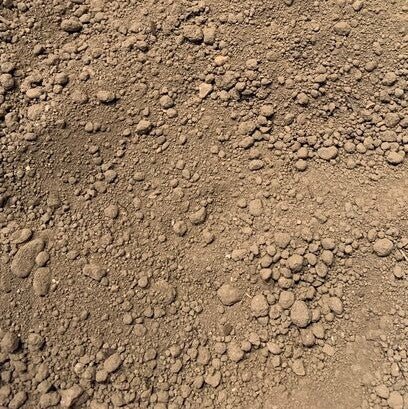
Our screened topsoil is finely processed to remove rocks, roots, and debris, leaving a clean and workable growing medium that performs well in New Hampshire's variable climate. It is nutrient rich and ready to support strong root development, making it a reliable choice for new lawn installations, garden beds, and general grading work around Lebanon homes.
Complete Your Outdoor Soil Project
After grading and filling with bulk soil, top your new beds with a layer of hardwood mulch to protect the investment through Lebanon's 40-inch annual rainfall and prevent erosion on freshly disturbed ground during spring storms. Crushed stone borders help define bed edges and keep soil in place during the heavy Upper Valley rain events that can wash fine topsoil off exposed areas quickly.


Mulch Mound Pro Tip
Do not work your new soil when it is wet from spring snowmelt or recent rain. In Lebanon, the ground can look ready in early May but still be saturated below the surface after a long winter. Working saturated soil destroys its structure and creates a compacted layer that roots will struggle to penetrate all season long. Do a simple squeeze test: grab a handful and squeeze it tightly. If it crumbles apart when you open your hand, it is ready to work. If it holds a solid shape, wait a few more days.
Mulch Mound Pro Tip
When filling raised beds in Lebanon, leave an inch of space between the soil surface and the top of the bed frame. This prevents soil from washing over the edge during the heavy spring and summer rain events common in the Upper Valley and gives you room to add a thin compost top-dressing each year without overflowing. Raised beds warm faster than in-ground beds in Lebanon's slow-to-warm Zone 5a spring, so maximizing that warmth with a well-filled, properly structured bed gives your plants a real head start.
Mulch Mound Pro Tip
On sloped Lebanon properties, grade new topsoil so the surface drains away from your foundation and any structures at a minimum of 1 inch of drop per foot for the first 6 feet away from the building. Glacial till underneath does not absorb water quickly, and new topsoil placed on top of it can become saturated and redirect runoff toward your basement during Lebanon's wetter months. Taking a few minutes to check your grade before you rake and seed will save significant headaches once the spring rains arrive.
The Unique Landscape of Lebanon
Lebanon's native glacial till is a mixed composition of silt, sand, gravel, and stones left behind by retreating glaciers, and while it gives the Upper Valley its character, it is not the ideal foundation for lawns or productive gardens. It compacts readily underfoot and after rain, drains poorly in low spots, and warms so slowly in spring that planting before mid-May is often risky even after the April 15 last frost date passes. Adding quality bulk topsoil or garden soil lets Lebanon homeowners create growing conditions that bypass the limitations of native till rather than fighting those limitations season after season. Grade work, raised beds, and lawn repairs all depend on having the right volume of good soil available, and buying in bulk is the most cost-effective way to get it. With 40 inches of rainfall annually, any new soil layer needs to be installed with drainage in mind, because adding soil over compacted till without proper grading can create a perched water table that drowns roots. Lebanon homeowners who invest in quality bulk soil set their landscapes up for measurably better results across the compressed Zone 5a growing season.