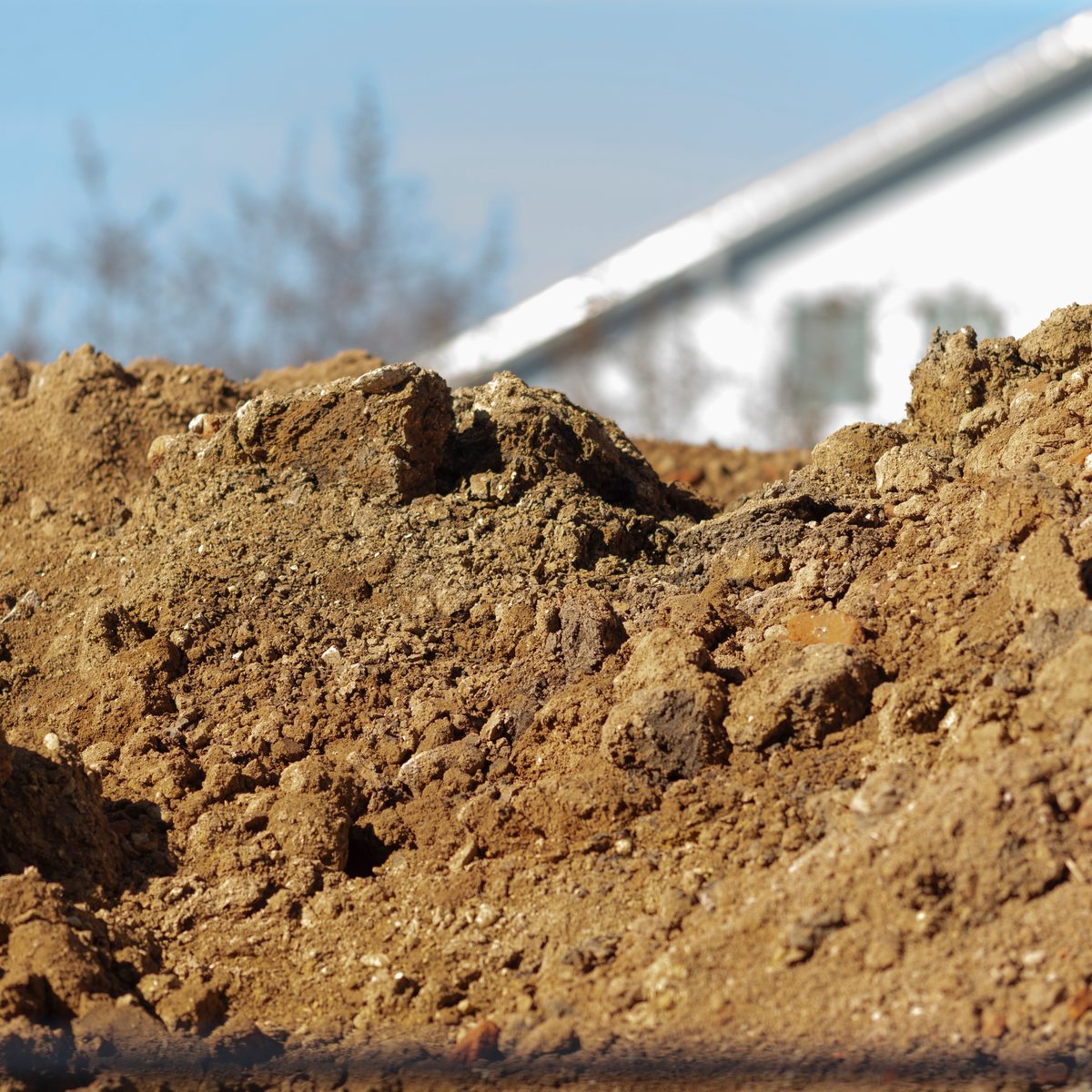
About this fill dirt

Screened fill dirt free of debris, for raising low ground and backfilling. Structural material, place it in lifts and compact as you go.

First time going with this company for mulch and it was an efficient process from start to finish. Website was easy—I told them exactly where I wanted the mulch put on my driveway, and it was delivered perfectly when I got home from work the next day. Best deal around when I c...

One cubic yard of fill dirt covers about 54 square feet at a 6 inch depth, and most structural fill jobs run 6 to 12 inches deep depending on how much grade you're correcting. For a typical 200 square foot low spot needing 8 inches of lift, plan on roughly 5 to 6 cubic yards, ordered and scheduled at checkout by the yard.

A yard is approximately 27 cubic feet. As a general guideline, one yard of material can cover an area of about 100-160 square feet at a 2-3 inch depth.

Lincoln Fill Dirt Delivery

Lincoln Fill Dirt Delivery

4.7
137 reviews
Regular price $38.00 per Yard
Regular price Sale price $38.00
Sale Sold out
Shipping calculated at checkout.
Type
Size
Hand-picked local yards
4,000+ regional deliveries
Dedicated support
Why order through Mulch Mound

The best local fill dirt, without the guesswork.

We hand-pick and partner with the best yards in your region, keep only the ones our buyers rate well, and back each load with our guarantee.

Mulch Mound Guarantee

If your fill dirt isn't the quantity or quality you ordered, we'll make it right.

About this fill dirt

Screened fill dirt free of debris, for raising low ground and backfilling. Structural material, place it in lifts and compact as you go.

First time going with this company for mulch and it was an efficient process from start to finish. Website was easy—I told them exactly where I wanted the mulch put on my driveway, and it was delivered perfectly when I got home from work the next day. Best deal around when I c...

One cubic yard of fill dirt covers about 54 square feet at a 6 inch depth, and most structural fill jobs run 6 to 12 inches deep depending on how much grade you're correcting. For a typical 200 square foot low spot needing 8 inches of lift, plan on roughly 5 to 6 cubic yards, ordered and scheduled at checkout by the yard.

A yard is approximately 27 cubic feet. As a general guideline, one yard of material can cover an area of about 100-160 square feet at a 2-3 inch depth.

View full details

How It Works

Getting started is easy — just follow these simple steps

1

Choose your quantity

Adjust the quantity to match your project. One cubic yard covers about 100 to 160 square feet at a 2 to 3 inch depth.

2

Select your delivery date

Select a delivery date you'd like for the product to be dropped off at your home

3

Sit back and wait

Sit back, wait, and let us work our magic to make sure the highest quality product is delivered to your driveway.

From The Mouths of Lincoln Folks

4.7
out of 5 based on 137 reviews
Google Reviews

Complete Your Outdoor Project

Most fill dirt jobs finish with a few inches of topsoil capping the surface, since fill itself isn't meant to grow anything. If you're backfilling near a foundation or pool wall, coarse sand or gravel underneath helps with drainage before the fill goes in. Mulch or sod usually comes last, once the topsoil layer is graded and settled.

Mulch Mound Pro Tip

Place fill dirt in lifts no deeper than 6 to 8 inches and compact each one before adding the next. Skipping this on Lincoln's silty clay loam is the number one reason people call us back a year later asking why their yard is sinking again. A plate compactor rented for an afternoon costs less than a second delivery to fix a settled spot.

Mulch Mound Pro Tip

Don't plant directly into fill dirt. It's subsoil, stripped of the organic matter that makes topsoil workable, and anything you plant will struggle or fail. Always cap fill with 4 to 6 inches of actual topsoil once you've reached your target grade and compacted it. Treat the fill as the bones of the job, not the finished surface.

Mulch Mound Pro Tip

If you're backfilling a large area, order fill dirt for the bulk of the depth and save topsoil for just the top layer, since topsoil costs more per yard and you don't need its organic content buried eight inches down. This split saves real money on bigger jobs without changing the finished result at all.

Grading and Filling in Lincoln

Lincoln sits on silty clay loam that already holds water and compacts unevenly, so low areas in a yard tend to stay soft and shift over seasons. Fill dirt gives you a structural base to correct that grade before anything gets planted or built on top. With freeze thaw cycles running from late April back to early October, uncompacted fill will heave and settle if it goes in loose, especially around foundations near the Capitol area's older clay-heavy lots. Compacting in lifts matters more here than in sandier regions.

What Clean Fill Is

Clean fill is screened subsoil free of debris, roots, and contaminants. It is made for volume and grade, and it compacts predictably, which is exactly what you want under slabs, in trenches, and behind walls.

Fill Dirt vs Topsoil

Fill dirt builds the shape of the ground, topsoil grows things on top of it. Bring the grade up with fill, then cap it with 4 to 6 inches of topsoil anywhere grass or plants are going in.

Compact in Lifts

Place fill in layers of 4 to 6 inches and compact each one before adding the next. Dumping the full depth at once leaves voids that settle later, and settling is the one problem fill is supposed to solve.

Frequently Asked Questions

Click a question to see the answer

Answer

Can I plant grass or a garden directly in fill dirt?

No, fill dirt is subsoil without the organic matter plants need, and it compacts too dense for root growth. Cap it with 4 to 6 inches of topsoil once you've reached your final grade and compacted the fill underneath. Planting straight into fill usually leads to poor drainage and stunted growth within a season.

Answer

How many cubic yards do I need to fill a 300 square foot low area?

At a 6 inch depth, one cubic yard covers about 54 square feet, so 300 square feet needs roughly 5.5 cubic yards. If you're going deeper, say 12 inches, double that to around 11 cubic yards. Measure your deepest point first since that determines your real depth requirement.

Answer

When is the best time to bring in fill dirt around Lincoln?

Fill dirt jobs are driven by the project, not the season, but working between the last frost around April 25 and first frost around October 10 makes compaction and grading easier. Wet spring conditions in Lincoln's clay soil can slow things down, so a dry stretch makes for cleaner work and better compaction results.

Answer

Where will the truck place the load and do I need to prepare anything?

The driver places the load as close to your work area as truck access allows, typically a driveway or the nearest flat ground. Clear overhead branches, low wires, and any obstacles along the path beforehand. Delivery is scheduled at checkout, and having the drop zone marked or ready speeds things up on the day.

Answer

Should I order fill dirt or topsoil for my project?

Order fill dirt for bulk grading, backfill, or raising low areas where structure matters more than growing conditions. Order topsoil only for the top layer where you plan to plant grass, gardens, or shrubs. Most jobs in Lincoln use both, fill dirt for the base and topsoil to cap it before planting.

More delivery around Lincoln, Nebraska

All Lincoln, Nebraska landscape supply
