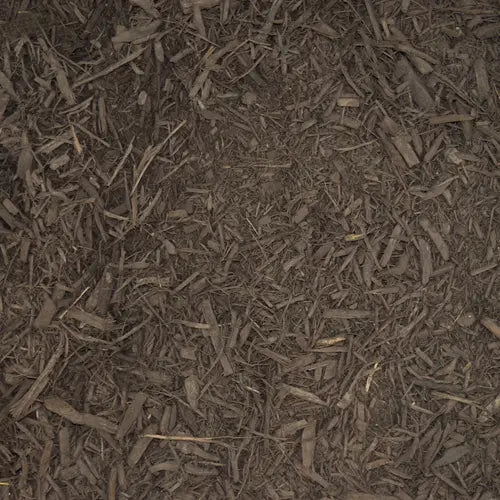
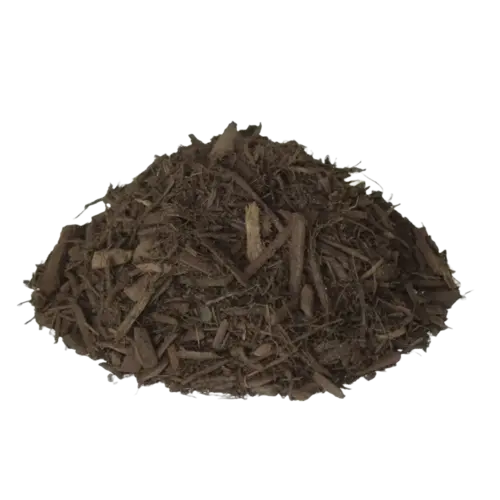
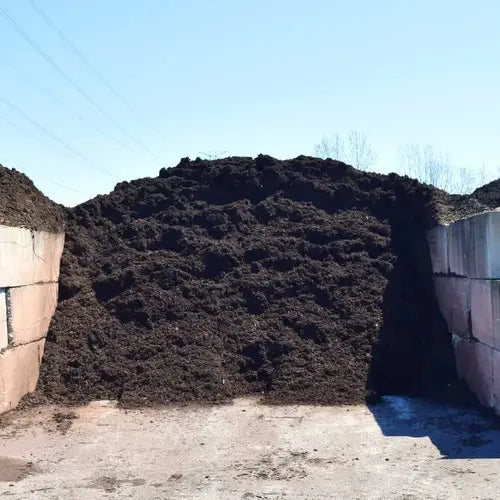
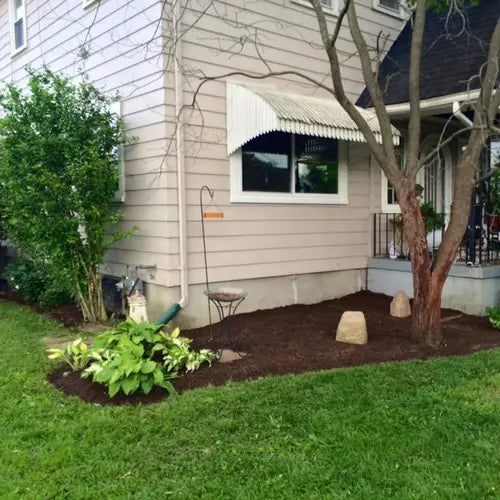
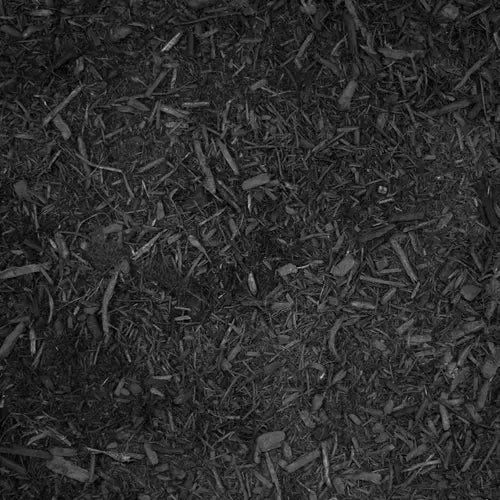
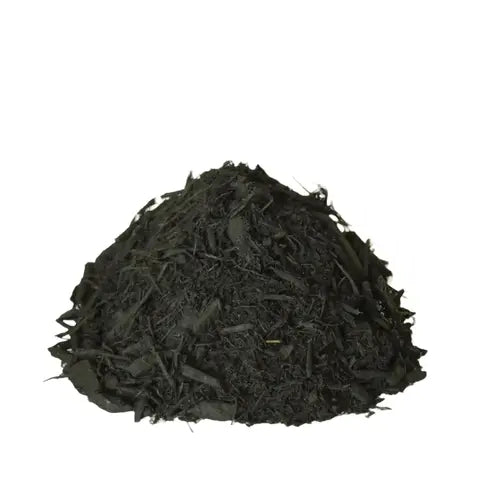
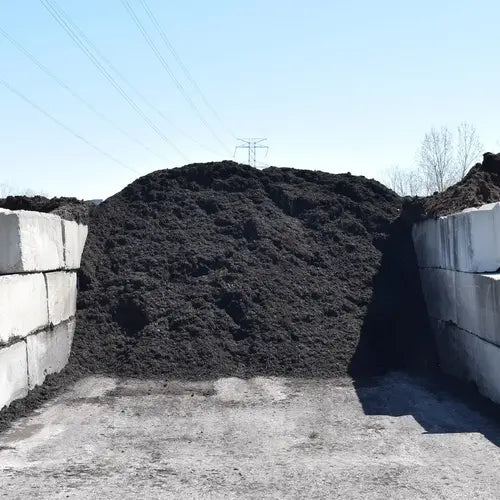
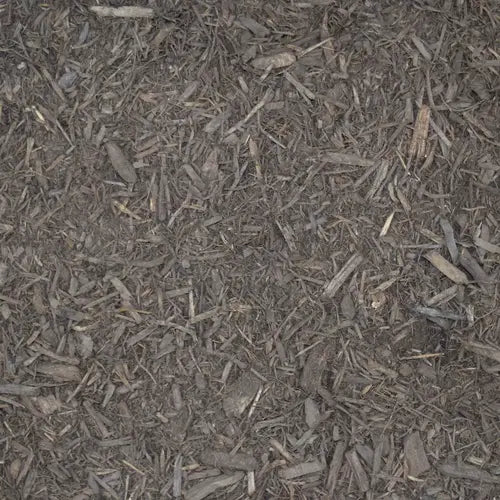
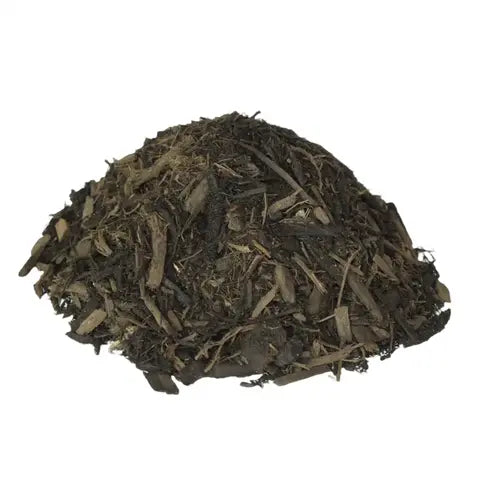
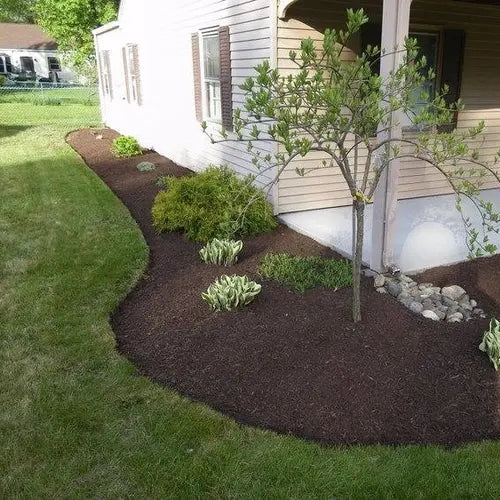
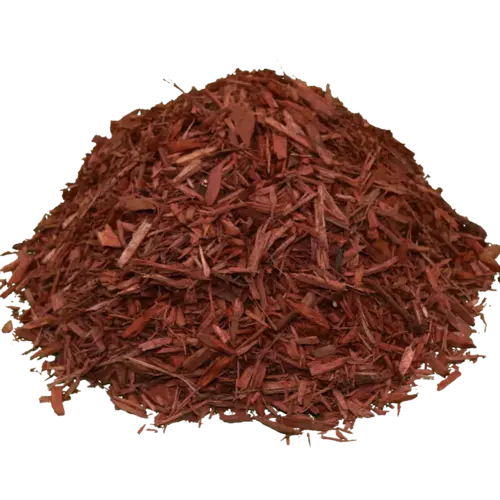
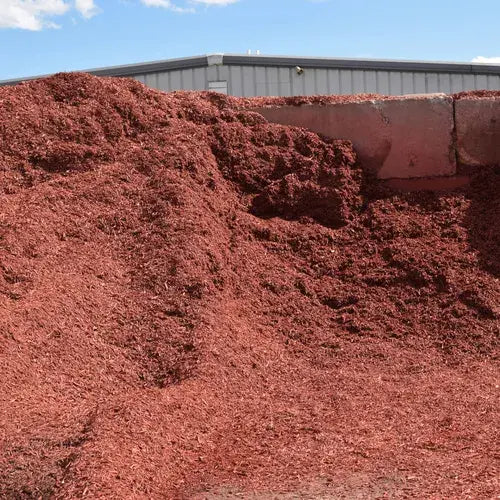
Warm brown double shredded mulch with lasting color that looks freshly applied for weeks. Spreads smooth, stays put, and gives beds a natural, polished appearance.
Mulch Mound made it so easy! So happy with the pricing, turn around time, delivery and product. I submitted my online order on a Thursday. The mulch was delivered to the designated location by a local landscape company at 8:30 a.m. the following Saturday morning. We had the...
Tell us what you're looking for
Thanks! We received your request.
Something went wrong. Please try again.
How Much Material Do I Need?
For most Marshfield landscape beds over silt loam, two to three inches of mulch is the ideal application depth. This is enough to suppress weeds and conserve soil moisture without causing the waterlogging that can occur when too much mulch sits on this denser, moisture-retentive soil type.
Use our free mulch calculator
What is a yard?
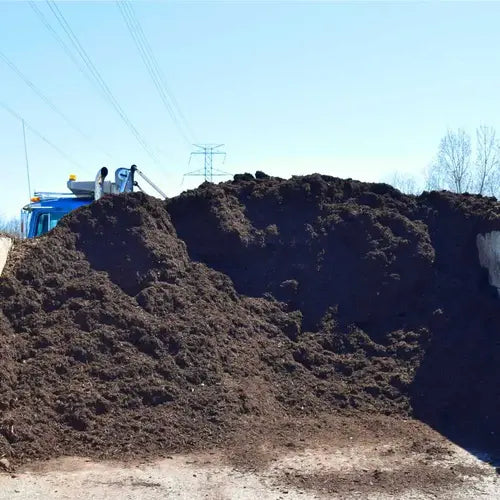
A yard is approximately 27 cubic feet. As a general guideline, one yard of material can cover an area of about 100-160 square feet at a 2-3 inch depth.
We can't take orders for this right now. Tell us what you need and we'll get back to you.
What do you need?
Thanks! We received your request.
Something went wrong. Please try again.
Hand-picked local yards
4,000+ regional deliveries
Dedicated support
Why order through Mulch Mound
The best local mulch, without the guesswork.
We hand-pick and partner with the best yards in your region, keep only the ones our buyers rate well, and back each load with our guarantee.
Mulch Mound Guarantee
If your mulch isn't the quantity or quality you ordered, we'll make it right.
About this mulch
Warm brown double shredded mulch with lasting color that looks freshly applied for weeks. Spreads smooth, stays put, and gives beds a natural, polished appearance.
Mulch Mound made it so easy! So happy with the pricing, turn around time, delivery and product. I submitted my online order on a Thursday. The mulch was delivered to the designated location by a local landscape company at 8:30 a.m. the following Saturday morning. We had the...
How Much Material Do I Need?
For most Marshfield landscape beds over silt loam, two to three inches of mulch is the ideal application depth. This is enough to suppress weeds and conserve soil moisture without causing the waterlogging that can occur when too much mulch sits on this denser, moisture-retentive soil type.
Use our free mulch calculator
What is a yard?
A yard is approximately 27 cubic feet. As a general guideline, one yard of material can cover an area of about 100-160 square feet at a 2-3 inch depth.
Mulch Mound made it so easy! So happy with the pricing, turn around time, delivery and product. I submitted my online order on a Thursday. The mu...
Read full review
Mulch Mound made it so easy! So happy with the pricing, turn around time, delivery and product. I submitted my online order on a Thursday. The mulch was delivered to the designated location by a local landscape company at 8:30 a.m. the following Saturday morning. We had the job completed by that afternoon. We chose the natural brown mulch, and the plant beds are beautiful.
Good quality, great price, fast delivery. All online - no submitting forms and waiting for days for quotes. Getting mulch should be this easy fr...
Read full review
Good quality, great price, fast delivery. All online - no submitting forms and waiting for days for quotes. Getting mulch should be this easy from everyone. Only Mulch Mound is ACTUALLY this simple.
I highly recommend Mulch Mound. The quality of the mulch is very good. The ordering system on their website makes it very easy. The delivery driver...
Read full review
I highly recommend Mulch Mound. The quality of the mulch is very good. The ordering system on their website makes it very easy. The delivery driver did a great job placing the mulch on the driveway. To finish off, the pricing was very reasonable as well.
To estimate how much mulch you need, measure the length and width of each bed in feet and multiply them together to get total square footage. At a three-inch depth over Marshfield's silt loam, dividing your total square footage by 100 gives you a reliable cubic yard estimate. Order a little extra since freshly turned silt loam beds and any sloped areas will absorb the first load faster than you might expect.
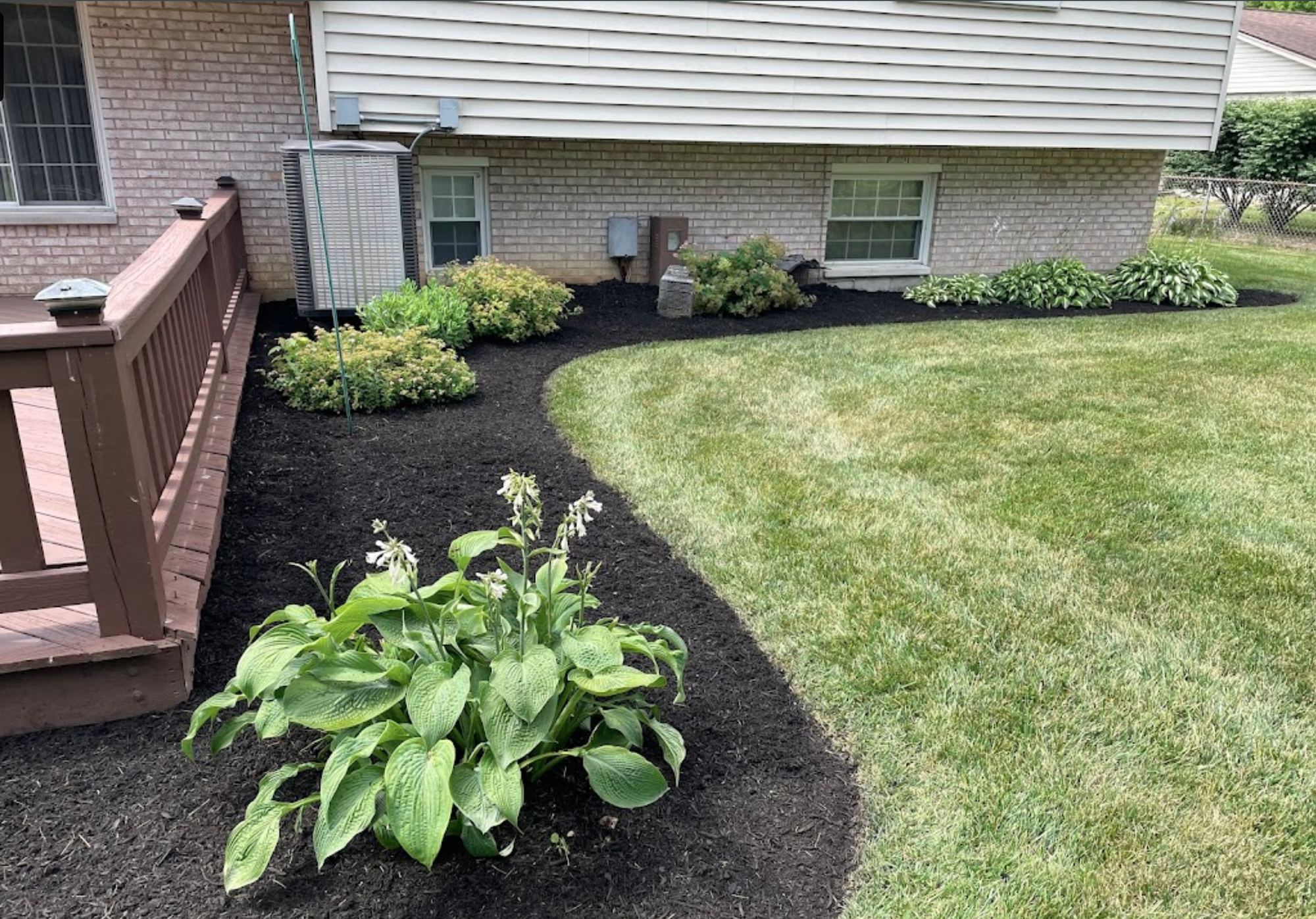
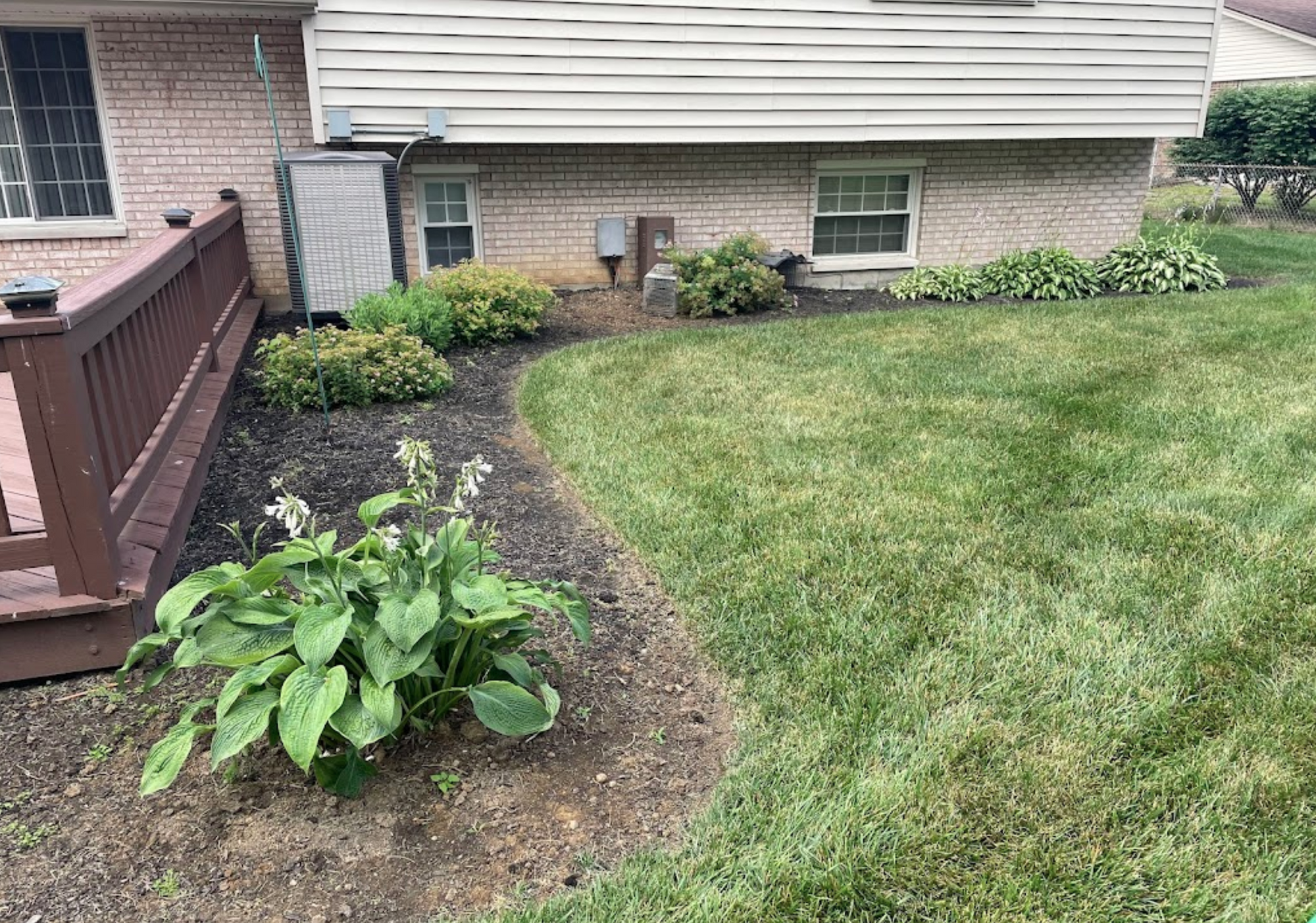
Mulch vs. No Mulch: The Difference
In Marshfield's zone 4b climate, natural hardwood mulch breaks down meaningfully within one to two seasons, delivering a steady supply of organic matter to the underlying silt loam as it decomposes and gradually improving soil structure with each application. Dyed mulch uses a colorfast pigment that resists fading through Marshfield's summer rainfall and ultraviolet exposure, keeping beds looking sharp from late May through September without contributing as much organic decomposition to the soil below. Your choice really comes down to whether you are prioritizing long-term soil health or season-long visual consistency in high-traffic areas of your Marshfield landscape.
Before
After
Best Mulch Choice for Marshfield Lawns
Most yards in the Marshfield area sit on Silt Loam type of soil. Marshfield's silt loam tends to crust and seal at the surface after repeated cycles of rain and dry weather, which reduces the ability of water and nutrients to penetrate down to plant root zones. A consistent mulch layer prevents that surface crusting and keeps the soil structure loose and workable beneath your beds all season long.
Hardwood Mulch
Hardwood mulch is particularly well suited for Marshfield's silt loam because as it decomposes it contributes lignin and organic carbon that physically loosens the naturally dense, fine-grained texture of this soil type. After two to three seasons of repeated hardwood mulch applications, most Marshfield homeowners notice measurable improvement in the drainage and root penetration of the soil beneath their planting beds.
Mulch Types We Deliver in Marshfield
Mulch Mound offers bulk mulch delivery in Marshfield, Wisconsin, bringing landscaping material directly to your door by the cubic yard. From simple bed refreshes to larger property projects, we keep the process easy so you spend more time outdoors and less time hauling. Every order is measured accurately and dropped off on your schedule.
Dyed Black Mulch
Dyed black double shredded mulch is one of the most popular picks for curb appeal in central Wisconsin. The deep black tone holds up through wet springs and warm summers, making beds look sharp and well-kept from early season through fall.
Dyed Brown Mulch
Warm brown double shredded mulch blends naturally with the earthy tones of central Wisconsin landscapes. The color holds for weeks after spreading and looks at home around perennial gardens, tree rings, and foundation plantings near traditional Midwestern homes.
Dyed Red Mulch
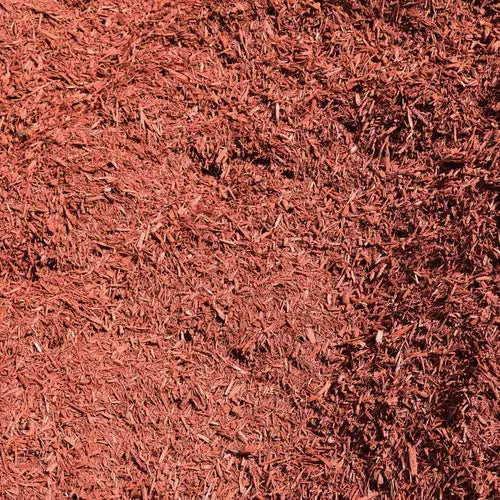
Dyed red double shredded mulch adds a bold accent to beds that benefit from a pop of color. The vibrant hue holds throughout the growing season against rain and strong Midwestern sun, pairing well with both light and dark home exteriors.
Natural Dark Brown Mulch
Natural dark brown double shredded hardwood mulch suits a wide range of beds, borders, and tree rings without any added dye. The warm brown tone comes straight from the wood itself, and many homeowners in the region prefer it around edging where color bleed is a concern.
Complete Your Outdoor Mulch Project
If you are building new beds or improving your growing medium before mulching, our bulk topsoil and garden soil blends help establish healthy conditions that work with Marshfield's silt loam. For border edges and drainage corridors around your mulched beds, our bulk stone options provide a durable, low-maintenance complement that holds up through zone 4b winters.
Marshfield's freeze-thaw cycles in early spring can compress and mat down last season's mulch, turning it into a layer that actually blocks water from reaching plant roots. Before adding fresh mulch each season, pull back the old matted material and break it up with a rake. This aerates the silt loam below, improves water infiltration, and allows the new mulch to settle evenly and breathe. It takes an extra thirty minutes but makes a meaningful difference in bed health.
Mulch Mound Pro Tip
Because Marshfield's growing season wraps up around September 28, it pays to mulch perennial beds in late October after the ground begins to firm up from overnight freezing. This timing locks in residual soil moisture and insulates root zones through the winter without creating a warm, sheltered pocket for voles to nest near plant crowns. Pull mulch back slightly from stem and crown bases before applying the final fall layer to reduce rot risk.
Mulch Mound Pro Tip
With 30 inches of annual rainfall in Marshfield, moisture stress is less common than in drier climates, but July and August heat can still cause rapid evaporation from exposed silt loam in full-sun beds. A fresh two-inch layer of mulch applied in early June dramatically slows that evaporation by shielding the soil from direct afternoon sun and wind. This benefit is especially pronounced on the south and west sides of Marshfield properties where heat load is highest during peak summer.
Frequently Asked Questions
Click a question to see the answer
Answer
When is the best time to put mulch down in Marshfield?
The ideal window in Marshfield is after May 26, once the risk of hard frost has passed and the soil has had a chance to begin warming. Applying mulch too early in spring can trap cold in the silt loam and actually delay soil warming for tender annuals and vegetables. A light application in late April works fine for established shrubs and perennials, but hold off until after Memorial Day for anything you are planting new.
Answer
How deep should I apply mulch given Marshfield's silt loam soil?
Two to three inches is the right depth for most Marshfield landscape beds over silt loam. Because silt loam holds moisture better than sandy soils, you do not need to pile mulch extra thick to retain water. Going deeper than four inches on this soil type can trap too much moisture at the surface and invite fungal problems or root rot during Marshfield's wetter spring and early summer stretches.
Answer
Will mulch help protect my plants from Marshfield's early fall frosts?
A maintained mulch layer provides real insulation once temperatures start dipping in late September. Marshfield's first frost typically arrives around September 28, and mulch helps buffer the soil against those initial cold snaps, keeping perennial root zones protected a bit longer into the season. It will not prevent a hard killing freeze, but it absolutely helps your plants survive the light frosts that hit in that final week of September.
Answer
Does Marshfield's annual rainfall affect how quickly mulch breaks down?
Marshfield receives about 30 inches of rain per year, and that consistent moisture accelerates the decomposition of natural hardwood mulch noticeably. Most homeowners in this area find that natural mulch needs to be topped off every one to two seasons. The good news is that as it breaks down it contributes organic matter to the silt loam beneath, gradually loosening the soil and improving its structure over time.
Answer
Should I choose natural or dyed mulch for my Marshfield landscape beds?
Both perform well in Marshfield's climate, but the right choice depends on your priorities. Natural hardwood mulch decomposes faster in zone 4b conditions and actively feeds the silt loam soil below, which is a meaningful long-term benefit. Dyed mulch holds its color better through Marshfield's summer rain and UV exposure, making it the stronger choice for high-visibility beds where appearance matters most throughout the growing season.
Answer
Can mulch help with the soggy spots that form in my yard during Marshfield's spring thaw?
Mulch itself does not resolve drainage problems, but it can significantly reduce erosion and topsoil loss that happens in those wet zones during Marshfield's spring melt and heavy rain events. For beds that stay consistently saturated, pairing mulch with a gravel or stone sublayer is a more effective long-term solution. Our bulk stone products are well suited for redirecting runoff away from persistently wet areas in a Marshfield yard.
Answer
How do I keep mulch from washing downhill on sloped areas of my Marshfield property?
Sloped beds in Marshfield can lose mulch during the heavier rainfall we see in April, May, and June. Using a coarser shredded hardwood mulch rather than finely ground material helps the pieces lock together and resist washing. A simple edging border installed at the downhill edge of the bed will also catch and hold the mulch in place through multiple seasons of heavy rain.
The Unique Landscape of Marshfield
Marshfield sits at over 1,200 feet in elevation and experiences some of central Wisconsin's most unpredictable spring temperature swings, making mulch a critical tool for protecting plant roots from late-season frost events that can linger well past the average last frost date of May 26. The native silt loam soil throughout the Marshfield area holds moisture reasonably well but tends to compact under heavy foot traffic and repeated freeze-thaw cycles, which makes a consistent mulch layer essential for maintaining healthy soil structure beneath garden beds. With only about 125 frost-free days between late May and late September, Marshfield gardeners need every advantage to extend the productivity of their growing season, and a properly mulched bed can buffer soil temperature by several degrees during those critical shoulder weeks. Marshfield receives around 30 inches of rain annually, which is enough to keep beds hydrated but also enough to erode exposed silt loam surfaces and wash away the loose topsoil structure that plants depend on. A well-mulched property in Marshfield not only looks polished throughout the season but also builds organic matter into the underlying silt loam over time, gradually improving its drainage and nutrient retention year after year.