About this stone

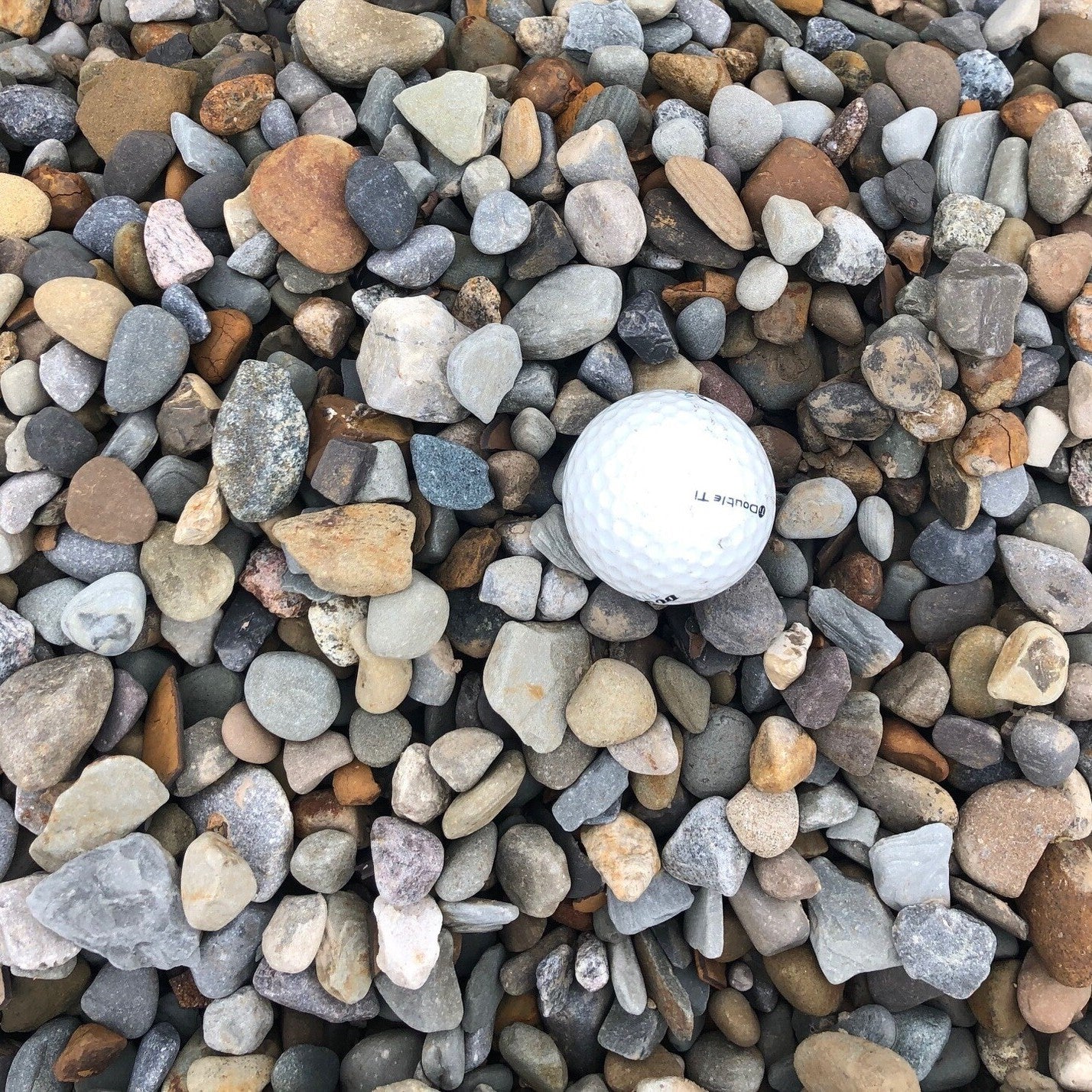
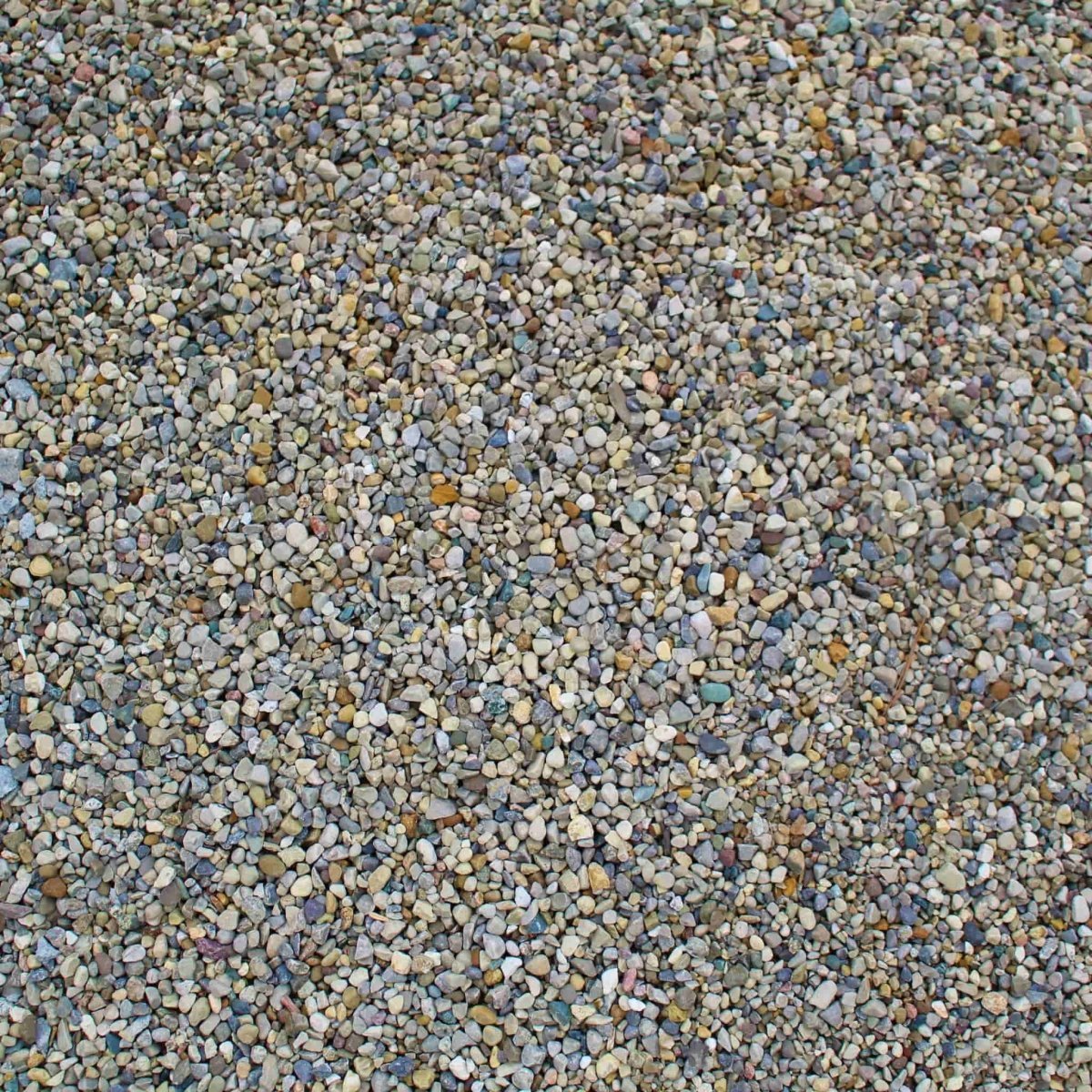
Classic pea gravel with smooth, rounded edges and natural earth tones. A versatile favorite for pathways, patios, drainage, and decorative ground cover.

The driver nailed it on putting the gravel I ordered in front of my trailer and between the sidewalk. Very satisfied with how my flowerbeds look now.

Marshfield Stone Delivery

Marshfield Stone Delivery

4.7
137 reviews
Regular price $87.00 per yard
Regular price Sale price $87.00
Sale Sold out
Type
Size
Minimum of 3
1 tree planted for every order

About this stone

Classic pea gravel with smooth, rounded edges and natural earth tones. A versatile favorite for pathways, patios, drainage, and decorative ground cover.

The driver nailed it on putting the gravel I ordered in front of my trailer and between the sidewalk. Very satisfied with how my flowerbeds look now.

For pathway and decorative border installations in Marshfield, two to three inches of stone depth provides solid coverage and visual weight while staying in place through freeze-thaw movement. For drainage and erosion-control applications on slopes or around foundations, use a minimum of four inches to ensure the layer holds its position and function through Marshfield's wet spring season.
Use our free stone calculator

A yard is approximately 27 cubic feet. As a general guideline, one yard of material can cover an area of about 100-160 square feet at a 2-3 inch depth.

View full details

How It Works

Getting started is easy — just follow these simple steps

1

Choose your stone

Make sure you adjust the quantity to your home's needs. You can use our calculator to estimate how much you'll need.

2

Select your delivery date

Select a delivery date you'd like for the product to be dropped off at your home

3

Sit back and wait

Sit back, wait, and let us work our magic to make sure the highest quality product is delivered to your driveway.

From The Mouths of Marshfield Folks

4.7
out of 5 based on 137 reviews
Google Reviews

Need Help Calculating How Much Stone & Gravel You Need?

Use our NEW Trace from Satellite tool to get an estimate for your project based on an aerial view of your property

Try Our Calculator
📍

To estimate how much stone you need, measure your project area in feet, multiply length by width to get square footage, then multiply by your target depth in feet to get cubic feet. Divide by 27 to convert to cubic yards, which is how bulk stone is sold. For most Marshfield pathway and border applications, plan on two to four inches of depth, and keep in mind that stone settles slightly into the silt loam below over the first season, so ordering a small buffer amount is worthwhile.

Complete Your Outdoor Stone Project

Pair your stone installation with bulk mulch in the adjacent planting beds to create a clean visual contrast and prevent Marshfield's silt loam from eroding across your stone surface during rain events. If your project involves regrading low or sloped areas before the stone goes down, our bulk topsoil gives you a workable, stable base to shape before the final stone layer is installed.

Map of Marshfield, Wisconsin

Areas We Deliver Stone & Gravel in Marshfield, Wisconsin

No cities found for this region.

See All Locations
Mulch Mound Pro Tip

Before installing bulk stone on any Marshfield property, lay a quality landscape fabric underneath the material. Marshfield's silt loam migrates upward into stone layers through freeze-thaw action over time, and without a barrier in place your stone will become increasingly dirty and weed-prone within two to three seasons. Overlap fabric edges by at least six inches at all seams to prevent gaps where fine silt particles can push through, and pin the edges securely so they stay flat before stone is placed on top.

Mulch Mound Pro Tip

For stone installations along Marshfield driveways, property borders, or heavily trafficked areas, compact a one-to-two-inch layer of crushed limestone base material before placing your decorative stone on top. Marshfield's silt loam does not provide a firm enough foundation on its own to prevent stone from sinking and scattering during the wet and soft conditions that come with spring thaw. The compacted base keeps your finished stone surface level and structurally sound through multiple seasons of traffic and freeze-thaw movement.

Mulch Mound Pro Tip

Marshfield's 30 inches of annual rainfall makes grading and water direction the most important step in any stone installation project. If water currently flows toward your home or pools in your planned stone area, the stone layer alone will not correct that problem and may actually concentrate water in a single spot. Grade your base material so that runoff naturally flows away from structures and toward lawn or garden areas before setting your stone, and the installation will manage water effectively and look clean for years to come.

The Unique Landscape of Marshfield

In Marshfield, bulk stone is one of the most durable and cost-effective landscape materials available, because it holds up through zone 4b winters without the annual maintenance demands that mulch or organic groundcovers require. The silt loam soil throughout the Marshfield area is prone to erosion and surface displacement along slopes, pathways, and foundation edges, and a properly installed stone layer provides the kind of physical stability that soil amendments alone cannot deliver. Marshfield's 30 inches of annual rainfall moves across compact silt loam quickly rather than soaking in, and gravel or crushed stone installations can redirect that runoff before it causes erosion, foundation pooling, or washouts in low-lying areas. Stone also excels in Marshfield's high-stress transition zones, including driveways, fire pit surrounds, and utility borders where repeated freeze-thaw cycles would deteriorate organic groundcovers within a season or two. A thoughtfully designed stone installation adds low-maintenance structure to a Marshfield property that will still look clean and intentional a decade from now.

Frequently Asked Questions

Click a question to see the answer

Answer

What type of stone holds up best for a garden path in Marshfield's climate?

Pea gravel and crushed limestone are both excellent choices for Marshfield garden paths because they handle freeze-thaw cycles well without cracking or shifting dramatically season to season. Pea gravel has a softer visual appearance and stays comfortable underfoot, while crushed stone compacts more tightly and creates a firmer walking surface that drains well after rain. Installing two to three inches of either option over a compacted base keeps the path level even through Marshfield's spring frost heave.

Answer

How do Marshfield's freeze-thaw cycles affect stone installations over time?

Marshfield's zone 4b winters bring repeated freeze-thaw events from November through early April, and those cycles can shift stone installations that are not set on a properly compacted base. Loose stone like pea gravel handles this naturally because individual pieces settle back into position as the ground moves. Larger decorative and border stones can migrate if the silt loam beneath them heaves significantly, so placing them over a compacted crushed gravel base rather than directly on native soil gives them a much more stable foundation.

Answer

Can stone help with the drainage pooling I have around my foundation in Marshfield?

A properly graded stone border along your foundation is one of the most practical drainage solutions available for Marshfield homeowners. Silt loam soil tends to stay saturated after heavy rain rather than allowing water to percolate downward quickly, and that pooling moisture puts real pressure on foundations over time. A four-to-six-inch layer of crushed gravel sloped away from the foundation edge keeps water moving away from the structure rather than sitting against it through the wet spring season.

Answer

How much stone do I need to install a decorative border around my Marshfield garden beds?

For a two-to-three-inch-deep decorative stone border, measure the total linear footage of the border area and multiply by the width and the depth in feet to get cubic feet, then divide by 27 to get cubic yards. Most Marshfield homeowners find that a three-inch depth gives borders a finished, substantial appearance while staying in place through summer rainfall. Order slightly more than your calculation suggests because stone settles into Marshfield's silt loam surface over the first winter.

Answer

Is stone a practical low-maintenance alternative to mulch for parts of my Marshfield yard?

Stone is an excellent option for any area of your Marshfield property where you want permanent groundcover without the need for annual replenishment. Unlike natural hardwood mulch, which breaks down within one to two seasons in Marshfield's climate, stone stays in place and maintains its appearance indefinitely. It is particularly practical around utility areas, along fence lines, under decks, and in any spot where getting in to replace organic material regularly would be inconvenient.

Answer

Will bulk stone help stop erosion on a sloped section of my Marshfield yard?

Bulk stone is one of the most reliable erosion-control options for sloped areas in Marshfield. The silt loam on slopes loses its surface layer quickly under the force of 30 inches of annual rainfall, and a four-to-six-inch stone layer physically locks that surface in place. For steeper grades, use angular crushed stone rather than smooth river rock because the angular faces interlock with each other and resist downhill creep far better than rounded stones do.

Answer

Can I use bulk stone around the base of trees and shrubs in my Marshfield yard instead of mulch?

You can, but there are real tradeoffs worth understanding for Marshfield's growing conditions. Stone does not contribute organic matter to the soil as mulch does, and Marshfield's silt loam genuinely benefits from that organic input over time. Stone also absorbs and radiates heat during summer days, which can raise soil temperature around shallow root zones during Marshfield's warmest weeks. If you go with stone near trees, leave a gap of several inches between the stone and the trunk and consider incorporating compost into the soil before the stone goes down.
