




Great service. We ordered topsoil from Mulch Mound and the best experience. Thank you so much!
About this soil
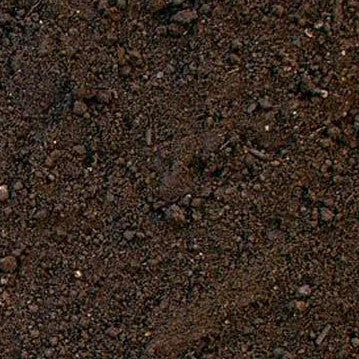
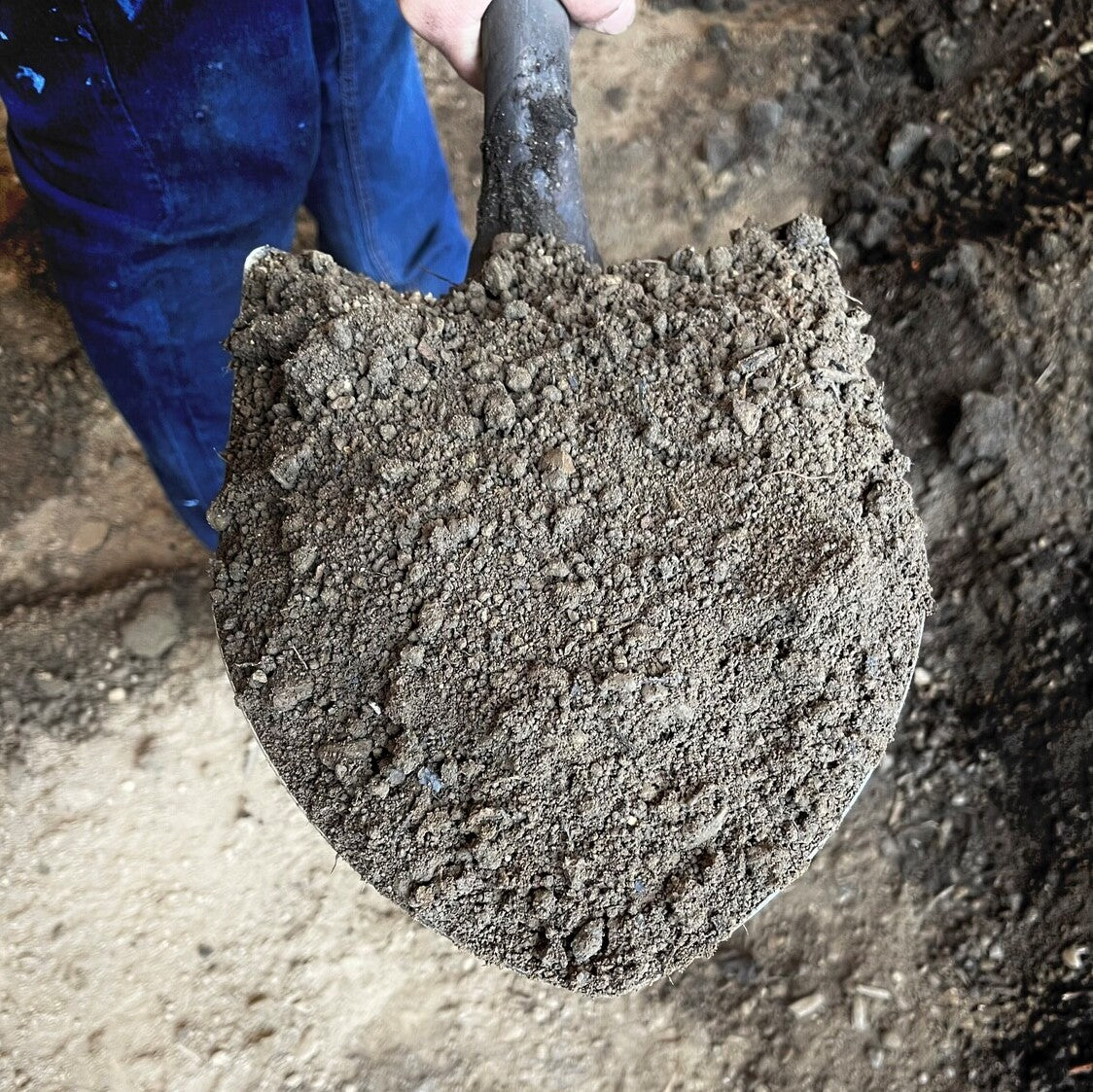
Quality topsoil for lawns, gardens, and landscape projects. Nutrient rich and ready to support strong root development and healthy plant establishment.
Great service. We ordered topsoil from Mulch Mound and the best experience. Thank you so much!
Tell us what you're looking for
Thanks! We received your request.
Something went wrong. Please try again.
How Much Material Do I Need?
How Much Material Do I Need?
For new garden beds in Marshfield, plan on at least four to six inches of quality soil placed over the existing silt loam to give roots adequate growing room during the short frost-free season. Lawn leveling and top-dressing projects typically require one to two inches of screened topsoil worked into low areas for a smooth, even finish.
Use our free soil calculator
What is a yard?
What is a yard?
FAQs
FAQs
Marshfield Soil Delivery
Marshfield Soil Delivery
Regular price
$64.00
per
yard
Regular price
Sale price
$64.00
Unit price
per
Shipping calculated at checkout.
Minimum of 3 yard
Couldn't load pickup availability
Not currently available
We can't take orders for this right now. Tell us what you need and we'll get back to you.
Hand-picked local yards
4,000+ regional deliveries
Dedicated support
Why order through Mulch Mound
The best local soil, without the guesswork.
We hand-pick and partner with the best yards in your region, keep only the ones our buyers rate well, and back each load with our guarantee.
Mulch Mound Guarantee
If your soil isn't the quantity or quality you ordered, we'll make it right.
About this soil
Quality topsoil for lawns, gardens, and landscape projects. Nutrient rich and ready to support strong root development and healthy plant establishment.
Great service. We ordered topsoil from Mulch Mound and the best experience. Thank you so much!
How Much Material Do I Need?
How Much Material Do I Need?
For new garden beds in Marshfield, plan on at least four to six inches of quality soil placed over the existing silt loam to give roots adequate growing room during the short frost-free season. Lawn leveling and top-dressing projects typically require one to two inches of screened topsoil worked into low areas for a smooth, even finish.
Use our free soil calculator
What is a yard?
What is a yard?
FAQs
FAQs
Tell us what you're looking for
Thanks! We received your request.
Something went wrong. Please try again.
How It Works
Getting started is easy — just follow these simple steps
1
Choose your soil
Make sure you adjust the quantity to your home's needs. You can use our calculator to estimate how much you'll need.
2
Select your delivery date
Select a delivery date you'd like for the product to be dropped off at your home
3
Sit back and wait
Sit back, wait, and let us work our magic to make sure the highest quality product is delivered to your driveway.

Placing an order online was so easy. Delivery was on time. When the driver realized we had a newly poured driveway they erred on the side of cautio...
Read full review
Placing an order online was so easy. Delivery was on time. When the driver realized we had a newly poured driveway they erred on the side of caution and opted not ti drive in it. The company even sent me a message explaining that call. Would recommend!

Online ordering was really simple and I liked the transparent pricing.
Need Help Calculating How Much Soil You Need?
Use our NEW Trace from Satellite tool to get an estimate for your project based on an aerial view of your property
Try Our CalculatorMeasure the length and width of your project area in feet and multiply to get square footage. For lawn leveling in Marshfield, plan on one to two inches of topsoil depth, while new garden bed installations typically need four to six inches. Convert your target depth to a fraction of a foot, multiply by square footage to get cubic feet, and divide by 27 to get cubic yards. Add five to ten percent to your estimate to account for settling into Marshfield's silt loam base, which compresses slightly once the new soil is weighted and watered in.
Soil Types We Deliver in Marshfield
Marshfield homeowners and landscapers count on us for reliable bulk topsoil by the yard in Marshfield, delivered right to your driveway or job site. Central Wisconsin's native soils can be sandy or clay-heavy depending on your lot, so bringing in quality material makes a real difference for lawns and gardens. We sell by the cubic yard with no trip to the garden center required.
Screened Top Soil
Our screened topsoil is run through a fine screen to remove rocks, clumps, and debris, giving you a smooth, workable base ready for seed, sod, or planting beds. It is nutrient rich and supports strong root development, making it a smart choice for Marshfield yards dealing with thin or compacted native ground.
Complete Your Outdoor Soil Project
Once your beds are graded and filled with quality soil, protect your investment with a layer of bulk mulch to shield the new surface from Marshfield's rain erosion and summer evaporation. For pathways, drainage channels, and border edges alongside your new soil work, our bulk stone options handle Marshfield's freeze-thaw cycles without the ongoing maintenance that organic materials require.


Mulch Mound Pro Tip
In Marshfield, resist the urge to work new topsoil immediately after a heavy rain. Silt loam blends become sticky and compaction-prone when saturated, and working them wet destroys the pore structure that makes them valuable for plant growth. Wait until the surface is moist but not muddy, usually one to two days after significant rainfall, before raking, grading, or tilling your new material. Working soil at the right moisture level is one of the most important and most overlooked steps in any Marshfield landscape project.
Mulch Mound Pro Tip
Because Marshfield's growing season is short, running from around May 26 to September 28, prepping soil beds in fall can give you a meaningful head start the following spring. Place your topsoil or garden blend in late August or September, let it settle and integrate through the winter freeze, and it will be ready for planting almost immediately after the last frost clears. This fall-prep approach saves valuable early-season weeks and allows the new material to bond naturally with the silt loam base below.
Mulch Mound Pro Tip
Marshfield receives about 30 inches of rainfall per year, which is enough to leach nutrients out of loosely blended topsoils over time, especially during heavy spring rain events. Choosing a soil blend that includes compost or another organic component helps bind nutrients in place and slows leaching meaningfully. Topping off your beds with a modest compost layer each fall will replenish what Marshfield's rain and plant uptake remove over the course of a full growing season.
The Unique Landscape of Marshfield
Marshfield's native silt loam is a workable soil type in its natural state, but it has real limitations for homeowners trying to establish new garden beds, level out uneven lawn areas, or create productive raised growing spaces at this elevation. Silt loam compacts steadily under foot traffic and equipment, and its structure deteriorates after years of zone 4b freeze-thaw cycles, leaving behind a dense, poorly aerated layer that struggles to support vigorous plant growth. Bringing in quality bulk topsoil or garden soil lets you start fresh with a blend that drains appropriately, holds nutrients more effectively, and gives roots room to establish quickly during Marshfield's short growing season. With only about 125 frost-free days running from late May to late September, Marshfield gardeners cannot afford to spend half the season waiting for struggling plants to break through compacted, depleted soil. Investing in the right soil foundation before planting is one of the highest-return decisions you can make for a Marshfield landscape.