




Good quality top soil and was delivered exactly where I wanted it. Nice Job!
About this soil
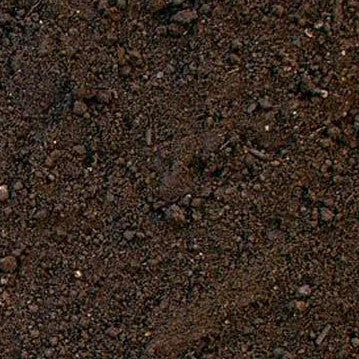
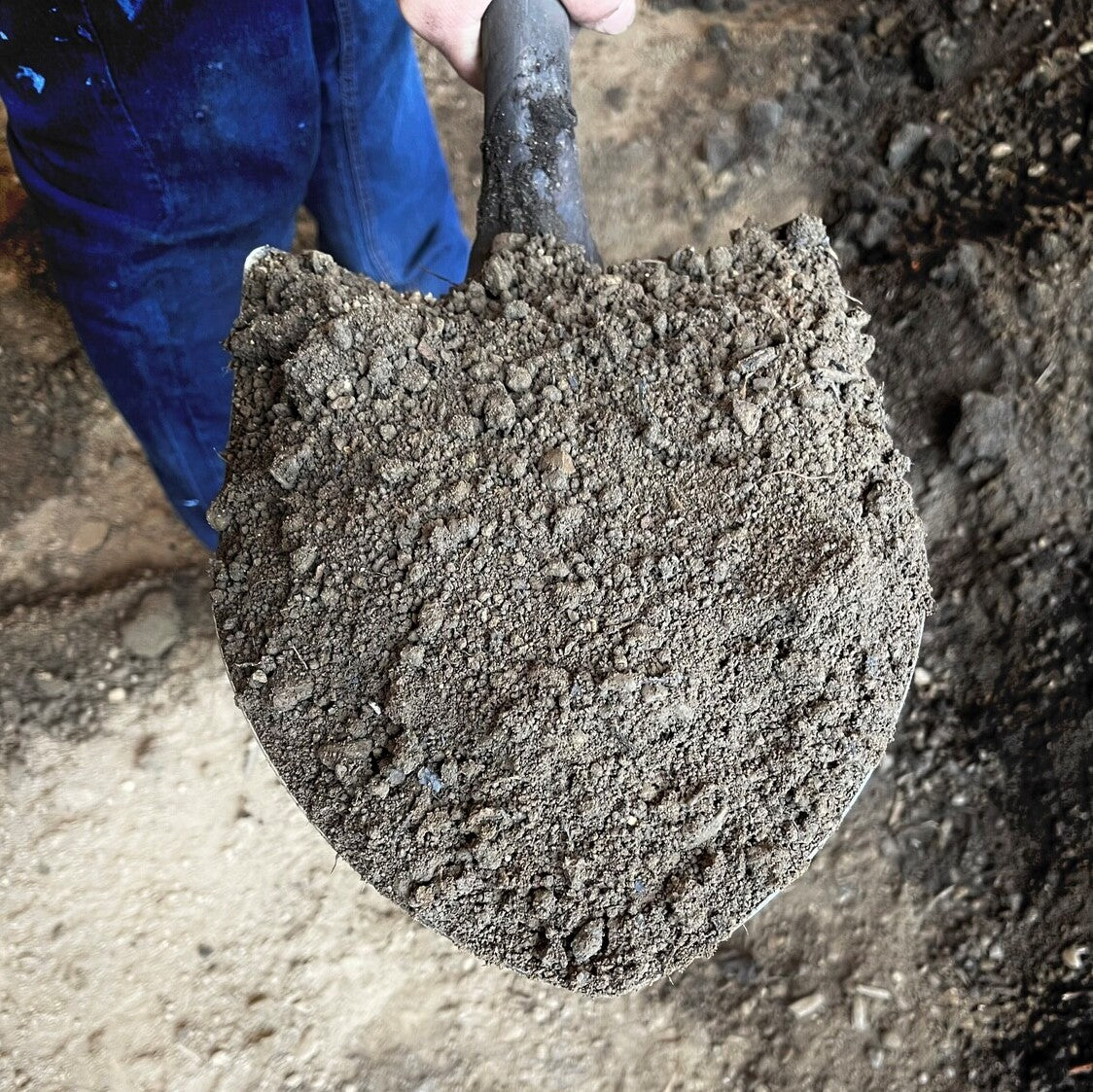
Screened topsoil with a fine, even texture. Ideal for new lawns, sod prep, and raised garden beds.
Good quality top soil and was delivered exactly where I wanted it. Nice Job!
Tell us what you're looking for
Thanks! We received your request.
Something went wrong. Please try again.
How Much Material Do I Need?
How Much Material Do I Need?
For garden beds and new planting areas in Marysville, plan on six inches of amended soil as a baseline to give roots enough depth to stay above the compacted silt loam subsoil below. For grading and lawn repair, two to four inches is typically sufficient depending on the severity of the low spots you are addressing.
Use our free soil calculator
What is a Yard?
What is a Yard?
FAQs
FAQs
Marysville Soil Delivery
Marysville Soil Delivery
Regular price
$83.00
per
Yard
Regular price
Sale price
$83.00
Unit price
per
Shipping calculated at checkout.
Minimum of 3 Yard
Couldn't load pickup availability
Not currently available
We can't take orders for this right now. Tell us what you need and we'll get back to you.
Hand-picked local yards
4,000+ regional deliveries
Dedicated support
Why order through Mulch Mound
The best local , without the guesswork.
We hand-pick and partner with the best yards in your region, keep only the ones our buyers rate well, and back each load with our guarantee.
Mulch Mound Guarantee
If your isn't the quantity or quality you ordered, we'll make it right.
About this soil
Screened topsoil with a fine, even texture. Ideal for new lawns, sod prep, and raised garden beds.
Good quality top soil and was delivered exactly where I wanted it. Nice Job!
How Much Material Do I Need?
How Much Material Do I Need?
For garden beds and new planting areas in Marysville, plan on six inches of amended soil as a baseline to give roots enough depth to stay above the compacted silt loam subsoil below. For grading and lawn repair, two to four inches is typically sufficient depending on the severity of the low spots you are addressing.
Use our free soil calculator
What is a Yard?
What is a Yard?
FAQs
FAQs
Tell us what you're looking for
Thanks! We received your request.
Something went wrong. Please try again.

How It Works
Getting started is easy — just follow these simple steps
1
Choose your soil
Make sure you adjust the quantity to your home's needs. You can use our calculator to estimate how much you'll need.
2
Select your delivery date
Select a delivery date you'd like for the product to be dropped off at your home
3
Sit back and wait
Sit back, wait, and let us work our magic to make sure the highest quality product is delivered to your driveway.

Online ordering was really simple and I liked the transparent pricing.

Easy to order, great service, and great product. We enjoy the final look of a very neglected beds we inherited!
Need Help Calculating How Much Soil You Need?
Use our NEW Trace from Satellite tool to get an estimate for your project based on an aerial view of your property
Try Our CalculatorFor raised beds and garden areas, measure the length, width, and intended depth of the area you want to fill, then multiply all three numbers together in feet to get cubic feet, and divide by 27 to convert to cubic yards. A standard four-by-eight-foot raised bed filled to twelve inches deep needs about 1.2 cubic yards of soil, so ordering in bulk makes sense even for a few beds. For lawn topdressing projects in Marysville yards, a quarter inch application over 1,000 square feet requires about one cubic yard of screened topsoil.
Complete Your Outdoor Soil Project
Pairing a bulk soil order with a quality mulch topdressing is the most efficient way to protect your investment, since Marysville's rain will begin compacting unprotected soil surfaces almost immediately after installation. If you are building out garden beds alongside a hardscaped patio or pathway, adding a gravel or stone base layer beneath the hardscape keeps it from sinking into the soft silt loam native soil over time.
Service area
Areas we deliver soil in Marysville, Washington
Mulch Mound Pro Tip
When spreading bulk soil over Marysville's native silt loam, avoid doing so when the native soil is saturated after a heavy rain. Working wet silt loam compacts the soil structure beneath and creates an interface layer between old and new soil that can act like a barrier to drainage, trapping water above the native soil even after the amended soil above drains freely. Wait for a dry spell of at least two days, lightly till or aerate the native surface, then spread your new soil so the two layers can integrate more naturally.
Mulch Mound Pro Tip
Marysville's growing season between the last frost of April 4 and the first frost of October 22 gives you roughly six and a half months to grow warm-season crops, but only if your soil is ready early. Pre-warming raised beds by covering them with clear plastic sheeting for two to three weeks before your intended planting date can raise soil temperature by five to ten degrees, giving warm-season crops like tomatoes and peppers a meaningful head start in what is otherwise a cool coastal climate for those plants.
Mulch Mound Pro Tip
One of the most overlooked soil management practices for Marysville yards is adding coarse compost or aged wood chips to the soil surface in late October before the wet season arrives. This organic layer protects the soil from raindrop impact compaction, feeds soil biology through the winter, and integrates into the upper few inches of silt loam by spring without any tilling required. By the time your April planting window opens, the winter rain has essentially worked the organic matter in for you, improving soil structure with no extra effort on your part.
The Unique Landscape of Marysville
Marysville's native silt loam is a naturally fertile but structurally sensitive soil that demands thoughtful management to perform well in garden beds, lawns, and raised planters. Its fine particle size means it holds nutrients effectively but also compacts quickly under the weight of 42 inches of annual rainfall, foot traffic, and heavy clay subsoil conditions common near the Snohomish River flood plain. Compacted silt loam sheds water laterally rather than letting it percolate, creating soggy zones in some areas and dry spots in others even within the same yard. Importing quality amended soil or topsoil allows Marysville homeowners to build raised beds and grade problem areas without fighting the native soil's structural limitations. The zone 8b growing season here is long enough and warm enough to support an impressive range of vegetables, flowering perennials, and landscape shrubs, but only when root zones have the loose, well-drained soil structure those plants need. Bringing in the right soil product gives you control over a growing environment that the native silt loam alone cannot always provide.