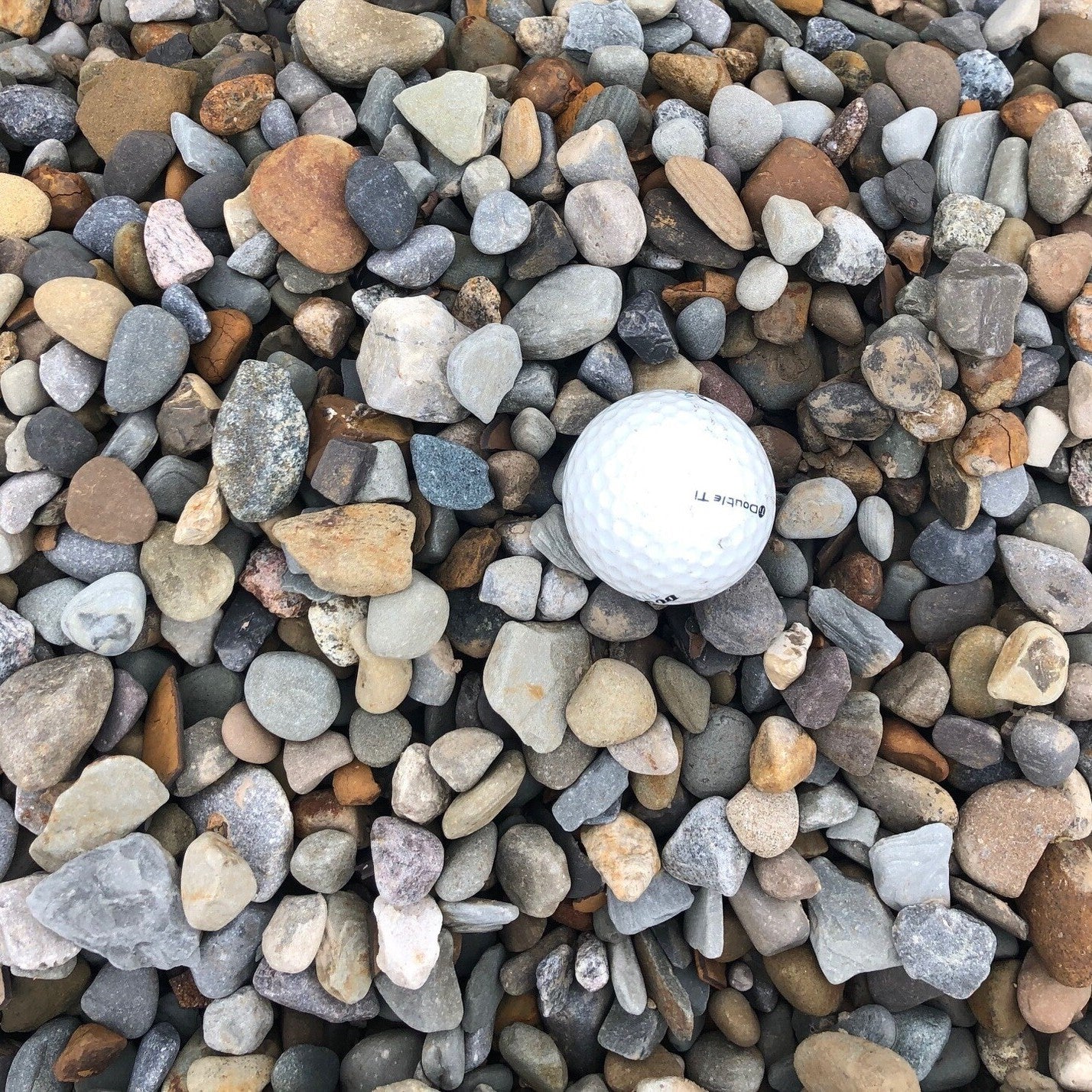
Number 57 crushed stone, angular limestone graded to about three quarters of an inch. The standard driveway, base and drainage gravel, it locks together under traffic and drains fast.
My experience with Mulch Mound was great and super easy. I ordered two yards of screened topsoil and was able to get it delivered within 2 days. They came in my requested time frame (afternoon) and dropped it off where I asked on my driveway. The topsoil was exactly what was a...
Tell us what you're looking for
Thanks! We received your request.
Something went wrong. Please try again.
How Much Material Do I Need?
For pathways and decorative ground cover areas in Marysville, two to three inches of stone depth is the practical minimum to prevent the silt loam below from working up through the stone layer after repeated wet and dry cycles. For driveways and high-traffic areas, four to six inches of compacted base material topped with two inches of surface stone is the standard that holds up through Marysville's rainy season without rutting.
Use our free gravel calculator
What is a Yard?
A yard is approximately 27 cubic feet. As a general guideline, one yard of material can cover an area of about 100-160 square feet at a 2-3 inch depth.
We can't take orders for this right now. Tell us what you need and we'll get back to you.
What do you need?
Thanks! We received your request.
Something went wrong. Please try again.
Hand-picked local yards
4,000+ regional deliveries
Dedicated support
Why order through Mulch Mound
The best local , without the guesswork.
We hand-pick and partner with the best yards in your region, keep only the ones our buyers rate well, and back each load with our guarantee.
Mulch Mound Guarantee
If your isn't the quantity or quality you ordered, we'll make it right.
About this stone
Number 57 crushed stone, angular limestone graded to about three quarters of an inch. The standard driveway, base and drainage gravel, it locks together under traffic and drains fast.
My experience with Mulch Mound was great and super easy. I ordered two yards of screened topsoil and was able to get it delivered within 2 days. They came in my requested time frame (afternoon) and dropped it off where I asked on my driveway. The topsoil was exactly what was a...
How Much Material Do I Need?
For pathways and decorative ground cover areas in Marysville, two to three inches of stone depth is the practical minimum to prevent the silt loam below from working up through the stone layer after repeated wet and dry cycles. For driveways and high-traffic areas, four to six inches of compacted base material topped with two inches of surface stone is the standard that holds up through Marysville's rainy season without rutting.
Use our free gravel calculator
What is a Yard?
A yard is approximately 27 cubic feet. As a general guideline, one yard of material can cover an area of about 100-160 square feet at a 2-3 inch depth.
My experience with Mulch Mound was great and super easy. I ordered two yards of screened topsoil and was able to get it delivered within 2 days. Th...
Read full review
My experience with Mulch Mound was great and super easy. I ordered two yards of screened topsoil and was able to get it delivered within 2 days. They came in my requested time frame (afternoon) and dropped it off where I asked on my driveway. The topsoil was exactly what was advertised, clean with no rocks or other debris. The price was reasonable. I plan to use them again in a couple weeks to order compost for my garden beds.
Measure the length and width of your project area in feet and multiply those numbers to get square footage. For a two-inch depth, divide the square footage by 162 to get cubic yards. For a four-inch depth, divide by 81. Stone is denser than mulch or soil, so a cubic yard goes further than you might expect, covering about 160 square feet at two inches deep, but it also weighs significantly more, so order with that weight in mind for your vehicle and property access.
Complete Your Outdoor Stone Project
If you are installing stone pathways or a decorative rock border, ordering quality landscape fabric to place underneath the stone will dramatically reduce the amount of fine silt loam that migrates up into your stone layer over time, keeping the surface looking clean through Marysville's wet winters. Pairing a stone pathway project with amended topsoil for the adjacent planting beds creates a polished finished landscape that functions well in both the dry summer and the wet winter seasons Marysville residents experience.
One of the most common mistakes Marysville homeowners make with landscape stone is skipping proper edge containment. Without a solid border of steel edging, plastic edging, or concrete curbing, Marysville's winter rain events will gradually push gravel and decorative stone out of defined beds and into the lawn and adjacent planting areas. Angular crushed stone spreads less than round river rock, but both materials migrate without containment. Installing a rigid edge before you spread stone takes an extra hour but saves you from raking displaced gravel back into place every spring.
Mulch Mound Pro Tip
For any stone installation over Marysville's native silt loam, taking the time to prepare the base properly makes the difference between a surface that lasts a decade and one that sinks and shifts within two rainy seasons. Excavate two to three inches below your desired finished grade, compact the exposed silt loam surface with a plate compactor or hand tamper, lay woven landscape fabric, then add your stone in the full depth needed. The fabric keeps the fine silt loam from mixing upward into the stone layer through the freeze-thaw cycles and saturation events Marysville experiences each winter.
Mulch Mound Pro Tip
Marysville's relatively mild winter temperatures in zone 8b mean the ground rarely freezes solid, but the repeated light frosts between October and April can still cause minor frost heave in improperly installed stone surfaces. This is most noticeable in flagstone patios and stepping stone paths where individual stones shift slightly each winter and create tripping hazards by spring. Setting flagstones in a bed of compacted crushed gravel rather than directly on silt loam soil gives the base enough flexibility to absorb minor frost movement without the stones heaving unevenly, keeping your path level and safe through the entire Marysville wet season.
The Unique Landscape of Marysville
Landscape stone is one of the most practical investments a Marysville homeowner can make given the demands that 42 inches of annual rainfall places on driveways, pathways, and drainage channels. Unlike organic materials that decompose quickly in the wet Pacific Northwest climate, stone provides a permanent structural solution that handles Marysville's heavy winter rain events year after year without breaking down or compacting into a muddy mess. The native silt loam soil across Marysville drains slowly and becomes soft and slippery underfoot during the long wet season, making crushed gravel or decorative stone essential for any heavily trafficked path, parking area, or side yard access route. Stone also plays a critical role in Marysville landscapes for French drain systems, dry creek beds, and rain garden outlets, all of which are practical necessities in a low-elevation city that regularly sees sustained heavy rain from October through March. Beyond function, decorative stone provides year-round visual interest in a climate where mulch and organic groundcover can look weathered and worn by February. Choosing the right stone product for Marysville means balancing drainage performance, surface stability, and aesthetic appeal across the full range of western Washington's wet winters and dry summers.
Frequently Asked Questions
Click a question to see the answer
Answer
What type of gravel works best for a muddy pathway in my Marysville backyard?
For a backyard pathway in Marysville that turns to mud every winter, crushed angular gravel in the three-quarter inch minus size is the most effective choice. The angular edges of crushed stone interlock under foot traffic instead of rolling like round river rock, creating a stable surface even when the silt loam underneath is saturated. A proper installation includes a four to six inch compacted gravel base layer topped with one to two inches of smaller crushed material. Without a proper base depth, Marysville's soft silt loam will gradually swallow the gravel during the wet season, and the path will sink and puddle again within a year or two.
Answer
I want to build a dry creek bed to handle the water that runs across my yard every winter. What stone should I use?
A dry creek bed in a Marysville yard needs to handle genuine water flow during the heavy rain events that occur from November through March, so stone selection matters for both function and aesthetics. River rock in the two to five inch size range works well for the visible surface layer because it looks natural and is large enough not to scatter during fast-moving water. Beneath the surface rock, lining the channel with a four to six inch layer of drain rock or clean crushed gravel over landscape fabric helps control erosion of the underlying silt loam while keeping the channel permeable. Size up your stone generously since Marysville's rain events can move lighter material.
Answer
Will gravel help with the standing water I get in my side yard from November through February?
Gravel alone will not eliminate standing water if the problem is a high seasonal water table or a clay subsoil layer that is trapping water above it, both of which are common in Marysville's lowland areas. However, replacing a thin band of compacted silt loam at the surface with a deep gravel bed does allow surface water to drain away horizontally much faster, reducing the duration of standing water significantly. For serious drainage problems, combining a gravel surface with a perforated pipe French drain that outlets to a lower point in your yard or the street is the most reliable solution in Marysville's wet climate.
Answer
My neighbor used decorative rock in their landscaping and it looks great. Will it work around my plants or will it hurt them?
Decorative stone around plants can work beautifully in Marysville landscapes but comes with some specific considerations for this climate. Light-colored stones like white quartz or marble chip reflect more light and heat than organic mulch, which can stress moisture-sensitive plants like rhododendrons and ferns during the brief warm periods of Marysville's summer. Darker river rocks or basalt absorb heat and can help warm the root zone around plants that prefer slightly warmer soil, which is actually beneficial for Mediterranean herbs and some ornamental grasses. Keep stone pulled back from plant stems and crowns so moisture does not pool against the bark during the wet season.
Answer
How much stone do I need to cover a gravel driveway that has started showing bare spots in Marysville?
For a driveway refresh in Marysville that is showing bare or thin spots, a two inch topdressing of three-quarter inch crushed gravel over the existing surface is usually enough to restore a functional depth and even appearance. Calculate your driveway square footage by multiplying length by width, then divide by 162 to get the cubic yards needed for a two inch layer. Marysville's heavy rainfall will continue to gradually compact and push gravel into the silt loam base below, so plan on refreshing a gravel driveway with a light topdressing every two to three years to maintain safe and even footing.
Answer
Is there a type of stone that works well for a rain garden in Marysville?
Rain gardens are a genuinely smart choice for Marysville homeowners dealing with stormwater runoff from roofs, driveways, and compacted lawn areas. For rain garden construction, you need two distinct stone types working together. Clean drain rock in the one to two inch size fills the subsurface infiltration zone and allows captured stormwater to slowly percolate into the ground rather than running to the street. Rounded river rock in the two to four inch size covers the surface of the rain garden bowl and handles the energy of incoming water without eroding the planted slopes around it. A properly stoned rain garden in Marysville can handle a significant portion of your property's runoff from the average winter storm.
Answer
What is the difference between drain rock and crushed gravel and which one should I buy?
Drain rock and crushed gravel serve different purposes in Marysville landscape projects and understanding the difference saves you from ordering the wrong product. Drain rock is a washed, round or sub-angular stone with very little fine material mixed in, which means water passes through it almost instantly. It is the right choice for French drains, pipe bedding, and any subsurface application where maximum water flow is the goal. Crushed gravel contains a range of particle sizes including fines that compact together under traffic, making it ideal for driveways, pathways, and surface applications where you need a stable, firm footing. For Marysville's drainage challenges, you often need both products working together in a layered system.
Answer
Is there a stone yard near Marysville?
For a Marysville driveway or drainage channel, you can haul crushed stone home from a stone yard yourself, or have Mulch Mound drop it right where the job is. We are not a quarry, so there is nothing to visit, and you order online by the cubic yard. Delivery saves loading, hauling, and an extra trip.