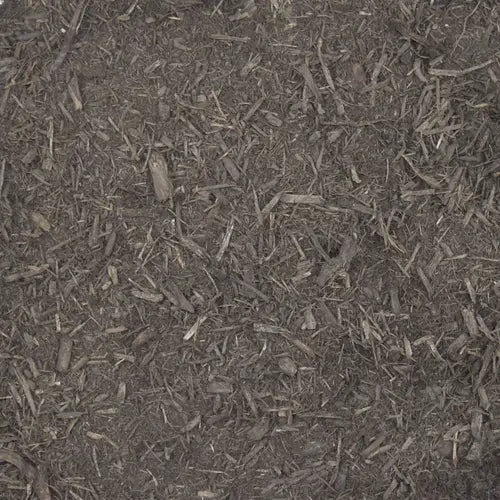
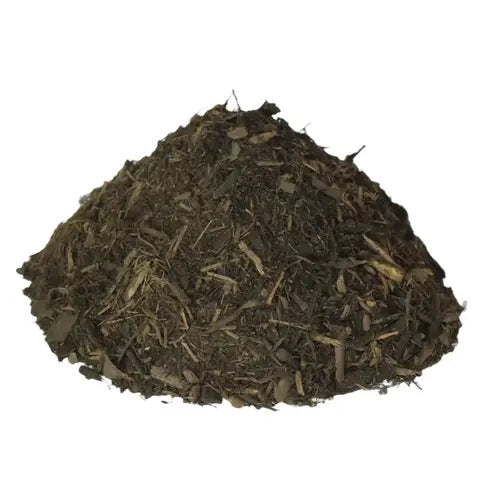
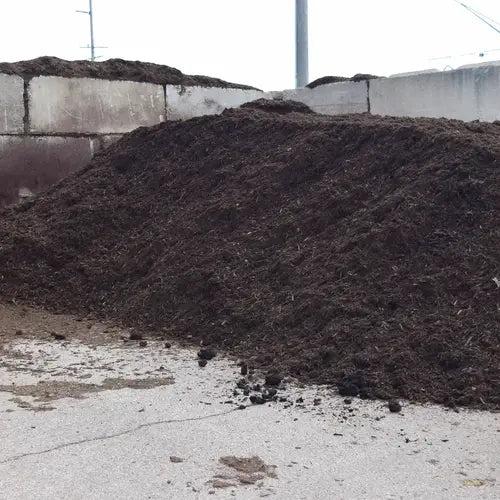
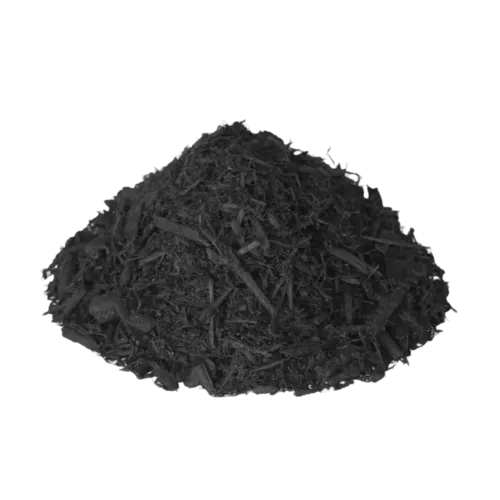
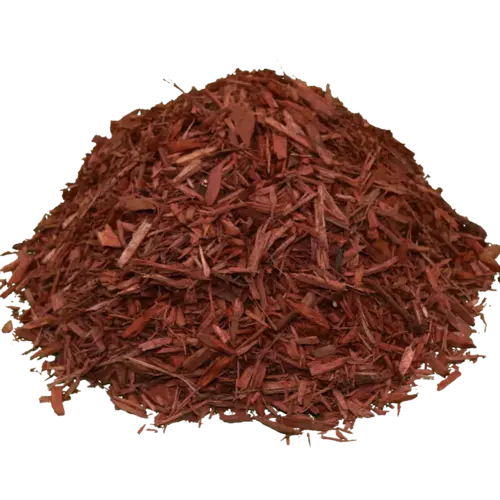
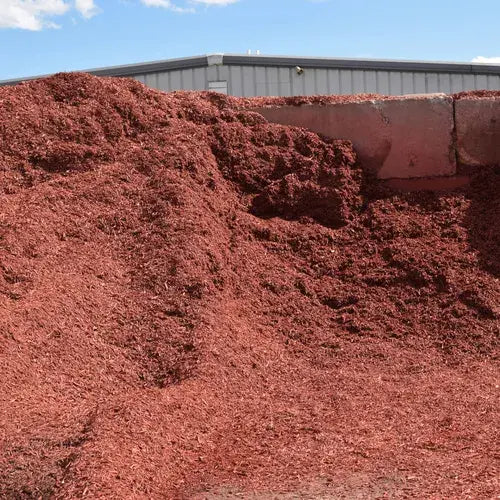
Warm brown double shredded mulch with lasting color that looks freshly applied for weeks. Spreads smooth, stays put, and gives beds a natural, polished appearance.
Great experience with mulch mound. Their online calculator made it easy to estimate how many yards of mulch I needed and delivery was quick. I would definitely recommend them for your future projects.
Tell us what you're looking for
Thanks! We received your request.
Something went wrong. Please try again.
How Much Material Do I Need?
A 3-inch application depth is the standard recommendation for McKinney plant beds, providing effective weed suppression without waterlogging the slow-draining Houston Black Clay underneath. For tree rings and large foundation beds, the same 3-inch depth applies, but plan a larger order to account for the wide coverage areas typical of mature North Texas shade trees.
Use our free mulch calculator
What is a yard?
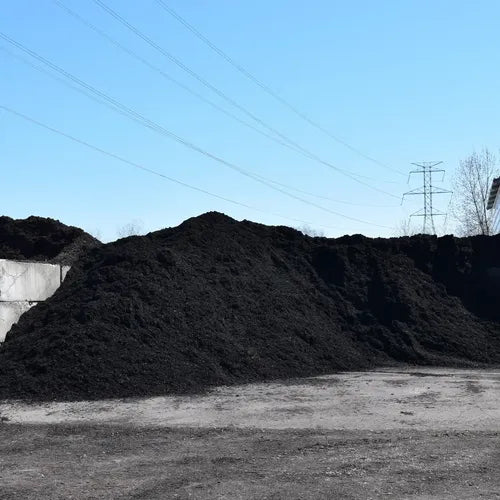
A yard is approximately 27 cubic feet. As a general guideline, one yard of material can cover an area of about 100-160 square feet at a 2-3 inch depth.
We can't take orders for this right now. Tell us what you need and we'll get back to you.
What do you need?
Thanks! We received your request.
Something went wrong. Please try again.
Hand-picked local yards
4,000+ regional deliveries
Dedicated support
Why order through Mulch Mound
The best local mulch, without the guesswork.
We hand-pick and partner with the best yards in your region, keep only the ones our buyers rate well, and back each load with our guarantee.
Mulch Mound Guarantee
If your mulch isn't the quantity or quality you ordered, we'll make it right.
About this mulch
Warm brown double shredded mulch with lasting color that looks freshly applied for weeks. Spreads smooth, stays put, and gives beds a natural, polished appearance.
Great experience with mulch mound. Their online calculator made it easy to estimate how many yards of mulch I needed and delivery was quick. I would definitely recommend them for your future projects.
How Much Material Do I Need?
A 3-inch application depth is the standard recommendation for McKinney plant beds, providing effective weed suppression without waterlogging the slow-draining Houston Black Clay underneath. For tree rings and large foundation beds, the same 3-inch depth applies, but plan a larger order to account for the wide coverage areas typical of mature North Texas shade trees.
Use our free mulch calculator
What is a yard?
A yard is approximately 27 cubic feet. As a general guideline, one yard of material can cover an area of about 100-160 square feet at a 2-3 inch depth.
Great experience with mulch mound. Their online calculator made it easy to estimate how many yards of mulch I needed and delivery was quick. I woul...
Read full review
Great experience with mulch mound. Their online calculator made it easy to estimate how many yards of mulch I needed and delivery was quick. I would definitely recommend them for your future projects.
We needed mulch for our HOA common areas. Local providers were all holding high prices even for 40 yards of mulch. Mulch mound was easy to wowith...
Read full review
We needed mulch for our HOA common areas. Local providers were all holding high prices even for 40 yards of mulch. Mulch mound was easy to wowith & has great price for natural mulch + delivery schedule options. They called before delivery to ensure Delivery was exactly where we wanted it.
Delivery was on time and great quality Mulch. Got it done in a reasonable time and yard looks great. Couldn’t be happier!!! Thank you and will us...
Read full review
Delivery was on time and great quality Mulch. Got it done in a reasonable time and yard looks great. Couldn’t be happier!!! Thank you and will use again!!
To estimate mulch for your McKinney beds, measure the length and width of each bed in feet, multiply to get square footage, then divide by 108 to find the cubic yards needed for a 3-inch layer. Because McKinney beds often have curved edges shaped around live oaks or ornamental plantings, round up by about 10 percent to account for irregular shapes and ensure full coverage. McKinney's clay soil does not require extra mulch depth beyond 3 inches, so that target is reliable for nearly every landscape situation here.
Mulch vs. No Mulch: The Difference
McKinney's intense summer sun and long zone 8b growing season affect both how quickly mulch breaks down and how long it holds color in residential beds. Natural hardwood mulch fades to a silver-gray within one full North Texas summer due to UV exposure, while dyed mulches maintain their brown or black tones through multiple seasons, reducing how often beds need refreshing for curb appeal. The choice often comes down to whether you prefer the steady organic matter contribution of natural mulch or the longer-lasting color of a dyed product in McKinney's high-sun, high-heat environment.
Before
After
Best Mulch Choice for McKinney Lawns
Most yards in the McKinney area sit on Houston Black Clay type of soil. Houston Black Clay soil is naturally dense and poorly aerated, which makes establishing new plants in McKinney flower beds a frustrating experience without proper bed preparation first. Applying mulch over unamended clay without first working in organic material gives roots little room to expand and can lead to crown rot during McKinney's wet spring season when water sits on the surface.
Hardwood Mulch
Hardwood mulch is particularly well suited to McKinney's Houston Black Clay because as it decomposes it releases humic acids and organic matter that bind to clay particles and gradually open up the soil structure over time. A consistent annual application of hardwood mulch is one of the few low-effort strategies that actually improves the underlying clay rather than simply masking its challenges season after season.
Mulch Types We Deliver in McKinney
Mulch Mound offers bulk mulch delivery in McKinney by the cubic yard, so you can cover large beds and landscape borders without multiple trips to a supplier. Our varieties are chosen to hold up in North Texas heat, where intense sun and clay-heavy soil make moisture retention and weed control especially important.
Dyed Black Mulch
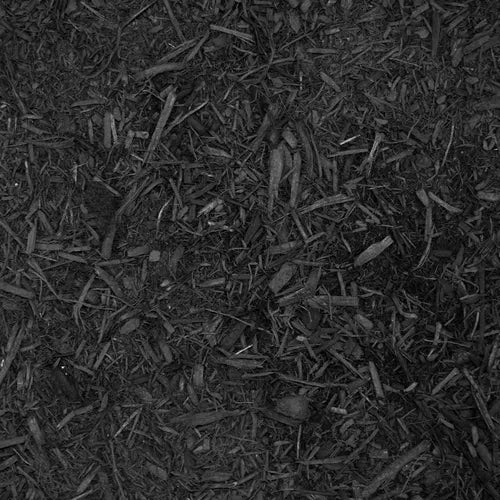
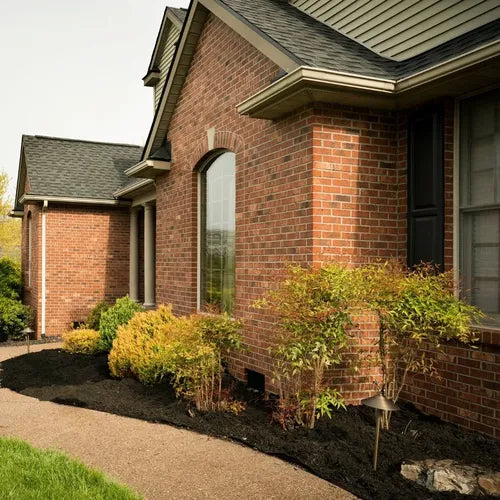
Bold and modern, dyed black mulch creates sharp contrast against light stone borders and the green lawns common across North Texas yards. The rich color holds through intense summer sun and rain, and the double shredded texture spreads smoothly and evenly across foundation beds and tree rings.
Dyed Brown Mulch
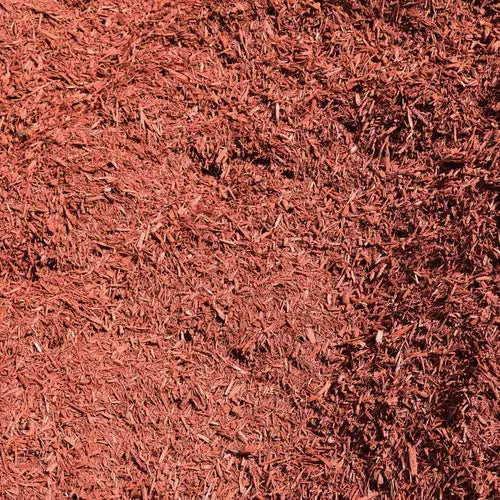
Warm and versatile, dyed brown mulch suits the traditional brick and stone exteriors found throughout this part of Texas. The lasting color stays fresh for weeks under the summer sun, and the double shredded cut spreads cleanly around foundation plantings and border beds.
Natural Brown Mulch
Natural brown mulch delivers an honest, earthy look without any dye, a solid choice for low-maintenance landscapes and relaxed garden styles. Available in double shredded for smooth coverage or triple shredded for a finer finish, it works well in any bed size and holds up through North Texas summers.
Cedar Mulch
Cedar mulch is a practical pick for North Texas gardens where summer heat and humidity attract insects. The natural oils in double shredded cedar repel pests, resist decay, and release a clean aroma that keeps beds smelling and looking fresh through the long growing season.
Complete Your Outdoor Mulch Project
Pairing bulk mulch with a quality garden soil or topsoil blend lets you rebuild depleted McKinney beds before mulching, giving roots a far better growing environment from the start of the season. Adding a decomposed granite or limestone border stone around beds not only looks sharp against the dark mulch but also helps hold edges in place during the heavy Collin County rain events that arrive each spring.
McKinney's Houston Black Clay tends to develop a hard surface layer during dry summer stretches that causes water to bead and run off rather than penetrate. Before spreading fresh mulch each spring, use a garden fork to lightly break up the top inch of soil across your beds. This simple step lets the first heavy rains soak in rather than sheet off the clay surface, and the mulch layer on top will help maintain that porosity through the long dry stretch that follows.
Mulch Mound Pro Tip
Timing your mulch application around McKinney's frost calendar gives you a meaningful advantage. Applying a fresh layer in the first two weeks of March, just before the average last frost on March 15, insulates soil long enough to protect early perennials pushing up through the clay. Then pull the mulch back slightly from plant crowns once nighttime temps stay reliably above 40 degrees so crowns can dry and harden off properly as the growing season accelerates into full gear.
Mulch Mound Pro Tip
McKinney receives about 41 inches of rain per year, but that total is heavily front-loaded into spring with dry gaps stretching through July and August. Mulch is your best tool for bridging those summer dry spells, but its effectiveness depends on maintained thickness. Check your mulch depth in June before the dry stretch intensifies, and if it has compressed below 2 inches, add a quick top-dressing so moisture retention stays strong through the hottest part of the North Texas summer.
Frequently Asked Questions
Click a question to see the answer
Answer
How deep should I apply mulch in McKinney given the hot summers and clay soil?
A 3-inch layer is the target depth for most McKinney plant beds. Houston Black Clay holds moisture longer than sandy soils, so going deeper than 4 inches can trap too much water against root crowns during the heavy spring rains common in Collin County. Spreading at 3 inches gives you strong weed suppression and meaningful soil temperature protection without creating soggy conditions in beds that already drain slowly.
Answer
Will mulch actually help with the cracking clay soil in my McKinney yard?
It makes a significant difference. The expansive Houston Black Clay underneath McKinney yards shrinks and cracks when it dries out, and those cracks damage shallow roots and dry out plant beds quickly. A consistent mulch layer slows evaporation dramatically, keeping the clay from drying to the point where it pulls away from foundations and tree roots. Over time, hardwood mulch that breaks down also adds organic matter that gradually reduces how aggressively the clay expands and contracts through the seasons.
Answer
How often do I need to replenish mulch in McKinney?
Plan on topping off mulch once a year, typically in early spring just after the last frost around March 15. McKinney's summer heat and the microbes that thrive in zone 8b soil accelerate decomposition compared to cooler climates, so even a thick application can thin down to an inch or less after 12 to 14 months. A fresh 1 to 2 inch top-dressing each spring keeps weed pressure low through the entire long growing season.
Answer
Is dyed mulch safe to use around my vegetable garden in McKinney?
Most commercially dyed mulches use iron oxide or carbon-based colorants that are considered safe, but many McKinney gardeners with edible gardens choose natural hardwood or cedar mulch to avoid any uncertainty. If you are mulching ornamental beds, dyed products hold their color well through the summer sun and intense North Texas UV exposure, which can bleach natural mulch to a gray within a few months. For vegetable beds specifically, a natural hardwood or pine bark blend is the straightforward choice.
Answer
What type of mulch works best under the large trees in my McKinney yard?
Shredded hardwood is a strong choice under the large canopy trees common in McKinney, such as live oaks and red oaks. It knits together well and resists displacement during the heavy spring thunderstorms that roll through Collin County. Apply it in a wide ring that extends toward the drip line of the tree and keep it a few inches away from the trunk to prevent rot, since McKinney's wet springs create persistently moist conditions right at the base.
Answer
My beds slope slightly toward the house. Will mulch wash away when we get those big spring storms?
Sloped beds in McKinney are prone to mulch displacement during intense spring rain events that can drop several inches in a short window. Shredded hardwood and double-ground mulches interlock far better than nuggets or wood chips and resist washing significantly. Installing a simple steel or aluminum bed edging along the low side of the slope also keeps mulch in place and makes a meaningful difference when those fast-moving Collin County spring storms hit.
Answer
When is the best time to order and spread mulch in McKinney?
Early spring, between late February and mid-March, is the most effective time to mulch in McKinney. Applying just before or right at the last frost date around March 15 lets you prepare beds before the growing season accelerates and before summer weed seeds begin germinating in the clay in earnest. A second light top-dressing in early October, a few weeks before the first frost around November 11, helps insulate root systems heading into winter.
The Unique Landscape of McKinney
McKinney sits on Houston Black Clay, a dense and expansive soil that swells when saturated and cracks dramatically during summer dry spells, making bare plant beds nearly impossible to maintain without a protective mulch layer. The city's zone 8b climate delivers hot summers where soil temperatures in full sun can push well past 100 degrees Fahrenheit, and a quality mulch layer keeps root zones a full 10 to 15 degrees cooler during those critical months. With 41 inches of rain per year arriving unevenly, often in heavy spring storms followed by long summer dry stretches, mulch acts as a buffer that slows runoff over clay and holds moisture between rain events. McKinney's growing season runs from mid-March through mid-November, giving plants a long window that demands consistent soil conditions, and mulch is the most cost-effective tool for maintaining that consistency. Without it, exposed Houston Black Clay bakes into a hard crust that repels water and suffocates roots, turning routine bed maintenance into a major seasonal project.