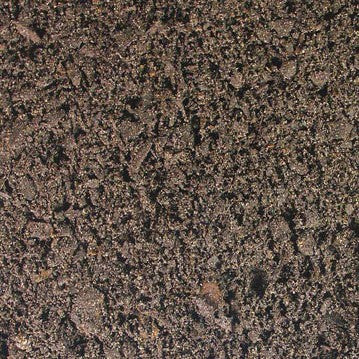
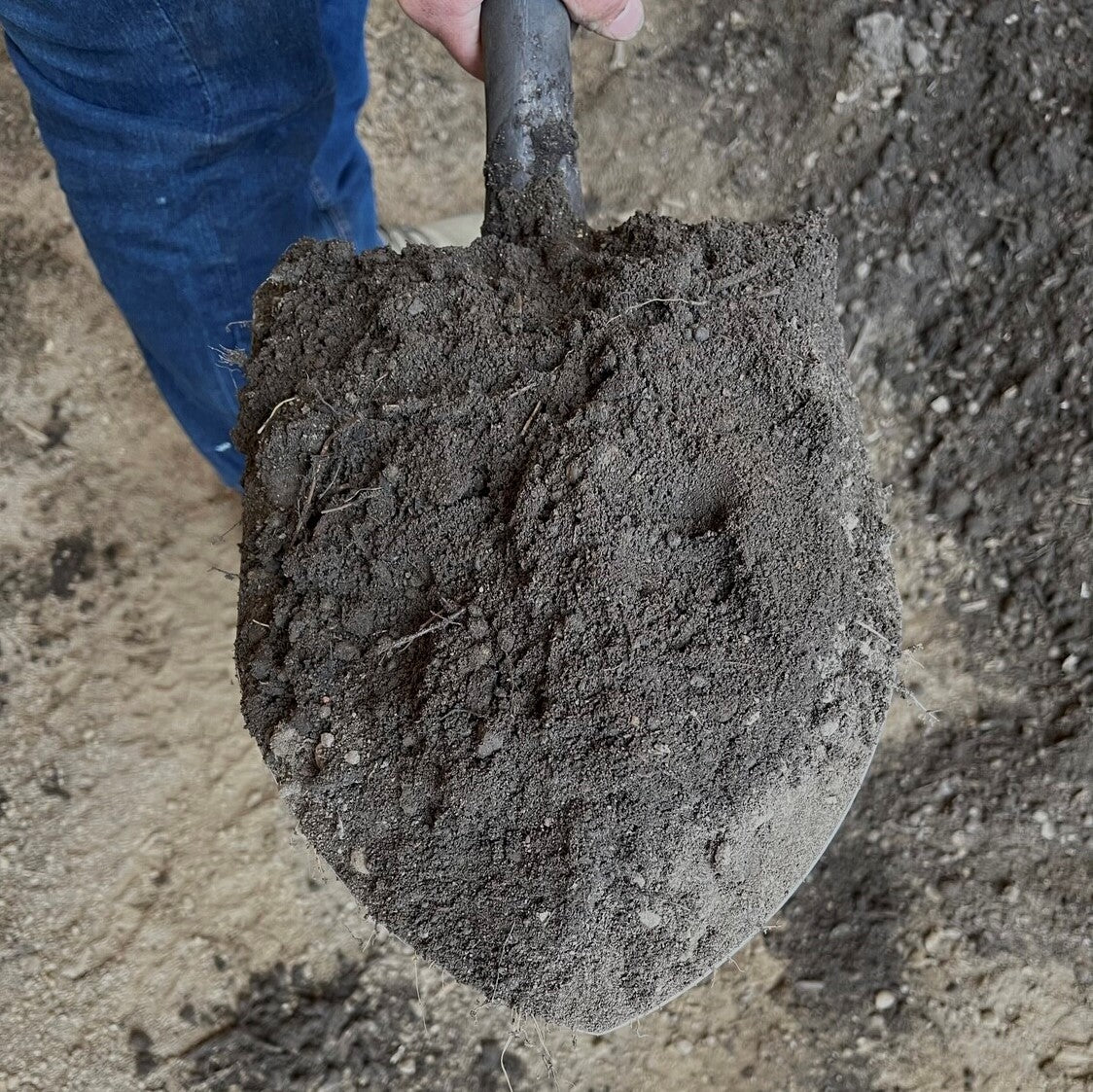
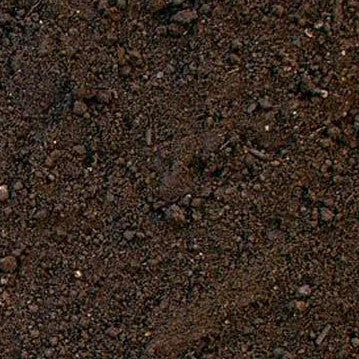
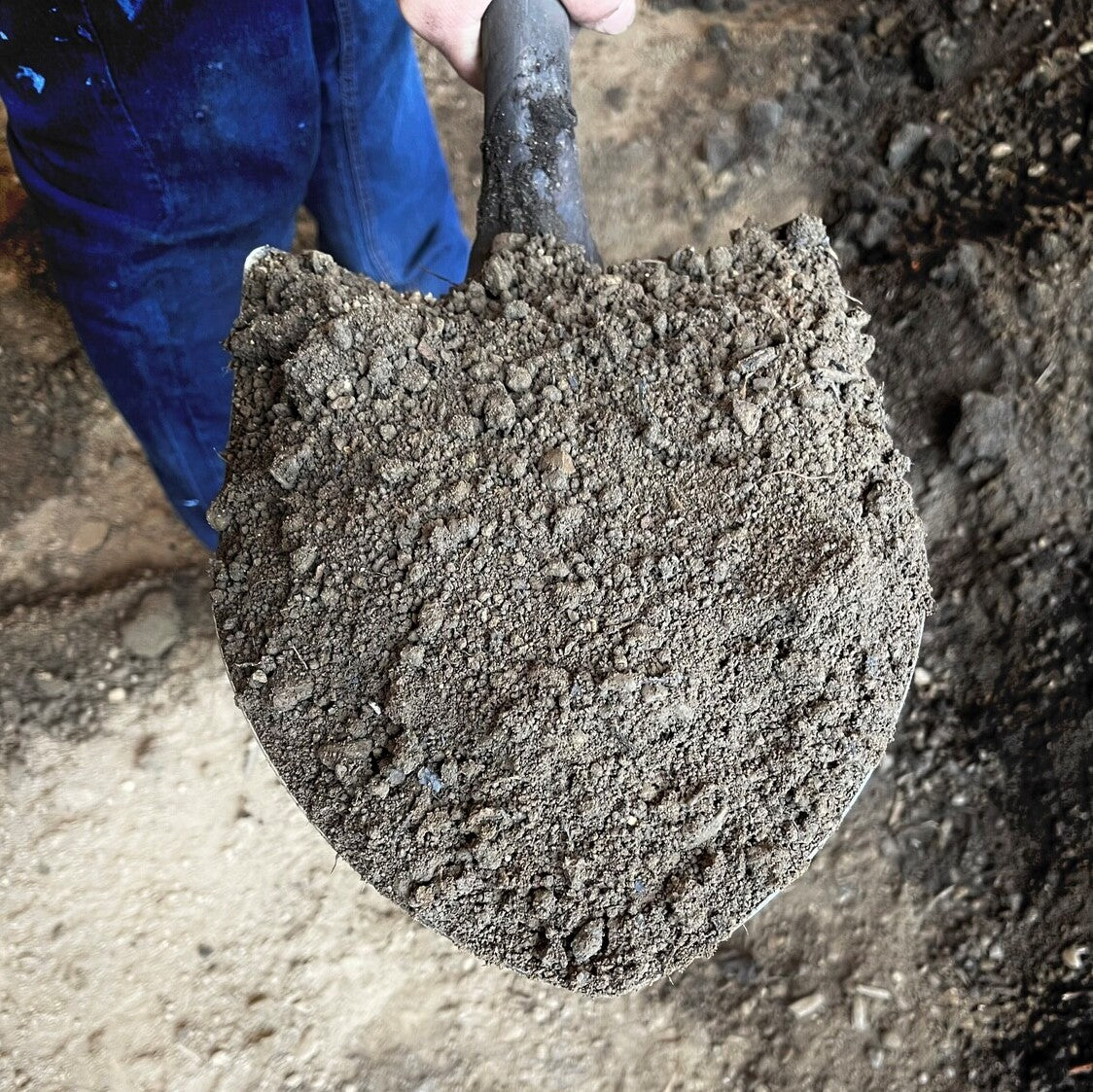
A balanced mix of topsoil and organic amendments ready for raised beds, flower gardens, and new planting areas. Good drainage, solid nutrients, easy to work with.
I used Mulch Mound to have 3 cubic yards of garden soil delivered. The process was easy and I love that I didn't have to call anyone. I placed my order online, picked my delivery date, laid out my tarp and the dirt was delivered. My delivery had to be pushed back, but I was ke...
Tell us what you're looking for
Thanks! We received your request.
Something went wrong. Please try again.
How Much Material Do I Need?
For new planting beds in McKinney, plan on at least 6 to 8 inches of quality soil to give roots enough depth to stay above the worst of the Houston Black Clay and access nutrients and oxygen readily. For raised beds built on top of the native clay, a minimum of 12 inches of blended soil gives warm-season crops and perennials the root room they need to thrive through the full length of the North Texas growing season.
Use our free soil calculator
What is a yard?
A yard is approximately 27 cubic feet. As a general guideline, one yard of material can cover an area of about 10 feet by 10 feet at a few inches deep.
We can't take orders for this right now. Tell us what you need and we'll get back to you.
What do you need?
Thanks! We received your request.
Something went wrong. Please try again.
Hand-picked local yards
4,000+ regional deliveries
Dedicated support
Why order through Mulch Mound
The best local soil, without the guesswork.
We hand-pick and partner with the best yards in your region, keep only the ones our buyers rate well, and back each load with our guarantee.
Mulch Mound Guarantee
If your soil isn't the quantity or quality you ordered, we'll make it right.
About this soil
A balanced mix of topsoil and organic amendments ready for raised beds, flower gardens, and new planting areas. Good drainage, solid nutrients, easy to work with.
I used Mulch Mound to have 3 cubic yards of garden soil delivered. The process was easy and I love that I didn't have to call anyone. I placed my order online, picked my delivery date, laid out my tarp and the dirt was delivered. My delivery had to be pushed back, but I was ke...
How Much Material Do I Need?
For new planting beds in McKinney, plan on at least 6 to 8 inches of quality soil to give roots enough depth to stay above the worst of the Houston Black Clay and access nutrients and oxygen readily. For raised beds built on top of the native clay, a minimum of 12 inches of blended soil gives warm-season crops and perennials the root room they need to thrive through the full length of the North Texas growing season.
Use our free soil calculator
What is a yard?
A yard is approximately 27 cubic feet. As a general guideline, one yard of material can cover an area of about 10 feet by 10 feet at a few inches deep.
I used Mulch Mound to have 3 cubic yards of garden soil delivered. The process was easy and I love that I didn't have to call anyone. I placed my o...
Read full review
I used Mulch Mound to have 3 cubic yards of garden soil delivered. The process was easy and I love that I didn't have to call anyone. I placed my order online, picked my delivery date, laid out my tarp and the dirt was delivered. My delivery had to be pushed back, but I was kept informed via text, which was great. So why not 5 stars? The description of garden soil on the website is "A balanced mix of topsoil and organic amendments ready for raised beds, flower gardens, and new planting areas. Good drainage, solid nutrients, easy to work with." What I got was more like fill dirt. It had a lot of gravel, a lot of clay, and random trash mixed in. I didn't test the soil to see if it actually had "amendments" because I already have compost and alpaca manure ready to add, but if I'd known the quality of the dirt was going to be the same as the bagged dirt I bought last year, I probably would have gotten 2 yards of top soil and a yard of leaf compost for better quality, especially since the leaf compost is cheaper. Photo of my mountain of dirt and just some of the trash I found in it.
To calculate soil volume for your McKinney project, measure the length, width, and desired depth of the area in feet, multiply all three numbers together, then divide by 27 to convert cubic feet into cubic yards. For raised beds, a depth of 12 inches is ideal for most vegetables and perennials growing above the McKinney clay layer. When leveling lawn areas, a half-inch application covers roughly 160 square feet per cubic yard, which is a reliable starting point for estimating your order size.
Soil Types We Deliver in McKinney
Homeowners and landscapers across the area count on bulk soil delivery by the yard in McKinney to bring quality material straight to their driveway or job site. The heavy clay native to this part of North Texas makes imported topsoil and soil amendments especially valuable for establishing healthy lawns and productive gardens. We deliver by the cubic yard with no bag limits, so you get exactly what your project calls for.
Screened Top Soil
Our screened topsoil is the most versatile foundation for new lawns, raised grade work, and landscape fill across this region. Screened to remove debris and clumps, it delivers a clean, workable texture that supports strong root development. It is a solid solution for the compacted or depleted clay soil common in North Texas yards.
Gardening Blend
This balanced mix of topsoil and organic amendments works well for raised beds, flower gardens, and new planting areas. It drains well and works easily, a real advantage when dealing with the dense clay found throughout this part of Texas. Good nutrients and easy handling make it a reliable choice for any new bed.
Garden Compost
Rich, finished compost loaded with organic matter, this standard blend mixes into beds to boost nutrients and improve water retention. North Texas summers are tough on soil biology, and regular compost additions help keep beds productive through the heat. Ideal for vegetable gardens, perennial beds, and any area that needs organic enrichment.
Complete Your Outdoor Soil Project
Topping finished soil beds with a 3-inch layer of bulk mulch locks in moisture and prevents the surface from crusting during McKinney's hot summers, making your soil investment last significantly longer before it needs refreshing. Adding a border of limestone or granite stone around raised beds and new planting areas gives a clean finished edge and helps prevent soil from washing out during the heavy spring rain events that are a regular feature of Collin County weather.
Can I just till bulk soil into my existing McKinney clay or do I need to replace it entirely?
For most McKinney garden beds, tilling quality bulk soil into the top 6 to 8 inches of existing Houston Black Clay is an effective improvement, especially when combined with compost. Replacing the clay entirely is rarely necessary or practical for residential lots. The goal is to break up the clay surface and blend in enough organic-rich soil that drainage and root penetration improve meaningfully. Over two to three growing seasons this approach steadily transforms the native clay into something plants genuinely thrive in.
Answer
How much soil do I need to level out the low spots in my McKinney lawn?
Low spots in McKinney lawns are extremely common because Houston Black Clay expands and contracts with seasonal moisture changes, causing the surface to settle unevenly over time. For shallow depressions less than 2 inches deep, a top-dressing application of sandy loam or topsoil at roughly a half inch per pass works well and can be worked into existing turf without smothering it. Deeper voids may need 2 to 4 inches of fill material, and you should plan to overseed or re-sod those areas once the fill settles after the first few rain cycles.
Answer
What kind of soil should I use for raised vegetable beds in McKinney?
A blend of compost, coarse sand, and topsoil performs very well for raised vegetable beds in McKinney. Because you are building above the native Houston Black Clay, the raised bed mix needs to be loose and well-draining to support the vigorous root growth that warm-season crops like tomatoes, peppers, and squash need during McKinney's long growing season. A mix with at least 30 percent compost gives you the nutrient content and water retention that keeps production high from late March all the way through October.
Answer
Will bulk soil help fix the drainage problem in my backyard that floods every time we get a big storm?
Bulk soil can be a key part of solving drainage issues in McKinney backyards, but it works best as part of a grading plan rather than a standalone fix. Raising the grade around low spots so water moves away from the area is more effective than simply filling the depression in place. McKinney's heavy spring storms can dump 2 to 3 inches of rain in a short window, and Houston Black Clay has almost no natural drainage capacity, so any grading improvement that redirects water volume before it pools is a genuine upgrade.
Answer
Is it okay to use bulk topsoil directly in my McKinney flower beds without mixing anything into it?
Bulk topsoil on its own is a solid base, but McKinney gardeners consistently get better results by blending it with a few inches of compost before planting. Plain topsoil, while much better than the native clay, still benefits from added organic matter to support the microbe populations that feed plants through the long zone 8b growing season. Mixing in roughly one part compost for every three parts topsoil before you plant gives roots an immediate advantage that shows up in plant establishment speed and overall vigor.
Answer
How do I keep the soil in my raised beds from compacting over time in McKinney's heat?
Raised bed soil compaction in McKinney is mostly driven by the intense summer heat breaking down organic matter quickly and by rainfall impact on exposed soil surfaces. Keeping a 2 to 3 inch mulch layer over your raised beds slows both processes significantly. Adding a fresh top-dressing of compost each spring, just before the March planting window opens, replenishes the organic matter that decomposed through the previous year and keeps the bed structure loose enough for strong root development through the next season.
Answer
How early in the year can I have soil delivered and start working on my McKinney yard?
Soil can be delivered any time of year in McKinney, but the most productive window for bed preparation and grading work is late February through mid-March, just ahead of the last frost date around March 15. This timing lets you complete grade work and bed filling while the Houston Black Clay still carries some winter moisture, making it much easier to shape and blend with incoming material. Waiting until full summer to work the clay is difficult because the dry North Texas heat bakes it into a surface that resists every tool.
Mulch Mound Pro Tip
When filling raised beds or grade-work areas over McKinney's Houston Black Clay, take one extra step before placing your new soil. Use a garden fork or broadfork to pierce the clay surface 6 to 8 inches deep at 12-inch intervals across the entire project footprint. This breaks the hard surface layer and creates pathways for roots and water to move between your new soil and the clay below, preventing a perched water table from forming at the interface during heavy spring rains.
Mulch Mound Pro Tip
McKinney's first frost typically arrives around November 11, giving gardeners a clear endpoint for warm-season production and a target date for final soil work. If you are planning any new soil installation or grade work, aim to complete it by late October so freshly placed material has time to settle before cold weather arrives. Soil placed right before a frost can heave slightly as moisture freezes and expands, which disrupts seedlings or newly planted perennials trying to establish before winter.
Mulch Mound Pro Tip
In McKinney, pH management is an often-overlooked part of soil health that directly affects how much nutrition plants can access. Houston Black Clay is naturally alkaline, frequently testing between 7.5 and 8.2, and imported topsoil can drift toward similar alkalinity over time as it blends with the clay below. Test your raised bed and amended bed soil pH every one to two years and add elemental sulfur if needed to keep the range near 6.5 to 7.0, where nutrients become far more available to the vegetables and perennials that McKinney gardeners depend on.
The Unique Landscape of McKinney
McKinney's native Houston Black Clay is one of the most challenging soils for homeowners in North Texas, expanding dramatically when wet and shrinking into deep cracks during the dry summer months that follow spring rain season. While this clay is naturally high in certain minerals, it drains poorly, compacts easily under foot traffic, and creates conditions where new plants struggle to establish during their first season in the ground. Bringing in quality bulk soil allows McKinney residents to create productive garden beds, level out low spots that collect standing water after heavy spring storms, and build raised planting areas that give roots the loose and well-drained environment the native clay simply cannot provide. Grade work is especially important in McKinney neighborhoods where slight elevation variations across the city's 629-foot footprint direct stormwater unpredictably across yards and toward structures. Whether you are filling raised vegetable beds, topping off a lawn that has settled over contracting clay, or constructing new planting beds from scratch, delivered bulk soil is the foundation that makes any landscape project succeed in this city.