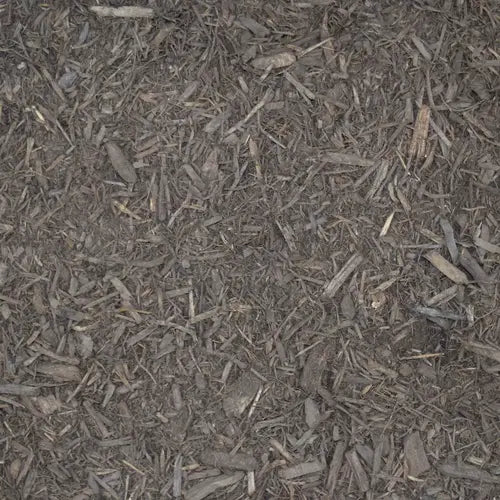
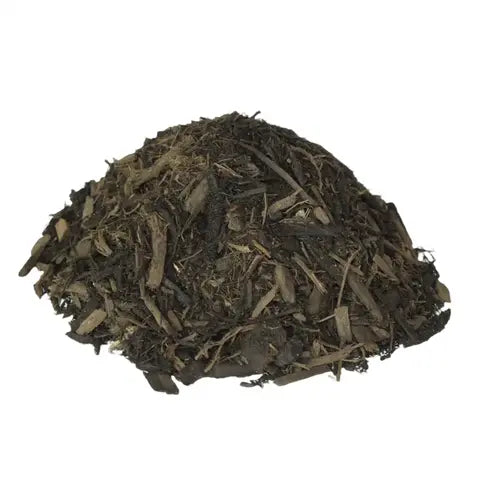
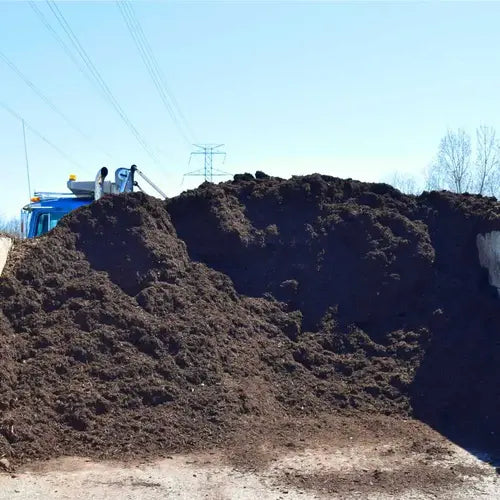
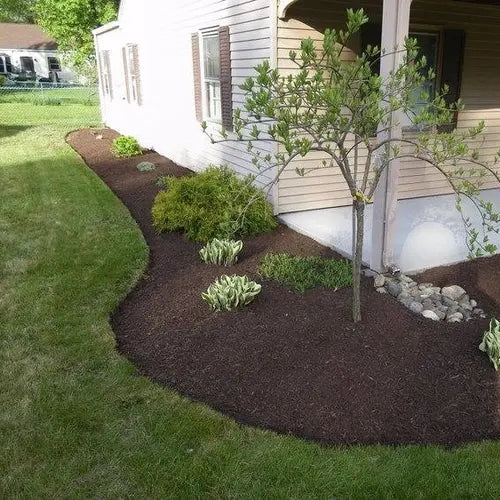
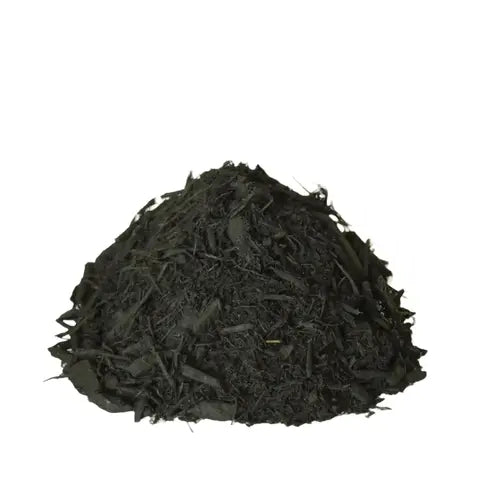
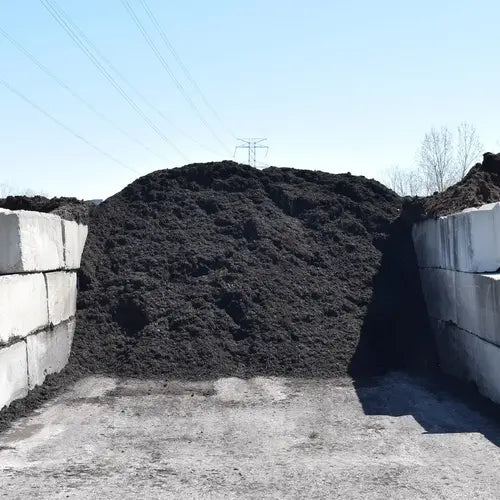
Great experience! Easy to order, they delivered promptly and were very respectful of the property! Ordered the triple shredded brown mulch and it was EXACTLY what I wanted. Very clean product too, no garbage or filler. Already put these guys in my calendar to order from next y...
Tell us what you're looking for
Thanks! We received your request.
Something went wrong. Please try again.
How Much Material Do I Need?
Because Menomonee Falls clay soil compacts and creates pooling, apply a consistent 3-inch mulch layer across garden beds to buffer moisture swings and suppress weeds—increase to 4 inches around trees and shrubs for added winter root protection in Zone 5b.
Use our free mulch calculator
What is a yard?
A yard is approximately 27 cubic feet. As a general guideline, one yard of material can cover an area of about 100-160 square feet at a 2-3 inch depth.
Great experience! Easy to order, they delivered promptly and were very respectful of the property! Ordered the triple shredded brown mulch and it was EXACTLY what I wanted. Very clean product too, no garbage or filler. Already put these guys in my calendar to order from next y...
How Much Material Do I Need?
Because Menomonee Falls clay soil compacts and creates pooling, apply a consistent 3-inch mulch layer across garden beds to buffer moisture swings and suppress weeds—increase to 4 inches around trees and shrubs for added winter root protection in Zone 5b.
Use our free mulch calculator
What is a yard?
A yard is approximately 27 cubic feet. As a general guideline, one yard of material can cover an area of about 100-160 square feet at a 2-3 inch depth.
Great experience! Easy to order, they delivered promptly and were very respectful of the property! Ordered the triple shredded brown mulch and it w...
Read full review
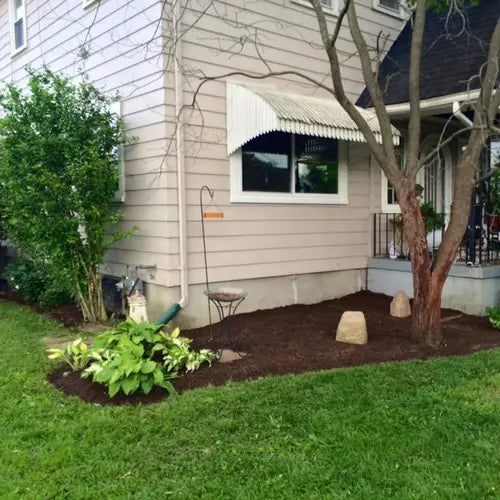
Great experience! Easy to order, they delivered promptly and were very respectful of the property! Ordered the triple shredded brown mulch and it was EXACTLY what I wanted. Very clean product too, no garbage or filler. Already put these guys in my calendar to order from next year! Keep up the good work.
To estimate mulch needs, multiply the length and width of each bed in feet to get square footage, then multiply by your depth in inches and divide by 12 to get cubic feet—divide again by 27 to convert to cubic yards. In Menomonee Falls, clay soil benefits from a full 3-inch application depth, so resist the temptation to order light; thin spots in clay-heavy beds are exactly where weeds push through first.
Mulch vs. No Mulch: The Difference
Menomonee Falls's cold Zone 5b winters and saturating spring thaws accelerate the breakdown of natural hardwood mulch, meaning you'll likely top-dress annually—but that decomposing organic matter genuinely improves clay soil structure over multiple seasons, making natural mulch a long-term investment in bed health. Dyed mulch resists breakdown longer and holds its color through more of the area's 34-inch annual rainfall cycle, making it a popular choice for high-visibility front yard beds where aesthetics are as important as function. The right choice often comes down to whether you prioritize long-term clay soil improvement with natural mulch or consistent curb appeal with less frequent replacement using a dyed product.
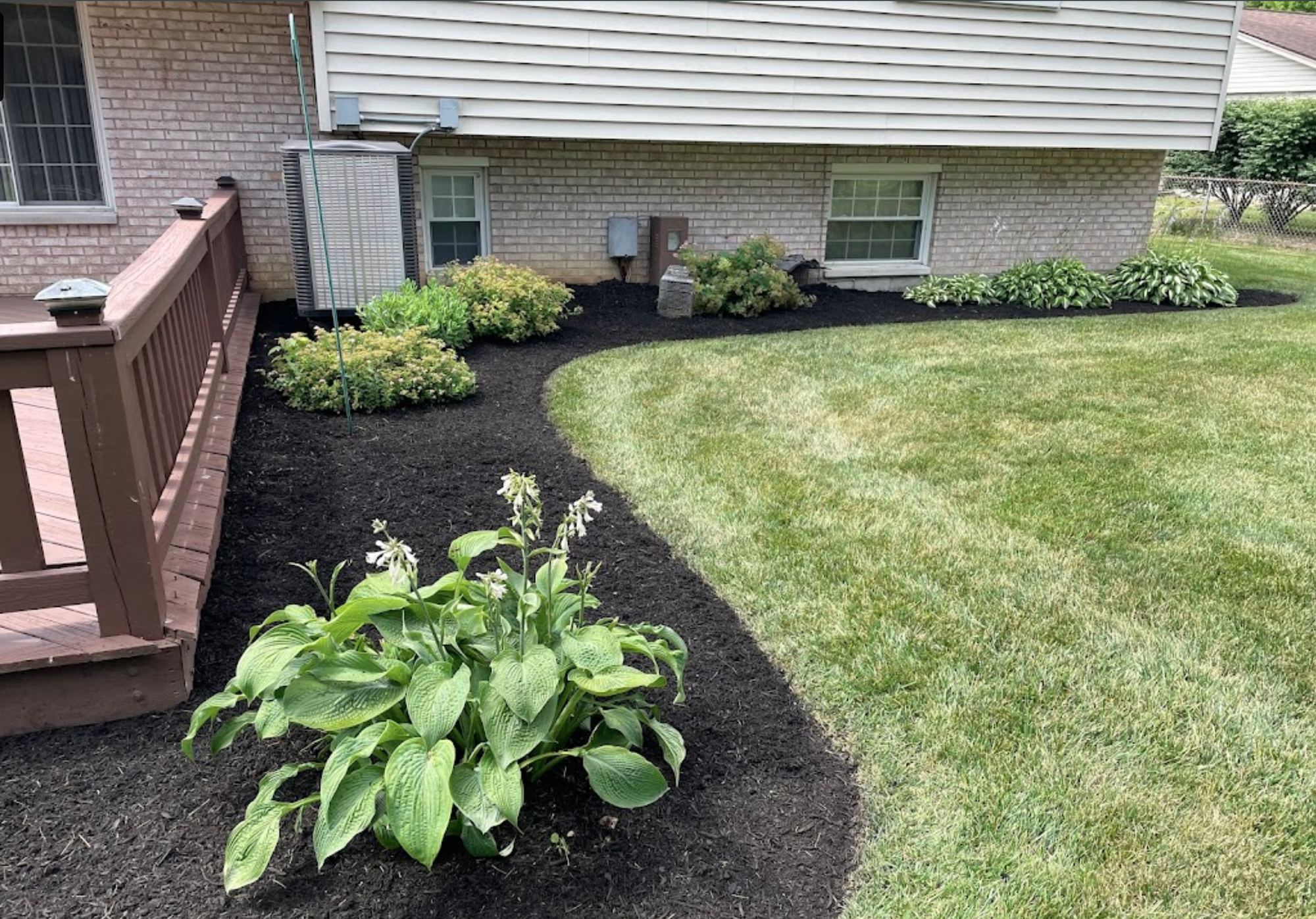
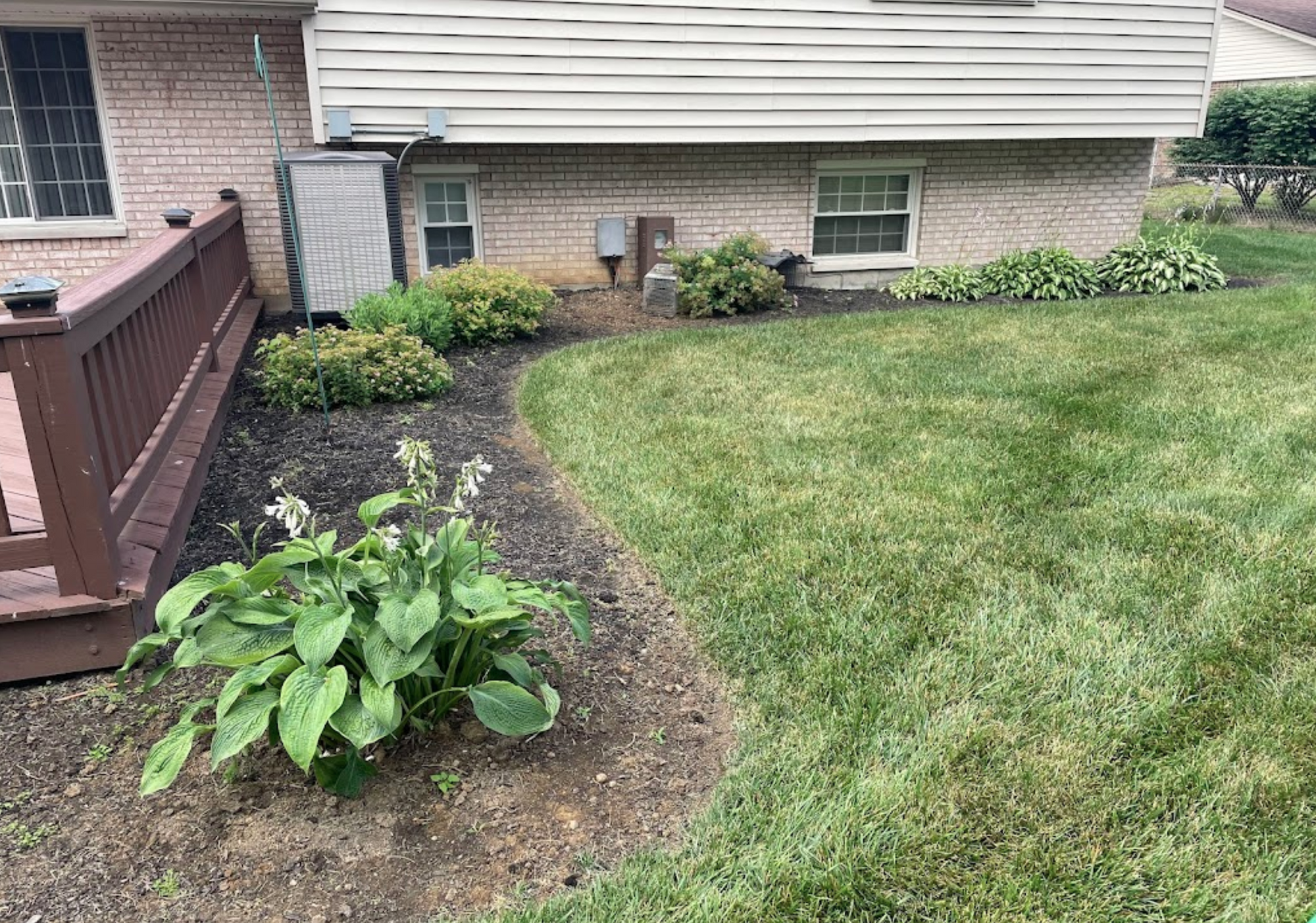
Before
After
Best Mulch Choice for Menomonee Falls Lawns
Most yards in the Menomonee Falls area sit on Clay type of soil. Menomonee Falls clay soil drains poorly and compacts easily, which can suffocate plant roots and create waterlogged conditions in low-lying beds during spring snowmelt and heavy summer rain events.
Hardwood Mulch
Hardwood mulch is particularly well-suited to Menomonee Falls clay because as it decomposes season after season, it contributes organic matter that gradually breaks apart compacted clay particles, improving aeration, drainage, and root penetration in beds that native clay alone would never support.
Mulch Types We Deliver in Menomonee Falls
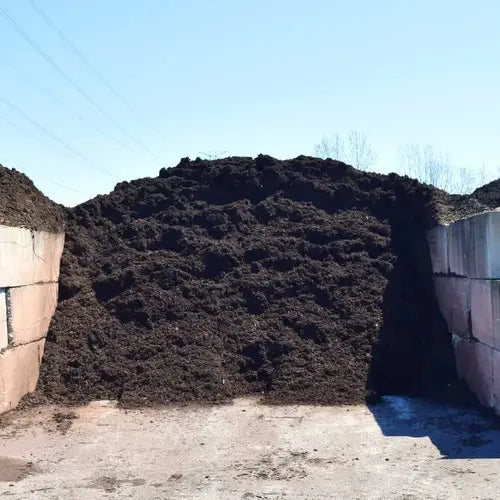
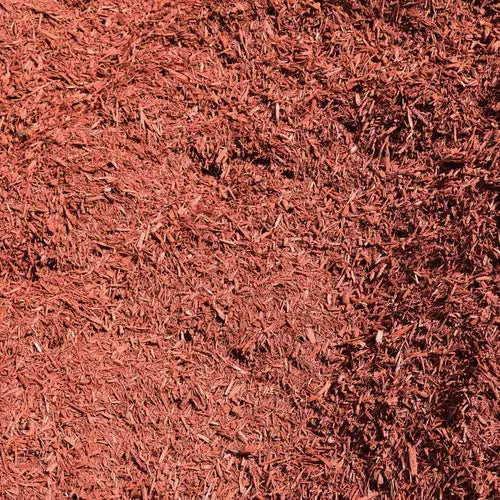
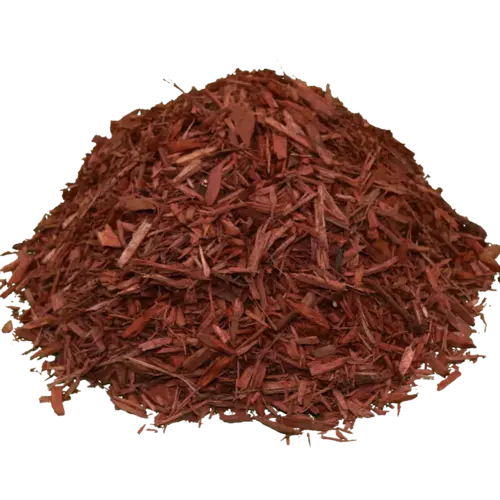
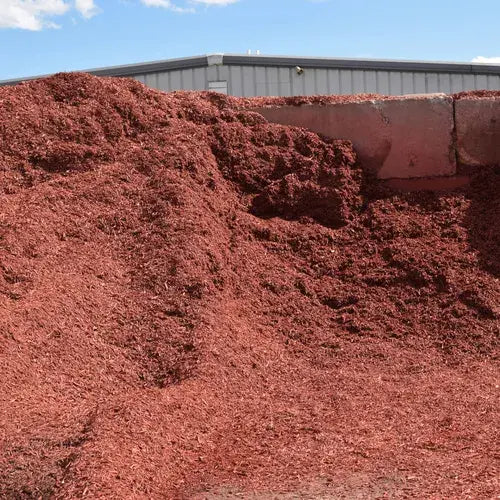
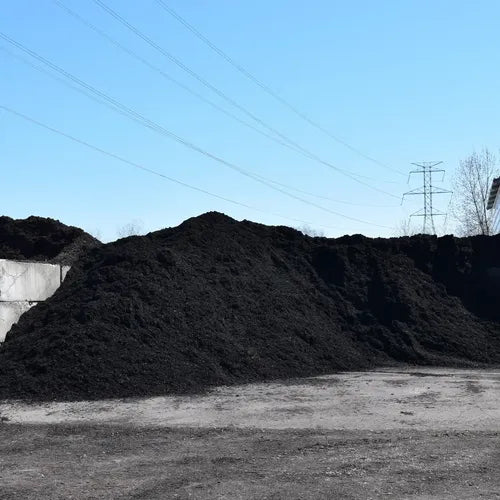
Mulch Mound offers bulk mulch delivery in Menomonee Falls by the cubic yard, brought straight to your driveway so you can tackle beds and borders of any size. Whether you are refreshing foundation plantings around a ranch home or covering wide landscape borders common in this part of Wisconsin, our mulch is loaded fresh and measured accurately. We carry the varieties that local gardeners reach for most, matched to the soils and seasons here.
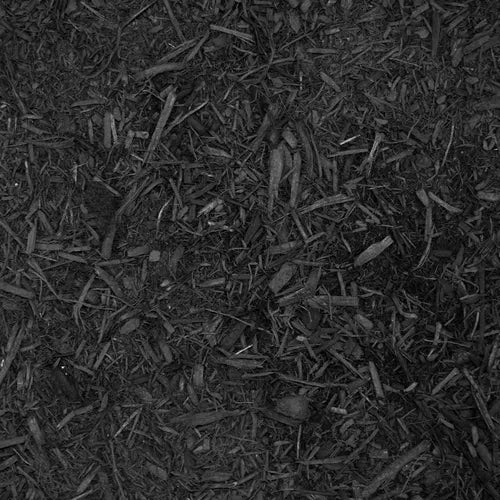
Dyed Black Mulch
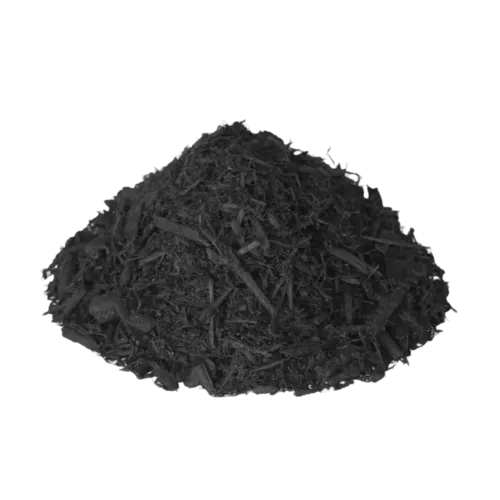
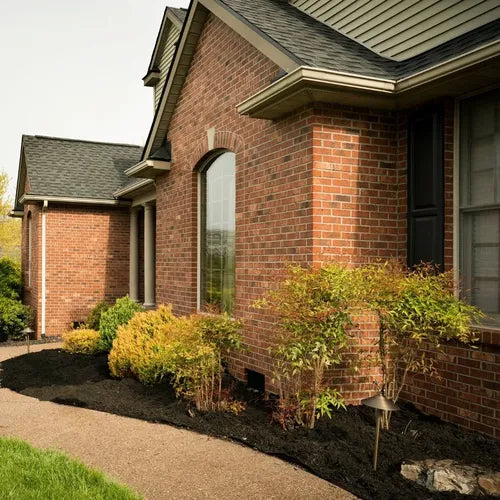
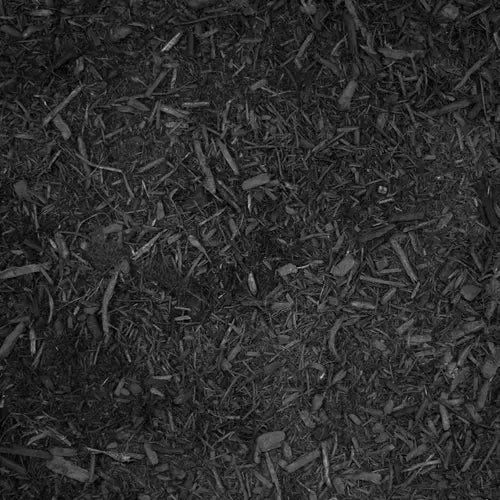
A top seller for homeowners who want sharp curb appeal, this double shredded black mulch creates bold contrast against the green foliage typical of Wisconsin yards. The rich color holds well through wet springs and humid summers, and the smooth texture spreads cleanly across large beds and foundation plantings without clumping.
Dyed Brown Mulch
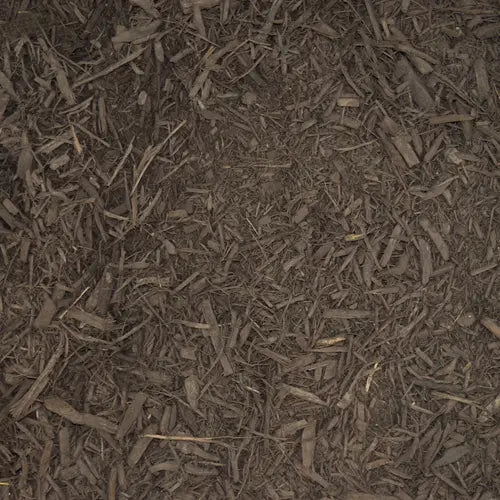
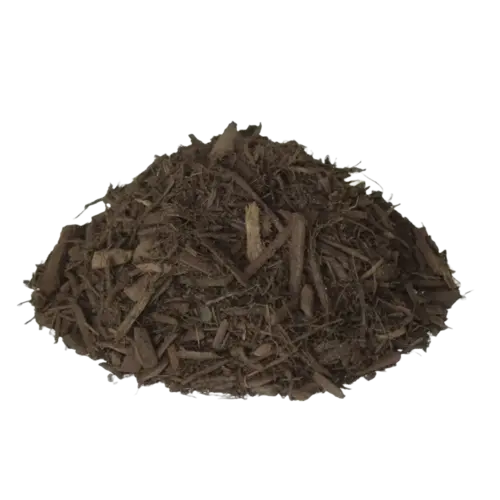
This warm brown double shredded mulch looks freshly applied for weeks and blends naturally alongside the neutral tones common on suburban homes in the area. It spreads smooth, stays put through spring rains, and gives garden beds and borders a polished, finished appearance that holds from planting season into fall.
Natural Brown Mulch
For gardeners who prefer an undyed look, this double shredded natural brown mulch lets the wood speak for itself. The earthy tone suits both formal and informal landscape styles found throughout this part of Wisconsin, and it breaks down gradually over time to help condition the clay-heavy soils common in the region.
Cedar Mulch
Double shredded cedar mulch brings natural insect-repelling properties to beds and borders, a welcome benefit during Wisconsin's warmer months. The lighter tone weathers gracefully through the season, the scent lingers as a gentle deterrent, and the texture stays manageable even when spreading around established perennials and shrubs.
Complete Your Outdoor Mulch Project
If beds have compacted or settled over winter, pair your mulch order with bulk topsoil to re-grade and amend before spreading; adding a decorative stone border from our inventory helps contain mulch edges and gives Menomonee Falls landscapes a clean, defined finish.
Menomonee Falls clay tends to form a hard, sealed crust after winter that prevents mulch from properly bonding with the soil surface and limits root oxygen. Before spreading mulch in spring, run a cultivator through the top inch of each bed and remove matted leaf debris. This simple prep step dramatically improves how moisture moves through your mulch layer and into the clay below, setting your beds up for a healthier growing season from the start.
Mulch Mound Pro Tip
When mulching newly planted trees or shrubs after May 3, avoid the classic 'volcano mulch' mistake of piling material against the trunk. Menomonee Falls's wet springs keep bark damp for extended periods, and mulch pressed against wood creates ideal conditions for fungal crown rot and disease. Pull mulch back 2 to 3 inches from every trunk and stem, forming a donut shape—this protects the root zone while keeping the plant base dry and healthy.
Mulch Mound Pro Tip
With 34 inches of annual rainfall in Menomonee Falls, it might seem like irrigation would never be needed—but clay soil's tendency to repel heavy rain rather than absorb it means beds can dry out surprisingly fast between storm events. A proper 3-inch mulch layer captures rainfall that would otherwise sheet off compacted clay and slowly releases that stored moisture back to plant roots during the dry spells that regularly follow Menomonee Falls's summer thunderstorm patterns.
Frequently Asked Questions
Click a question to see the answer
Answer
How deep should I mulch my beds to get through a Menomonee Falls winter?
For Zone 5b winters in Menomonee Falls, we recommend 3 inches over established perennial beds and 4 inches around the root zones of shrubs and young trees. This depth provides enough insulation to buffer the freeze-thaw cycles that typically begin in November and can persist well into March, preventing the repeated heaving that damages shallow roots in clay soil.
Answer
My yard is all heavy clay—will adding mulch actually help with standing water in my beds?
It helps significantly. Menomonee Falls clay drains slowly, and surface runoff is a persistent issue during spring snowmelt and summer downpours. A 3-inch mulch layer slows the impact of water on the soil surface, giving it more opportunity to percolate rather than sheet off. Over multiple seasons, decomposing organic mulch also adds matter that gradually loosens compacted clay particles, improving long-term drainage and aeration in your beds.
Answer
When is the right time to put down fresh mulch in Menomonee Falls?
The best primary application window is after your last frost—typically around May 3 in Menomonee Falls—once the soil has had a chance to begin warming. Mulching too early in spring traps cold in already slow-warming clay and can delay root activity by weeks. A second light top-dress in early October, just before the average first frost of October 13, gives perennial roots added protection heading into winter.
Answer
Will dyed mulch hold its color through a Wisconsin summer and into fall?
Dyed mulch fades faster under intense UV exposure and frequent rain, and Menomonee Falls averages 34 inches of precipitation annually with strong summer sun. Most quality dyed mulches retain good color through a full growing season before noticeably fading. If color retention is a priority for high-visibility front beds, plan to refresh dyed mulch each spring after the last frost passes.
Answer
I've heard mulch near foundations attracts pests—is that a real concern in Menomonee Falls?
In Menomonee Falls, termites are relatively uncommon this far north in Zone 5b, but voles and mice are a legitimate concern—they overwinter readily in thick mulch piled against foundations. Keep mulch pulled back at least 6 inches from siding and foundation walls, and avoid depths greater than 4 inches near the house. This simple clearance zone deters nesting without sacrificing the benefits mulch provides to your surrounding beds.
Answer
How often do I need to replace or add mulch in this climate?
In Menomonee Falls, natural hardwood mulch typically breaks down within 1 to 2 years because Wisconsin's wet springs, warm summers, and repeated freeze-thaw cycles all accelerate decomposition. Plan to top-dress with 1 to 1.5 fresh inches each spring. Cedar and quality dyed mulches resist breakdown longer and may only need refreshing every other year, making them a lower-maintenance choice for beds that are harder to access.
Answer
Can I use mulch in my vegetable garden, or will it cause problems with late-season frost timing?
Mulch works well in vegetable gardens, but timing is critical in Menomonee Falls. Because the last frost falls around May 3 and clay soil warms especially slowly, hold off on mulching vegetable beds until the soil registers at least 60°F—usually mid-May locally. Once temperatures are right, straw or untreated wood chip mulch helps retain moisture and suppress weeds through the growing season without introducing dyes or additives near edible crops.
The Unique Landscape of Menomonee Falls
Menomonee Falls sits on a foundation of heavy glacial clay that compacts under Wisconsin's relentless freeze-thaw cycles, leaving plant beds hard and oxygen-starved by the time the last frost passes around May 3. A consistent mulch layer acts as a thermal buffer, slowing the dramatic soil temperature swings that Zone 5b winters produce and giving roots a more stable environment to re-establish each spring. With only about 160 frost-free days between May 3 and October 13, plants here don't have time to struggle—mulch helps retain the moisture that supports fast, healthy growth from the moment the ground warms. Menomonee Falls's 34 inches of annual rainfall sounds generous, but clay soil sheds water rather than absorbing it, and mulch slows surface runoff so moisture can penetrate more evenly between storms. Weed pressure surges every spring once the clay thaws, and a properly applied mulch layer is your most effective and lowest-effort defense against that annual germination wave.