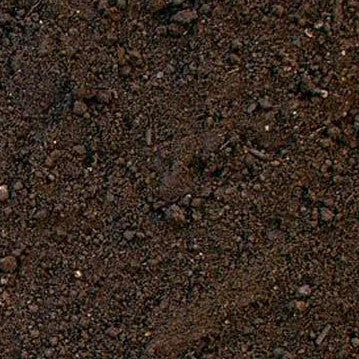
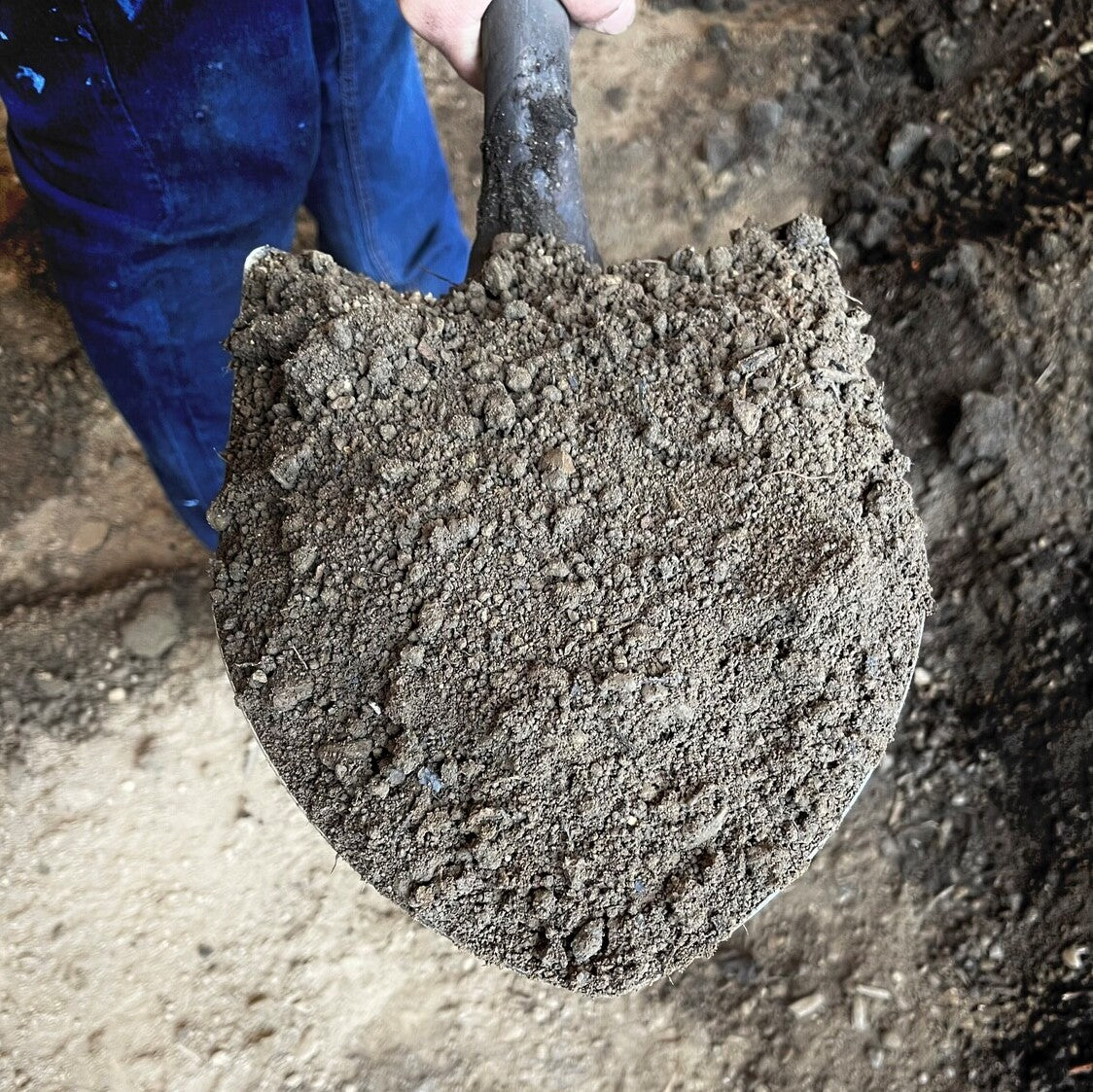
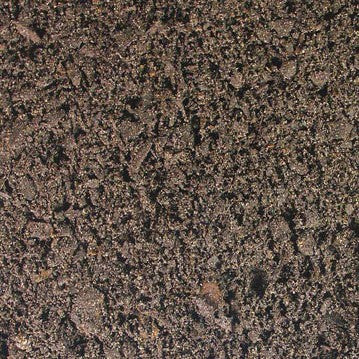
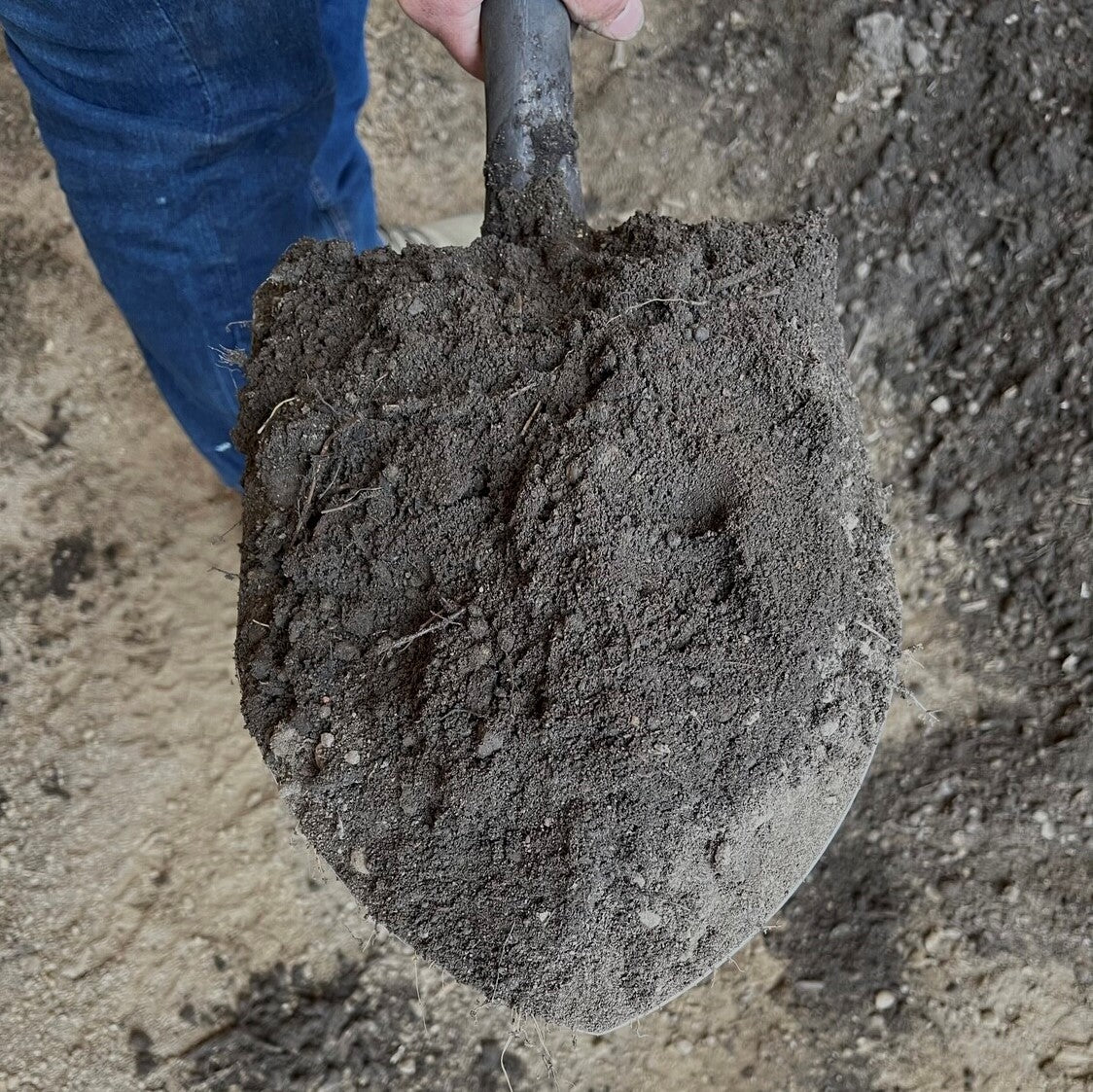
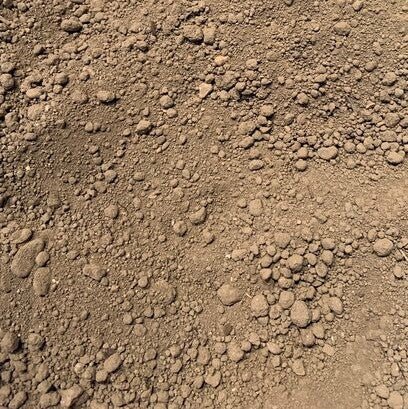
Screened topsoil filtered clean of rocks, roots, and debris. Smooth, consistent texture that is ready for lawns, gardens, raised beds, and finish grading.
Ordered the planting mix with an early Saturday delivery. Super easy ordering experience. Dirt was delivered on time and delivery driver was kind enough to let us know I would take up more room than we though so we could pull cars out of the garage. Will be ordering again
Tell us what you're looking for
Thanks! We received your request.
Something went wrong. Please try again.
How Much Material Do I Need?
For new garden beds over Menomonee Falls clay, apply at least 6 inches of quality topsoil worked into or layered above the native soil to overcome drainage and compaction limitations; lawn leveling applications on clay typically need just one-quarter to one-half inch of screened topsoil spread across affected areas.
Use our free soil calculator
What is a yard?
A yard is approximately 27 cubic feet. As a general guideline, one yard of material can cover an area of about 100-160 square feet at a 2-3 inch depth.
What is a yards?
A yard is approximately 27 cubic feet. As a general guideline, one yard of material can cover an area of about 10 feet by 10 feet at a few inches deep.
We can't take orders for this right now. Tell us what you need and we'll get back to you.
What do you need?
Thanks! We received your request.
Something went wrong. Please try again.
Hand-picked local yards
4,000+ regional deliveries
Dedicated support
Why order through Mulch Mound
The best local soil, without the guesswork.
We hand-pick and partner with the best yards in your region, keep only the ones our buyers rate well, and back each load with our guarantee.
Mulch Mound Guarantee
If your soil isn't the quantity or quality you ordered, we'll make it right.
About this soil
Screened topsoil filtered clean of rocks, roots, and debris. Smooth, consistent texture that is ready for lawns, gardens, raised beds, and finish grading.
Ordered the planting mix with an early Saturday delivery. Super easy ordering experience. Dirt was delivered on time and delivery driver was kind enough to let us know I would take up more room than we though so we could pull cars out of the garage. Will be ordering again
How Much Material Do I Need?
For new garden beds over Menomonee Falls clay, apply at least 6 inches of quality topsoil worked into or layered above the native soil to overcome drainage and compaction limitations; lawn leveling applications on clay typically need just one-quarter to one-half inch of screened topsoil spread across affected areas.
Use our free soil calculator
What is a yard?
A yard is approximately 27 cubic feet. As a general guideline, one yard of material can cover an area of about 100-160 square feet at a 2-3 inch depth.
What is a yards?
A yard is approximately 27 cubic feet. As a general guideline, one yard of material can cover an area of about 10 feet by 10 feet at a few inches deep.
Ordered the planting mix with an early Saturday delivery. Super easy ordering experience. Dirt was delivered on time and delivery driver was kind e...
Read full review
Ordered the planting mix with an early Saturday delivery. Super easy ordering experience. Dirt was delivered on time and delivery driver was kind enough to let us know I would take up more room than we though so we could pull cars out of the garage. Will be ordering again
Measure the length and width of your project area and decide on your target depth—4 inches for a garden bed refresh, 6 to 8 inches for a new bed build, and just one-quarter to one-half inch for lawn topdressing. Multiply length by width by depth in feet and divide by 27 to convert to cubic yards. In Menomonee Falls, where clay soil heaves and settles unevenly through winter, add 10 to 15 percent to your calculation to account for the irregular depressions you'll find once you start grading.
Soil Types We Deliver in Menomonee Falls
Homeowners and landscapers throughout the area count on bulk soil delivery by the cubic yard to build healthier lawns, gardens, and raised beds in Wisconsin's variable climate. If you have been searching for bulk topsoil by the yard in Menomonee Falls, we carry screened, blended, and amended options to match every project size and soil goal.
Screened Top Soil
Our screened top soil arrives filtered clean of rocks, roots, and debris, giving you a smooth and consistent texture that layers evenly across your yard. It is a reliable choice for lawn repair, finish grading, and garden bed preparation in Wisconsin's heavier clay-influenced soils.
Gardening Blend
This premium blend combines top soil and compost to create a ready-to-plant soil that goes straight from delivery to your raised beds or new garden areas. The balanced mix supports strong root development and works especially well for Wisconsin gardeners starting fresh beds after the cold winter months.
Planting Mix
Our standard planting mix is carefully blended with peat, sphagnum, sand, and organic manure to deliver the right balance of hydration, drainage, and nutrients for healthy root growth. It suits raised beds, container gardens, and in-ground plantings where compact Midwest soils would otherwise restrict healthy roots.
Organic Compost
Our premium organic compost is aged leaf compost that works as a natural soil amendment, boosting organic matter and improving moisture retention through Wisconsin's dry summer stretches. Blend it into existing garden beds or spread it as a topdressing to gradually enrich sandy or clay-heavy soils.
Complete Your Outdoor Soil Project
After grading and filling with fresh topsoil, add a mulch delivery to lock in moisture and protect bare soil from Menomonee Falls's spring rain and erosion; a stone border or edging order keeps your new soil contained and gives beds a clean, finished boundary.
Can I mix bulk topsoil into my existing Menomonee Falls clay, or do I need to replace the clay entirely?
For most Menomonee Falls projects, blending is the right and most cost-effective approach. Tilling 4 to 6 inches of quality topsoil or amended soil into the top 8 to 10 inches of your native clay significantly improves drainage and workability without full removal. For raised vegetable beds or areas with severe drainage problems where clay sits below a compaction layer, filling above the clay with fresh soil and using raised framing is often more practical than trying to rehabilitate the native ground.
Answer
When can I actually start working the soil in spring around here without making things worse?
With a last frost around May 3 and slow-warming clay soil at 853 feet elevation, Menomonee Falls gardeners often need to wait until mid-to-late April before native ground is truly workable. Attempting to till or grade clay while it's still saturated from snowmelt compacts it severely and destroys its structure for the season. The simple test: grab a handful of soil and squeeze it—if it crumbles apart, you're ready; if it smears or stays in a solid ball, wait another week.
Answer
How much topsoil do I need to level out my lawn after another rough Menomonee Falls winter?
Freeze-thaw cycles leave most Menomonee Falls lawns with low spots and heaved areas that collect water each spring. For minor leveling, a thin topdress of one-quarter to one-half inch of screened topsoil over low areas is usually sufficient and won't smother existing grass. For depressions deeper than an inch, apply soil in stages and seed between applications. Clay soil yards tend to have more irregular settling than you'd expect, so measure your affected areas and add 10 to 15 percent to your estimate.
Answer
What kind of soil should I fill raised vegetable beds with in Menomonee Falls?
Never fill raised vegetable beds in Menomonee Falls with straight native clay—it compacts into a nearly impenetrable mass and drains miserably. Use a blended topsoil with compost incorporated for drainage and nutrients. The real advantage of raised beds here is that a 12-inch deep bed filled with quality blended soil warms 2 to 3 weeks earlier than your surrounding clay yard in spring—a meaningful head start when your last frost isn't until May 3 and every growing day counts.
Answer
Is screened topsoil good for patching bare spots and overseeding my lawn?
Screened topsoil is excellent for lawn repairs in Menomonee Falls. Apply a thin one-quarter-inch layer over overseeded areas to maintain seed-to-soil contact and retain moisture—critical because dry stretches between southeast Wisconsin spring rain events can desiccate germinating seed quickly. The best seeding window locally is late August through mid-September, when soil temperatures are still warm for germination but fall moisture becomes more consistent and evaporation stress drops.
Answer
How do I keep the new topsoil I spread from washing away when the spring rains start?
With 34 inches of annual rainfall and clay underneath that slows absorption, erosion on freshly graded surfaces is a genuine risk in Menomonee Falls. After spreading and grading your topsoil, seed or sod the area as quickly as possible—bare soil is highly vulnerable. On any slope greater than a few percent, lay erosion control fabric or a light straw cover until vegetation establishes a root system. Avoid scheduling major grading work the day before a forecasted heavy rain.
Answer
Can I use bulk soil to fix the grading around my house foundation?
Yes, and in Menomonee Falls it's one of the most important projects a homeowner can do. The target grade is approximately 1 inch of pitch away from the foundation per foot for the first 6 feet. Spring snowmelt combined with clay soil's notoriously slow drainage regularly pools water against Menomonee Falls foundations. For this application, use a dense fill soil rather than a light, high-organic blend—fill soil compacts properly and won't settle unevenly after the first hard freeze-thaw cycle of the following winter.
Mulch Mound Pro Tip
Menomonee Falls clay forms a hard sealed crust after rain that acts as a frustrating barrier between newly spread topsoil above and native clay below—water stalls at that interface and roots struggle to cross it. When blending new topsoil into existing clay, till both layers together to a depth of 8 to 10 inches rather than simply laying topsoil on top. Eliminating that interface layer is the single most important step for ensuring water and roots actually move through your improved soil.
Mulch Mound Pro Tip
Timing your soil delivery and grading in Menomonee Falls is everything. The window between when clay becomes workable in mid-April and when heavy spring rains make grading impractical is narrow—sometimes only a week or two. Watch the forecast closely and target a dry stretch in late April or very early May, just ahead of the last frost, so beds are prepped and ready to plant without sitting as bare, erosion-prone soil for extended periods.
Mulch Mound Pro Tip
If you're building raised vegetable beds in Menomonee Falls, pay attention to the thermal advantage your soil choice creates. At 853 feet elevation, spring nights stay cold longer than in lower-elevation Milwaukee suburbs, and that extra chill lingers in the ground. A raised bed with 10 to 12 inches of quality blended topsoil warms noticeably faster than in-ground clay, extending your effective growing season by 2 to 3 weeks on the front end—meaningful time when your last frost date is already as late as May 3.
The Unique Landscape of Menomonee Falls
Menomonee Falls is built on a layer of heavy glacial clay that holds nutrients reasonably well but compacts under foot traffic, drains slowly, and leaves garden beds waterlogged well into spring after snowmelt. Amending or replacing that native clay with quality bulk topsoil is often the fastest route to productive vegetable gardens, repaired lawns, and healthy landscape plantings. The short growing window between last frost on May 3 and first frost on October 13 means plants here cannot afford to spend weeks struggling through poor soil—they need a friable, nutrient-rich growing medium from day one. At 853 feet of elevation, Menomonee Falls soil also warms more slowly in spring than lower-elevation communities nearby, making a well-structured topsoil that transitions out of cold temps efficiently all the more valuable. Whether you're leveling a lawn heaved by a brutal winter, building raised vegetable beds to extend your season, or re-grading around a foundation where clay has pooled water for years, quality bulk soil gives you the workable base that native Menomonee Falls clay rarely delivers on its own.