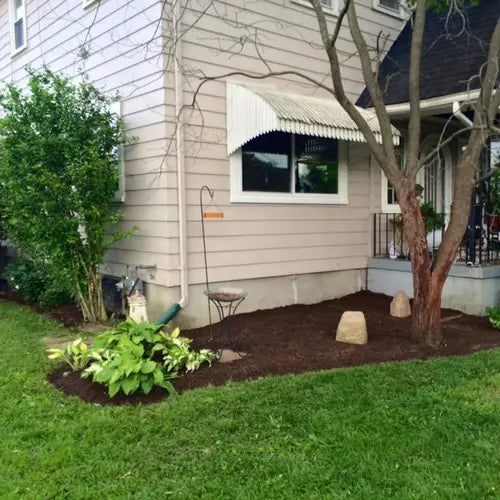
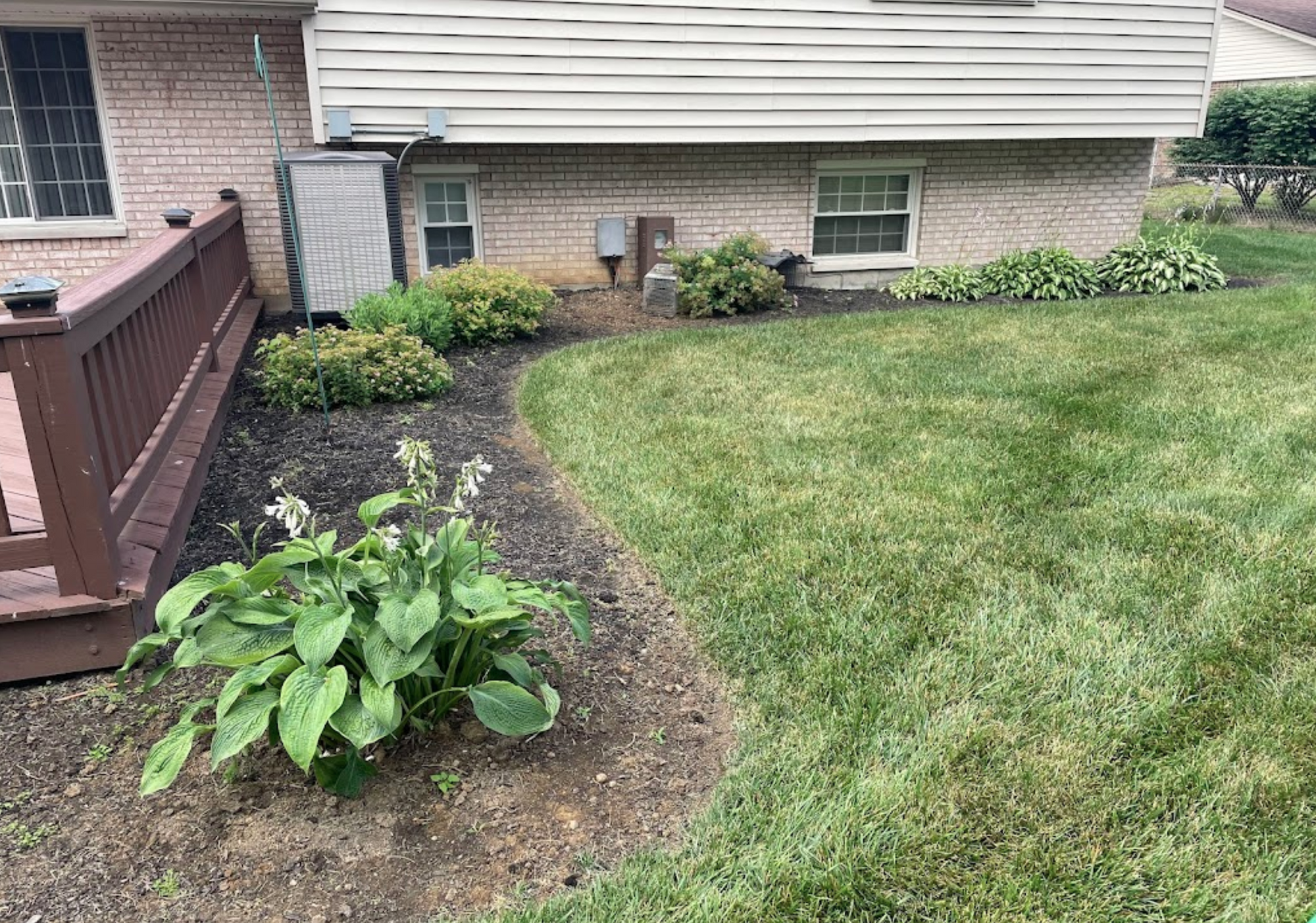
We had a great experience today. This was our first time using Mulch Mound, and I found the price competitive and the online ordering very easy. We are impressed with the quality of the mulch, too! It is covering well - a great value!
Tell us what you're looking for
Thanks! We received your request.
Something went wrong. Please try again.
How Much Material Do I Need?
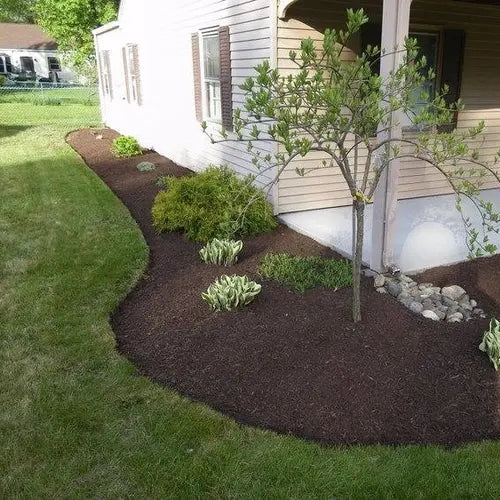
For most Mesa planting beds and tree rings, plan on 3 to 4 inches of mulch depth to achieve meaningful moisture retention and soil temperature benefits through the summer. One cubic yard of mulch covers approximately 80 to 100 square feet at that depth, so measure carefully before ordering.
Use our free mulch calculator
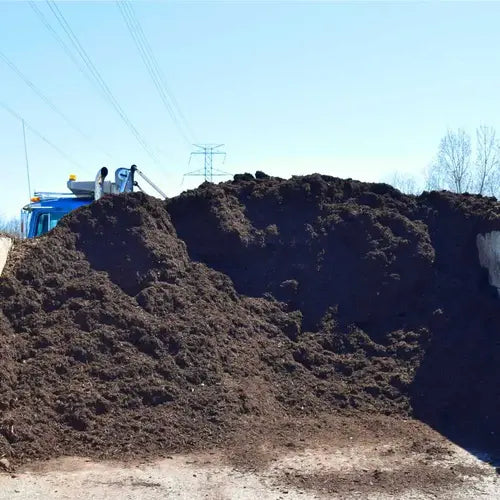
What is a yard?
A yard is approximately 27 cubic feet. As a general guideline, one yard of material can cover an area of about 100-160 square feet at a 2-3 inch depth.
We had a great experience today. This was our first time using Mulch Mound, and I found the price competitive and the online ordering very easy. We are impressed with the quality of the mulch, too! It is covering well - a great value!
How Much Material Do I Need?
For most Mesa planting beds and tree rings, plan on 3 to 4 inches of mulch depth to achieve meaningful moisture retention and soil temperature benefits through the summer. One cubic yard of mulch covers approximately 80 to 100 square feet at that depth, so measure carefully before ordering.
Use our free mulch calculator
What is a yard?
A yard is approximately 27 cubic feet. As a general guideline, one yard of material can cover an area of about 100-160 square feet at a 2-3 inch depth.
We had a great experience today. This was our first time using Mulch Mound, and I found the price competitive and the online ordering very easy. ...
Read full review
We had a great experience today. This was our first time using Mulch Mound, and I found the price competitive and the online ordering very easy. We are impressed with the quality of the mulch, too! It is covering well - a great value!
Great experience with mulch mound. Their online calculator made it easy to estimate how many yards of mulch I needed and delivery was quick. I woul...
Read full review
Great experience with mulch mound. Their online calculator made it easy to estimate how many yards of mulch I needed and delivery was quick. I would definitely recommend them for your future projects.
When measuring your beds in Mesa, walk the perimeter and break irregular shapes into simple rectangles or circles to get a workable square footage number. Multiply your square footage by your desired depth in inches and divide by 324 to get cubic yards, which is how bulk mulch is sold. Because Mesa's sandy soil drains so fast, rounding up slightly rather than ordering the bare minimum means you will have enough to achieve a full 3 to 4 inch depth without running short.
Mulch vs. No Mulch: The Difference
Mesa's combination of intense UV exposure, temperatures that stay above 90 degrees for months at a time, and very low humidity means organic mulches break down noticeably faster here than the national averages suggest. That faster decomposition rate is not entirely a bad thing because it means organic matter is slowly feeding into your soil, but it does mean you need to plan for annual reapplication rather than every few years. Non-organic options like decomposed granite do not break down at all, which is a real advantage for low-maintenance areas, but they also add nothing to soil health over time.
Before
After
Best Mulch Choice for Mesa Lawns
Most yards in the Mesa area sit on type of soil. Mesa's sandy alkaline soil drains so aggressively that plant bed moisture disappears quickly between irrigation cycles, leaving roots to stress in the heat. An organic mulch layer slows that moisture loss at the surface and gives plant roots more consistent access to water without requiring you to run irrigation more frequently.
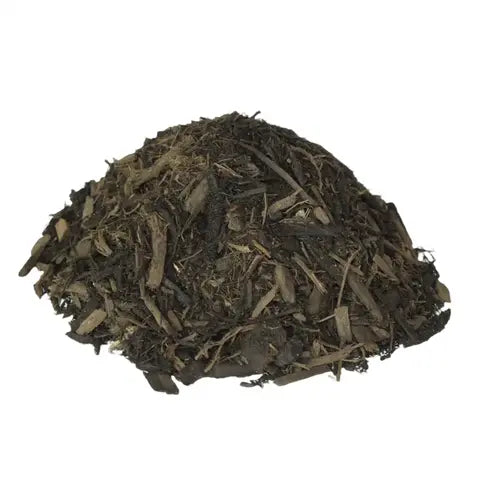
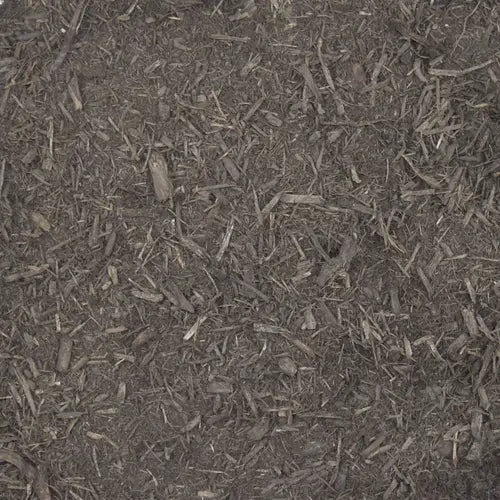
Hardwood Mulch
Hardwood mulch is particularly beneficial for Mesa's alkaline sandy soil because as it decomposes it introduces organic acids that very gradually work to moderate pH and improve the soil's ability to hold both moisture and nutrients. Over multiple seasons of consistent hardwood mulch application, the top few inches of your planting beds will develop a noticeably improved structure compared to untreated native Mesa soil.
Complete Your Outdoor Mulch Project
Pairing mulch with a quality garden soil or compost-enriched topsoil lets you build the organic foundation that Mesa's native sandy soil lacks before you ever spread the first shovelful of mulch. Browse our soil options to find a blend that works alongside your mulch for better plant establishment and root development.
Mulch Mound Pro Tip
Mesa's soil pH typically runs between 7.5 and 8.5, which is alkaline enough to lock iron and manganese away from plant roots and cause that telltale yellowing between leaf veins called chlorosis. Layering organic mulch annually and letting it decompose into the soil is one of the gentler long-term strategies for moving pH in the right direction. Consistent mulching over several seasons, combined with the occasional soil amendment, gives you a compounding benefit that a single treatment never achieves on its own.
Mulch Mound Pro Tip
Timing your mulch application around Mesa's monsoon season matters more than most people realize. The window between late June and September brings bursts of intense rainfall that can compress and wash away thin mulch layers, especially on any slope in your yard. Applying mulch in early spring at a full 4 inch depth gives it time to settle and interlock before the monsoons arrive, and a quick inspection after heavy storms lets you spot any areas that eroded and need a quick top-off before the next rain event.
Mulch Mound Pro Tip
If you have citrus trees in your Mesa yard, which is extremely common in the area, keep wood mulch pulled back at least 12 inches from the trunk and avoid piling it against the lower bark. Citrus roots in Mesa's warm soil are active year-round and the trunk base needs to dry out between waterings. A mulch-free zone right at the base paired with a wider ring of mulch out to the drip line of the canopy gives you the moisture retention benefits in the root zone without the crown rot risk that comes from mulch contact with the bark.
Frequently Asked Questions
Click a question to see the answer
Answer
How often should I reapply mulch in Mesa given the intense sun and heat?
In Mesa's climate, organic mulches break down faster than they would in cooler regions because the heat accelerates decomposition, especially during the summer months. Most Mesa homeowners find they need to top off their mulch beds once a year, typically in early spring before temperatures climb, to maintain the recommended 3 to 4 inch depth that keeps soil cool and retains moisture effectively.
Answer
Will wood mulch attract termites to my Mesa home?
This is one of the most common concerns we hear from Mesa homeowners, and it is a reasonable one given how active termites are in the greater Phoenix area. The key is to keep mulch pulled back at least 6 inches from your foundation and exterior walls. Termites are not actually attracted to mulch itself but rather to the moisture it retains near wood structures, so maintaining that clearance zone and keeping mulch dry at the edges nearest your home reduces the risk significantly.
Answer
Does mulch actually make a difference in soil that is already this sandy and alkaline?
Absolutely, and arguably mulch matters more in Mesa's sandy alkaline soil than it would in already-rich garden soil. Mesa's native soil drains so fast that water often passes through before roots can absorb it, and the high pH locks out nutrients that plants need. As organic mulch decomposes it adds organic matter that improves water retention and very gradually helps moderate pH levels, creating a better root environment over multiple seasons of consistent application.
Answer
What time of year should I put down fresh mulch here in Mesa?
Early spring, typically February through March after Mesa's last average frost date of around February 15th, is the ideal window for refreshing mulch. Applying before the summer heat arrives means your soil gets the full benefit of moisture retention and temperature moderation heading into the hottest months. A secondary application or top-off in late October before the mild Mesa winter is also worthwhile, especially around frost-sensitive plants that may need extra root protection through November.
Answer
How deep should my mulch be to actually keep soil cool during a Mesa summer?
In Mesa specifically, a depth of 3 to 4 inches is the sweet spot for organic mulch. Anything less than 3 inches tends to dry out quickly and loses most of its insulating value during the intense heat of June through August. Going much deeper than 4 inches can create moisture problems at the soil surface and may invite fungal issues, so that 3 to 4 inch range balances protection with good air circulation.
Answer
Is colored mulch safe for my vegetable garden beds in Mesa?
Most dyed mulches sold today use iron oxide or carbon-based colorants that are considered safe for garden use, but if you are growing edibles it is still worth asking what dye and base wood are used. For vegetable beds in Mesa, an undyed hardwood or cedar mulch is a straightforward choice that eliminates any uncertainty. The more important factor for Mesa veggie gardens is keeping the mulch pulled slightly away from plant stems so moisture does not encourage rot during summer watering cycles.
Answer
Can I use mulch around my desert plants like saguaros and agaves or is it just for traditional garden beds?
For true desert natives like saguaros and most agave varieties, inorganic mulches like decomposed granite or crushed stone are a better fit because they mimic the natural desert floor and do not retain moisture against the crown of the plant. However, for adapted desert plants that appreciate slightly more water retention, like desert willow or Texas ranger, a thin layer of wood mulch a couple of inches from the trunk can help. Knowing which plants in your Mesa yard are true xeric versus just drought-tolerant makes all the difference in choosing the right mulch approach.
The Unique Landscape of Mesa
Mesa's desert climate creates a brutal cycle for plant beds, with summer temperatures regularly exceeding 110 degrees and only about 8 inches of rain falling each year. Without a protective layer of mulch, the sandy alkaline soil bakes into a hard crust that sheds water rather than absorbing it, leaving roots starved of moisture between watering cycles. Organic mulch acts as a thermal blanket, keeping soil temperatures significantly cooler during the long Mesa summers and reducing the evaporation that drives up irrigation costs. The low rainfall also means that what little organic matter exists in native Mesa soil breaks down slowly and is rarely replenished naturally, making mulch applications an important way to build long-term soil health. A proper mulch layer in Mesa can cut outdoor water use noticeably, which matters in a region where water costs continue to rise every season.