About this sand

Washed and finely screened masonry sand for mortar, paver joints, and pool bases. Consistent grain, ready to screed.

The website to order is super easy to use. Pick a mulch, date/time/driveway location of the delivery and that’s it. A few days later there was a nice mound of mulch in my driveway. Great service - just as promised.

One cubic yard of mason sand covers roughly 324 square feet at a 1 inch depth, which is the typical setting bed thickness for most mortar and paver joint work. For a pool deck or a paver patio, measure your square footage first, then figure your depth between 1 and 2 inches depending on the application before ordering. Most residential jobs land somewhere between half a yard and two yards.

A yard is approximately 27 cubic feet. As a general guideline, one yard of material can cover an area of about 100-160 square feet at a 2-3 inch depth.

Miami Sand Delivery

Miami Sand Delivery

4.7
137 reviews
Regular price $74.00 per Yard
Regular price Sale price $74.00
Sale Sold out
Shipping calculated at checkout.
Type
Size
Minimum of 3 Yard
Hand-picked local yards
4,000+ regional deliveries
Dedicated support
Why order through Mulch Mound

The best local sand, without the guesswork.

We hand-pick and partner with the best yards in your region, keep only the ones our buyers rate well, and back each load with our guarantee.

Mulch Mound Guarantee

If your sand isn't the quantity or quality you ordered, we'll make it right.

About this sand

Washed and finely screened masonry sand for mortar, paver joints, and pool bases. Consistent grain, ready to screed.

The website to order is super easy to use. Pick a mulch, date/time/driveway location of the delivery and that’s it. A few days later there was a nice mound of mulch in my driveway. Great service - just as promised.

One cubic yard of mason sand covers roughly 324 square feet at a 1 inch depth, which is the typical setting bed thickness for most mortar and paver joint work. For a pool deck or a paver patio, measure your square footage first, then figure your depth between 1 and 2 inches depending on the application before ordering. Most residential jobs land somewhere between half a yard and two yards.

A yard is approximately 27 cubic feet. As a general guideline, one yard of material can cover an area of about 100-160 square feet at a 2-3 inch depth.

View full details

How It Works

Getting started is easy — just follow these simple steps

1

Choose your quantity

Adjust the quantity to match your project. One cubic yard covers about 100 to 160 square feet at a 2 to 3 inch depth.

2

Select your delivery date

Select a delivery date you'd like for the product to be dropped off at your home

3

Sit back and wait

Sit back, wait, and let us work our magic to make sure the highest quality product is delivered to your driveway.

From The Mouths of Miami Folks

4.7
out of 5 based on 137 reviews
Google Reviews

Complete Your Outdoor Project

Mason sand pairs naturally with pavers, crushed limestone base material, and bagged cement for mortar mixing. A lot of Miami crews are shifting paver bedding over to clean chip stone since it does not pump moisture the way sand can under our heavy rain, so ask about that if you are building a new patio rather than repairing one.

Mulch Mound Pro Tip

Miami's limestone base rock is alkaline, and mason sand does not neutralize that, so if you are mixing mortar for anything near planting beds or irrigation lines, keep runoff in mind. For pool decks, lay your sand bed the same day you plan to set pavers or coping. Afternoon storms are frequent enough here that an exposed sand bed can wash out or develop low spots within a few hours if a squall rolls through before you finish.

Mulch Mound Pro Tip

A common mistake is confusing mason sand with concrete sand or fill sand, which are coarser and will not hold a mortar joint the way mason sand does. If your mortar keeps crumbling or won't trowel smooth, check that you actually ordered mason sand and not a coarser substitute. This matters more in humid climates like Miami where mortar needs to cure slowly and evenly.

Mulch Mound Pro Tip

If you are setting pavers rather than mortaring, consider chip stone instead of sand for the bedding layer. It has become the standard in a lot of new Miami installs because it locks together and resists the pumping and washout that sand beds can suffer during our wet season, especially on pool decks that see constant water exposure.

Working With Sand in Miami

Miami sits on limestone and sandy soil at about 6 feet of elevation, so drainage is rarely the issue, but workability is. Mason sand is what masons around Vizcaya and the older Coral Gables neighborhoods have always reached for because it mixes into a smooth, sticky mortar that concrete sand cannot match. With hardscape season running spring through fall here and almost no frost to worry about, most pool deck and paver crews can pour and set nearly year round. Just keep in mind the finer grain means it can wash out faster in our afternoon downpours if it sits uncovered.

Masonry vs Fill Sand

Masonry sand is washed and finely screened, the right choice for mortar work, paver joints, and sandboxes. Fill sand is coarser and less processed, better suited to leveling, bedding pipe, and filling low spots.

Bedding and Leveling

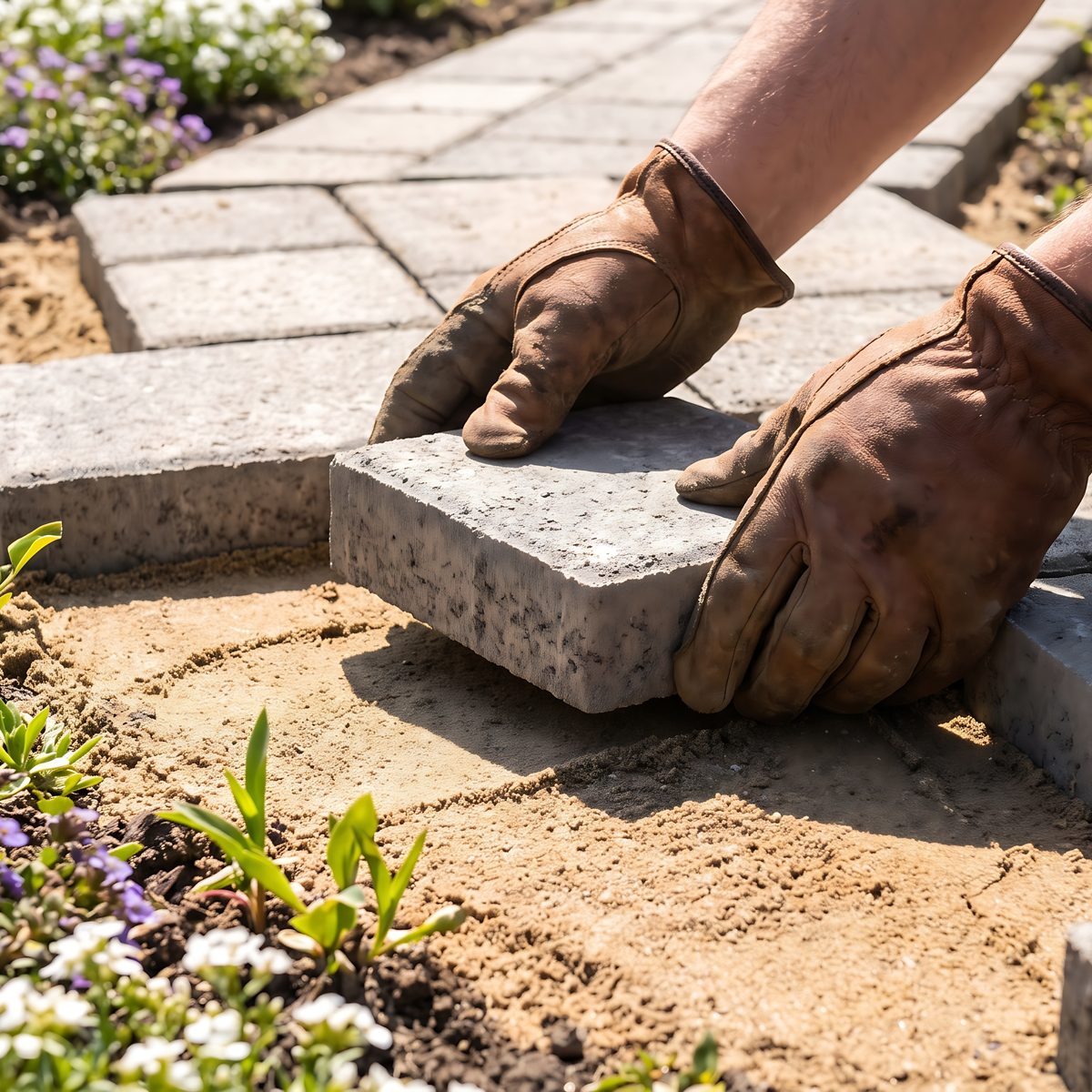
For pavers, screed a 1 inch sand bed over a compacted base rather than using sand to fix deep grade problems. A thin, even bed locks pavers in place. A thick one shifts underfoot.

Working With Moisture

Slightly damp sand spreads, screeds, and compacts far more easily than bone dry sand, which just flows back into your screed lines. Lightly wetting the pile before you work it saves real effort.

Frequently Asked Questions

Click a question to see the answer

Answer

Is mason sand the same as regular sand from a hardware store?

No, mason sand is washed and finely screened to a uniform grain size, which is why it mixes into workable mortar and packs well for paver joints. Bagged hardware store sand is often coarser or inconsistent, which makes it harder to trowel and less reliable for mortar work.

Answer

How many cubic yards do I need for a pool deck?

One cubic yard covers about 324 square feet at a 1 inch depth, which is a typical setting bed thickness. Measure your deck's square footage, divide by 324, and round up slightly to account for compaction once the sand is worked and leveled.

Answer

Can I install mason sand during Miami's rainy season?

You can, but timing matters. Try to lay your sand bed and set your material the same day, since exposed sand can wash out during a sudden afternoon downpour. Working in the morning before typical storm buildup tends to give the best results.

Answer

Where will the sand be placed on delivery day?

The driver places the load wherever you direct at a clear, accessible spot, usually a driveway or the edge of your property closest to the work area. A full cubic yard is heavy, so a hard flat surface like concrete or asphalt holds up better than grass or soft ground.

Answer

Should I use mason sand or chip stone for paver bedding?

Mason sand has traditionally been used for paver bedding, but chip stone is becoming more common in Miami because it does not pump or wash out under heavy rain the way sand can. If your project is mortar mixing or pool base work, mason sand is still the right choice.

More delivery around Miami, Florida

All Miami, Florida landscape supply