


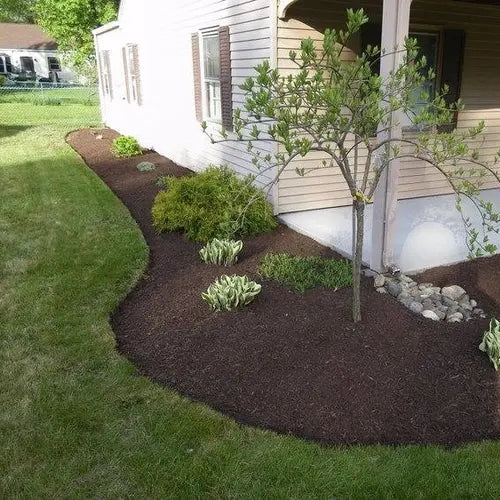

About this mulch

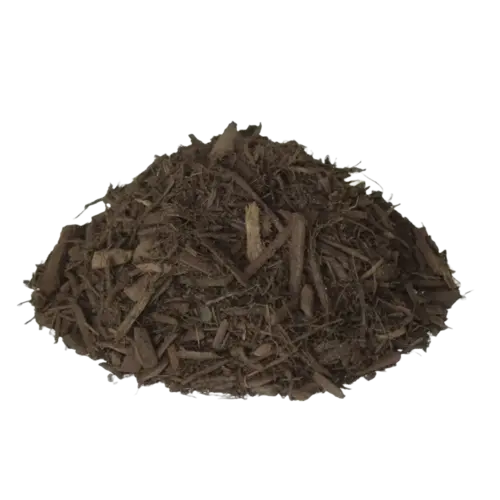
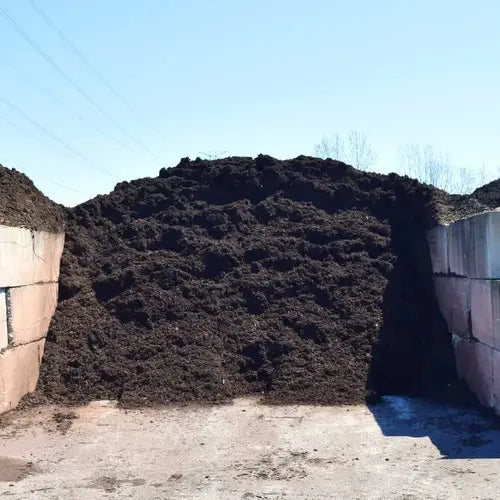
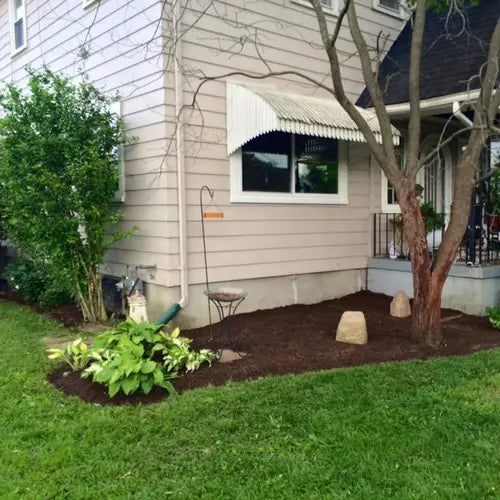
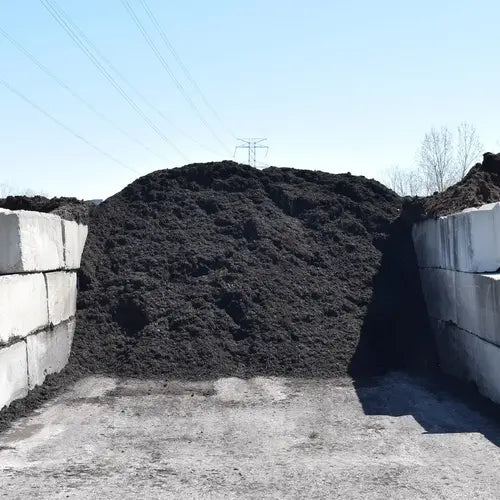
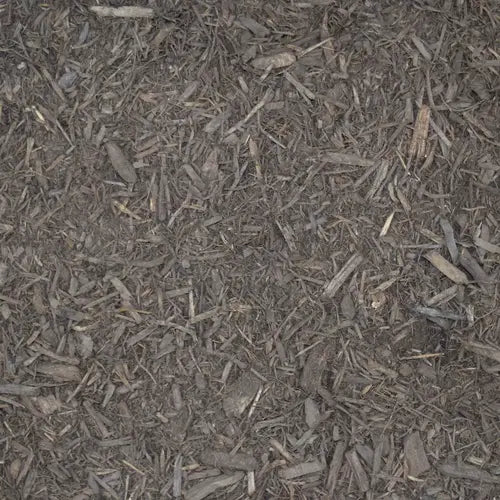
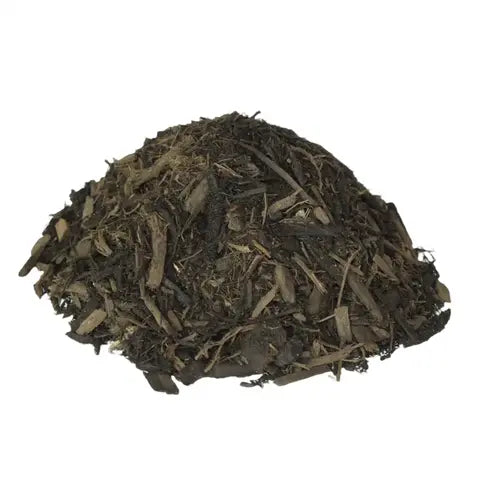
Warm brown double shredded mulch with lasting color that looks freshly applied for weeks. Spreads smooth, stays put, and gives beds a natural, polished appearance.

Great experience with mulch mound. Their online calculator made it easy to estimate how many yards of mulch I needed and delivery was quick. I would definitely recommend them for your future projects.

Midland Mulch Delivery

Midland Mulch Delivery

4.7
137 reviews
Regular price $55.00 per yard
Regular price Sale price $55.00
Sale Sold out
Color
Style
Minimum of 3 yard
1 tree planted for every order

About this mulch

Warm brown double shredded mulch with lasting color that looks freshly applied for weeks. Spreads smooth, stays put, and gives beds a natural, polished appearance.

Great experience with mulch mound. Their online calculator made it easy to estimate how many yards of mulch I needed and delivery was quick. I would definitely recommend them for your future projects.

For Midland's silty clay loam soil, a 2 to 3 inch mulch layer is the sweet spot that suppresses weeds and retains moisture without encouraging the waterlogging that clay soils are already prone to after heavy rains. Deeper applications are generally not needed and can cause more harm than good in low-lying Midland yards that already drain slowly.
Use our free mulch calculator

A yard is approximately 27 cubic feet. As a general guideline, one yard of material can cover an area of about 100-160 square feet at a 2-3 inch depth.

View full details

How It Works

Getting started is easy — just follow these simple steps

1

Choose your Mulch

Make sure you adjust the quantity to your home's needs. You can use our calculator to estimate how much you'll need.

2

Select your delivery date

Select a delivery date you'd like for the product to be dropped off at your home

3

Sit back and wait

Sit back, wait, and let us work our magic to make sure the highest quality product is delivered to your driveway.

What Midland Customers Are Saying

4.7
out of 5 based on 137 reviews
Google Reviews

Calculate mulch for your Midland project

For Midland's Silty Clay Loam type of soil, we recommend 2-3 inches for best weed suppression and moisture retention

Try Our Calculator
📍

Measure the length and width of each bed in feet and multiply to get square footage, then use our calculator to find the cubic yards needed at your chosen depth. Midland's silty clay loam beds typically call for a 2 to 3 inch layer, so entering that target depth specifically will help you avoid over-ordering. If your beds have curved or irregular edges, break them into smaller rectangular sections and add those areas together for an accurate total.

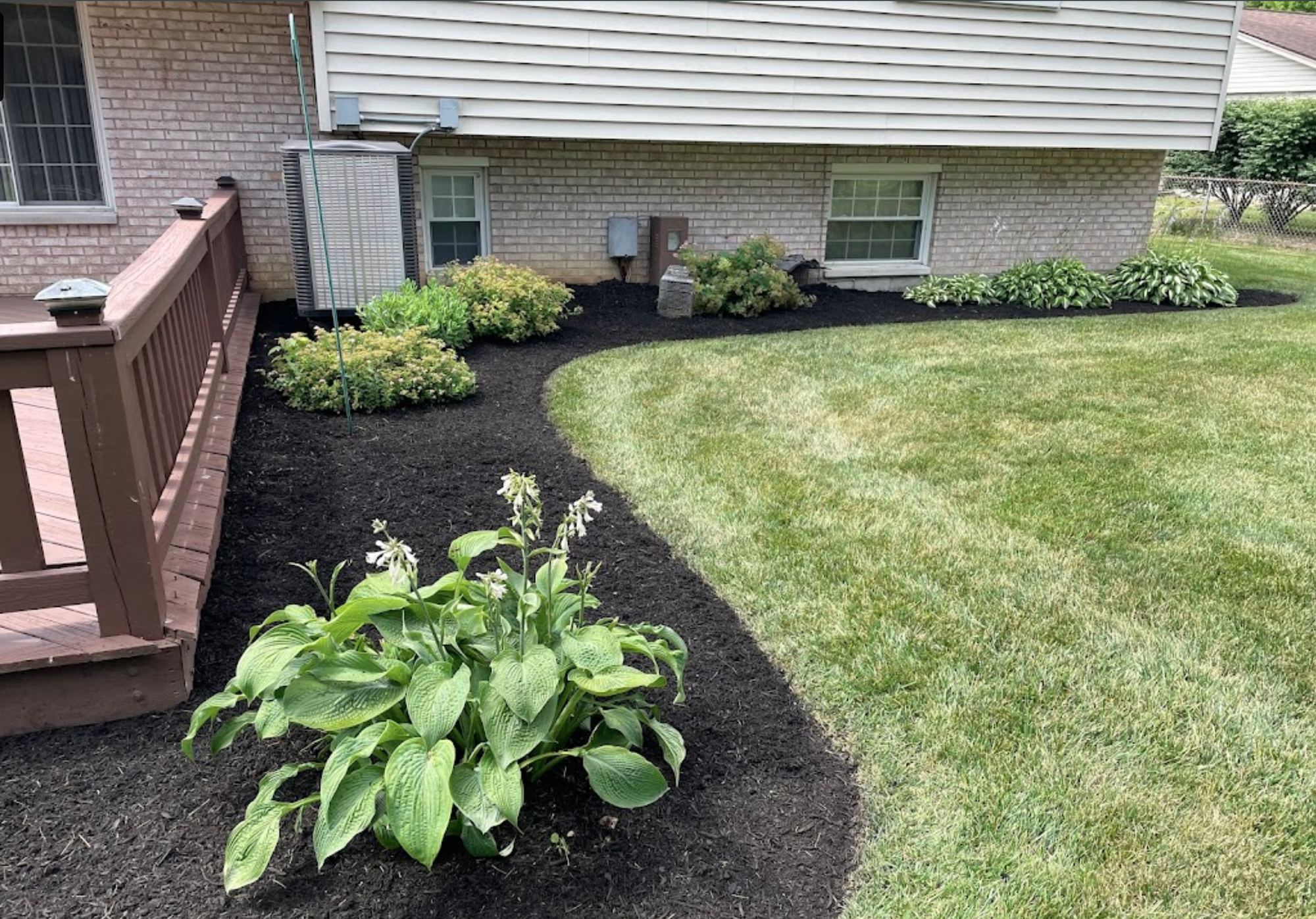
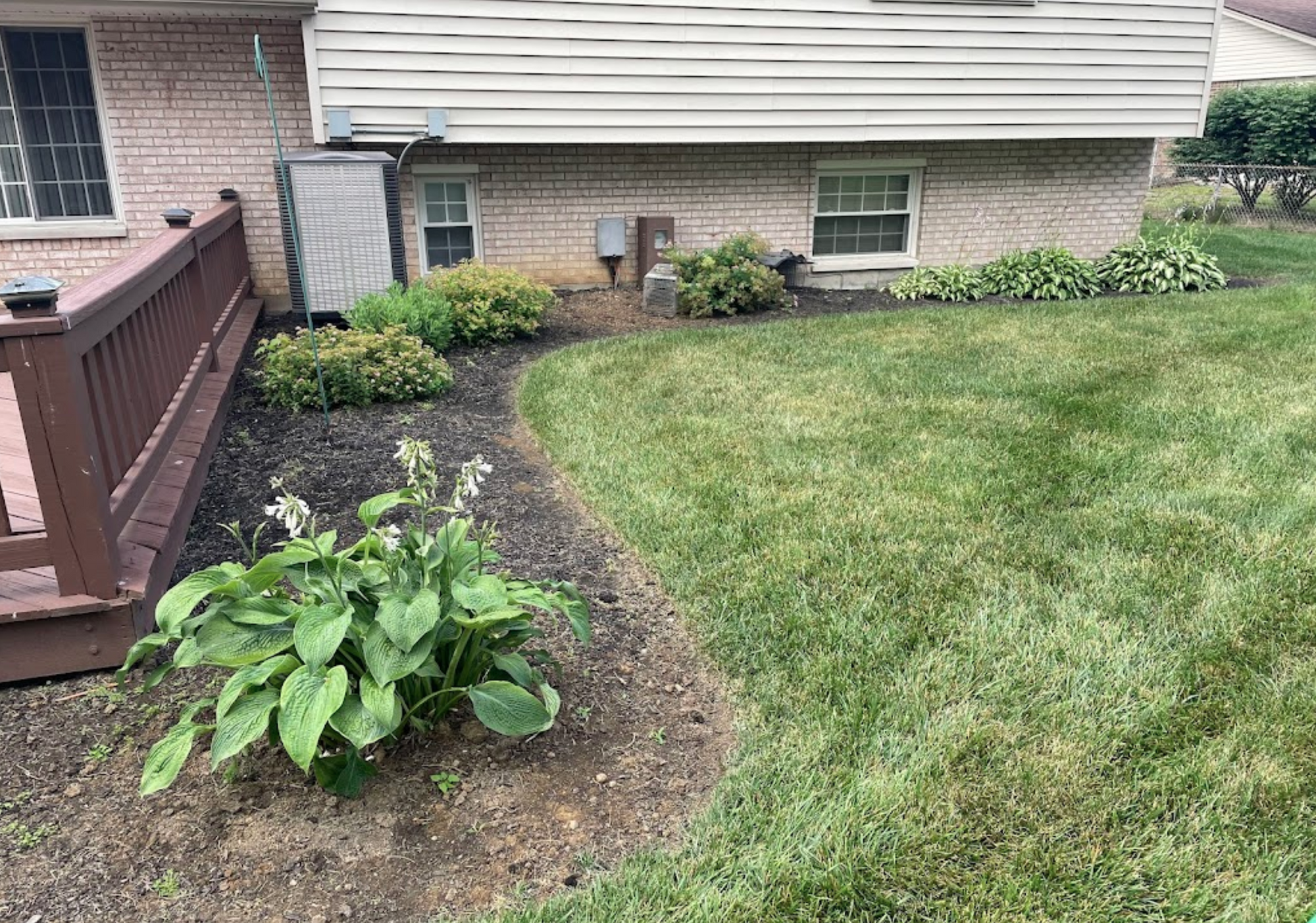
Mulch vs. No Mulch: The Difference

Midland's 32 inches of annual rainfall and clay loam base create conditions where organic mulch breaks down faster than it would in drier or sandier regions, which has real implications for how you choose your product. Natural hardwood mulch takes advantage of that decomposition cycle, feeding soil biology and improving clay structure beneath it with each passing season. Dyed mulch uses wood that is processed differently and breaks down more slowly while holding color longer, which is a useful trade-off if curb appeal is your primary goal and you prefer not to re-mulch as frequently.

Before image
After image
Slider handle
Before
After

Complete Your Outdoor Mulch Project

If your beds need a soil quality boost before mulching, our bulk garden soil and compost blends can rebuild nutrient levels and improve drainage in Midland's clay-heavy planting areas. Add a decorative stone border from our stone selection to frame your mulched beds and create clean, low-maintenance edges that hold up through Michigan's freeze-thaw seasons without shifting or crumbling.

Map of Midland, Michigan

Areas we deliver mulch in Midland, Michigan

No cities found for this region.

See All Locations
Mulch Mound Pro Tip

Pull mulch back at least 2 inches from the base of tree trunks and shrub stems before applying in Midland. The silty clay loam here already stays moist longer than sandier soils after a rain event, and piling mulch against bark traps that moisture against wood that prefers to stay dry and breathe. Volcano mulching, where material is mounded high against trunks, is one of the most common and damaging landscaping mistakes seen across mid-Michigan yards every spring.

Mulch Mound Pro Tip

Zone 6a means Midland plants regularly experience ground freeze from late fall through early spring. Applying a fresh mulch layer in mid-October, after the first frost has hardened the soil surface, helps lock in that temperature and prevents the repeated freezing and thawing that heaves perennial roots out of the ground. Avoid mulching too early in fall or you will insulate warm soil and delay the hardening-off process that prepares plants for winter dormancy.

Mulch Mound Pro Tip

With 32 inches of annual rainfall, Midland's uncovered garden beds are under constant erosion pressure during spring and summer storms. Mulch acts as a physical barrier that absorbs raindrop impact and slows surface water movement across beds, which is especially important on any sloped area or raised bed edge. In spots that collect standing water after heavy rains, pair mulch with improved subsurface drainage rather than simply adding more depth, since saturated mulch layered over clay loam can stay waterlogged for several days and suffocate plant roots.

Frequently Asked Questions

Click a question to see the answer

Answer

How thick should I apply mulch in Midland given the clay soil?

Because Midland's silty clay loam already holds moisture well after rain, we recommend keeping mulch depth at 2 to 3 inches. Going deeper than 3 inches over clay soil can trap too much moisture against plant crowns and roots, promoting crown rot and fungal problems. A consistent 2 to 3 inch layer gives you solid weed suppression and temperature insulation without waterlogging the bed.

Answer

Does Midland's annual rainfall mean I need less mulch to keep my beds moist?

At 32 inches of annual rainfall Midland gets a reasonable amount of precipitation, but summer dry spells can still stress shallow-rooted plants between storms. Mulch remains important because it slows evaporation during those dry gaps and prevents the surface crusting that is common on silty clay loam. Even in wetter years a good mulch layer keeps soil temperature stable and reduces how often you need to supplement with irrigation.

Answer

When is the best time to lay mulch in Midland?

The ideal application window in Midland is after the last frost, which typically falls around May 19. Mulching too early in spring can slow soil warming and delay root growth for perennials and new transplants. A second light refresh in early October, just before the first frost around October 6, helps insulate roots heading into winter and prevents frost heave from pushing plants out of the ground.

Answer

Will dyed mulch hold its color through a Midland winter?

Quality dyed mulches use colorfast pigments that hold up reasonably well through one full Michigan winter cycle. The freeze-thaw cycles common in zone 6a do accelerate fading somewhat by late spring, so expect to do a light color refresh each May to keep beds looking sharp. Natural hardwood mulch fades to gray faster but breaks down into the soil more quickly, which is actually beneficial for Midland's compaction-prone clay loam beds.

Answer

How does mulch help with compaction in Midland's silty clay loam soil?

Midland's silty clay loam compacts easily under rain impact and foot traffic, forming a surface layer that resists water infiltration and makes bed maintenance harder each season. A mulch cover absorbs the kinetic energy of rainfall before it ever hits the soil, dramatically reducing surface compaction in bed areas over time. As the mulch breaks down it also adds organic matter that loosens clay particles and gradually improves the overall soil structure beneath your beds.

Answer

How many cubic yards of mulch does a typical Midland home need?

Plan for roughly 1 cubic yard of mulch per 100 square feet of bed area at a 3-inch depth. A standard ranch home in Midland with moderate front and back landscaping typically needs between 3 and 6 cubic yards for a full seasonal refresh. Our calculator on this page can help you dial in the right quantity once you enter your specific bed dimensions.

Answer

Is hardwood mulch a good choice for flower beds in Midland?

Hardwood mulch is an excellent choice for Midland flower beds because it breaks down into humus that gradually improves the silty clay loam soil structure beneath it. As it decomposes over one to two seasons in our moist climate it introduces organic matter that loosens the clay fraction and feeds soil microbes that benefit plant roots. It also provides solid weed suppression through the growing season and keeps soil temperatures more stable during Midland's unpredictable spring warm-up periods.

The Unique Landscape of Midland

Midland's silty clay loam soil is naturally prone to compaction, which squeezes out the air pockets that plant roots depend on for healthy growth. Applying a consistent layer of mulch over your beds acts as a buffer, keeping foot traffic and heavy spring rains from pressing the soil into a dense, root-choking mass. With 32 inches of annual rainfall spread across the growing season, uncovered soil in Midland is also vulnerable to surface crusting between rain events, which limits water absorption and stresses shallow-rooted plants. Mulch breaks that cycle by softening the impact of rainfall and letting moisture soak in gradually rather than running off into low spots. The region's zone 6a winters bring hard freezes well before the October 6 first frost date, and a good mulch layer insulates roots through those temperature swings. Keeping beds mulched from late May through fall also extends your planting season on both ends by moderating the soil temperature extremes that clay loam soils experience more dramatically than sandier alternatives.