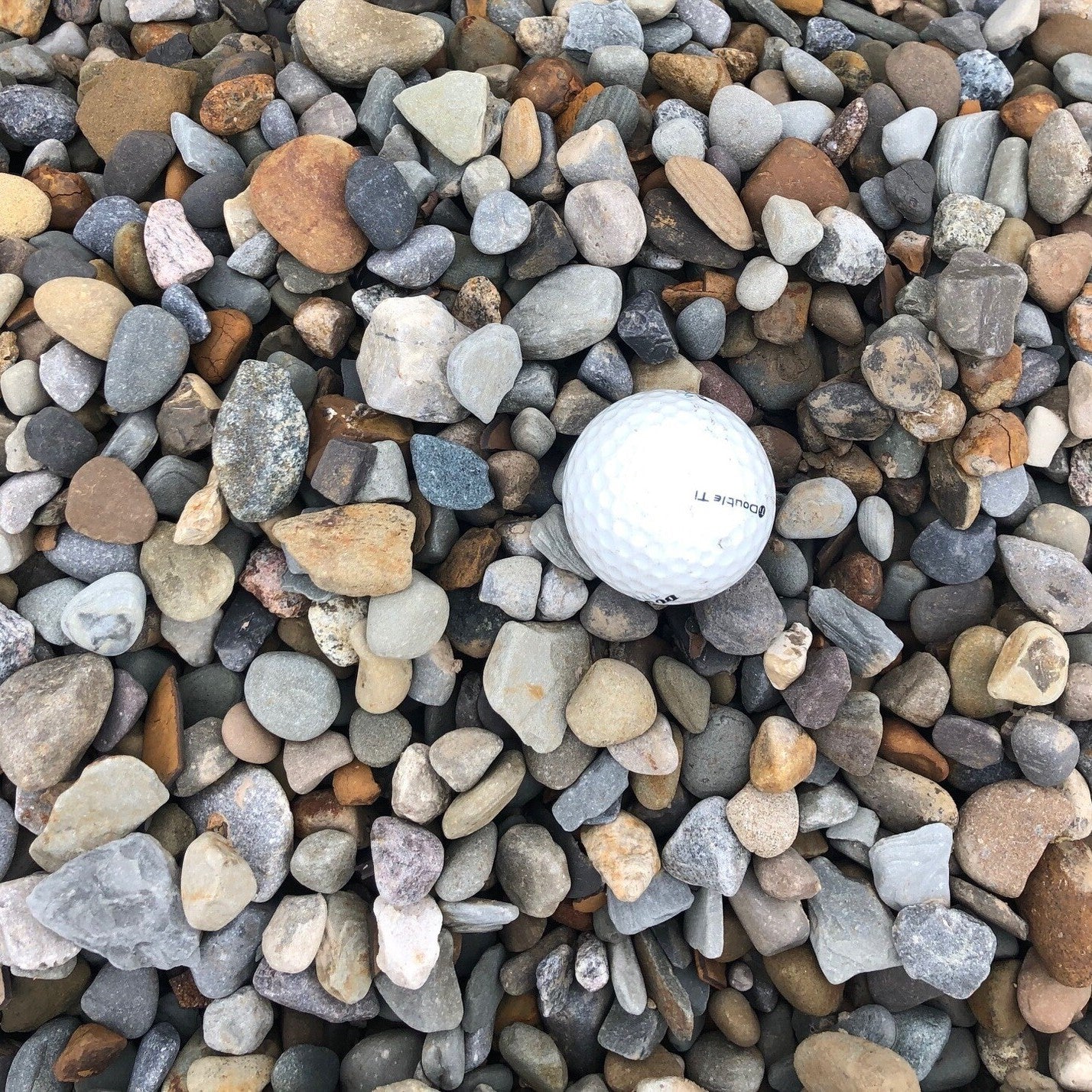
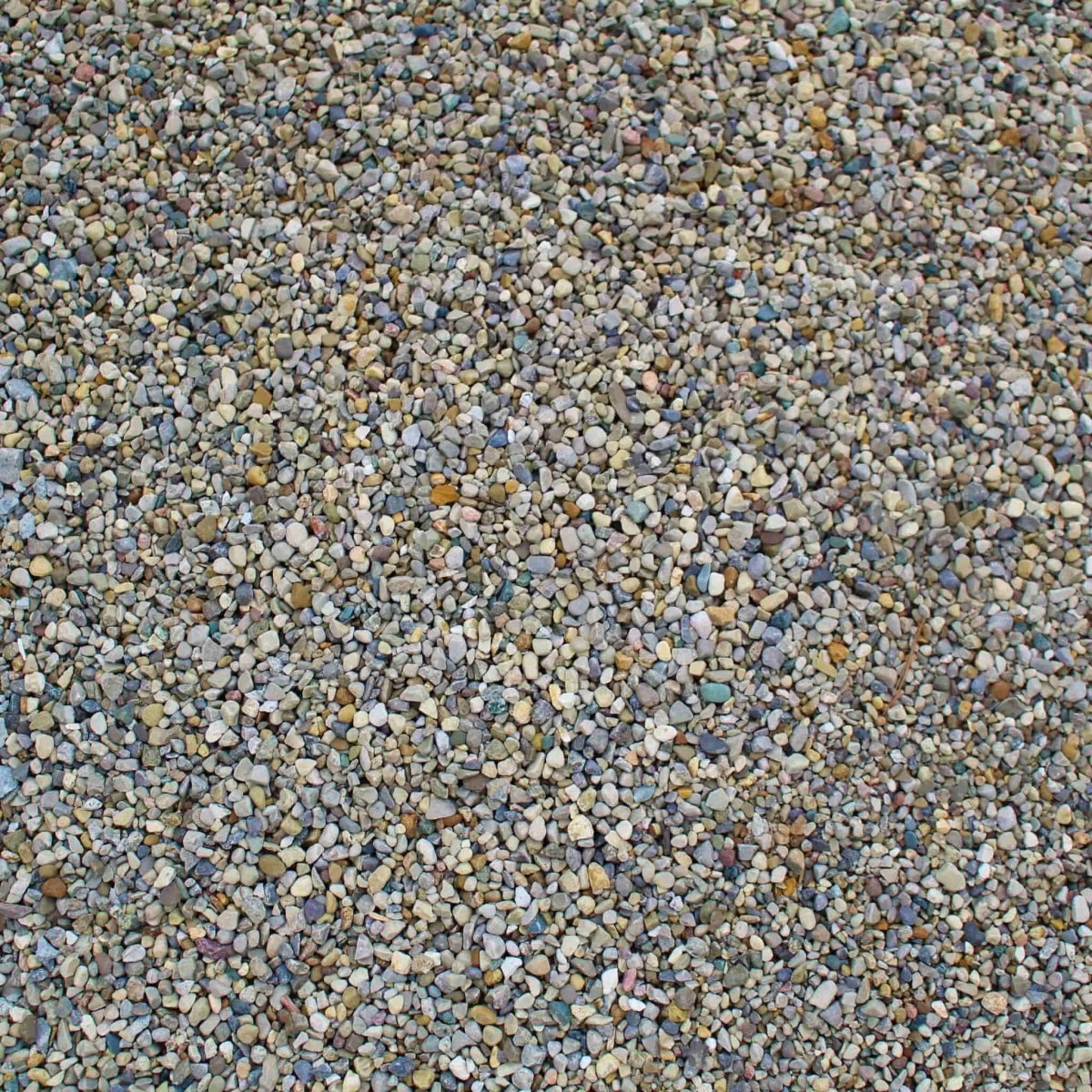
Number 57 crushed stone, angular limestone graded to about three quarters of an inch. The standard driveway, base and drainage gravel, it locks together under traffic and drains fast.
My experience with Mulch Mound was great and super easy. I ordered two yards of screened topsoil and was able to get it delivered within 2 days. They came in my requested time frame (afternoon) and dropped it off where I asked on my driveway. The topsoil was exactly what was a...
Tell us what you're looking for
Thanks! We received your request.
Something went wrong. Please try again.
How Much Material Do I Need?
Plan for 4 to 6 inches of stone depth for functional applications like paths, drainage beds, and foundation borders in Midland, where the clay loam base requires extra depth to provide stable and effective drainage. Decorative surface applications over an existing aggregate base need only 2 to 3 inches to refresh the appearance and fill in areas that have settled over previous seasons.
Use our free gravel calculator
What is a yard?
A yard is approximately 27 cubic feet. As a general guideline, one yard of material can cover an area of about 100-160 square feet at a 2-3 inch depth.
We can't take orders for this right now. Tell us what you need and we'll get back to you.
What do you need?
Thanks! We received your request.
Something went wrong. Please try again.
Hand-picked local yards
4,000+ regional deliveries
Dedicated support
Why order through Mulch Mound
The best local stone, without the guesswork.
We hand-pick and partner with the best yards in your region, keep only the ones our buyers rate well, and back each load with our guarantee.
Mulch Mound Guarantee
If your stone isn't the quantity or quality you ordered, we'll make it right.
About this stone
Number 57 crushed stone, angular limestone graded to about three quarters of an inch. The standard driveway, base and drainage gravel, it locks together under traffic and drains fast.
My experience with Mulch Mound was great and super easy. I ordered two yards of screened topsoil and was able to get it delivered within 2 days. They came in my requested time frame (afternoon) and dropped it off where I asked on my driveway. The topsoil was exactly what was a...
How Much Material Do I Need?
Plan for 4 to 6 inches of stone depth for functional applications like paths, drainage beds, and foundation borders in Midland, where the clay loam base requires extra depth to provide stable and effective drainage. Decorative surface applications over an existing aggregate base need only 2 to 3 inches to refresh the appearance and fill in areas that have settled over previous seasons.
Use our free gravel calculator
What is a yard?
A yard is approximately 27 cubic feet. As a general guideline, one yard of material can cover an area of about 100-160 square feet at a 2-3 inch depth.
My experience with Mulch Mound was great and super easy. I ordered two yards of screened topsoil and was able to get it delivered within 2 days. Th...
Read full review
My experience with Mulch Mound was great and super easy. I ordered two yards of screened topsoil and was able to get it delivered within 2 days. They came in my requested time frame (afternoon) and dropped it off where I asked on my driveway. The topsoil was exactly what was advertised, clean with no rocks or other debris. The price was reasonable. I plan to use them again in a couple weeks to order compost for my garden beds.
Really appreciate the care and follow thru that this company had with our order. A hiccup came up but they were quick to respond and address all co...
Read full review
Really appreciate the care and follow thru that this company had with our order. A hiccup came up but they were quick to respond and address all concerns, which made our garden day a success! Thank you for your prompt care.
Measure the length and width of your project area in feet and decide on your target depth, then use our calculator to convert those numbers to cubic yards. For drainage applications in Midland's clay loam yards, a deeper stone layer of 4 to 6 inches is worth the extra material cost because it gives water room to percolate rather than backing up at the clay surface. For purely decorative topdressing of an existing stable aggregate base, 2 inches of fresh stone is typically sufficient to refresh the look.
Stone Types We Deliver in Midland
Mulch Mound delivers bulk stone by the cubic yard straight to your property, making it easy to get the material you need without hauling it yourself. If you have been searching for bulk gravel by the yard in Midland, we keep the process simple with flexible load sizes and prompt delivery. Whether your project is big or small, our stone shows up ready to spread.
Pea Gravel
Pea gravel works well in mid-Michigan yards where clay soils make drainage around beds and paths an ongoing need. Its smooth, rounded stones are comfortable underfoot and add warm, natural color to patios, driveways, and garden borders. A versatile choice for both practical drainage and decorative ground cover.
Complete Your Outdoor Stone Project
Pair your stone installation with our bulk mulch to define the transition between hardscape and planted areas in your Midland yard and keep adjacent beds looking clean through the season. If you are reshaping low areas before installing stone, our topsoil blends can help you establish the correct drainage slope before the stone goes down so water moves away from structures as intended.
In Midland, any stone installation placed directly against a structure or along a property boundary should slope away from the building at a minimum grade of 1 inch per 8 feet. Midland's silty clay loam base naturally holds water after rain, and without a positive slope even a well-installed stone border can become a catch basin that directs moisture toward your foundation. Setting the grade correctly before placing stone takes an extra hour of work upfront but prevents moisture damage and seepage problems over many seasons.
Mulch Mound Pro Tip
For garden bed borders in Midland, choose a crushed angular stone rather than smooth pea gravel if you want the material to stay put through wind, rain, and foot traffic. Smooth round stones roll and scatter easily, especially after heavy spring rains or when a lawn mower passes close to the bed edge. Angular stone locks together under weight and stays in position through Midland's wet spring conditions and the repeated freeze-thaw cycles of fall far better than any rounded aggregate.
Mulch Mound Pro Tip
Midland homeowners who install stone under mature trees should account for heavy leaf accumulation on the stone surface each October. Organic material that settles into a gravel bed breaks down slowly in clay loam conditions and eventually creates a thin soil layer on top of the stone that weeds will quickly colonize. An annual pass with a leaf blower or a light raking before the October 6 first frost locks fallen leaves into the stone keeps your gravel beds clean and weed-resistant heading into the next growing season.
The Unique Landscape of Midland
Midland's silty clay loam soil and moderate annual rainfall create conditions where erosion, poor drainage, and muddy pathways are persistent problems for homeowners who rely solely on turf or organic ground covers. Decorative and functional stone offers a permanent solution that does not need annual refreshing the way mulch does, making it a smart long-term investment for high-traffic areas, drainage channels, and foundation borders. Zone 6a winters bring repeated freeze-thaw cycles from late October through early April, and properly installed stone hardscaping is far more resistant to that ground movement than poured concrete or rigid edging alternatives. Stone also handles Midland's spring runoff season well, allowing water to percolate through aggregate surfaces rather than sheeting across impermeable ground into basements or low yard areas. Whether you are creating a dry creek bed to manage a chronically wet corner, installing a gravel path through a garden, or framing your home's foundation with a clean drainage border, bulk stone gives you versatility at a price that landscape pavers cannot match. The low-maintenance nature of stone is especially valuable in Midland, where the growing season from late May through early October is short enough that most homeowners want outdoor spaces that look good without demanding weekly upkeep.
Frequently Asked Questions
Click a question to see the answer
Answer
What size stone works best for drainage around a Midland home's foundation?
For foundation drainage borders in Midland, a washed river rock in the 1 to 2 inch range is the most practical choice. It is large enough to resist displacement during heavy spring rains but small enough to pack closely around downspout areas and along footings where water needs somewhere to go. The stone creates an air gap between the foundation wall and the saturated clay loam soil, which helps moisture move away from the structure rather than pooling against it.
Answer
Will stone pathways hold up through Midland winters without cracking or heaving?
Loose aggregate stone pathways are actually one of the most freeze-thaw tolerant surfaces you can install in Midland. Unlike poured concrete or clay pavers, gravel and crushed stone flex with the ground movement caused by zone 6a freeze-thaw cycles rather than cracking or shifting into uneven chunks. You may need to rake the surface level again after a particularly hard winter, but the stone itself does not degrade from cold temperatures the way rigid materials do.
Answer
How deep should I install stone for a gravel path in my Midland yard?
For a gravel path over Midland's clay loam soil, plan for a total depth of 4 to 6 inches including a compacted base layer. Because silty clay loam does not drain freely on its own, a 2 to 3 inch base of crushed angular stone topped with 2 to 3 inches of finer decorative gravel gives you a stable surface that resists sinking and soft spots. Skipping the base layer and placing stone directly on clay causes paths to develop ruts and muddy sections within one or two seasons.
Answer
Can I use stone to fix a chronically wet or muddy area in my Midland backyard?
Stone is one of the most effective tools for managing low spots and wet areas caused by Midland's slow-draining clay loam base. A dry creek bed filled with river rock can redirect seasonal runoff away from a problematic low area and toward a more suitable outlet at the edge of your property. For spots that stay soggy for days after rain, installing a perforated drain pipe under a stone bed tied into a downslope outlet gives you a long-term drainage fix rather than a temporary seasonal workaround.
Answer
What decorative stone colors look good with the natural surroundings in Midland?
Natural river rock and buff limestone crushed stone both complement the muted greens and earth tones common in mid-Michigan landscapes throughout the growing season. River rock has the rounded, water-worn look that pairs well with naturalistic rain gardens and woodland garden beds, which are popular styles in Midland's tree-lined neighborhoods. Crushed limestone provides a brighter, more formal appearance that suits clean geometric pathways and defined foundation borders on homes with traditional landscaping.
Answer
How many cubic yards of stone do I need for a typical Midland project?
Stone coverage varies by material type and depth, but a general rule is that 1 cubic yard covers approximately 80 square feet at a 4-inch depth. For a 10 by 20 foot gravel patio in Midland you would need roughly 2.5 cubic yards at that depth, plus a little extra to account for settling in the clay loam base beneath. Our calculator will give you a more precise estimate when you enter your specific dimensions and target depth.
Answer
Do I need landscape fabric under stone in a Midland yard?
In most Midland applications, a high-quality woven geotextile fabric under decorative stone is well worth the added effort. The clay loam soil here has a tendency to slowly work its way up into a gravel layer through multiple freeze-thaw seasons, a process called soil pumping, which muddies the stone and causes the surface to sink and become uneven. Fabric separates the stone from the native soil and extends the life of your installation significantly without blocking water infiltration the way plastic sheeting would.
Answer
Is there a stone yard near Midland?
A Midland homeowner fixing a soggy drainage channel or a muddy path along the foundation can skip the stone yard entirely, because Mulch Mound drops crushed stone by the cubic yard right in your driveway. Order online, pick the spot, and we deliver, so there is no loading up at a quarry or hauling it yourself.