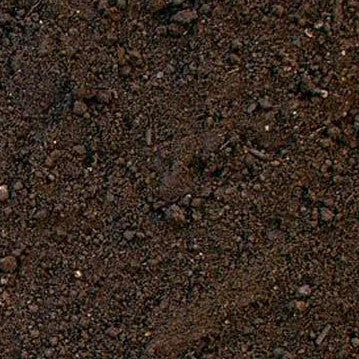
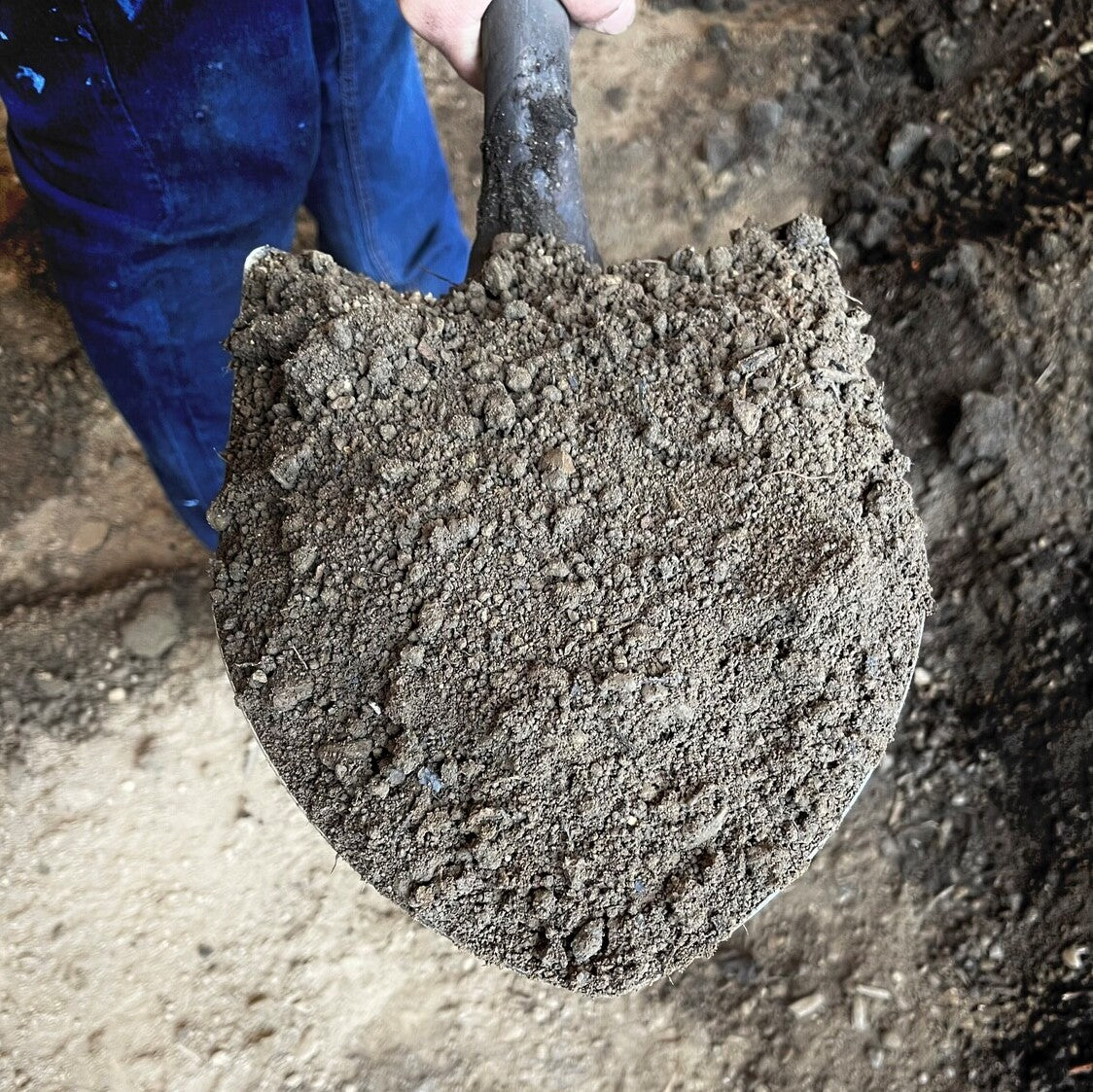
Quality topsoil for lawns, gardens, and landscape projects. Nutrient rich and ready to support strong root development and healthy plant establishment.
The website was intuitive and easy to navigate. The material was delivered the date and time it was scheduled, it was dropped off in the area i had specified on top of my tarp with no issues.
I ordered soil, the Gardening Blend that I received had too many plastic and m...
Tell us what you're looking for
Thanks! We received your request.
Something went wrong. Please try again.
How Much Material Do I Need?
For raised beds and new planting areas in Midland, plan for a minimum of 8 to 12 inches of quality soil to give roots enough depth to stay above the poorly draining native clay loam below. Lawn leveling typically requires only 1 to 3 inches of material spread evenly across low areas to achieve a smooth, stable, and grass-friendly finish.
Use our free soil calculator
What is a yard?
A yard is approximately 27 cubic feet. As a general guideline, one yard of material can cover an area of about 100-160 square feet at a 2-3 inch depth.
We can't take orders for this right now. Tell us what you need and we'll get back to you.
What do you need?
Thanks! We received your request.
Something went wrong. Please try again.
Hand-picked local yards
4,000+ regional deliveries
Dedicated support
Why order through Mulch Mound
The best local soil, without the guesswork.
We hand-pick and partner with the best yards in your region, keep only the ones our buyers rate well, and back each load with our guarantee.
Mulch Mound Guarantee
If your soil isn't the quantity or quality you ordered, we'll make it right.
About this soil
Quality topsoil for lawns, gardens, and landscape projects. Nutrient rich and ready to support strong root development and healthy plant establishment.
The website was intuitive and easy to navigate. The material was delivered the date and time it was scheduled, it was dropped off in the area i had specified on top of my tarp with no issues.
I ordered soil, the Gardening Blend that I received had too many plastic and m...
How Much Material Do I Need?
For raised beds and new planting areas in Midland, plan for a minimum of 8 to 12 inches of quality soil to give roots enough depth to stay above the poorly draining native clay loam below. Lawn leveling typically requires only 1 to 3 inches of material spread evenly across low areas to achieve a smooth, stable, and grass-friendly finish.
Use our free soil calculator
What is a yard?
A yard is approximately 27 cubic feet. As a general guideline, one yard of material can cover an area of about 100-160 square feet at a 2-3 inch depth.
The website was intuitive and easy to navigate. The material was delivered the date and time it was scheduled, it was dropped off in the area i had...
Read full review
The website was intuitive and easy to navigate. The material was delivered the date and time it was scheduled, it was dropped off in the area i had specified on top of my tarp with no issues.
I ordered soil, the Gardening Blend that I received had too many plastic and metal pieces for my liking thus lowering the score from a perfect 5/5 to a 4/5
Really appreciate the care and follow thru that this company had with our order. A hiccup came up but they were quick to respond and address all co...
Read full review
Really appreciate the care and follow thru that this company had with our order. A hiccup came up but they were quick to respond and address all concerns, which made our garden day a success! Thank you for your prompt care.
Measure the length, width, and desired depth of the area you are filling in feet and use our calculator to convert those numbers to cubic yards. For lawn leveling in Midland, a 2 inch average fill depth is a common starting point for addressing low spots without smothering existing grass. For raised beds plan for 10 to 15 percent settling over the first growing season, as Midland's wet spring climate accelerates organic matter breakdown and causes new soil blends to compress.
Soil Types We Deliver in Midland
Midland homeowners and landscapers count on us for bulk topsoil by the yard in Midland, delivered right to your driveway or job site. Whether you are filling raised beds, reseeding a lawn, or grading around a new build, having the right soil makes all the difference in this part of Michigan. We sell by the cubic yard with flexible delivery schedules to fit your project timeline.
Screened Top Soil
Our screened topsoil is put through a fine mesh to remove rocks, clumps, and debris, leaving a clean and workable product ideal for lawns, garden beds, and general landscaping. It is nutrient rich and supports strong root development, making it a reliable choice for Michigan's variable growing season and the sandy or clay-heavy soils common in the Midland area.
Complete Your Outdoor Soil Project
Top finished soil beds with a 2 to 3 inch layer of our bulk mulch to protect the surface from Midland's spring and summer rains and lock in moisture between natural rainfall events. Add decorative stone borders along bed edges to keep soil contained during heavy rains and create a defined look that holds up through Michigan's freeze-thaw cycles without washing away.
Can I mix bulk topsoil into my existing clay loam yard to improve drainage?
You can, but simply spreading topsoil over native silty clay loam without any soil preparation creates a layering problem where water perches at the boundary between the two soil types. For best results in Midland yards, till or aerate the native soil 4 to 6 inches deep before spreading new topsoil and blend the two layers together at the interface. This prevents a drainage barrier from forming and helps roots move freely between the native ground and the imported material above it.
Answer
How much soil do I need to build a raised garden bed in Midland?
A standard 4 by 8 foot raised bed filled to 12 inches deep requires roughly 1.2 cubic yards of soil. For Midland vegetable gardeners who want to avoid the drainage issues of native clay loam, a blend of quality topsoil, compost, and coarse sand in a raised bed gives roots the loose, fertile environment they need from the late May planting window all the way through the October harvest season.
Answer
What kind of soil works best for leveling low spots in a Midland lawn?
For lawn leveling in Midland, a clean sandy loam or screened topsoil blend works better than clay fill because it settles uniformly and supports grass root development from the surface down. Native silty clay loam from another part of the yard can be used but tends to shrink and crack when dry, which can reopen settled low spots by the following spring. A quality bulk topsoil gives you a more stable, plant-friendly result that holds its level season after season.
Answer
When is the right time to bring in bulk soil in the spring in Midland?
Wait until the ground has fully thawed and drained before accepting a bulk soil delivery, which in Midland typically means mid to late April. Working wet clay loam soil too early compacts it severely and can damage the structure of both native and imported material. Once the soil passes the squeeze test, where a handful crumbles apart rather than oozes together, it is ready to receive new material and be worked without causing long-term structural harm.
Answer
Is bulk soil a good choice for establishing a new lawn in Midland?
Yes, especially in areas where construction grading has removed topsoil and left compacted subsoil exposed at the surface. A 4 to 6 inch layer of quality bulk topsoil gives grass seed or sod the rooting depth it needs to establish before Midland's first frost arrives in early October. Without that prepared soil layer, seed struggles to germinate in dense clay and new lawns often fail to thicken or survive through the following winter.
Answer
Will Midland's rainfall wash away topsoil I spread on a slope?
On slopes greater than a few percent grade, freshly spread topsoil is vulnerable to erosion until vegetation grows in and anchors the surface. At 32 inches of annual rainfall Midland does experience heavy spring and summer storms capable of carrying loose soil downhill quickly. Seeding immediately after spreading, using erosion control blankets on steeper sections, or incorporating compost into the topsoil to improve cohesion are all effective ways to protect new material on grades.
Answer
What is the difference between bulk garden soil and topsoil for my Midland vegetable garden?
Bulk topsoil is a general-purpose material well suited for grading, lawn leveling, and large fill projects, while garden soil or planting mix is blended with compost and sometimes perlite or aged bark to support intensive vegetable growing. For Midland vegetable beds, a garden soil blend gives better drainage than native clay loam and provides richer starting fertility that supports heavy production from the May planting window through fall harvest. Topsoil is the better value for large volume grading work where nutrient content matters less than quantity.
Mulch Mound Pro Tip
Midland's clay loam native soil expands when wet and shrinks when dry, which means any interface between native ground and imported topsoil can shift slightly with each seasonal cycle. Before adding bulk soil for a planting bed, loosen the native surface with a tiller or garden fork so the two layers knit together rather than sit as separate strata. Blending a few inches of compost into the top of the native layer before adding topsoil creates a more gradual transition that roots can cross without hitting a drainage barrier.
Mulch Mound Pro Tip
If you are filling raised beds for the first time in Midland, account for soil settling before you plant. Quality topsoil blends with compost will compress by 10 to 20 percent over the first winter as organic matter breaks down and frost cycles pack the material from above. Overfill new raised beds by 2 to 3 inches above the frame edge in fall or early spring so that after settling the soil sits at the ideal planting depth by the time the frost-free window opens around May 19.
Mulch Mound Pro Tip
Bulk soil delivered in large volumes can sit in a pile for weeks if your project spans multiple weekends, and in Midland's rainy spring climate that pile will absorb a significant amount of moisture. Cover stored soil with a tarp to prevent nutrient leaching from repeated rain exposure and to keep the pile from becoming too heavy and waterlogged to move comfortably with a wheelbarrow. Working with moist but not saturated soil is always easier on both your tools and the structural quality of the soil itself.
The Unique Landscape of Midland
Midland sits on a silty clay loam base that is dense, slow-draining, and challenging to work with when establishing new garden beds or leveling uneven lawn areas. Imported bulk soil gives you control over texture and nutrient content in a way that native ground simply cannot provide, especially in yards where construction grading has stripped away the thin layer of topsoil that once existed. With last frost arriving around May 19, most Midland gardeners need beds that are ready to plant quickly once warm weather settles in, and loose, well-structured soil makes that possible from day one. Adding bulk soil for raised beds or grade correction also gives you a fresh start free from the weed seed bank that builds up in native clay loam over many years. The region's 32 inches of annual rainfall means that drainage matters as much as fertility, and quality bulk topsoil blended for mid-Michigan conditions drains better than the native clay base while still holding enough moisture to carry plants between rain events. Whether you are building raised vegetable beds, filling low spots in a lawn, or establishing new planting areas for the first time, bulk soil delivery makes the project practical at any scale.