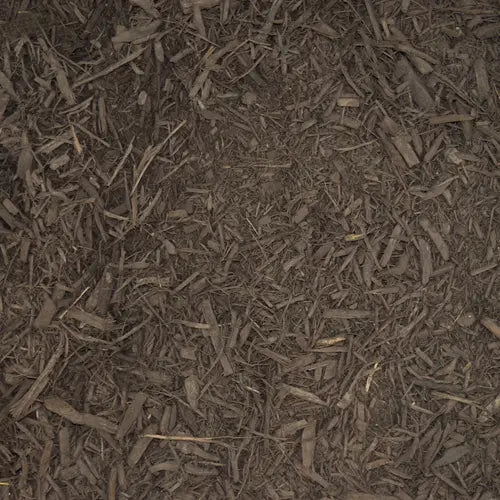
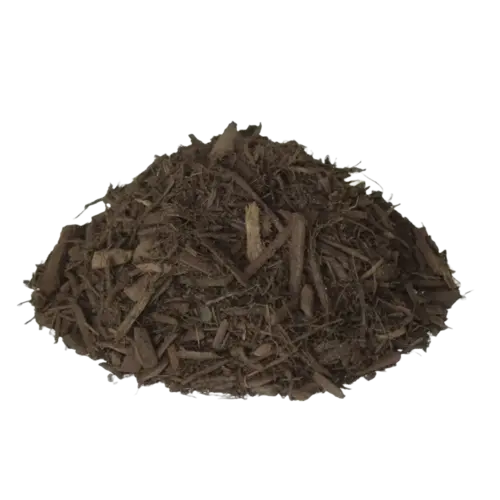
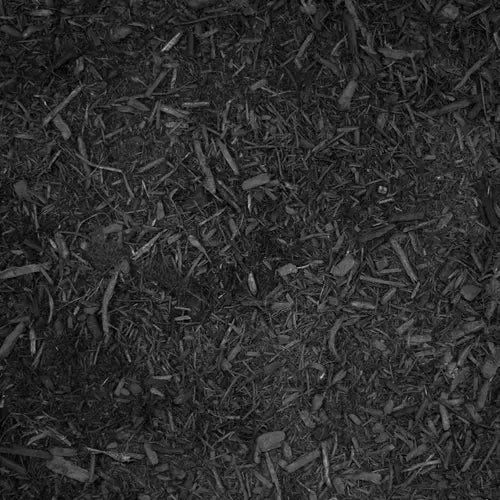
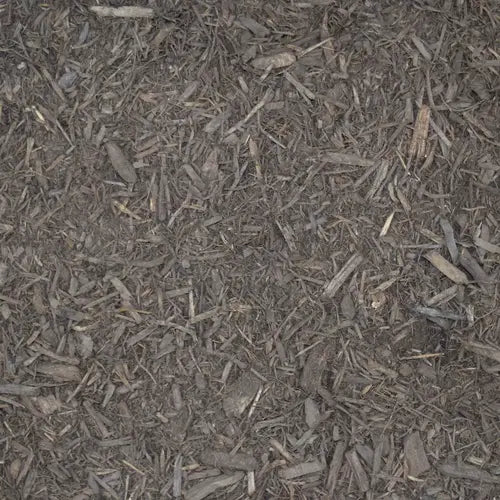
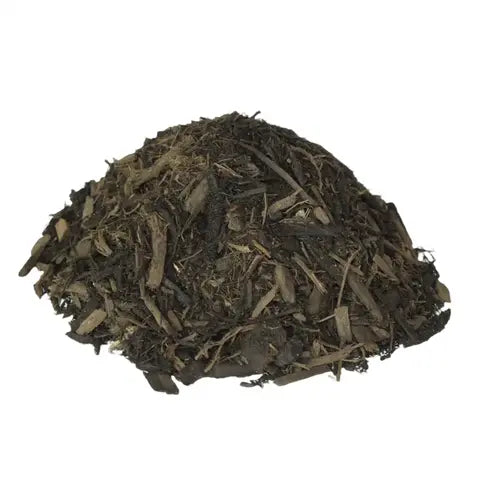
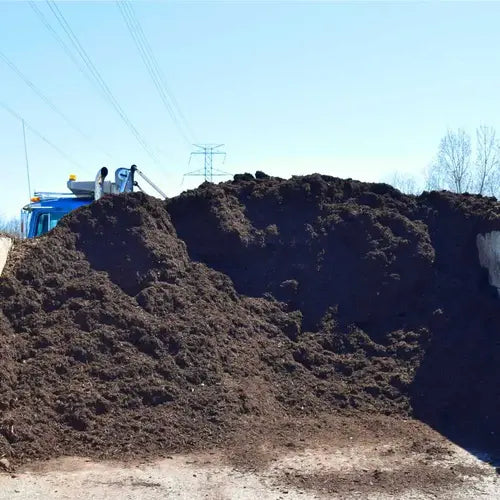
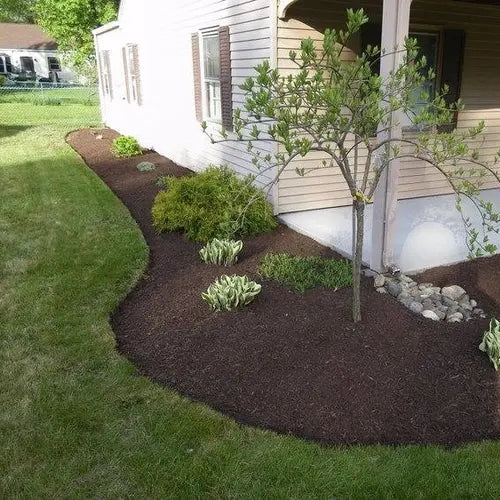
Warm brown double shredded mulch with lasting color that looks freshly applied for weeks. Spreads smooth, stays put, and gives beds a natural, polished appearance.
Great experience with mulch mound. Their online calculator made it easy to estimate how many yards of mulch I needed and delivery was quick. I would definitely recommend them for your future projects.
Tell us what you're looking for
Thanks! We received your request.
Something went wrong. Please try again.
How Much Material Do I Need?
For Mobile's sandy loam soil, a 3-inch application is the minimum effective depth to meaningfully slow moisture evaporation and suppress weeds through the long growing season. Larger foundation beds with established shrubs may benefit from a 4-inch layer to handle Mobile's prolonged summer heat without requiring mid-season watering interventions.
Use our free mulch calculator
What is a yard?
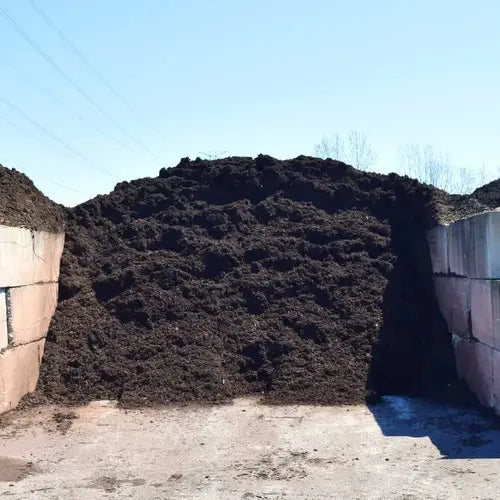
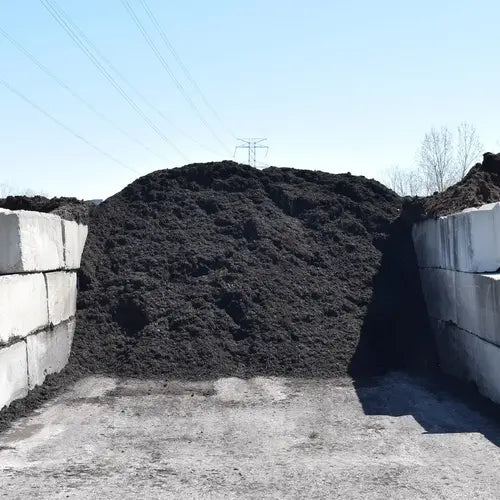
A yard is approximately 27 cubic feet. As a general guideline, one yard of material can cover an area of about 100-160 square feet at a 2-3 inch depth.
We can't take orders for this right now. Tell us what you need and we'll get back to you.
What do you need?
Thanks! We received your request.
Something went wrong. Please try again.
Hand-picked local yards
4,000+ regional deliveries
Dedicated support
Why order through Mulch Mound
The best local mulch, without the guesswork.
We hand-pick and partner with the best yards in your region, keep only the ones our buyers rate well, and back each load with our guarantee.
Mulch Mound Guarantee
If your mulch isn't the quantity or quality you ordered, we'll make it right.
About this mulch
Warm brown double shredded mulch with lasting color that looks freshly applied for weeks. Spreads smooth, stays put, and gives beds a natural, polished appearance.
Great experience with mulch mound. Their online calculator made it easy to estimate how many yards of mulch I needed and delivery was quick. I would definitely recommend them for your future projects.
How Much Material Do I Need?
For Mobile's sandy loam soil, a 3-inch application is the minimum effective depth to meaningfully slow moisture evaporation and suppress weeds through the long growing season. Larger foundation beds with established shrubs may benefit from a 4-inch layer to handle Mobile's prolonged summer heat without requiring mid-season watering interventions.
Use our free mulch calculator
What is a yard?
A yard is approximately 27 cubic feet. As a general guideline, one yard of material can cover an area of about 100-160 square feet at a 2-3 inch depth.
Great experience with mulch mound. Their online calculator made it easy to estimate how many yards of mulch I needed and delivery was quick. I woul...
Read full review
Great experience with mulch mound. Their online calculator made it easy to estimate how many yards of mulch I needed and delivery was quick. I would definitely recommend them for your future projects.
We needed mulch for our HOA common areas. Local providers were all holding high prices even for 40 yards of mulch. Mulch mound was easy to wowith...
Read full review
We needed mulch for our HOA common areas. Local providers were all holding high prices even for 40 yards of mulch. Mulch mound was easy to wowith & has great price for natural mulch + delivery schedule options. They called before delivery to ensure Delivery was exactly where we wanted it.
Delivery was on time and great quality Mulch. Got it done in a reasonable time and yard looks great. Couldn’t be happier!!! Thank you and will us...
Read full review
Delivery was on time and great quality Mulch. Got it done in a reasonable time and yard looks great. Couldn’t be happier!!! Thank you and will use again!!
Measure the length and width of each bed in feet and multiply to get the square footage, then divide by 100 for every inch of depth you plan to apply. In Mobile, plan for at least 3 inches in most beds to compensate for the fast drainage of sandy loam soil. Add up all your bed areas and round up slightly to account for irregular edges and material that settles after the first heavy rainfall.
Mulch vs. No Mulch: The Difference
Mobile's year-round heat and high humidity mean organic mulches break down faster here than in most of the country, feeding the soil steadily but also requiring more frequent replenishment than homeowners in cooler climates expect. Natural mulches like pine bark and hardwood gradually improve the sandy loam soil beneath them, adding organic matter that this soil type naturally lacks. Dyed mulch products maintain their color appeal through Mobile's bright summers but contribute less to long-term soil improvement, making the choice largely a question of aesthetics versus ongoing soil health.
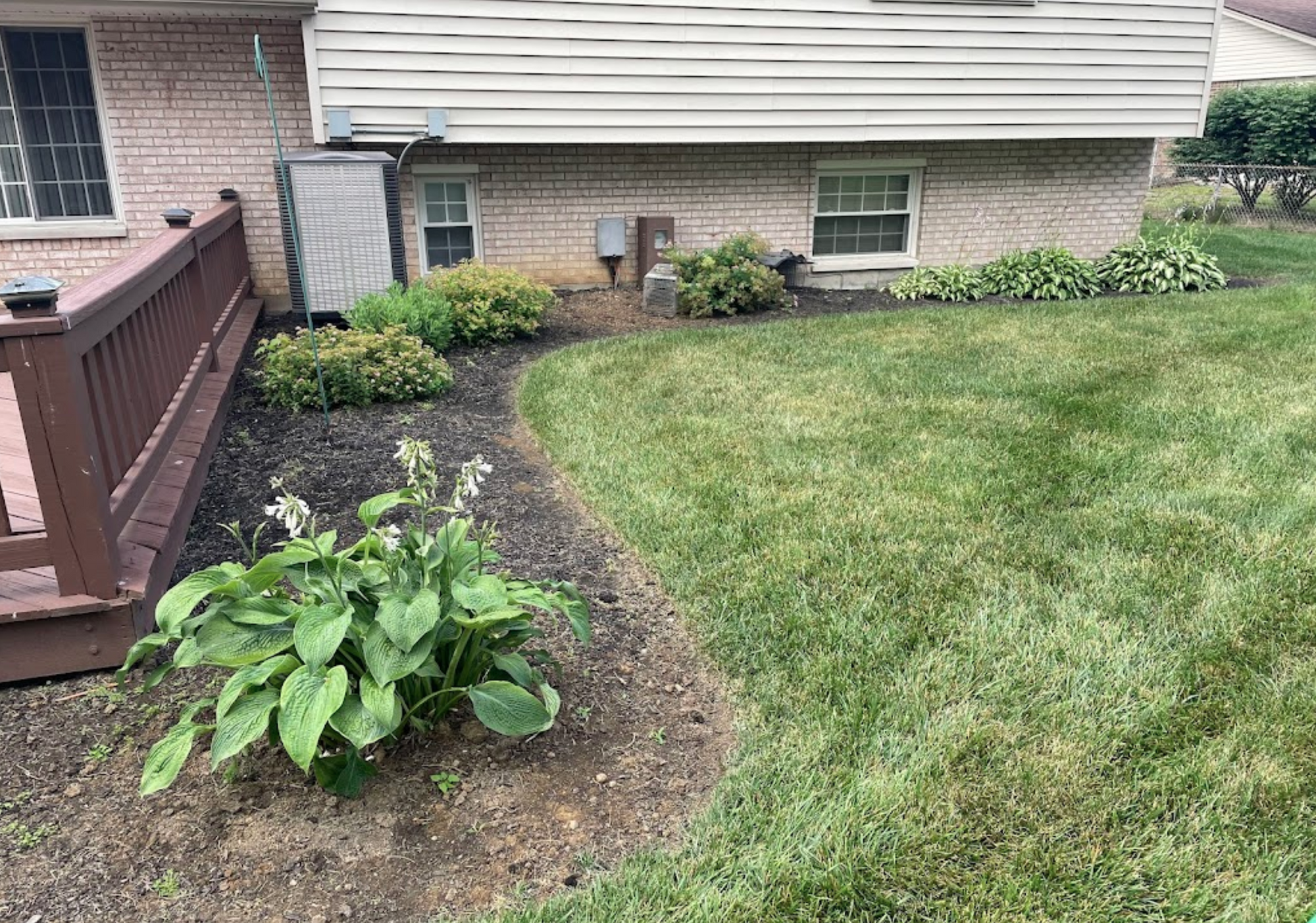
Before
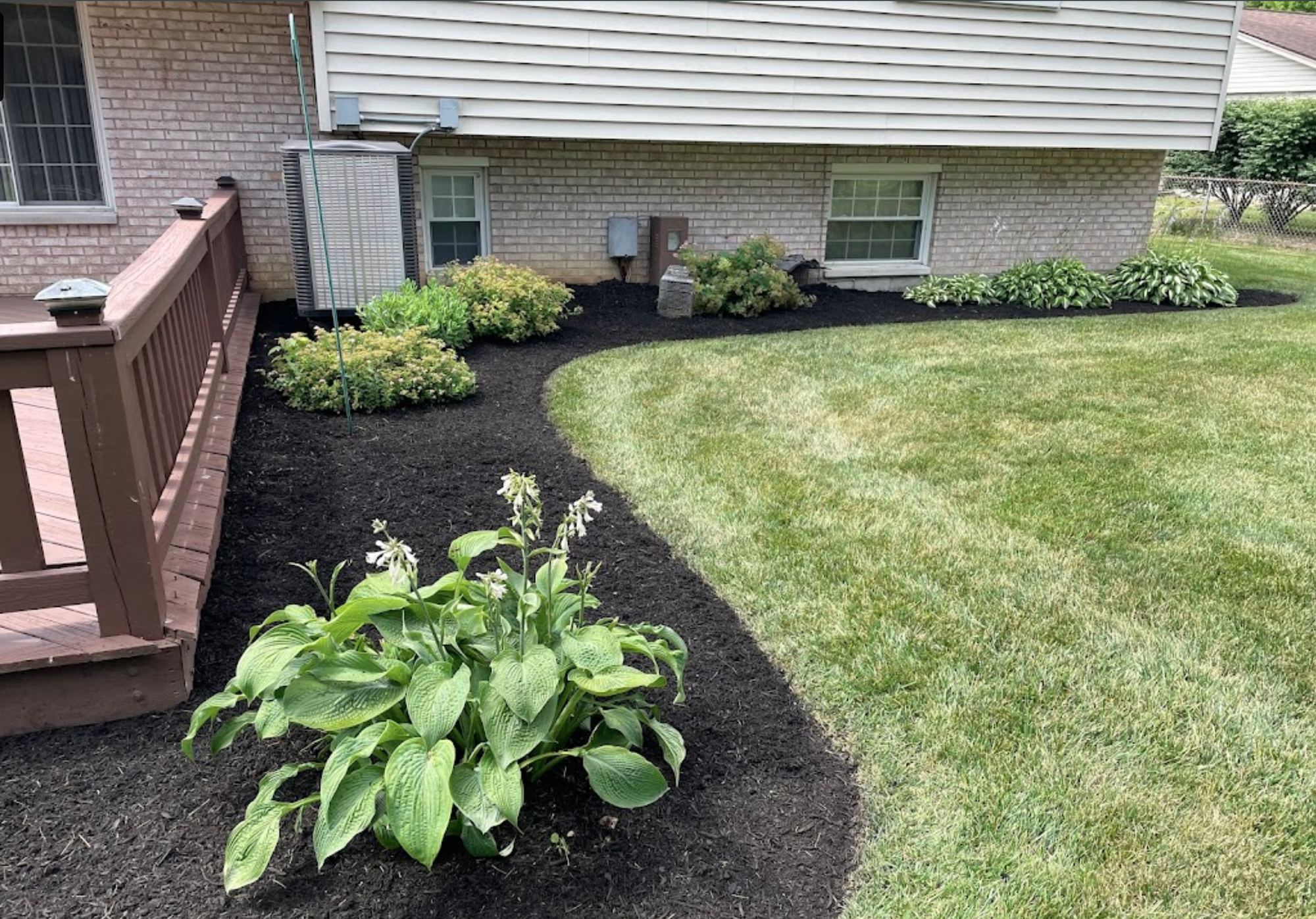
After
Best Mulch Choice for Mobile Lawns
Most yards in the Mobile area sit on Sandy Loam type of soil. Mobile's sandy loam soil has naturally low organic matter content and loses moisture quickly between rain events, making it a challenging foundation for ornamental plant beds without supplemental cover. Without a mulch layer, the exposed soil surface heats up rapidly during summer and loses moisture through evaporation faster than most ornamental plants can tolerate.
Hardwood Mulch
Hardwood mulch breaks down steadily in Mobile's warm, wet climate and releases organic matter directly into sandy loam soil as it decomposes season after season. This gradual addition of humus slowly improves the soil's water-holding capacity, transforming fast-draining sandy loam into a richer, more moisture-retentive growing medium for trees, shrubs, and perennials over multiple years.
Mulch Types We Deliver in Mobile
Whether you are refreshing landscape beds or covering a large backyard, quality mulch is one of the most practical investments in the hot, humid climate of this part of Alabama. We make bulk mulch delivery in Mobile easy by delivering by the cubic yard directly to your property. Choose from several varieties suited to the classic home styles and sandy soils common throughout the Gulf Coast region.
Dyed Black Mulch
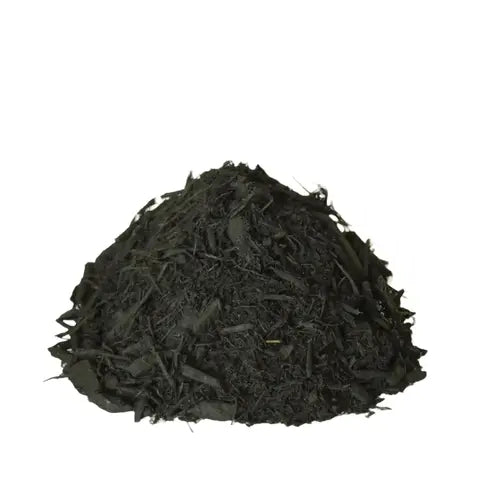
Bold and striking, dyed black double shredded mulch is a popular choice for homeowners who want landscape beds that stand out against the lush green growth that thrives in this warm, wet climate. The rich color holds through heavy summer rains, and the smooth texture spreads cleanly around plants and borders.
Dyed Brown Mulch
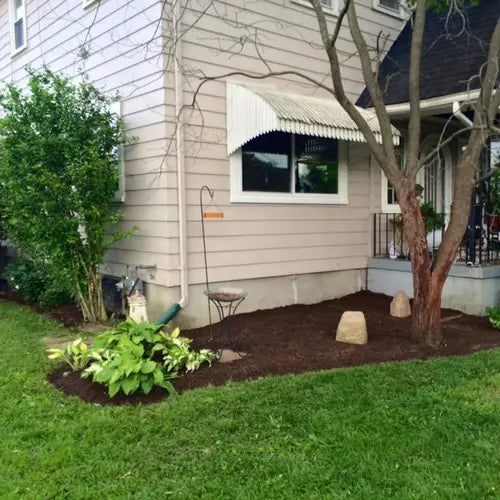
Warm brown dyed double shredded mulch blends naturally with the sandy, loamy soils common across this part of coastal Alabama. The lasting color stays freshly applied for weeks even through the region's humid summers, making it a top pick for front yard beds, garden borders, and tree rings.
Natural Brown Mulch
Natural brown double shredded mulch brings an honest, earthy look that suits the relaxed coastal aesthetic common in this region. With no dyes added, it fits seamlessly into native plant gardens and naturalistic landscapes, and its smooth texture makes for a quick, even spread across large bed areas.
Complete Your Outdoor Mulch Project
If your beds need rebuilding before you mulch, pair your order with a bulk garden soil delivery to improve the nutrient content of Mobile's naturally lean sandy loam base. Adding a stone border or edging material creates a clean transition between mulched beds and lawn areas and helps keep mulch in place during Mobile's heavy downpours.
Mobile's growing season runs nearly nine months, from late February through early November, meaning your plant roots are competing for moisture almost year-round. Before laying fresh mulch, rake out any matted or decomposed material from the previous season. Old mulch can form a water-repellent crust in sandy loam beds that actually prevents rain from reaching roots. Loosening that base layer before topping off ensures the new mulch works with the soil rather than sealing it off.
Mulch Mound Pro Tip
Pine straw is a popular mulch choice throughout coastal Alabama because it allows water to pass through freely, which is ideal when Mobile receives intense rain bursts during storm season. However, pine straw tends to float and scatter during heavy runoff events. If your beds slope even slightly toward a driveway or neighbor's yard, shredded hardwood mulch interlocks much better and stays in place far more reliably during the Gulf Coast's powerful summer storms and tropical weather systems.
Mulch Mound Pro Tip
With 66 inches of rain falling across Mobile each year, mulch erosion is a real concern, especially in beds along driveways or sidewalk edges that receive concentrated sheet flow. Using a coarser, double-shredded hardwood mulch rather than a fine texture slows surface runoff and keeps material anchored better between storms. Installing a simple metal or plastic bed edging at the downhill side of each bed creates a physical barrier that prevents washout and protects your mulch investment through every heavy rain event.
Frequently Asked Questions
Click a question to see the answer
Answer
How often do I need to replace mulch in Mobile's climate?
Mobile's combination of heat, humidity, and 66 inches of annual rainfall accelerates organic mulch decomposition significantly compared to drier or cooler regions. Most homeowners find they need to top off mulch beds once a year, typically in early spring just before the last frost date of February 27 when new growth begins. If you chose a dyed hardwood mulch, color tends to fade within one season under Mobile's intense sun, so a fresh application each spring keeps beds looking sharp as well as functional.
Answer
Will mulch help with the weeds that seem to explode in my beds every spring?
A 3-inch layer of mulch dramatically reduces weed germination by blocking sunlight from reaching the soil surface. In Mobile's zone 9a climate, weed pressure starts earlier than most of the country, often picking up in late February alongside the warming temperatures that follow the last frost. Keeping your mulch layer topped up through winter and refreshed in early spring gives you a head start before annual weed seeds get a chance to sprout in the warming sandy loam.
Answer
Does mulch actually make a difference when the soil underneath is already sandy loam?
Sandy loam drains quickly, which is useful in Mobile where heavy rains can total 5 or 6 inches in a single storm. However, that same drainage means moisture leaves the root zone faster than plants can use it during dry spells between Gulf storms. A consistent mulch layer acts as a buffer, slowing surface evaporation and giving your sandy loam time to hold onto water where plant roots actually need it, reducing the boom-and-bust moisture cycle that stresses ornamental plants.
Answer
Should I pull mulch away from my house foundation here in Mobile?
Yes, always maintain a gap of at least 6 inches between your mulch and your home's foundation or siding. In Mobile's humid climate, mulch pushed tight against a structure can trap moisture and create conditions that attract termites and encourage wood rot. This is especially important in the wetter months when Mobile's rainfall averages are highest, from late spring through early fall, when moisture levels around foundations are already elevated.
Answer
What is the difference between natural and dyed mulch, and which one is better for a Mobile yard?
Natural mulch such as aged hardwood or pine bark breaks down organically and contributes nutrients and structure back into Mobile's sandy loam soil over time. Dyed mulch uses colorants to maintain a consistent appearance longer and is often made from recycled wood products. For Mobile homeowners who prioritize soil health, natural mulch is the better long-term choice because it builds the organic matter that sandy loam lacks. If curb appeal is the main goal, dyed mulch offers more consistent color through the season, though it still needs annual refreshing under Mobile's strong sun.
Answer
How deep should I apply mulch in my flower beds?
A 3-inch depth is the standard recommendation for Mobile landscapes and provides enough insulation for moisture retention and weed suppression without suffocating plant roots. For newly planted shrubs and perennials in zone 9a, that 3-inch layer also helps moderate soil temperatures during Mobile's summer heat, when ground temperatures in unprotected sandy loam beds can climb significantly. Avoid piling mulch directly against plant stems or tree trunks, as this encourages rot and pest problems in Mobile's persistently humid environment.
Answer
Is there a best time of year to lay fresh mulch in Mobile?
Early spring, right around Mobile's last frost date of February 27, is the ideal time to refresh mulch beds. Applying at this point lets you lock in soil moisture heading into the warm growing season and helps suppress early weed germination before it gets a foothold. A secondary application or light top-off in late fall, just before the first frost around November 8, adds an extra layer of insulation for perennial roots heading into winter and keeps beds looking tidy through the cooler months.
The Unique Landscape of Mobile
Mobile's sandy loam soil drains quickly, which means plant beds can dry out fast even with the city's generous 66 inches of annual rainfall. A proper mulch layer slows moisture loss at the surface, giving roots time to absorb water before it percolates away through the sandy profile. Mobile's long growing season, stretching from the last frost around February 27 all the way to the first frost near November 8, means your beds are actively growing for most of the year and need consistent moisture protection. The Gulf Coast humidity also accelerates organic mulch breakdown, so replenishment is needed more often here than in cooler inland climates. Choosing the right mulch and applying it at the correct depth makes the difference between thriving ornamental beds and stressed, drought-prone plants during Mobile's long, hot summers.