


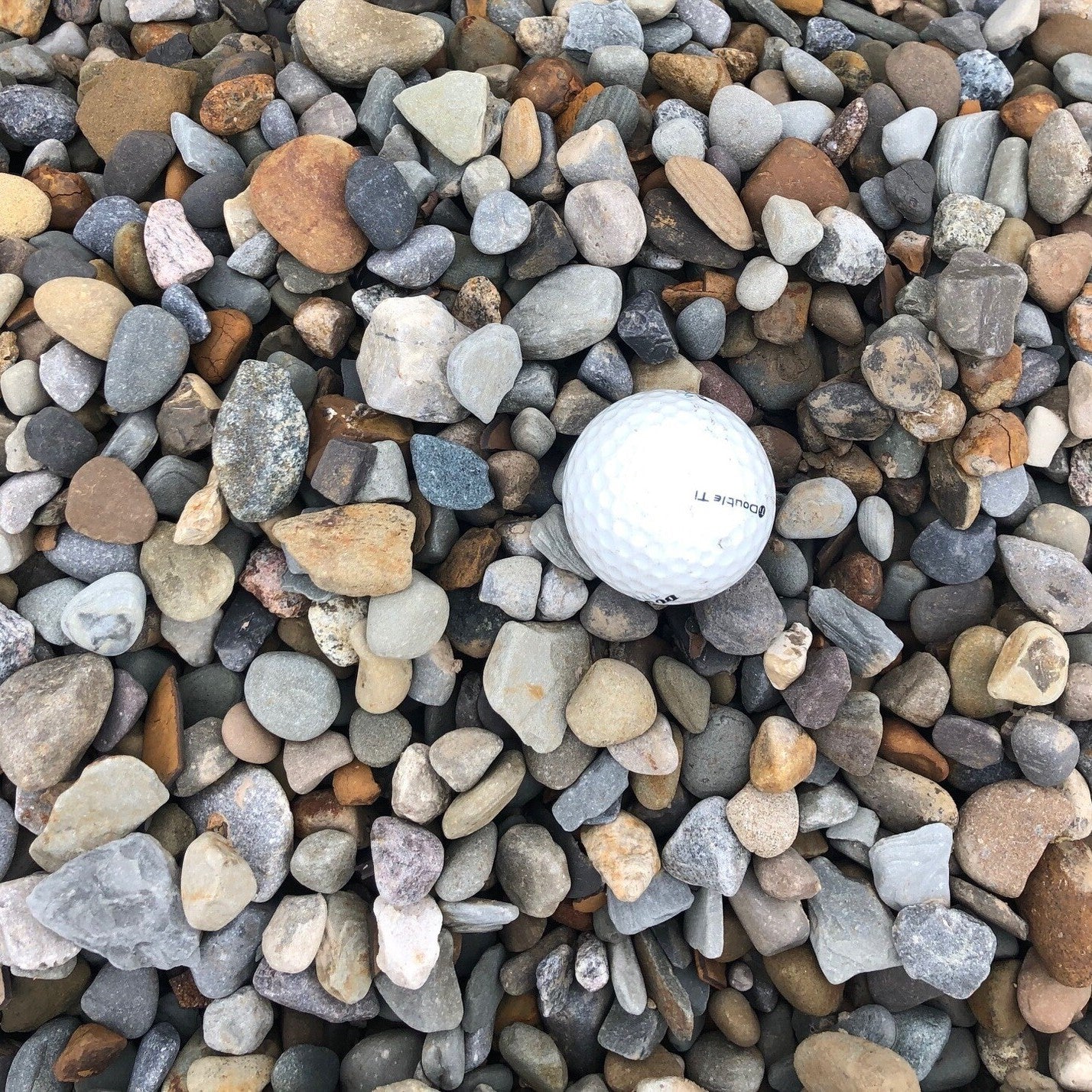

The driver nailed it on putting the gravel I ordered in front of my trailer and between the sidewalk. Very satisfied with how my flowerbeds look now.
About this stone
Number 57 crushed stone, angular limestone graded to about three quarters of an inch. The standard driveway, base and drainage gravel, it locks together under traffic and drains fast.
The driver nailed it on putting the gravel I ordered in front of my trailer and between the sidewalk. Very satisfied with how my flowerbeds look now.
Tell us what you're looking for
Thanks! We received your request.
Something went wrong. Please try again.
How Much Material Do I Need?
How Much Material Do I Need?
For decorative coverage and weed suppression in Mobile landscape beds, 2 to 3 inches of stone provides adequate coverage and a clean finished look. For drainage applications or pathways subject to foot traffic and Mobile's heavy rain events, plan for at least 3 to 4 inches of compacted material to ensure the installation stays stable and functional over time.
Use our free gravel calculator
What is a yard?
What is a yard?
FAQs
FAQs
Mobile Gravel Delivery
Mobile Gravel Delivery
Regular price
$133.00
per
yard
Regular price
Sale price
$133.00
Unit price
per
Shipping calculated at checkout.
Minimum of 3 yard
Couldn't load pickup availability
Not currently available
We can't take orders for this right now. Tell us what you need and we'll get back to you.
Hand-picked local yards
4,000+ regional deliveries
Dedicated support
Why order through Mulch Mound
The best local stone, without the guesswork.
We hand-pick and partner with the best yards in your region, keep only the ones our buyers rate well, and back each load with our guarantee.
Mulch Mound Guarantee
If your stone isn't the quantity or quality you ordered, we'll make it right.
About this stone
Number 57 crushed stone, angular limestone graded to about three quarters of an inch. The standard driveway, base and drainage gravel, it locks together under traffic and drains fast.
The driver nailed it on putting the gravel I ordered in front of my trailer and between the sidewalk. Very satisfied with how my flowerbeds look now.
How Much Material Do I Need?
How Much Material Do I Need?
For decorative coverage and weed suppression in Mobile landscape beds, 2 to 3 inches of stone provides adequate coverage and a clean finished look. For drainage applications or pathways subject to foot traffic and Mobile's heavy rain events, plan for at least 3 to 4 inches of compacted material to ensure the installation stays stable and functional over time.
Use our free gravel calculator
What is a yard?
What is a yard?
FAQs
FAQs
Tell us what you're looking for
Thanks! We received your request.
Something went wrong. Please try again.
How It Works
Getting started is easy — just follow these simple steps
1
Choose your stone
Make sure you adjust the quantity to your home's needs. You can use our calculator to estimate how much you'll need.
2
Select your delivery date
Select a delivery date you'd like for the product to be dropped off at your home
3
Sit back and wait
Sit back, wait, and let us work our magic to make sure the highest quality product is delivered to your driveway.


Need Help Calculating How Much Gravel You Need?
Use our NEW Trace from Satellite tool to get an estimate for your project based on an aerial view of your property
Try Our CalculatorTo estimate stone coverage, multiply the length and width of your project area in feet and divide by 100 for a 3-inch depth, which gives you the approximate tons needed. For larger drainage or fill projects in Mobile, where you may need 4 to 6 inches of stone to handle the significant rainfall volume that storms deliver, adjust your depth multiplier accordingly. Ordering an extra 10 percent is a good practice for any stone project since settling and compaction always reduce the finished volume after installation.
Stone Types We Deliver in Mobile
Homeowners across Mobile looking for bulk gravel by the yard can count on dependable delivery of landscaping stone measured and hauled in cubic-yard loads right to their property. The humid Gulf Coast climate means summer rainfall is intense and frequent, which makes thoughtful drainage planning a must for most yard and garden projects. Whether you are refreshing a driveway, lining a garden bed, or solving a drainage problem, having stone delivered in bulk saves time and money.
Pea Gravel
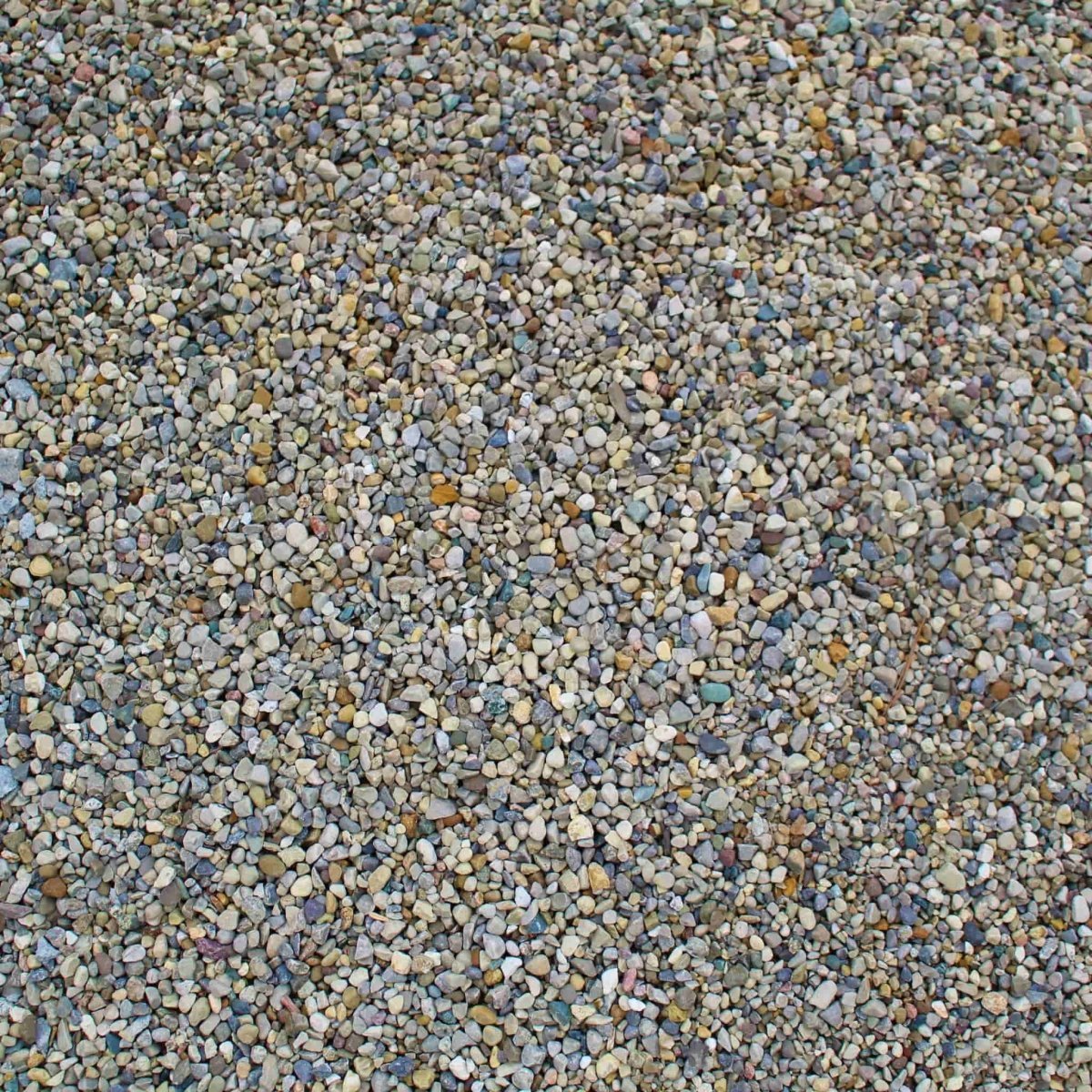
Pea gravel is a top pick for local landscapes where heavy summer rains can saturate clay-heavy soils and flood low-lying garden areas. Its smooth, rounded edges and warm earth tones suit the casual outdoor living spaces common in coastal Alabama, and the gentle texture makes it comfortable underfoot on patios and garden paths.
Complete Your Outdoor Stone Project
Pairing a stone order with bulk mulch lets you use each material where it performs best, stone in high-traffic areas and drainage zones and mulch in planting beds where organic decomposition benefits Mobile's sandy loam soil. Adding quality topsoil to raised bed areas adjacent to your stone project gives plants the nutrient-rich foundation they need to thrive alongside a low-maintenance stone landscape.



Service area
Areas we deliver stone and gravel in Mobile, Alabama
Mulch Mound Pro Tip
In Mobile, where Gulf storms can drop several inches of rain in a single afternoon, any stone drainage project should be designed to move water toward a clear outlet such as a street, swale, or stormwater feature. Before ordering gravel for a drainage bed or French drain, trace the natural water flow across your yard during an actual rain event and confirm you have a clear downhill path for that water to follow. Stone that collects water without a functional outlet will simply create a larger pool rather than solving your original drainage problem.
Mulch Mound Pro Tip
Landscape fabric under decorative stone is a topic that divides homeowners, but in Mobile's climate the case for fabric is strong. With 66 inches of rain washing fine soil particles upward through gravel year after year, stone beds installed without a fabric barrier tend to become weedy and muddy within just a few seasons. A quality non-woven landscape fabric laid under your stone layer dramatically extends the clean appearance and weed-free performance of gravel beds, saving you significant maintenance time and effort over the years.
Mulch Mound Pro Tip
Mobile's mild winters mean that stone hardscaping projects can realistically be installed in almost any month of the year, unlike in colder climates where frozen ground prevents work for months at a time. Take advantage of the cooler period between November and February to tackle stone pathway and drainage projects before the heat and afternoon thunderstorms of summer return. Working in cooler temperatures is more comfortable, the ground is easier to grade when not baked dry by summer heat, and your new installation will be fully settled and ready for the busy spring growing season.
The Unique Landscape of Mobile
Stone is one of the most durable and low-maintenance landscape materials available to Mobile homeowners, and the local climate makes it a particularly practical choice for a wide range of applications. Mobile's 66 inches of annual rainfall creates ongoing drainage challenges in yards with low spots, along foundations, and in areas where foot traffic compacts the soil over time. Gravel and stone pathways allow water to pass through freely rather than pooling on the surface, which is a significant advantage in a city that regularly sees heavy Gulf-driven storms roll in from spring through early fall. Stone also requires no seasonal replacement or decomposition management unlike organic mulch, meaning a well-installed gravel bed or pathway keeps performing year after year without added input or labor. In Mobile's zone 9a growing zone, stone borders and beds also help retain warmth near foundations during the mild winters, which can benefit subtropical plantings that appreciate stable root temperatures through the cooler months.