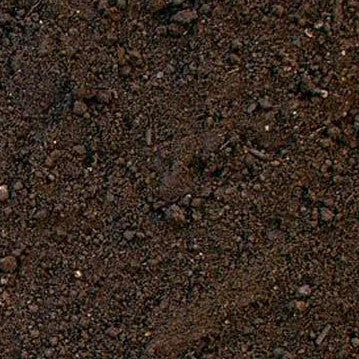
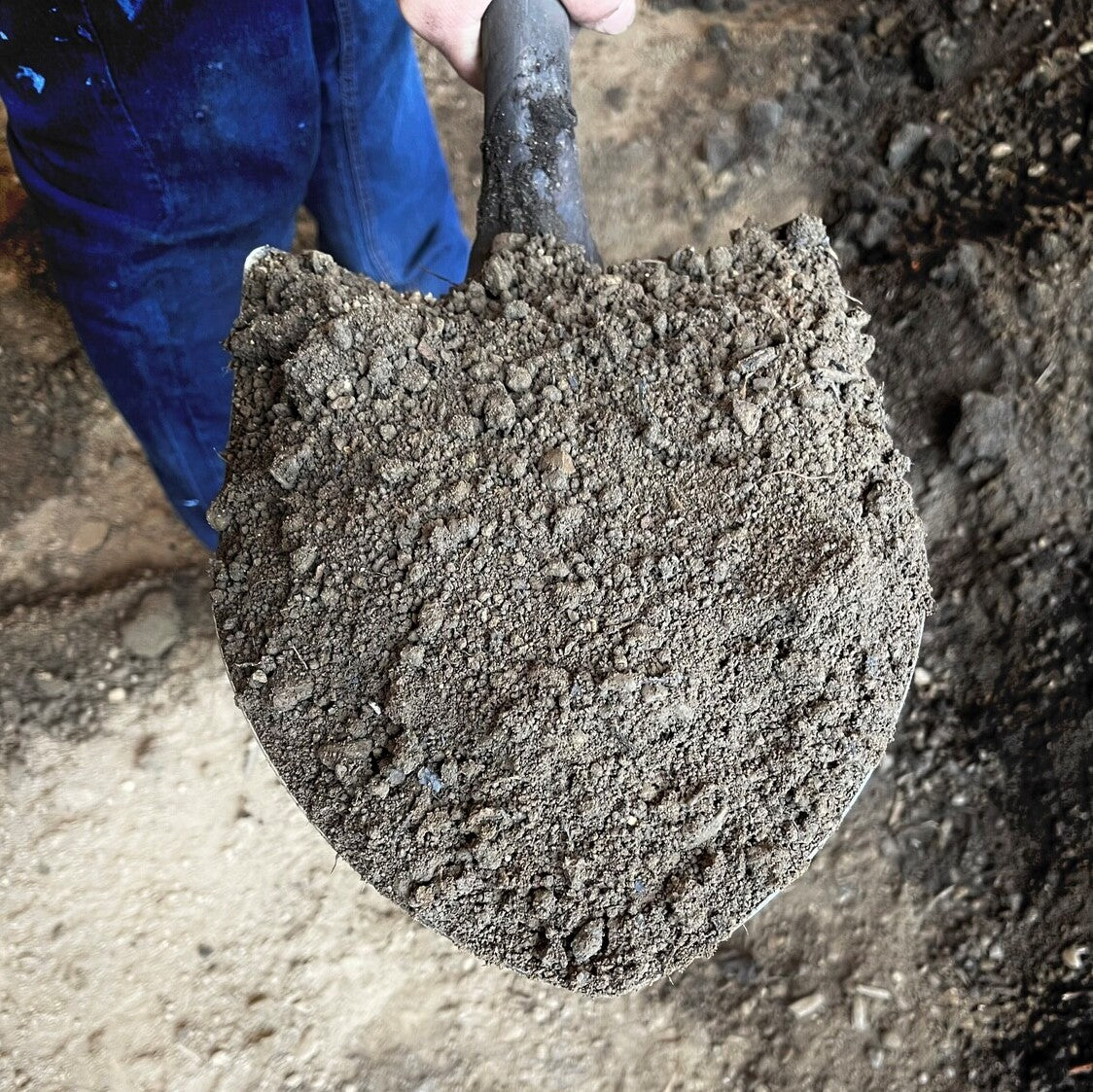
Quality topsoil for lawns, gardens, and landscape projects. Nutrient rich and ready to support strong root development and healthy plant establishment.
I used Mulch Mound to have 3 cubic yards of garden soil delivered. The process was easy and I love that I didn't have to call anyone. I placed my order online, picked my delivery date, laid out my tarp and the dirt was delivered. My delivery had to be pushed back, but I was ke...
Tell us what you're looking for
Thanks! We received your request.
Something went wrong. Please try again.
How Much Material Do I Need?
For raised beds and garden projects in Mobile, plan for a minimum depth of 10 to 12 inches of quality soil to give roots space above the native sandy loam and avoid moisture stress during the long growing season. Lawn leveling and top-dressing projects generally need 1 to 3 inches, spread in gradual passes so existing turf can grow up through the new material without being smothered.
Use our free soil calculator
What is a yard?
A yard is approximately 27 cubic feet. As a general guideline, one yard of material can cover an area of about 100-160 square feet at a 2-3 inch depth.
We can't take orders for this right now. Tell us what you need and we'll get back to you.
What do you need?
Thanks! We received your request.
Something went wrong. Please try again.
Hand-picked local yards
4,000+ regional deliveries
Dedicated support
Why order through Mulch Mound
The best local soil, without the guesswork.
We hand-pick and partner with the best yards in your region, keep only the ones our buyers rate well, and back each load with our guarantee.
Mulch Mound Guarantee
If your soil isn't the quantity or quality you ordered, we'll make it right.
About this soil
Quality topsoil for lawns, gardens, and landscape projects. Nutrient rich and ready to support strong root development and healthy plant establishment.
I used Mulch Mound to have 3 cubic yards of garden soil delivered. The process was easy and I love that I didn't have to call anyone. I placed my order online, picked my delivery date, laid out my tarp and the dirt was delivered. My delivery had to be pushed back, but I was ke...
How Much Material Do I Need?
For raised beds and garden projects in Mobile, plan for a minimum depth of 10 to 12 inches of quality soil to give roots space above the native sandy loam and avoid moisture stress during the long growing season. Lawn leveling and top-dressing projects generally need 1 to 3 inches, spread in gradual passes so existing turf can grow up through the new material without being smothered.
Use our free soil calculator
What is a yard?
A yard is approximately 27 cubic feet. As a general guideline, one yard of material can cover an area of about 100-160 square feet at a 2-3 inch depth.
I used Mulch Mound to have 3 cubic yards of garden soil delivered. The process was easy and I love that I didn't have to call anyone. I placed my o...
Read full review
I used Mulch Mound to have 3 cubic yards of garden soil delivered. The process was easy and I love that I didn't have to call anyone. I placed my order online, picked my delivery date, laid out my tarp and the dirt was delivered. My delivery had to be pushed back, but I was kept informed via text, which was great. So why not 5 stars? The description of garden soil on the website is "A balanced mix of topsoil and organic amendments ready for raised beds, flower gardens, and new planting areas. Good drainage, solid nutrients, easy to work with." What I got was more like fill dirt. It had a lot of gravel, a lot of clay, and random trash mixed in. I didn't test the soil to see if it actually had "amendments" because I already have compost and alpaca manure ready to add, but if I'd known the quality of the dirt was going to be the same as the bagged dirt I bought last year, I probably would have gotten 2 yards of top soil and a yard of leaf compost for better quality, especially since the leaf compost is cheaper. Photo of my mountain of dirt and just some of the trash I found in it.
Calculate the cubic yards of soil needed by multiplying the length, width, and depth of the area in feet and dividing by 27. For lawn top-dressing in Mobile, a 2-inch layer is typical, while raised garden beds need at least 10 to 12 inches of material to support deep-rooted vegetables above the native sandy loam. When in doubt, order a little more than your calculation suggests, since Mobile's sandy base tends to cause fresh soil to settle faster than in regions with higher clay content.
Soil Types We Deliver in Mobile
Mobile's native clay-heavy ground can make it tough to grow a thriving lawn or garden without bringing in quality material from outside. We offer bulk topsoil by the yard in Mobile, delivered straight to your driveway or project site in whatever quantity you need. Whether you are filling raised beds, grading a yard, or preparing new planting areas, fresh soil makes a real difference in how well your plants take hold in our humid Gulf Coast climate.
Screened Top Soil
Our screened top soil is run through a fine screen to remove rocks, roots, and large clumps, giving you a smooth, workable base ready for planting. It suits lawns, flower beds, vegetable gardens, and general grading work around Mobile homes. The nutrient-rich blend supports strong root development and healthy plant establishment in our warm, wet growing season.
Complete Your Outdoor Soil Project
After installing fresh soil, finishing with a layer of mulch helps protect it from Mobile's heavy rains and significantly slows nutrient leaching from your new beds. Pairing a soil delivery with a stone order lets you build clean raised bed borders or pathway edging that keeps soil contained and gives your landscape a finished, polished appearance through every season.
How do I figure out how much soil to order for raised garden beds?
Measure the length, width, and desired depth of each raised bed in feet and multiply all three numbers together to get cubic feet, then divide by 27 to convert to cubic yards. For vegetable gardens in Mobile, a bed depth of 12 inches is a good target, deep enough to keep roots from reaching the native sandy loam beneath before plants are established. Ordering a little extra is always wise since soil settles after watering, especially in Mobile's clay-free environment where there is nothing to hold the structure rigid over time.
Answer
Can I use bulk topsoil to fix the low spots in my lawn that collect water after every heavy rain?
Yes, top-dressing low areas with quality topsoil is one of the most effective ways to improve lawn drainage and eliminate standing water. In Mobile, where heavy rains can dump several inches in a few hours during Gulf storm events, even well-draining sandy loam struggles to keep up if the grade is uneven. Fill low spots gradually, adding no more than an inch at a time and allowing grass to grow through before adding the next layer, so you do not smother the existing turf.
Answer
What kind of soil works best for a vegetable garden in Mobile?
A blended topsoil that includes compost or other organic amendments is ideal for Mobile vegetable gardens. Mobile's native sandy loam drains too quickly on its own to sustain the consistent moisture that most vegetables need, especially during the long growing season that stretches from late February through fall. A soil blend with 20 to 30 percent organic matter helps retain nutrients and moisture between Mobile's sometimes erratic rain events while still draining freely enough to prevent root rot in warm, wet summer conditions.
Answer
My yard was regraded after construction and the surface soil looks thin and compacted. What should I bring in?
Construction grading in Mobile often strips away the natural topsoil layer and leaves behind subsoil or compacted fill material that supports poor plant growth. Bringing in 4 to 6 inches of quality topsoil over the regraded area gives grass seed or sod a proper medium to establish roots before Mobile's summer heat arrives. Spreading the soil evenly and raking it smooth before seeding will give you a far better result than trying to nurse turf through dense, nutrient-poor fill.
Answer
When is the best time of year to order bulk soil for lawn or garden projects in Mobile?
Late winter and early spring, from February through March, is the ideal window for most soil projects in Mobile. You can work the ground after the last frost date of February 27 without worrying about cold damage, and the soil has time to settle and establish before the heat of summer arrives. Fall is also a strong option, particularly September through October, when temperatures cool down enough for grass and plants to root without the stress of extreme heat.
Answer
How does Mobile's heavy annual rainfall affect the soil I bring in for garden beds?
With 66 inches of rain per year, Mobile gardens are subject to significant nutrient leaching, where rainwater carries soluble nutrients down through the soil profile and out of the root zone. A soil blend with higher organic matter content resists leaching better than pure sandy material because organic particles bind to nutrients and hold them closer to the surface. Topping beds with mulch after soil installation further reduces erosion and leaching during the heavy storms that are common across Mobile from late spring through early fall.
Answer
Can bulk soil help me get a new lawn established from seed?
Absolutely. Spreading 2 to 4 inches of quality topsoil before seeding creates a loose, nutrient-rich layer where grass seed can germinate and root freely without fighting through compacted native ground. In Mobile's zone 9a climate, warm-season grasses like centipede, St. Augustine, and Bermuda establish best when soil temperatures are warm, which typically means seeding between April and June. Starting with fresh topsoil gives the new lawn a significant advantage over trying to establish grass in the compacted or nutrient-poor subsoil left behind by grading work.
Mulch Mound Pro Tip
Mobile's long humid summers create ideal conditions for soil-borne pathogens if organic matter stays waterlogged for extended periods. When filling raised beds, blend your bulk topsoil with coarse perlite or aged pine bark fines to improve aeration and keep roots from sitting in saturated conditions after Mobile's heavy summer downpours. Good drainage within the bed itself, not just below it, is the key to productive vegetable and flower gardens in this climate.
Mulch Mound Pro Tip
When top-dressing an existing lawn in Mobile, timing your soil application just before a period of moderate rain is ideal. The rain naturally settles the new soil down into the turf without washing it away, and the steady moisture encourages grass to push up through the fresh material quickly. Avoid spreading loose soil immediately ahead of a forecasted heavy storm, since Mobile's intense downpours can erode unprotected material off even a relatively flat surface before grass has a chance to anchor it.
Mulch Mound Pro Tip
Mobile's 66 inches of annual rainfall means any exposed bare soil is constantly at risk of surface erosion, especially on sloped or graded areas. After spreading bulk soil for a new bed or freshly graded area, apply a light seeding of annual rye or a temporary erosion control cover crop immediately if you are not ready to mulch or plant. This temporary green cover prevents your new soil investment from washing into streets and storm drains during the Gulf Coast's frequent and powerful rain events.
The Unique Landscape of Mobile
Mobile's native sandy loam is workable and well-draining, but it lacks the organic richness that vegetable gardens, flower beds, and newly graded lawns need to perform well over the long growing season. When you add raised beds, regrade a slope, or re-establish a lawn after construction, the existing sandy loam often needs to be supplemented with a blended topsoil that holds nutrients and moisture more effectively. Mobile's 66 inches of annual rainfall also means that any bare or poorly amended soil is subject to erosion and nutrient leaching during the heavy storms that roll in from the Gulf coast throughout summer. Bulk soil delivery lets you address those deficiencies on your own terms, bringing in the exact volume you need for raised beds, fill work, or top-dressing projects. Whether you are setting up a new vegetable garden before the February 27 last frost or leveling a low area heading into fall, quality bulk soil gives your landscape a foundation that Mobile's native ground sometimes cannot provide on its own.