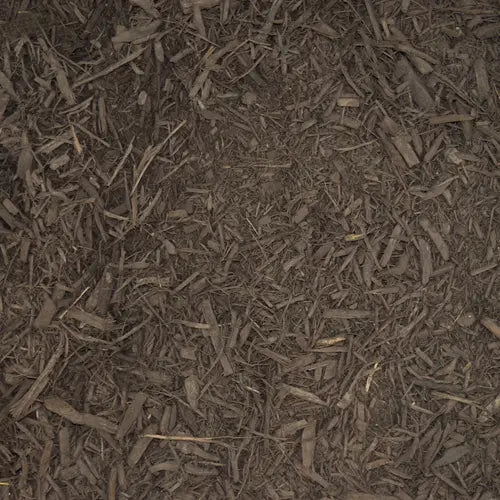
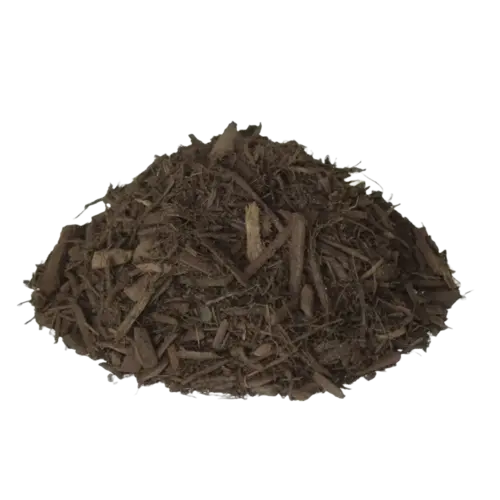
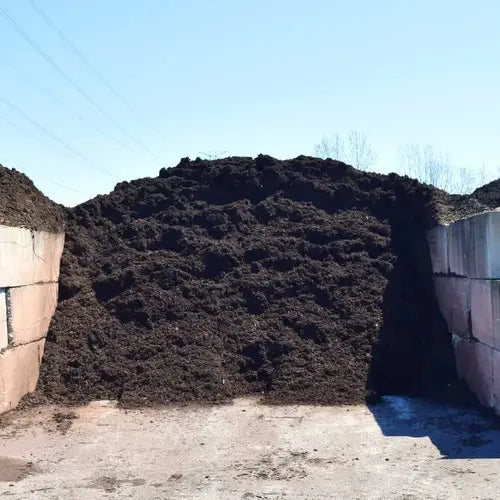
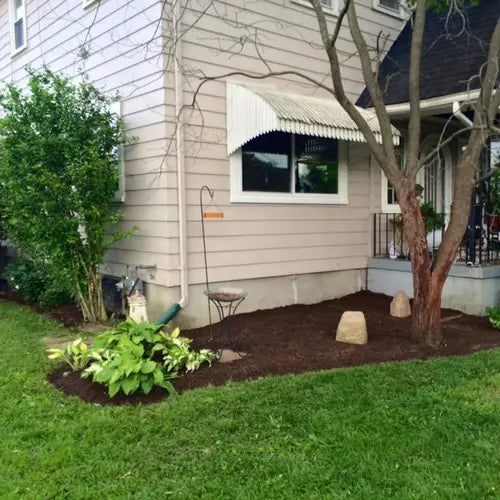
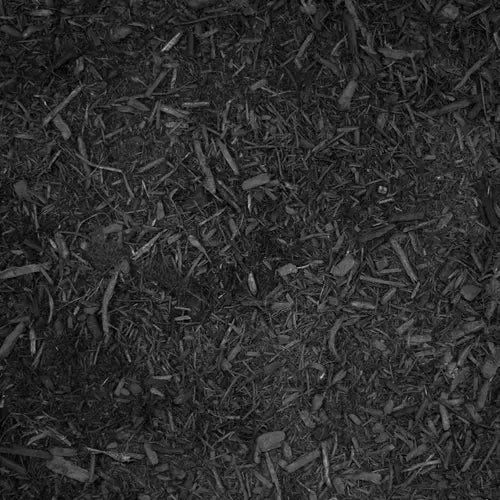
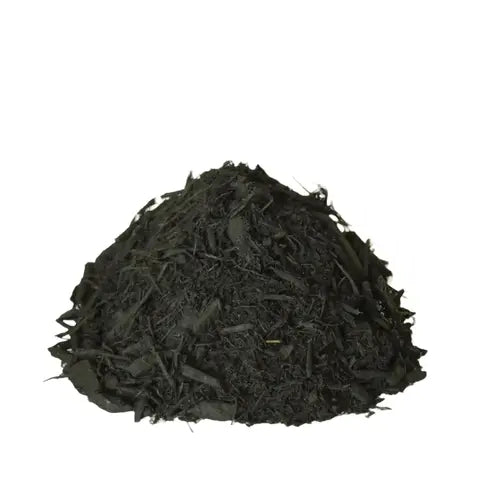
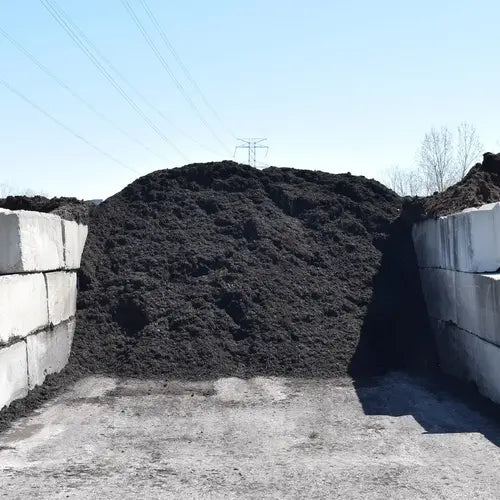
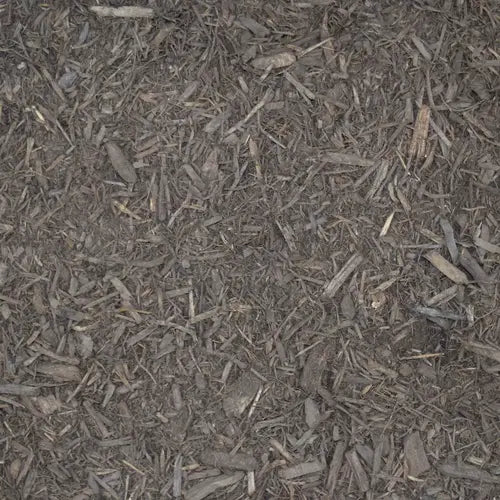
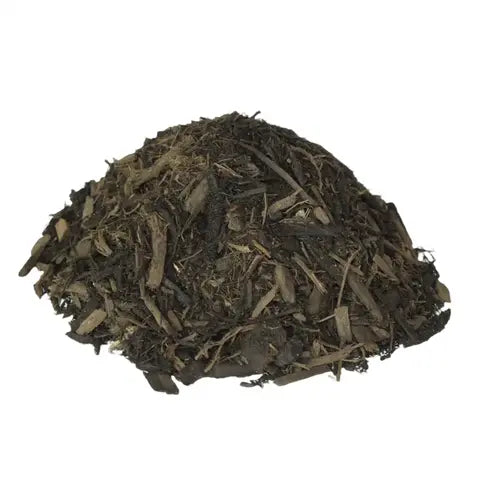
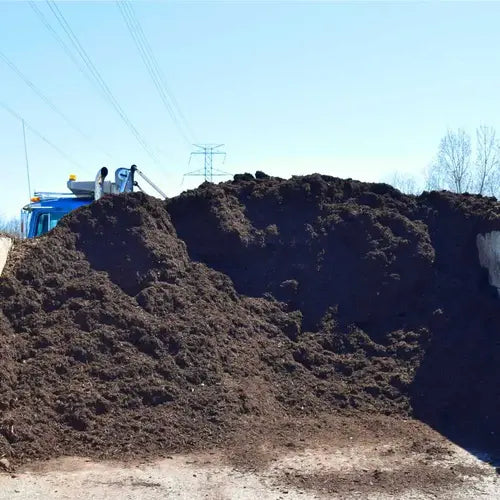
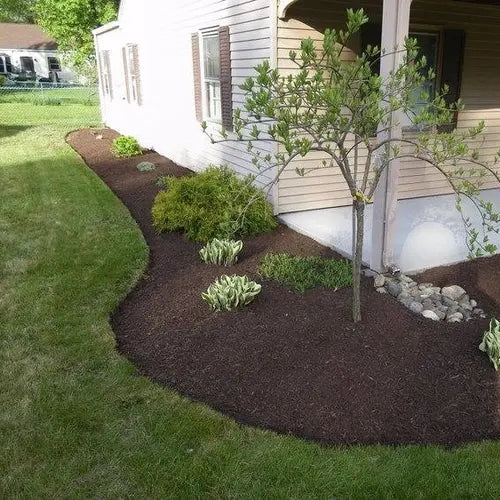
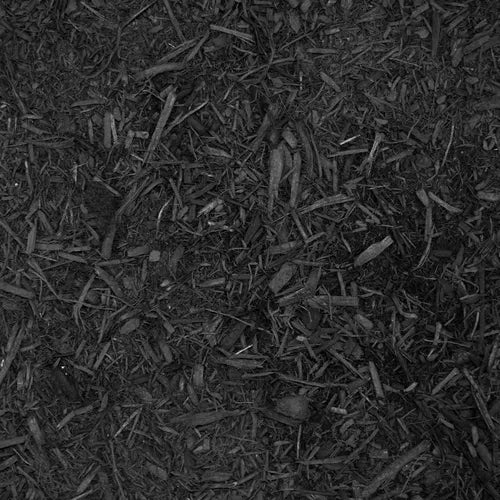
Warm brown double shredded mulch with lasting color that looks freshly applied for weeks. Spreads smooth, stays put, and gives beds a natural, polished appearance.
We needed mulch for our HOA common areas. Local providers were all holding high prices even for 40 yards of mulch. Mulch mound was easy to wowith & has great price for natural mulch + delivery schedule options. They called before delivery to ensure Delivery was exactly wher...
Tell us what you're looking for
Thanks! We received your request.
Something went wrong. Please try again.
How Much Material Do I Need?
For most Moline garden beds over clay soil, a 3-inch mulch depth provides the best balance of weed suppression, moisture retention, and root zone oxygen without creating a barrier that aggravates clay's already limited drainage. Areas on slopes near the river bluffs or along foundation edges that receive roof runoff may benefit from a slightly thicker 4-inch layer to resist erosion during Moline's heavy spring downpours.
Use our free mulch calculator
What is a yard?
A yard is approximately 27 cubic feet. As a general guideline, one yard of material can cover an area of about 100-160 square feet at a 2-3 inch depth.
We can't take orders for this right now. Tell us what you need and we'll get back to you.
What do you need?
Thanks! We received your request.
Something went wrong. Please try again.
Hand-picked local yards
4,000+ regional deliveries
Dedicated support
Why order through Mulch Mound
The best local mulch, without the guesswork.
We hand-pick and partner with the best yards in your region, keep only the ones our buyers rate well, and back each load with our guarantee.
Mulch Mound Guarantee
If your mulch isn't the quantity or quality you ordered, we'll make it right.
About this mulch
Warm brown double shredded mulch with lasting color that looks freshly applied for weeks. Spreads smooth, stays put, and gives beds a natural, polished appearance.
We needed mulch for our HOA common areas. Local providers were all holding high prices even for 40 yards of mulch. Mulch mound was easy to wowith & has great price for natural mulch + delivery schedule options. They called before delivery to ensure Delivery was exactly wher...
How Much Material Do I Need?
For most Moline garden beds over clay soil, a 3-inch mulch depth provides the best balance of weed suppression, moisture retention, and root zone oxygen without creating a barrier that aggravates clay's already limited drainage. Areas on slopes near the river bluffs or along foundation edges that receive roof runoff may benefit from a slightly thicker 4-inch layer to resist erosion during Moline's heavy spring downpours.
Use our free mulch calculator
What is a yard?
A yard is approximately 27 cubic feet. As a general guideline, one yard of material can cover an area of about 100-160 square feet at a 2-3 inch depth.
We needed mulch for our HOA common areas. Local providers were all holding high prices even for 40 yards of mulch. Mulch mound was easy to wowith...
Read full review
We needed mulch for our HOA common areas. Local providers were all holding high prices even for 40 yards of mulch. Mulch mound was easy to wowith & has great price for natural mulch + delivery schedule options. They called before delivery to ensure Delivery was exactly where we wanted it.
Delivery was on time and great quality Mulch. Got it done in a reasonable time and yard looks great. Couldn’t be happier!!! Thank you and will us...
Read full review
Delivery was on time and great quality Mulch. Got it done in a reasonable time and yard looks great. Couldn’t be happier!!! Thank you and will use again!!
Mulch Mound delivered a yard of pea gravel to us. Delivery was on time, driver was friendly and hit a bullseye on the “tarp target”. We used the ...
Read full review
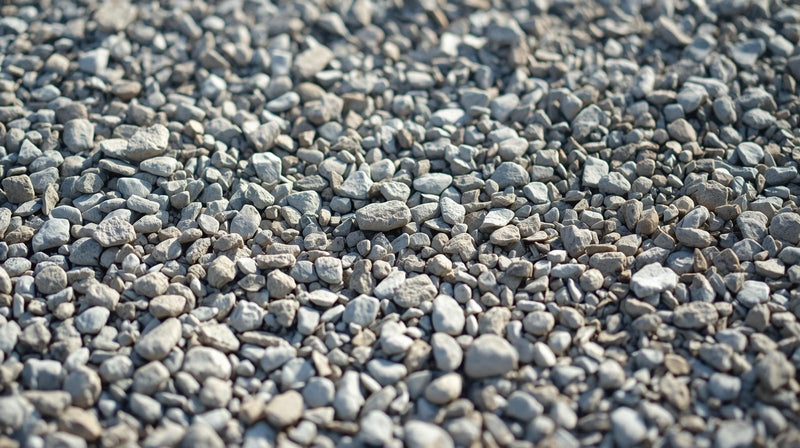
Mulch Mound delivered a yard of pea gravel to us. Delivery was on time, driver was friendly and hit a bullseye on the “tarp target”. We used the pea gravel (which was diameter as specified) to fill several muskrat holes around our pond. I would definitely recommend Mulch Mound to a friend!
Measure the length and width of each planting bed in feet and multiply to get square footage, then use our calculator to find how many cubic yards you need for a 3-inch application. Moline's clay soil tends to hold beds in distinct, defined shapes rather than blending into turf the way sandy soil does, which can make square footage a bit easier to estimate accurately. Add up all bed zones separately before totaling your order, since it is easy to forget smaller areas like tree rings and corner beds.
Mulch vs. No Mulch: The Difference
Moline's wide temperature swings, from subzero January nights to humid 90-degree July afternoons, affect how quickly mulch breaks down and whether surface color survives the full growing season between May and October. Natural hardwood mulch typically fades to a silver-gray by midsummer under full Illinois sun, while dyed mulch holds its rich brown or black tone through most of the season. Both options deliver the same functional benefits for clay soil, so the choice comes down to whether you prioritize long-term organic matter contribution or consistent bed aesthetics through the summer.
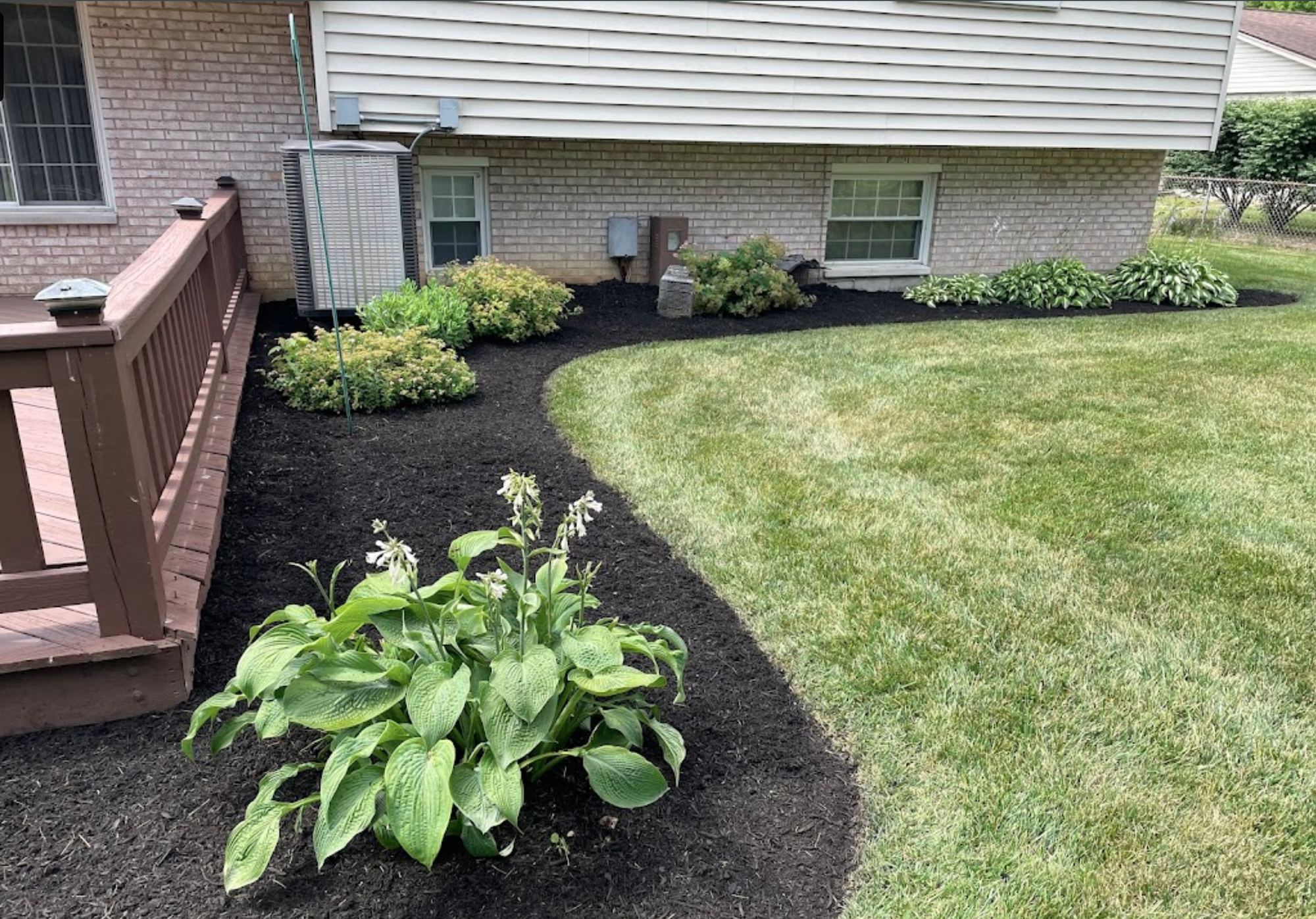
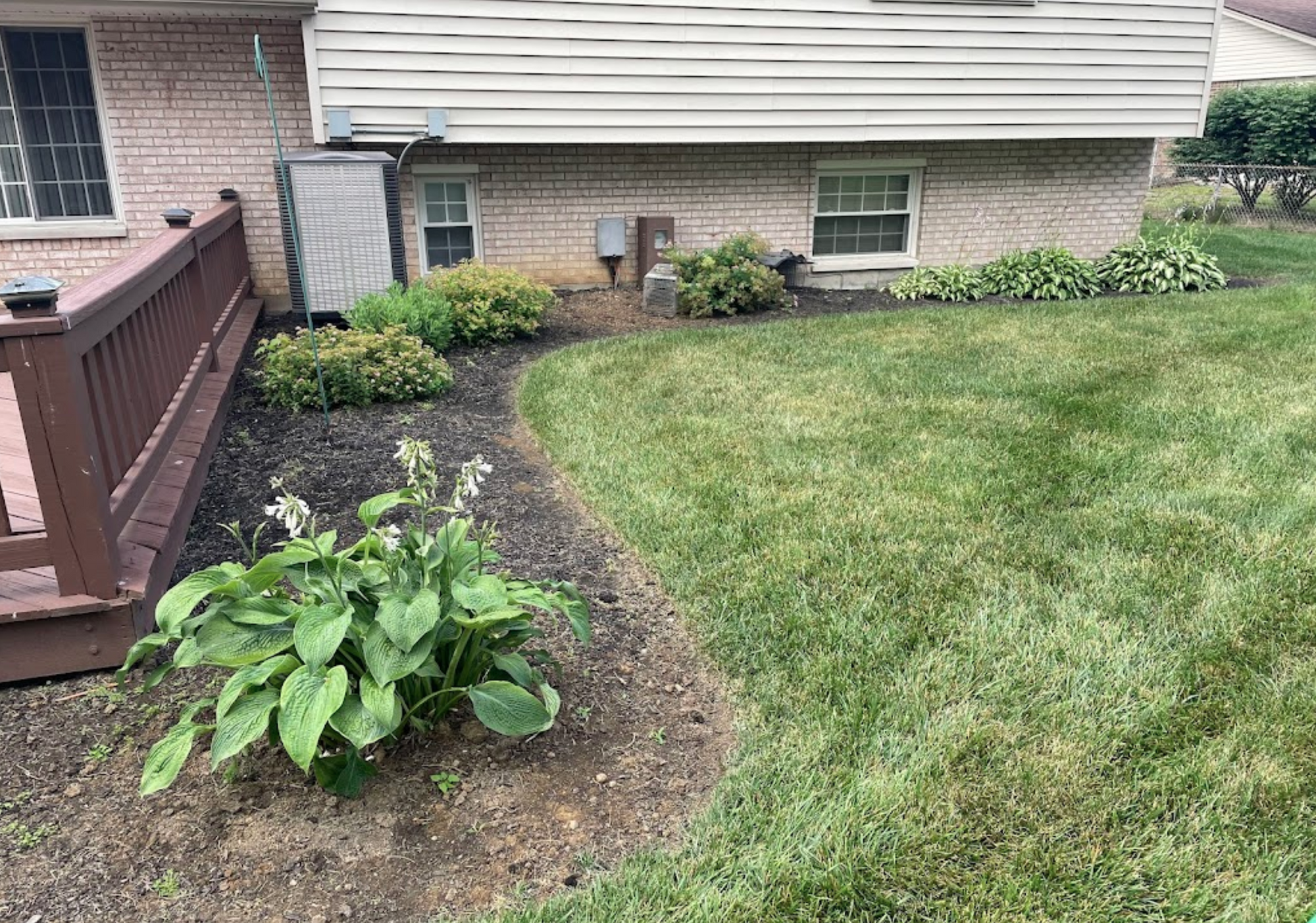
Before
After
Best Mulch Choice for Moline Lawns
Most yards in the Moline area sit on Clay type of soil. Moline's native clay drains slowly and compacts under foot traffic and heavy rain, making it hard for plant roots to spread and find the oxygen they need in the upper soil profile. Bare clay beds crust over after every rain event, creating a surface that resists both water entry and root emergence in spring.
Hardwood Mulch
Hardwood mulch decomposes gradually into humus that physically improves clay structure over time, binding with clay particles to form small aggregates that allow better drainage and root penetration. In Moline yards where clay dominates the entire soil profile, consistent hardwood mulching over several seasons is one of the most practical and low-effort ways to slowly improve the native ground without a full excavation and amendment project.
Mulch Types We Deliver in Moline
Ordering bulk mulch delivery in Moline is a straightforward way to refresh your landscape beds without multiple trips to a store. We deliver by the cubic yard so homeowners and contractors can cover large planting beds, tree rings, and garden borders in a single drop. Whether you are freshening up a front yard or completing a full landscape renovation, the right mulch makes a real difference in curb appeal and soil health.
Dyed Black Mulch
Available in double shredded style, this bold black mulch creates sharp contrast against the brick homes and green lawns common in western Illinois. The rich color holds through warm Midwest summers and heavy spring rains, making it a favorite for homeowners who want beds that stay sharp between applications.
Dyed Brown Mulch
Double shredded and finished in a warm brown tone, this mulch blends naturally with the heavy clay soils found across the region. Its color stays looking freshly applied for weeks, making it a practical pick for front yards and entry beds where a clean, polished appearance matters most.
Natural Brown Mulch
This double shredded mulch skips the dye entirely, letting the natural wood color speak for itself. It suits gardeners who prefer an organic look and pairs well with the native plantings and perennial gardens that are popular in this part of Illinois. Spreads cleanly and settles firm.
Complete Your Outdoor Mulch Project
If you are starting a new bed or refreshing an existing one, consider pairing your mulch order with a load of amended garden soil to loosen Moline's dense clay before laying your surface layer. Adding a decorative stone border around the bed edge keeps mulch contained during heavy spring rains and adds a clean, year-round structure that survives Zone 5b freeze-thaw cycles without shifting.
Pull all visible weeds before your mulch is delivered, and do not skip this step even if the bed looks manageable. Moline's clay soil grips weed root systems tenaciously, and a buried crown left in dense clay will push right through several inches of fresh mulch within a few weeks. A few hours of prep work before the truck arrives saves you from hand-weeding through the hottest part of summer, when working in clay beds is genuinely miserable.
Mulch Mound Pro Tip
Natural hardwood mulch does more than protect your beds in the short term. As the bottom layer decomposes into Moline's clay over two to three seasons, it contributes organic matter that binds with clay particles and gradually improves both drainage and root penetration. This slow-building benefit means that consistent hardwood mulching over several years is one of the most practical long-term soil amendments available to Moline homeowners who are not ready to excavate and amend entire bed areas.
Mulch Mound Pro Tip
Moline receives about 37 inches of rain per year, with the heaviest totals concentrated in May and June right at the start of the growing season. Heavy rain hitting bare clay hammers the surface into a dense cap that sheds water and triggers runoff across your lawn and toward your foundation. A consistent 3-inch mulch layer absorbs that impact, preventing surface crusting and keeping the moisture in the bed where plant roots can actually use it rather than watching it sheet off toward the street.
Frequently Asked Questions
Click a question to see the answer
Answer
How thick should I apply mulch over my Moline clay soil?
A 3-inch layer is the sweet spot for most Moline garden beds. Clay soil already holds moisture longer than sandy ground, so going much thicker than 3 inches can reduce the oxygen exchange that roots need in a dense soil profile. Keeping the mulch pulled back an inch or two from plant stems also prevents the crown rot that shows up in wet Moline springs when moisture gets trapped against plant tissue sitting on saturated clay.
Answer
Will mulch actually help with the weeds that seem to take over after Moline's spring rains?
It makes a significant difference. Moline's wet May conditions are ideal for weed germination, and bare clay that gets hammered by spring rain creates the perfect seedbed for opportunistic weeds. A solid 3-inch mulch layer blocks sunlight from reaching the soil surface and physically interrupts germination for most common weed seeds. The key is pulling existing weeds before you mulch, because clay grips weed roots tightly and a buried crown will regrow even under several inches of material.
Answer
Does dyed mulch hold its color through a Moline winter and into the next season?
Dyed mulch holds color noticeably better than natural wood through Moline's long non-growing season, which runs from the first frost in early October to the last frost in early May. The colorant bonds into the wood fiber and resists the UV fading that turns natural hardwood mulch silver-gray by midsummer. Most homeowners in Moline find that dyed mulch still looks presentable heading into the second season, though a fresh top-off in spring brings it back to its original richness.
Answer
When is the best time to put down mulch in Moline?
Late spring, after May 7 when frost risk is behind you, is the ideal window. Applying mulch too early in April traps cold in Moline's clay and delays soil warming, which pushes back root activity right when plants are trying to break dormancy. Waiting until the soil has had a few weeks to warm after the last frost gives roots the thermal boost they need before you cap the bed with an insulating layer.
Answer
How does mulch protect plants through a Zone 5b Moline winter?
Moline winters regularly push frost deep into clay subsoil, and the repeated freeze-thaw cycles that run from October through March can heave shallow-rooted perennials right out of the ground. A 3 to 4 inch mulch layer over perennial beds acts as insulation that moderates those temperature swings, keeping the soil from thawing and refreezing as aggressively during warm spells in January and February. That stability reduces heaving and protects the crown of perennials through the coldest stretches of a Zone 5b winter.
Answer
My Moline clay stays waterlogged for weeks in spring. Will adding mulch make the drainage problem worse?
Mulch does not significantly worsen drainage in clay soil when applied at the right depth. The bigger drainage issue in Moline is the clay itself, which has very low permeability and allows water to pool on and just below the surface after heavy spring rains. A properly applied mulch layer actually helps by absorbing the initial impact of rainfall, slowing the rate at which water hits the clay surface and reducing surface crusting. If your drainage problem is severe, pairing mulch with amended soil or a stone drainage channel is a more complete solution.
Answer
How many cubic yards of mulch do I need for a typical Moline front yard planting bed?
A standard 3-inch application requires roughly 1 cubic yard for every 100 square feet of bed space, so a modest front foundation bed of 200 to 300 square feet would call for 2 to 3 cubic yards. Moline beds with irregular shapes along a curved front walk or around tree rings are easy to underestimate, so sketching out each zone and adding the square footage together before ordering helps you avoid a second delivery. Our calculator on the product page walks you through the math once you have your measurements.
The Unique Landscape of Moline
Moline's heavy clay soil compacts easily, drains poorly, and bakes into a near-concrete surface during the dry stretches of a Zone 5b summer, making unprotected plant beds difficult to manage from one season to the next. Without mulch, the exposed clay surface crusts over after every rain, shedding water rather than absorbing it and leaving roots stressed even when rainfall totals look adequate on paper. The growing window between the last frost on May 7 and the first frost on October 9 is tight enough that any week lost to soil moisture stress or temperature extremes has a real impact on plant performance. Moline receives about 37 inches of rain annually, but that moisture arrives unevenly, with heavy spring downpours followed by dry midsummer stretches that punish unprotected clay beds. A consistent mulch layer is one of the most practical tools a Moline homeowner has for moderating those swings and keeping plant roots in a stable environment through the full growing season.