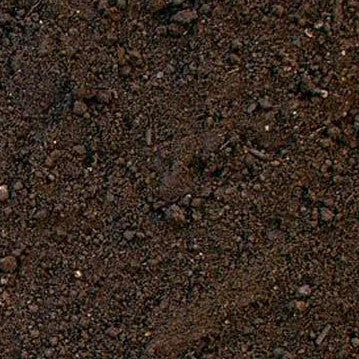
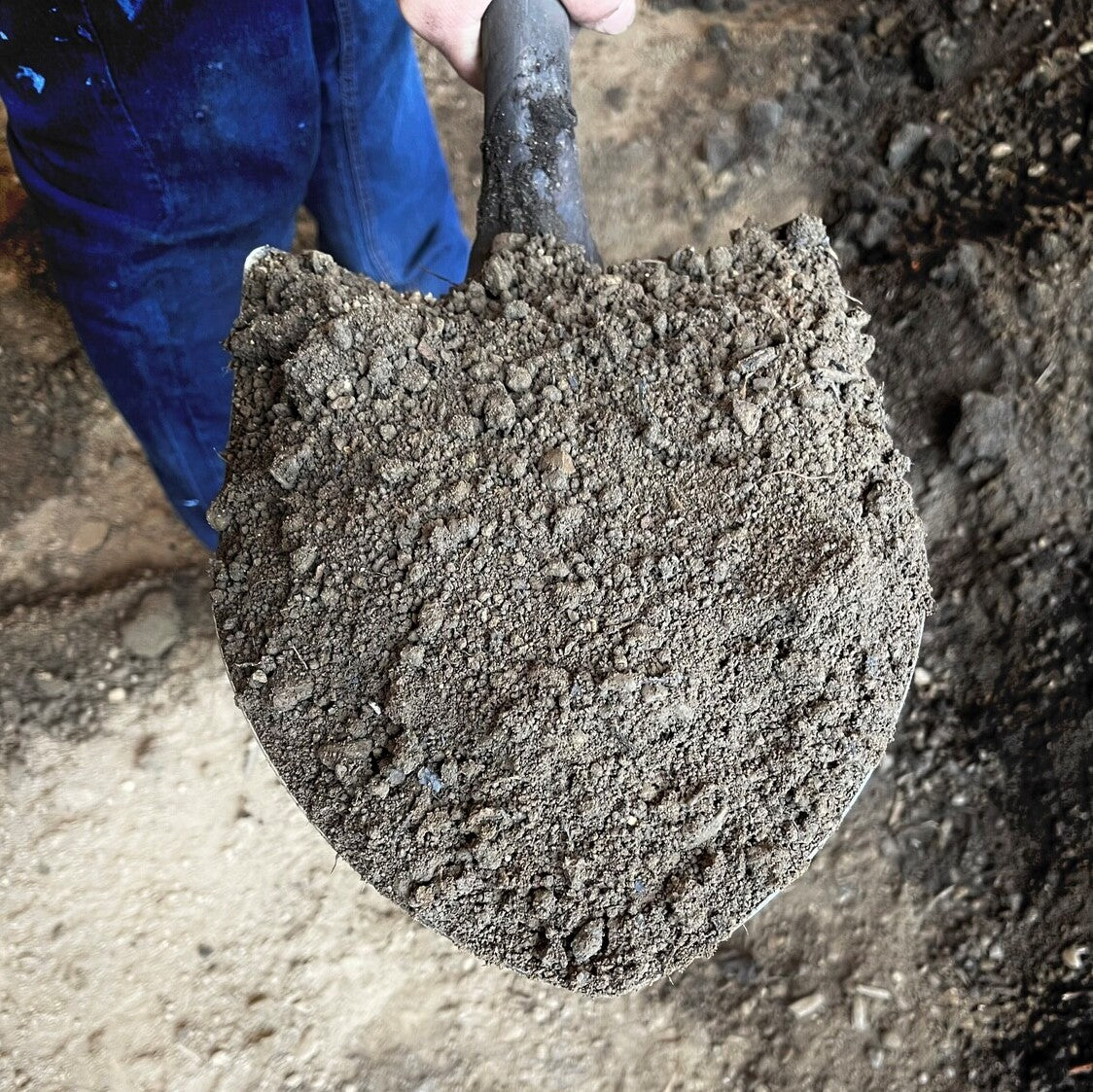
Quality topsoil for lawns, gardens, and landscape projects. Nutrient rich and ready to support strong root development and healthy plant establishment.
My experience with Mulch Mound was great and super easy. I ordered two yards of screened topsoil and was able to get it delivered within 2 days. They came in my requested time frame (afternoon) and dropped it off where I asked on my driveway. The topsoil was exactly what was a...
Tell us what you're looking for
Thanks! We received your request.
Something went wrong. Please try again.
How Much Material Do I Need?
Lawn leveling projects in Moline typically need 2 to 4 inches of screened topsoil to smooth the low spots that form as clay shrinks and heaves through freeze-thaw cycles over winter. New garden beds installed over native clay should have at least 8 to 12 inches of quality amended soil to give plant roots a workable zone before they encounter the dense clay layer below.
Use our free soil calculator
What is a yard?
A yard is approximately 27 cubic feet. As a general guideline, one yard of material can cover an area of about 100-160 square feet at a 2-3 inch depth.
We can't take orders for this right now. Tell us what you need and we'll get back to you.
What do you need?
Thanks! We received your request.
Something went wrong. Please try again.
Hand-picked local yards
4,000+ regional deliveries
Dedicated support
Why order through Mulch Mound
The best local soil, without the guesswork.
We hand-pick and partner with the best yards in your region, keep only the ones our buyers rate well, and back each load with our guarantee.
Mulch Mound Guarantee
If your soil isn't the quantity or quality you ordered, we'll make it right.
About this soil
Quality topsoil for lawns, gardens, and landscape projects. Nutrient rich and ready to support strong root development and healthy plant establishment.
My experience with Mulch Mound was great and super easy. I ordered two yards of screened topsoil and was able to get it delivered within 2 days. They came in my requested time frame (afternoon) and dropped it off where I asked on my driveway. The topsoil was exactly what was a...
How Much Material Do I Need?
Lawn leveling projects in Moline typically need 2 to 4 inches of screened topsoil to smooth the low spots that form as clay shrinks and heaves through freeze-thaw cycles over winter. New garden beds installed over native clay should have at least 8 to 12 inches of quality amended soil to give plant roots a workable zone before they encounter the dense clay layer below.
Use our free soil calculator
What is a yard?
A yard is approximately 27 cubic feet. As a general guideline, one yard of material can cover an area of about 100-160 square feet at a 2-3 inch depth.
My experience with Mulch Mound was great and super easy. I ordered two yards of screened topsoil and was able to get it delivered within 2 days. Th...
Read full review
My experience with Mulch Mound was great and super easy. I ordered two yards of screened topsoil and was able to get it delivered within 2 days. They came in my requested time frame (afternoon) and dropped it off where I asked on my driveway. The topsoil was exactly what was advertised, clean with no rocks or other debris. The price was reasonable. I plan to use them again in a couple weeks to order compost for my garden beds.
Measure the length, width, and target depth of your project area in feet and use our calculator to convert those dimensions into cubic yards. Keep in mind that Moline's clay base does not absorb added soil the way sandy ground does, so raised beds and defined borders tend to hold their intended depth better than attempts to blend new soil into the native clay profile. Always add a 10 to 15 percent buffer to your calculated quantity to account for settling after the first rains.
Soil Types We Deliver in Moline
Moline homeowners and landscapers count on reliable bulk soil delivery to build healthy yards and productive garden beds across the region. Whether you are filling raised planters, grading a lawn, or restoring worn patches after a long Illinois winter, we bring quality material right to your property by the cubic yard. If you have been searching for bulk topsoil by the yard in Moline, you have found a local source ready to help.
Screened Top Soil
Our screened top soil is finely processed to remove rocks, clumps, and debris, leaving a clean and workable material that spreads evenly across Moline lawns and garden beds. It is nutrient rich and well suited to the region's temperate climate, supporting strong root development and healthy plant establishment for both new seeding and landscape renovation projects.
Complete Your Outdoor Soil Project
After grading or filling with fresh soil, top your project with a layer of mulch to protect the new surface from Moline's spring downpours and prevent the clay-like crusting that even good topsoil can develop when left exposed in summer heat. Adding stone edging around new beds keeps soil in place during heavy rains and gives your landscape a clean, finished edge that holds up through Zone 5b winters without shifting.
What kind of soil should I use to fix low spots and uneven areas in my Moline lawn?
Screened topsoil works well for lawn leveling in Moline because it is fine enough to work into the existing grass without smothering it and stable enough to hold its grade after the freeze-thaw cycles that shift soil every winter. Moline's clay base tends to sink and crack unevenly as it dries and rehydrates through the season, so low spots accumulate over time in most yards. Filling those areas with quality screened topsoil and overseeding in late summer gives the new seed the best chance of establishing before the October 9 first frost.
Answer
Can I blend delivered topsoil into my existing Moline clay to improve it, or do I need to replace the clay entirely?
Blending works, but only if you are willing to till the clay deeply enough to avoid creating a hard layer at the interface between new soil and native clay. In Moline yards, that interface layer can act like a bathtub wall that traps water above the clay rather than letting it drain. Tilling 6 to 8 inches deep, mixing your delivered soil into the upper clay layer, and then adding the rest on top as a finished grade gives you a more integrated profile that drains and supports roots better than simply spreading topsoil over untouched clay.
Answer
How much soil do I need to build a raised vegetable garden in Moline?
A standard raised bed frame that is 12 inches deep requires about 1 cubic yard of soil for every 25 square feet of bed surface. Moline's clay subsoil is dense enough that vegetable roots benefit from having at least 10 to 12 inches of quality soil above the native ground before they reach clay. A rich garden blend with compost worked in gives transplants going in around May 7 the loose, nutrient-dense root zone they need to produce through the full growing season before the October frost arrives.
Answer
Will good soil help my perennials survive a hard Zone 5b winter in Moline?
Yes, significantly. Plants rooted in quality, well-draining soil going into fall are far better positioned to survive a Moline winter than those sitting in compacted, waterlogged clay. Roots in dense, saturated clay are prone to crown rot when temperatures drop and the waterlogged ground freezes around them. Loose, amended soil drains excess moisture before freeze-up and gives roots room to develop the kind of robust system that insulates the crown and stores the carbohydrates plants need to push through dormancy and regrow in May.
Answer
When is the best time of year to bring in soil for a new garden bed in Moline?
Late spring, in the two to three weeks around the last frost date of May 7, is the most productive window. The clay subsoil is at its most workable during the cool, moist weeks of late spring before summer heat arrives, making it easier to till the interface between your delivered soil and the native clay. Ordering soil too early in April means working in conditions that are often too cold and wet, while waiting until midsummer means fighting baked, cracked clay that resists every tool.
Answer
My Moline backyard floods every spring. Can bringing in bulk soil help fix the drainage problem?
Strategic grading with bulk topsoil can make a meaningful difference if the flooding comes from poor surface drainage rather than a high water table. Moline's clay base sheds rather than absorbs heavy spring rainfall, and low spots in the yard collect that runoff quickly. Building up low areas with screened topsoil and grading the surface to slope away from the house directs water toward a swale or street instead of letting it pool. Pairing that grading work with a stone drainage channel along the lowest edge of the property gives water a clear exit path.
Answer
Does Moline's humid climate affect how delivered soil settles and performs after it is spread?
Humidity and the heavy spring rainfall that Moline sees every year do affect how quickly new soil settles. Expect delivered soil to settle 10 to 15 percent after the first few rain events, especially in beds where it is sitting above dense clay that limits downward drainage. Watering your new beds or raised garden areas lightly after spreading helps consolidate air pockets before you plant. Ordering a small extra cushion above your calculated need accounts for that settling and keeps your finished grade or bed depth accurate through the first season.
Mulch Mound Pro Tip
The window between Moline's last frost on May 7 and the arrival of summer heat in late June is the best time to place and work new soil into garden beds. Clay subsoil is at its most cooperative during the cool, moist weeks of late spring, and tilling the interface between your delivered soil and the native clay during this window creates a more integrated profile than you can achieve in July. Waiting until midsummer means fighting baked, cracked clay that tears apart root systems and resists every attempt at integration.
Mulch Mound Pro Tip
When grading with bulk topsoil in a Moline yard, always slope your finished grade away from the foundation at approximately 1 inch per foot for the first 6 feet. Moline's clay soil holds water like a bowl, and even a subtle depression along the foundation line becomes a problem every spring when 37 inches of annual rainfall arrives in concentrated events. Getting the grade right during installation is far easier than correcting it after the lawn is established and the clay has compacted around the new surface.
Mulch Mound Pro Tip
Zone 5b winters drive frost deep into Moline's clay subsoil, and raised beds filled with quality soil warm up significantly faster in spring than ground-level planting areas in native clay. A raised bed that warms quickly in late April lets you get transplants in the ground close to the May 7 last frost date rather than waiting another two to three weeks for cold, dense clay to reach workable temperatures. The elevated profile also drains freely during Moline's wet springs while surrounding yard areas remain saturated for weeks after a storm.
The Unique Landscape of Moline
Moline sits on a heavy clay base that drains poorly, compacts under foot traffic, and becomes nearly impossible to work with a shovel after a dry stretch in July or August. Homeowners trying to establish new garden beds or level lawn areas quickly discover that the native clay holds its shape like modeling compound and resists root penetration even from established plants. Bringing in quality topsoil or amended garden soil opens up project possibilities that the native ground simply cannot support, from productive raised vegetable beds to smooth lawn surfaces ready for seed. The Zone 5b growing season runs from May 7 to October 9, which is long enough for successful gardens and healthy turf, but only if plants have access to loose, nutrient-rich soil from the start. With 37 inches of annual rainfall arriving on dense clay, improving drainage and soil structure is often the highest-impact investment a Moline homeowner can make.