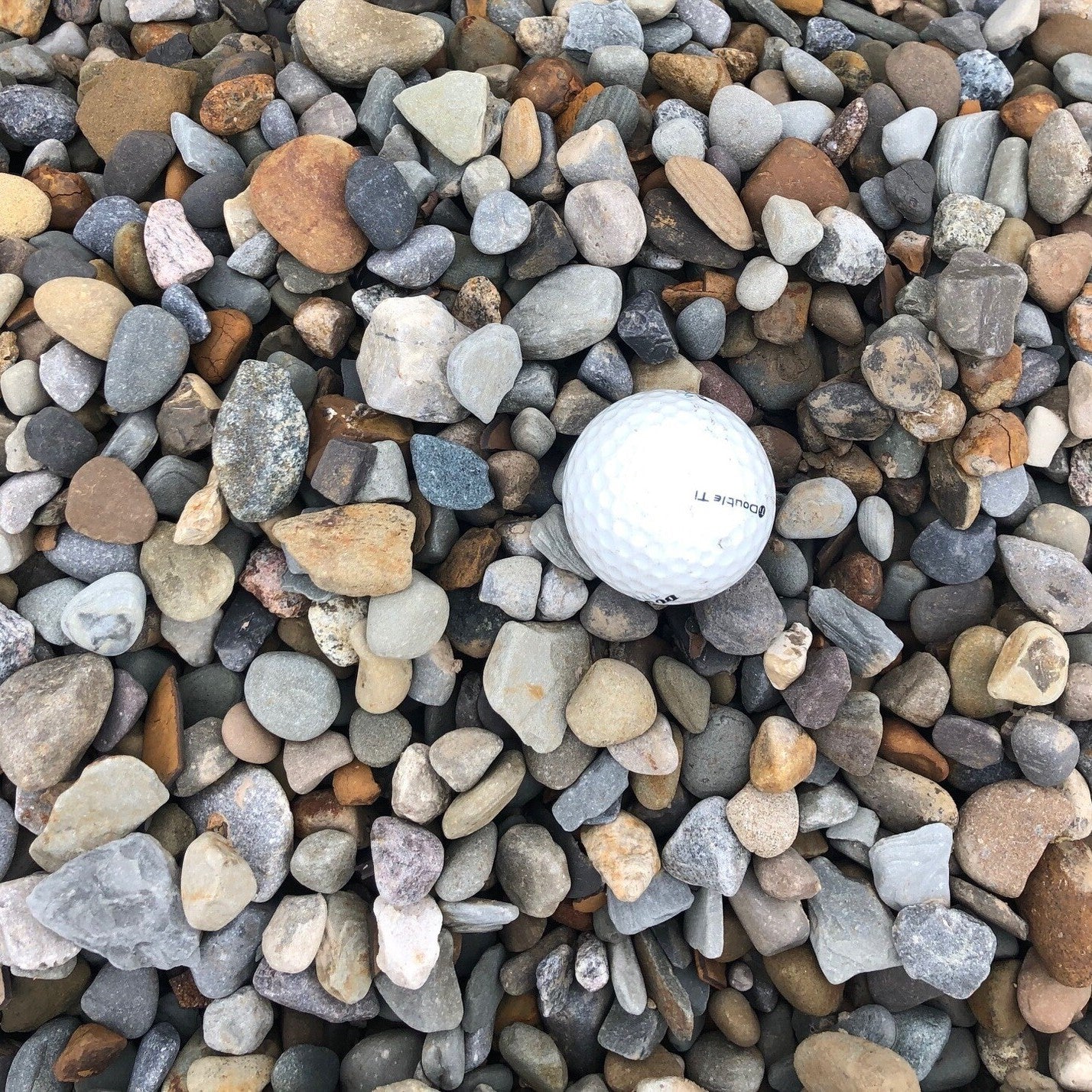
About this stone

Classic pea gravel with smooth, rounded edges and natural earth tones. A versatile favorite for pathways, patios, drainage, and decorative ground cover.

Super easy to order the rocks. They showed up on time, dumped right where I said, and everything worked great.

Moline Stone Delivery

Moline Stone Delivery

4.7
137 reviews
Regular price $87.00 per yard
Regular price Sale price $87.00
Sale Sold out
Type
Size
Minimum of 3
1 tree planted for every order

About this stone

Classic pea gravel with smooth, rounded edges and natural earth tones. A versatile favorite for pathways, patios, drainage, and decorative ground cover.

Super easy to order the rocks. They showed up on time, dumped right where I said, and everything worked great.

Most decorative stone applications in Moline, including pathway surfaces and foundation borders, perform well at a 2 to 3 inch depth installed over landscape fabric on clay soil. Drainage-focused features like dry creek beds and downspout channels should be filled to at least 4 to 6 inches so water can move freely through the stone layer rather than backing up against the dense clay surrounding the channel.
Use our free stone calculator

A yard is approximately 27 cubic feet. As a general guideline, one yard of material can cover an area of about 100-160 square feet at a 2-3 inch depth.

View full details

How It Works

Getting started is easy — just follow these simple steps

1

Choose your stone

Make sure you adjust the quantity to your home's needs. You can use our calculator to estimate how much you'll need.

2

Select your delivery date

Select a delivery date you'd like for the product to be dropped off at your home

3

Sit back and wait

Sit back, wait, and let us work our magic to make sure the highest quality product is delivered to your driveway.

From The Mouths of Moline Folks

4.7
out of 5 based on 137 reviews
Google Reviews

Need Help Calculating How Much Stone & Gravel You Need?

Use our NEW Trace from Satellite tool to get an estimate for your project based on an aerial view of your property

Try Our Calculator
📍

Measure the square footage of your pathway, border, or drainage area and settle on a target depth before you order, typically 2 to 3 inches for decorative coverage and 4 to 6 inches for functional drainage installations. Because Moline's clay soil does not naturally compact stone the way a gravel subbase does, ordering slightly more than your bare calculation suggests gives you a buffer for the material that will gradually settle into the clay surface over the first season. Our calculator converts your square footage and depth directly into cubic yards for easy ordering.

Complete Your Outdoor Stone Project

Pairing a stone pathway or border with fresh mulch in adjacent planting beds creates a finished landscape that handles Moline's heavy spring rains effectively, with stone directing water flow and mulch protecting the soil in planted areas. Adding quality garden soil to any planting zones beside your stonework gives roots the loose growing medium they need to thrive alongside the low-maintenance hardscape through Moline's full Zone 5b season.

Map of Moline, Illinois

Areas We Deliver Stone & Gravel in Moline, Illinois

No cities found for this region.

See All Locations
Mulch Mound Pro Tip

Moline winters push frost deep into clay soil repeatedly from October through March, and that repeated ground movement will gradually shift any stone installation that is not prepared for freeze-thaw stress. Before laying decorative stone along a pathway or foundation border, compact a 1 to 2 inch layer of angular gravel base into the clay surface to create a stable, freely draining foundation before laying fabric and your decorative top layer. This extra step prevents the uneven settling and edge migration that makes stone features look neglected after the first full winter.

Mulch Mound Pro Tip

One of the most practical uses of bulk stone in a Moline yard is a dry creek bed along the low edge of the property where clay soil funnels rainwater after every significant storm. A channel filled with river rock or clean crushed stone moves that water efficiently toward the street or a planted swale while looking intentional and attractive through all four seasons. Even a shallow channel only 6 to 8 inches deep can dramatically reduce the days-long standing water that Moline clay is known for holding after a spring downpour.

Mulch Mound Pro Tip

Stone is one of the few landscape materials that looks finished and intentional in Moline through the full calendar year, including the long grey stretch between the first frost in early October and the return of green in late April. Unlike mulch, stone does not fade significantly, break down, or require annual refreshing, which makes it especially valuable in high-visibility spots like front foundation borders and entry path edges. In Zone 5b, where the non-growing season is nearly as long as the growing season, placing stone in key areas means your landscape always has visible structure regardless of what is blooming.

The Unique Landscape of Moline

Moline's freeze-thaw cycle is one of the most demanding forces on any landscape feature, with ground temperatures crossing the freezing point dozens of times between October and March and shifting clay soil in ways that slowly destroy wood edging, plastic borders, and organic pathway materials. Decorative stone holds up to those conditions in a way that almost no other landscape material can match, staying functional and attractive through repeated heave cycles and spring thaw without cracking, rotting, or washing away. The city's heavy clay base creates persistent drainage challenges, and a strategically placed stone pathway, dry creek bed, or gravel border can redirect water away from foundation plantings and low spots that collect standing water after Moline's heavy spring rain events. River rock, limestone screenings, and decorative gravel add a low-maintenance aesthetic element that survives years of Zone 5b weather with almost no seasonal upkeep. With the growing season limited to the window between May 7 and October 9, homeowners appreciate hardscape features that look intentional and finished in all four seasons.

Frequently Asked Questions

Click a question to see the answer

Answer

What type of stone works best for a backyard pathway in Moline?

Pea gravel and crushed limestone screenings are both popular choices for backyard pathways in Moline. Pea gravel offers a smooth, rounded surface that stays comfortable underfoot and shifts just enough to self-level after the freeze-thaw cycles that move the ground every winter. Limestone screenings compact more firmly and create a harder, more stable walking surface that works well on high-traffic routes. Either option outlasts wood chip pathways in Moline's climate, where organic materials break down quickly in the wet spring and freeze solid by November.

Answer

Will decorative stone sink into or shift around in Moline's clay soil over time?

Clay soil does gradually pull stone downward over multiple seasons, particularly through the freeze-thaw cycles that repeatedly soften and refreeze the surface layer. Laying a sheet of landscape fabric over the clay before placing your stone slows that migration significantly by creating a barrier between the stone and the clay. For pathways and foundation borders, compacting a thin gravel base layer into the clay surface before fabric and decorative stone adds another level of stability and keeps the finished surface looking neat after several winters.

Answer

Can river rock help with the standing water problem along the back edge of my Moline yard?

River rock is one of the most effective and attractive solutions for Moline yards that collect standing water along low edges or downslope corners. Clay soil drains so slowly that water from a single heavy rainstorm can sit in a low spot for days, and a shallow dry creek bed filled with river rock gives that water a clear channel to follow toward a swale or street. A channel that is only 6 to 8 inches deep and 12 to 18 inches wide can move a surprising volume of water and transforms a chronic drainage problem into a landscape feature that looks intentional year-round.

Answer

How do I keep stone from washing away during Moline's heavy spring rains?

Edging and proper base preparation are the two most important factors. Moline's spring downpours generate real water volume and velocity across clay surfaces that cannot absorb runoff quickly enough. Installing a solid edging material, whether metal landscape edging, stone border, or a raised lip of compacted soil, keeps decorative stone from migrating into the lawn during heavy events. For slopes or areas near downspouts, slightly larger stone material like 1 to 2 inch river rock resists displacement far better than fine pea gravel when fast-moving water is a regular issue.

Answer

Does stone get too hot for plant roots during Moline's summer heat?

Light-colored stone like limestone gravel and tan pea gravel reflects enough sunlight that soil temperatures underneath stay reasonably moderate, but dark decorative stone can trap heat in a way that stresses plant crowns in direct sun during Moline's hot July and August afternoons. Keeping dark stone pulled back a few inches from the base of heat-sensitive plants is a simple precaution. Most foundation shrubs and ornamental grasses commonly used in Moline landscapes tolerate the heat that stone borders generate, but delicate perennials placed directly against a south-facing dark stone border may show stress by midsummer.

Answer

How much stone do I need for a foundation border around my Moline home?

Measure the perimeter of the area you want to cover and decide on your border width, typically 18 to 24 inches for a foundation planting strip. Multiply linear feet by your border width in feet to get square footage, then use our calculator to find how many cubic yards you need at your target depth. A 3-inch decorative layer is standard for foundation borders in Moline, where landscape fabric underneath prevents the stone from slowly sinking into clay and keeps weeds from pushing through from below.

Answer

Is stone a good low-maintenance alternative to mulch for certain areas of my Moline yard?

Stone is an excellent low-maintenance option for areas in Moline where you want year-round coverage without the annual refreshing that mulch requires. Foundation borders, entry path edges, and utility areas around HVAC equipment are all good candidates for stone because they are high-visibility spots where mulch fades and decomposes noticeably within a season. Stone does not suppress weeds as aggressively as a fresh mulch layer, so pairing it with quality landscape fabric on clay soil is important. For active planting beds where you want organic matter building up in the clay over time, mulch is still the better choice.
