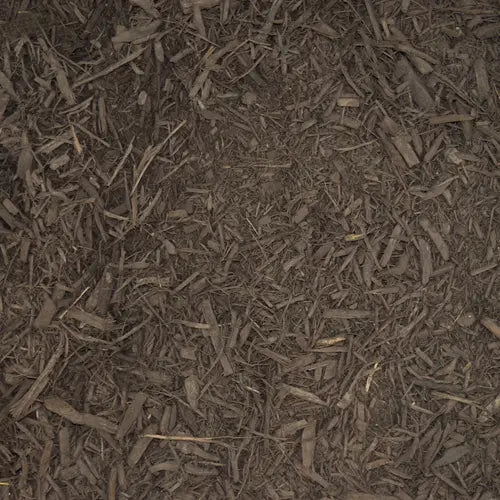
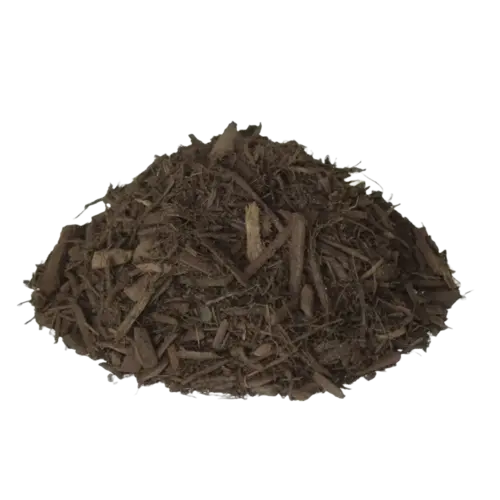
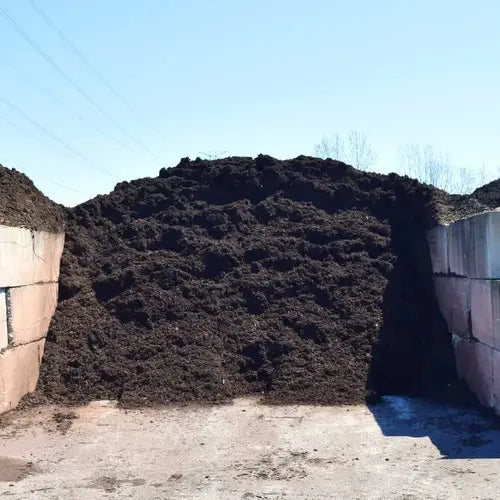
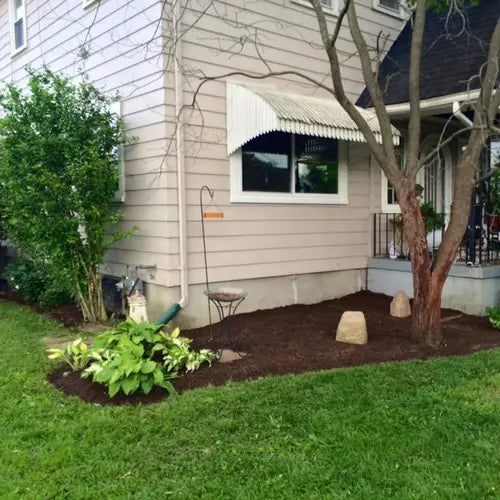
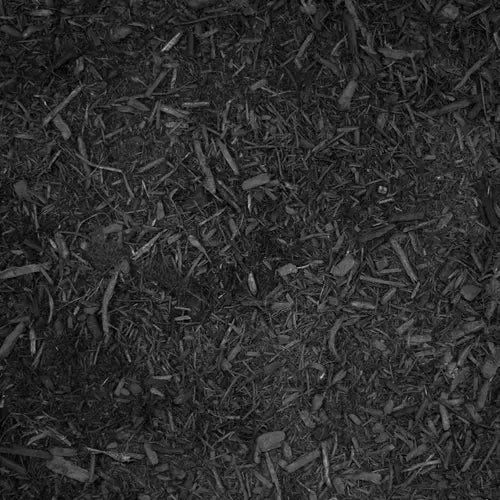
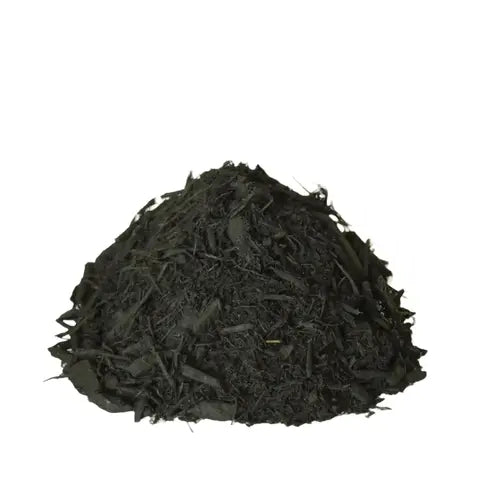
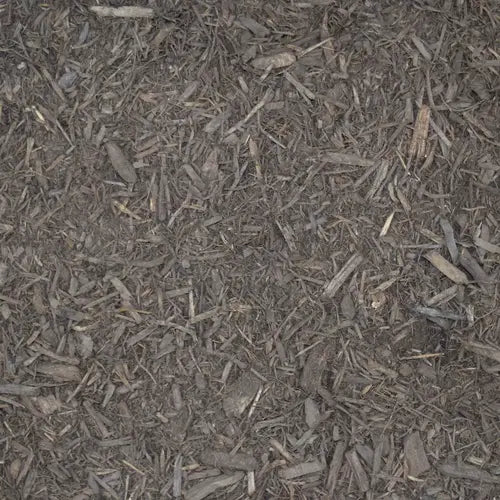
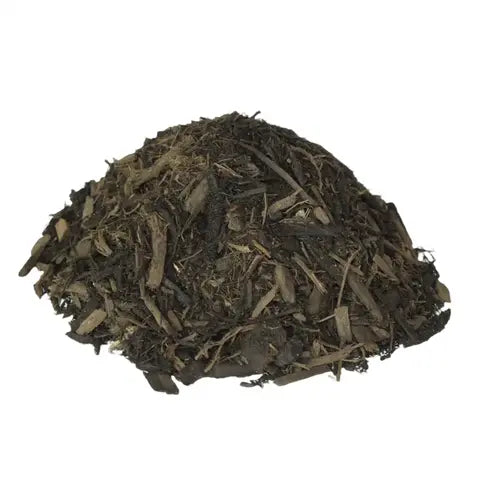
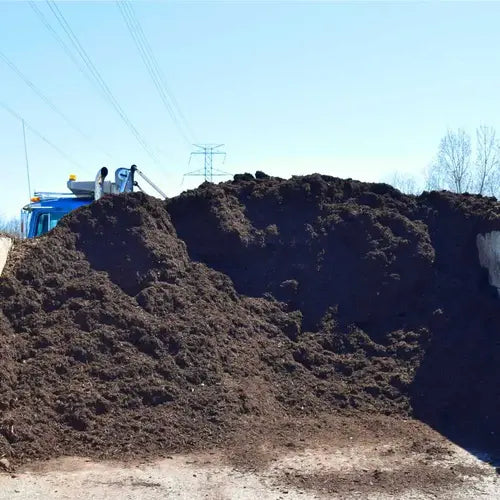
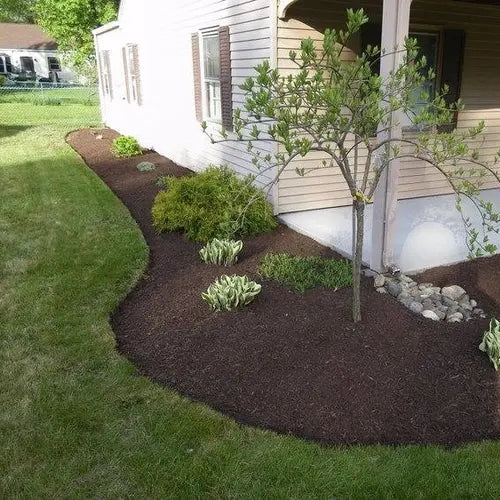
Warm brown double shredded mulch with lasting color that looks freshly applied for weeks. Spreads smooth, stays put, and gives beds a natural, polished appearance.
I can’t say enough good things about Mulch Mound! If you read my review below you will see I had a problem with my order. Mulch Mound was quick to respond and solved the issue with my delivery. Will definitely be a customer next year.
First time purchase...
Tell us what you're looking for
Thanks! We received your request.
Something went wrong. Please try again.
How Much Material Do I Need?
In Montgomery, 3 inches of mulch is the standard recommendation for most landscape beds planted over red clay soil. Tree rings and large foundation shrub beds benefit from a full 4-inch layer to buffer the intense summer heat and compensate for the faster decomposition rate that zone 8b's climate produces.
Use our free mulch calculator
What is a yard?
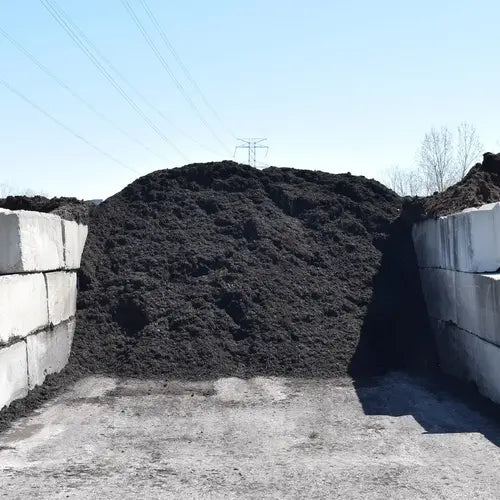
A yard is approximately 27 cubic feet. As a general guideline, one yard of material can cover an area of about 100-160 square feet at a 2-3 inch depth.
We can't take orders for this right now. Tell us what you need and we'll get back to you.
What do you need?
Thanks! We received your request.
Something went wrong. Please try again.
Hand-picked local yards
4,000+ regional deliveries
Dedicated support
Why order through Mulch Mound
The best local mulch, without the guesswork.
We hand-pick and partner with the best yards in your region, keep only the ones our buyers rate well, and back each load with our guarantee.
Mulch Mound Guarantee
If your mulch isn't the quantity or quality you ordered, we'll make it right.
About this mulch
Warm brown double shredded mulch with lasting color that looks freshly applied for weeks. Spreads smooth, stays put, and gives beds a natural, polished appearance.
I can’t say enough good things about Mulch Mound! If you read my review below you will see I had a problem with my order. Mulch Mound was quick to respond and solved the issue with my delivery. Will definitely be a customer next year.
First time purchase...
How Much Material Do I Need?
In Montgomery, 3 inches of mulch is the standard recommendation for most landscape beds planted over red clay soil. Tree rings and large foundation shrub beds benefit from a full 4-inch layer to buffer the intense summer heat and compensate for the faster decomposition rate that zone 8b's climate produces.
Use our free mulch calculator
What is a yard?
A yard is approximately 27 cubic feet. As a general guideline, one yard of material can cover an area of about 100-160 square feet at a 2-3 inch depth.
I can’t say enough good things about Mulch Mound! If you read my review below you will see I had a problem with my order. Mulch Mou...
Read full review
UPDATE!
I can’t say enough good things about Mulch Mound! If you read my review below you will see I had a problem with my order. Mulch Mound was quick to respond and solved the issue with my delivery. Will definitely be a customer next year.
First time purchase from Mulch Mound!! First what I liked! Easy to order online and straight forward pricing and delivery. The driver was on time and courteous and delivered my Mulch exactly where I requested! The product is of good quality and comparable to others I have purchased from before. Now what I DID’NT LIKE! I have been mulching the same house and yard for almost 20 years. I always order the same amount and don’t have any issues with covering the same area but this year I fell about a yard short. I was home when the mulch was delivered and when the driver dumped it I noticed that it seemed a bit less than I was used to. I didn’t apply it any thicker than usual and probably a bit thinner than usual because I was worried about running out.
Mulch Mound made it so easy! So happy with the pricing, turn around time, delivery and product. I submitted my online order on a Thursday. The mu...
Read full review
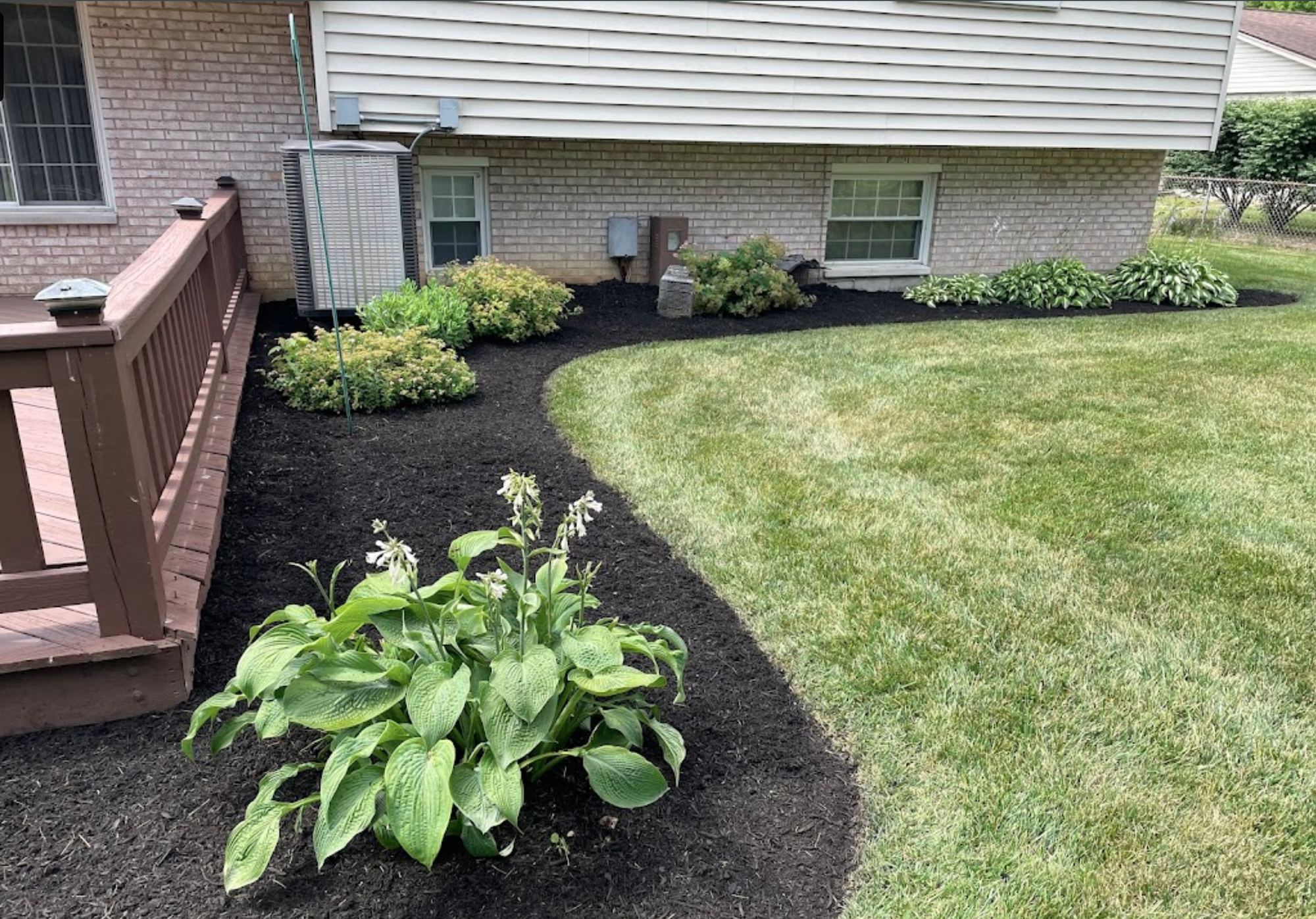
Mulch Mound made it so easy! So happy with the pricing, turn around time, delivery and product. I submitted my online order on a Thursday. The mulch was delivered to the designated location by a local landscape company at 8:30 a.m. the following Saturday morning. We had the job completed by that afternoon. We chose the natural brown mulch, and the plant beds are beautiful.
Measure the length and width of each bed in feet and multiply to get square footage, then note that one cubic yard of mulch covers approximately 100 square feet at the 3-inch depth recommended for Montgomery's red clay beds. Add up all your bed areas and divide by 100 to get your cubic yard total, and round up slightly since beds along Montgomery's frequent rain-driven drip lines tend to thin out faster at the edges. A small buffer in your order saves you a second delivery trip.
Mulch vs. No Mulch: The Difference
Montgomery's zone 8b climate breaks down natural mulch faster than in northern states, but that decomposition is actually beneficial over time because it contributes organic matter to the native red clay, slowly improving its structure. Dyed mulches retain their color and volume longer through the hot, humid summers but do not improve soil health the same way organic types do. For beds where both appearance and long-term soil improvement matter, rotating between dyed and natural mulch in alternating years gives Montgomery homeowners the benefits of both approaches.
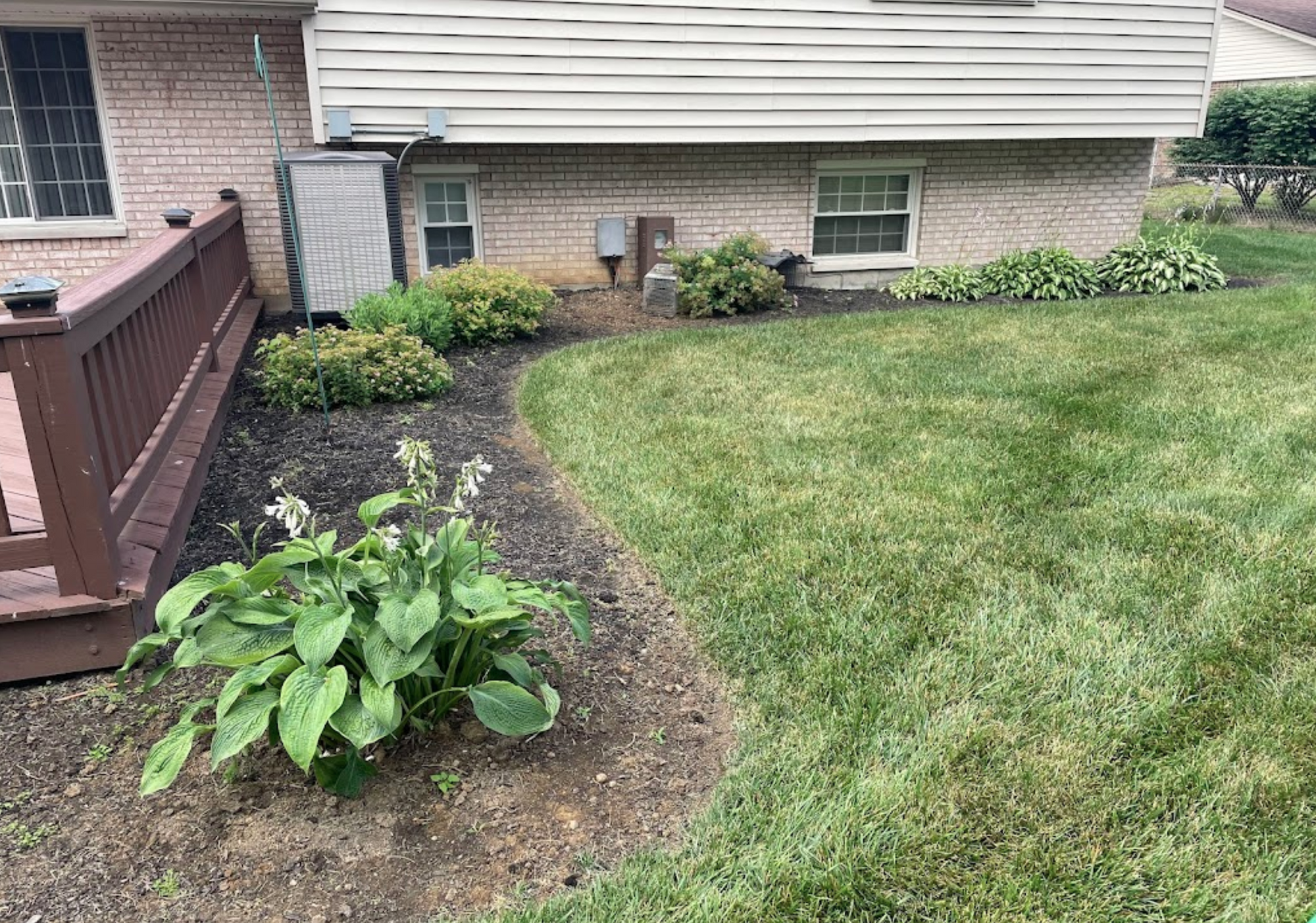
Before
After
Best Mulch Choice for Montgomery Lawns
Most yards in the Montgomery area sit on Red Clay type of soil. Montgomery's red clay soil is naturally dense, low in organic matter, and prone to surface crusting, making it difficult for ornamental plants and shrubs to establish the deep root systems they need to thrive. Without a protective mulch layer, the clay surface bakes hard under the summer sun, blocking water and oxygen from reaching roots during the hottest months of the zone 8b growing season.
Hardwood Mulch
Hardwood mulch is especially valuable over Montgomery's red clay because as it decomposes, it contributes lignin and carbon that gradually loosen the clay's tight particle structure. Consistent annual applications build a more workable, nutrient-rich layer on top of the native clay, improving both drainage and root penetration season after season and making future gardening far less of a battle.
Mulch Types We Deliver in Montgomery
Getting bulk mulch delivery in Montgomery means keeping up with the demands of a humid Southern climate where beds dry out quickly between rains and weeds push through fast. We deliver by the cubic yard so you get exactly what your landscape needs, whether you are refreshing a few garden beds or covering a full property. Every load arrives fresh and ready to spread.
Dyed Black Mulch
Dyed Black Mulch comes in double shredded style and makes a striking contrast against the red clay soil and green foliage common across Montgomery yards. The bold color holds through Alabama's summer heat and afternoon downpours, giving flower beds and tree rings a clean, finished look that stays sharp for months.
Dyed Brown Mulch
Dyed Brown Mulch comes in double shredded style and spreads smoothly across Montgomery's varied garden beds. The warm tone pairs naturally with brick homes and traditional Southern landscaping, and the color holds its freshness through weeks of summer heat and heavy afternoon rain without fading quickly.
Natural Brown Mulch
Natural Brown Mulch is an undyed double shredded option that lets the wood's own warm tone show through. It suits Montgomery homeowners who prefer a relaxed, organic look that blends easily with native shrubs, pine groundcover, and the earthy clay soil found throughout central Alabama.
Complete Your Outdoor Mulch Project
If you are rebuilding a neglected bed, consider pairing mulch with our amended topsoil to correct the red clay layer before mulching, giving roots a workable growing medium instead of bare compacted clay. Stone borders also complement mulch beds beautifully in Montgomery by keeping mulch contained during the heavy rains that arrive through spring and summer.
Montgomery's red clay becomes hydrophobic when it dries out completely, meaning water beads on the surface instead of soaking in. Before spreading a fresh layer of mulch, water your beds thoroughly to wet the clay surface first. This gives the mulch a moist base to work with and ensures the two layers cooperate to retain soil moisture rather than trapping dryness beneath a dry mulch blanket that water cannot penetrate.
Mulch Mound Pro Tip
Timing your mulch application around Montgomery's growing calendar makes a noticeable difference in plant health and bed appearance. Apply a fresh layer right before the last frost date of March 8 so the mulch is in place as perennials push through and spring transplants go in. This step suppresses the aggressive spring weed germination that takes off quickly in zone 8b's warm, humid conditions and saves hours of hand-weeding through April and May.
Mulch Mound Pro Tip
With 53 inches of rain falling across Montgomery each year, mulch can shift and thin out in beds that receive concentrated runoff from rooflines or slopes. Plan for a full 4-inch application in those areas to account for displacement during hard storms, and check beds after heavy rain events to rake mulch back into position. Consistent coverage prevents the bare patches where weeds root fastest and where red clay erodes most noticeably between growing seasons.
Frequently Asked Questions
Click a question to see the answer
Answer
How thick should I apply mulch over Montgomery's red clay soil?
About 3 inches is the sweet spot for most Montgomery beds. Red clay compacts so tightly that it already restricts root oxygen, so going deeper than 4 inches risks smothering shallow roots during the humid summer months. A 3-inch layer is sufficient to suppress weeds and hold moisture through zone 8b's long, hot growing season without suffocating the root zone beneath.
Answer
Will mulch help with the drainage problems red clay causes in my yard?
Mulch does not fix drainage on its own, but it contributes meaningfully over time. As organic mulch breaks down in Montgomery's heat and humidity, it introduces organic matter into the top layer of the clay, slowly loosening its tight structure and improving water absorption. For serious drainage problems, pairing mulch with amended topsoil or a stone drainage channel is the more effective long-term approach.
Answer
Does Montgomery's summer heat cause mulch to break down faster than in other places?
Yes, the combination of heat and humidity in Montgomery accelerates decomposition, especially for natural hardwood mulch. Zone 8b summers mean you should plan to top off your beds once a year, typically in late March just after the last frost on March 8. Dyed mulches tend to hold their volume slightly longer since the colorants slow microbial activity, but both types need annual refreshing in this climate.
Answer
When is the best time of year to mulch in Montgomery?
The ideal window is late February through early March, just before Montgomery's last frost date of March 8. Spreading mulch at this time insulates the soil as temperatures begin to climb and blocks the early spring weed flush that hits bare beds fast in zone 8b. A second light top-off in late October, just before the first frost around November 18, protects root systems through winter and keeps beds looking well-maintained heading into the dormant season.
Answer
How close to my foundation can I safely apply mulch given the termite pressure in Montgomery?
Termite activity is a real concern in Montgomery, so keep mulch pulled back at least 6 inches from your foundation and any wood siding. Hardwood and pine bark mulch are not inherently more attractive to termites than other wood sources, but proximity to the structure is the primary risk factor. Using stone or pea gravel as a narrow foundation border and then transitioning to mulch a foot out is a smart and attractive solution for Montgomery homes.
Answer
How much mulch will I need for a standard front yard bed in Montgomery?
A typical foundation bed around 100 square feet needs roughly 1 cubic yard of mulch at 3 inches deep. If your beds wrap around a larger porch or run along both sides of a driveway, measure total square footage and divide by 100 to get your cubic yard estimate. It is always better to order a little extra than to run short mid-project, especially since fresh mulch spread all at once looks far more polished than a patchy finish.
Answer
Does colored mulch fade faster in Montgomery's intense summer sun?
Montgomery's long, high-UV summers do fade dyed mulch faster than in cooler climates, particularly on south and west-facing beds that get uninterrupted afternoon sun. Choosing a dark dyed color like black or dark brown gives you the most visible lifespan through the season. Refreshing a thin layer before the November 18 first frost keeps beds sharp through fall and gives you a head start before the busy spring planting window opens in March.
The Unique Landscape of Montgomery
Montgomery's red clay soil creates a punishing cycle for landscape beds, repelling water when it dries out and holding excess moisture after heavy rains, which stresses plant roots either way. With 53 inches of annual rainfall, bare soil in Montgomery erodes quickly and weeds establish aggressively in open beds between storms. A consistent layer of mulch acts as a buffer between the clay surface and the elements, moderating the dramatic soil temperature swings that come with zone 8b's long, humid summers and mild but frosty winters. From the last frost around March 8 through the growing season and into November, mulch keeps beds productive, manageable, and far more resistant to the weed pressure that bare clay invites. Without it, Montgomery's combination of heat, rain, and compactible soil works against even well-planted beds.