




I needed 3 yards of top soil and that's what I got! Right on time and right where I asked it to be placed (Order# 2041).
About this soil
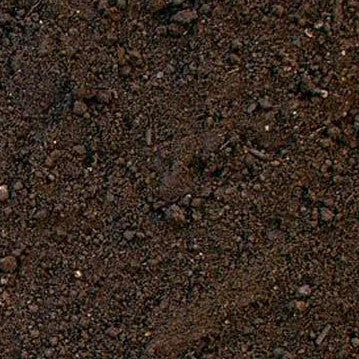
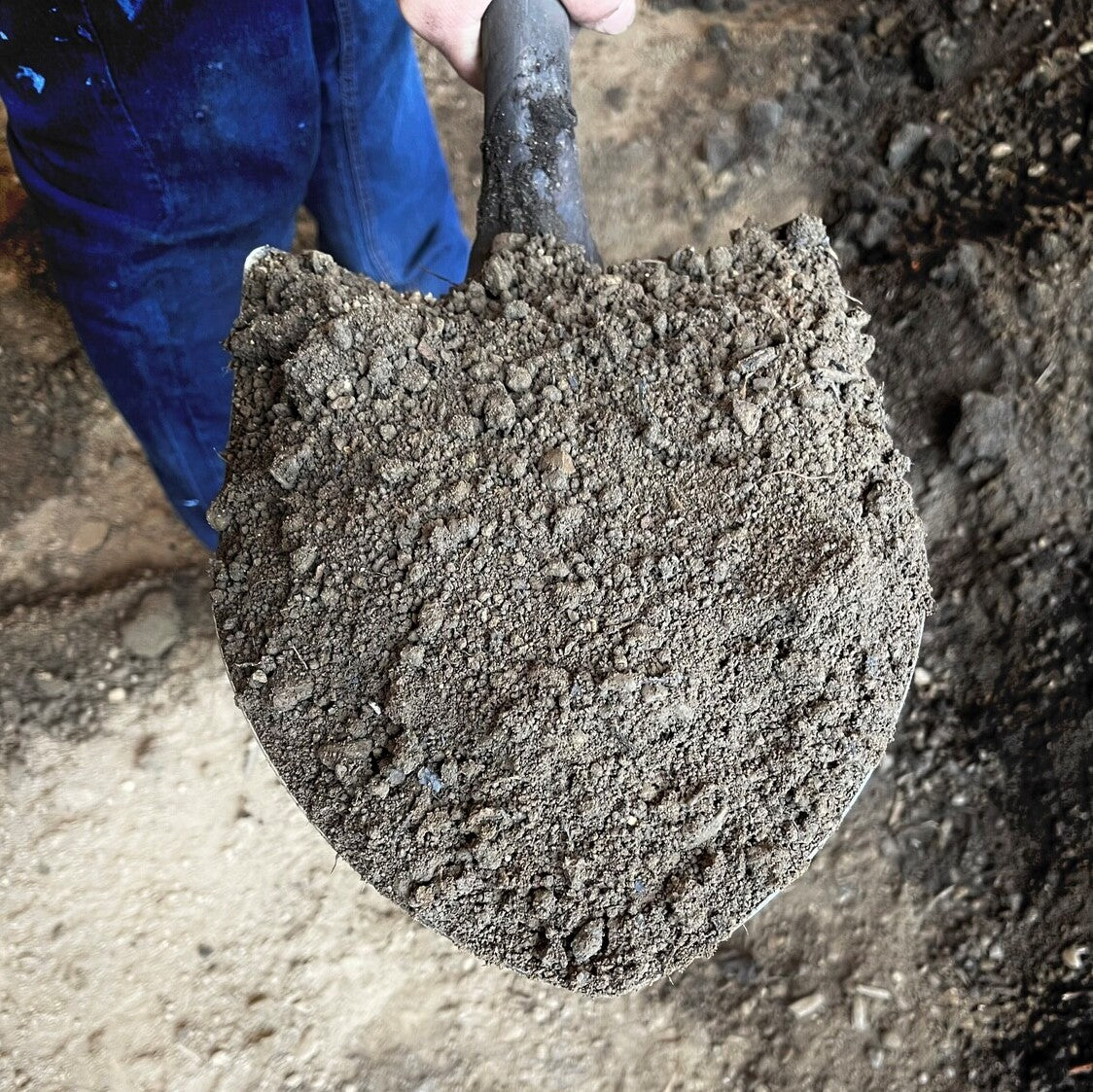
Quality topsoil for lawns, gardens, and landscape projects. Nutrient rich and ready to support strong root development and healthy plant establishment.
I needed 3 yards of top soil and that's what I got! Right on time and right where I asked it to be placed (Order# 2041).
Tell us what you're looking for
Thanks! We received your request.
Something went wrong. Please try again.
How Much Material Do I Need?
How Much Material Do I Need?
For raised beds and garden projects in Montgomery, plan on a minimum of 6 inches of quality topsoil or garden mix over the native red clay to give plants a functional root zone above the compacted subsoil. Lawn leveling projects typically use 0.5 to 2 inches of screened topsoil depending on the depth of low spots and whether existing turf is being preserved or starting fresh.
Use our free soil calculator
What is a yard?
What is a yard?
FAQs
FAQs
Montgomery Soil Delivery
Montgomery Soil Delivery
Regular price
$64.00
per
yard
Regular price
Sale price
$64.00
Unit price
per
Shipping calculated at checkout.
Minimum of 3 yard
Couldn't load pickup availability
Not currently available
We can't take orders for this right now. Tell us what you need and we'll get back to you.
Hand-picked local yards
4,000+ regional deliveries
Dedicated support
Why order through Mulch Mound
The best local soil, without the guesswork.
We hand-pick and partner with the best yards in your region, keep only the ones our buyers rate well, and back each load with our guarantee.
Mulch Mound Guarantee
If your soil isn't the quantity or quality you ordered, we'll make it right.
About this soil
Quality topsoil for lawns, gardens, and landscape projects. Nutrient rich and ready to support strong root development and healthy plant establishment.
I needed 3 yards of top soil and that's what I got! Right on time and right where I asked it to be placed (Order# 2041).
How Much Material Do I Need?
How Much Material Do I Need?
For raised beds and garden projects in Montgomery, plan on a minimum of 6 inches of quality topsoil or garden mix over the native red clay to give plants a functional root zone above the compacted subsoil. Lawn leveling projects typically use 0.5 to 2 inches of screened topsoil depending on the depth of low spots and whether existing turf is being preserved or starting fresh.
Use our free soil calculator
What is a yard?
What is a yard?
FAQs
FAQs
Tell us what you're looking for
Thanks! We received your request.
Something went wrong. Please try again.
How It Works
Getting started is easy — just follow these simple steps
1
Choose your soil
Make sure you adjust the quantity to your home's needs. You can use our calculator to estimate how much you'll need.
2
Select your delivery date
Select a delivery date you'd like for the product to be dropped off at your home
3
Sit back and wait
Sit back, wait, and let us work our magic to make sure the highest quality product is delivered to your driveway.

Highest compliments. Great driver.
Website is easy to navigate. Just a seamless process. 5 stars!!

Need Help Calculating How Much Soil You Need?
Use our NEW Trace from Satellite tool to get an estimate for your project based on an aerial view of your property
Try Our CalculatorMeasure the length, width, and desired depth of your project area in feet, multiply all three numbers together, then divide by 27 to convert cubic feet to cubic yards. Montgomery's red clay often requires a deeper amendment layer than gardeners expect, so plan for at least 6 inches of topsoil depth for new planting beds rather than the 2 to 3 inches that might seem like enough at first. Adding a small buffer to your order is always wise since settled soil after the first rain cycle often reveals thin spots.
Soil Types We Deliver in Montgomery
Mulch Mound delivers bulk soil by the cubic yard straight to your door anywhere in Montgomery, Alabama. Whether you are refreshing a lawn, building up a garden bed, or grading a yard, our screened topsoil is ready to work the moment it arrives. If you have been searching for bulk topsoil by the yard in Montgomery, we make ordering simple with straightforward cubic yard pricing and reliable local delivery.
Screened Top Soil
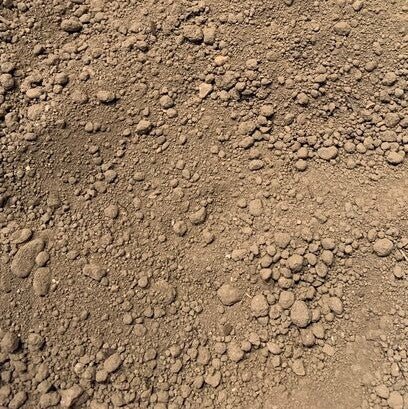
Our screened top soil is sifted to remove rocks, clumps, and debris, giving you a clean and workable base for lawns, raised beds, and landscape fill. Montgomery's clay-heavy native soil can drain poorly, and blending in quality screened top soil helps loosen compaction, improve aeration, and give roots the nutrient-rich environment they need to establish quickly and grow strong.
Complete Your Outdoor Soil Project
Pairing new topsoil with a 3-inch layer of mulch is the best way to protect your investment in Montgomery, where bare soil loses moisture rapidly in summer and erodes during the heavy spring rain season. Stone edging and borders help contain topsoil in raised beds and garden areas, preventing washout onto hardscapes and lawns during intense storms.


Service area
Areas we deliver soil in Montgomery, Alabama
Mulch Mound Pro Tip
Before spreading new topsoil in Montgomery, spend a few minutes breaking up the top 2 to 3 inches of the existing red clay with a tiller or garden fork. This creates a blended transition zone between the new soil and the native clay so roots can move downward rather than circling at the interface. Without this step, water can pool between the two layers, drowning roots the same way a container with no drainage hole does even when the surface looks dry.
Mulch Mound Pro Tip
Montgomery's spring planting window from late March through May is the most rewarding time to build new garden beds, and soil prep is the reason. The ground stays naturally moist from spring rains, reducing irrigation needs while transplants establish, and mild temperatures mean new roots face less heat stress before summer arrives. Order your topsoil in early March so it is on site and ready to spread when the last frost passes on March 8 and the growing season opens.
Mulch Mound Pro Tip
If you are using bulk topsoil for a lawn repair project, try to match the texture of your existing soil as closely as possible. Laying sandy topsoil over Montgomery's dense red clay can create a layering effect where water drains quickly through the sandy layer and then pools on top of the clay beneath it, creating a soggy zone that suffocates turf roots. Screened loam topsoil transitions more naturally with the native soil profile and produces far better turf results in the long run.
The Unique Landscape of Montgomery
Montgomery's native red clay soil is among the most challenging growing mediums in the Southeast, compacting under foot traffic and equipment, restricting drainage, and baking into a brick-like crust during summer dry spells. Whether you are leveling a lawn, filling a raised bed, or preparing a new planting area, importing quality topsoil or blended garden mix is often the only practical path to getting plants established in healthy ground. The 53 inches of annual rainfall that Montgomery receives can also erode bare or disturbed soil quickly, making proper fill and grading an important part of any project from the start. Zone 8b's long growing season, stretching from the last frost on March 8 to the first frost on November 18, rewards good soil preparation with vigorous growth and reduces the replanting that poor soil forces. Taking the time to bring in the right soil product before planting saves significant effort and expense over the life of your landscape.