Mulch Mound delivered a yard of pea gravel to us. Delivery was on time, driver was friendly and hit a bullseye on the “tarp target”. We used the pea gravel (which was diameter as specified) to fill several muskrat holes around our pond. I would definitely recommend Mulch Mo...
Tell us what you're looking for
Thanks! We received your request.
Something went wrong. Please try again.
How Much Material Do I Need?
A 3 to 4 inch application depth is the recommended standard for Montrose planting beds to meaningfully reduce moisture loss in the dry high desert climate. For pathways and decorative areas without plants, 2 to 3 inches is generally sufficient.
Use our free mulch calculator
What is a yard?
A yard is approximately 27 cubic feet. As a general guideline, one yard of material can cover an area of about 100-160 square feet at a 2-3 inch depth.
Mulch Mound delivered a yard of pea gravel to us. Delivery was on time, driver was friendly and hit a bullseye on the “tarp target”. We used the pea gravel (which was diameter as specified) to fill several muskrat holes around our pond. I would definitely recommend Mulch Mo...
How Much Material Do I Need?
A 3 to 4 inch application depth is the recommended standard for Montrose planting beds to meaningfully reduce moisture loss in the dry high desert climate. For pathways and decorative areas without plants, 2 to 3 inches is generally sufficient.
Use our free mulch calculator
What is a yard?
A yard is approximately 27 cubic feet. As a general guideline, one yard of material can cover an area of about 100-160 square feet at a 2-3 inch depth.
Mulch Mound delivered a yard of pea gravel to us. Delivery was on time, driver was friendly and hit a bullseye on the “tarp target”. We used the ...
Read full review
Mulch Mound delivered a yard of pea gravel to us. Delivery was on time, driver was friendly and hit a bullseye on the “tarp target”. We used the pea gravel (which was diameter as specified) to fill several muskrat holes around our pond. I would definitely recommend Mulch Mound to a friend!
I can’t say enough good things about Mulch Mound! If you read my review below you will see I had a problem with my order. Mulch Mou...
Read full review
UPDATE!
I can’t say enough good things about Mulch Mound! If you read my review below you will see I had a problem with my order. Mulch Mound was quick to respond and solved the issue with my delivery. Will definitely be a customer next year.
First time purchase from Mulch Mound!! First what I liked! Easy to order online and straight forward pricing and delivery. The driver was on time and courteous and delivered my Mulch exactly where I requested! The product is of good quality and comparable to others I have purchased from before. Now what I DID’NT LIKE! I have been mulching the same house and yard for almost 20 years. I always order the same amount and don’t have any issues with covering the same area but this year I fell about a yard short. I was home when the mulch was delivered and when the driver dumped it I noticed that it seemed a bit less than I was used to. I didn’t apply it any thicker than usual and probably a bit thinner than usual because I was worried about running out.
Measure the length and width of each bed in feet, then multiply to get square footage and add all your bed areas together. At a 3 inch depth, one cubic yard of mulch covers roughly 108 square feet, and at 4 inches it covers about 81 square feet. For most Montrose properties with several established beds, ordering a half cubic yard more than your calculation suggests is a smart buffer since you will want full coverage to get the moisture retention benefits.
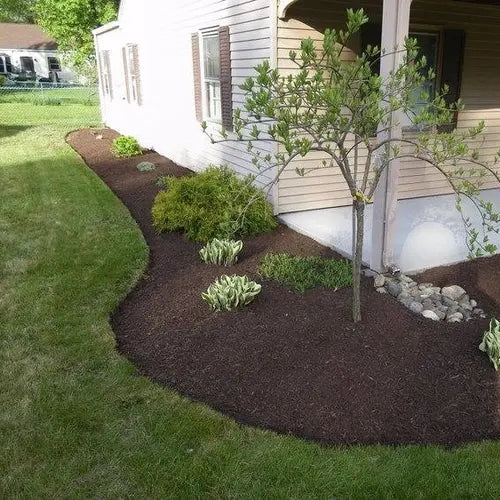
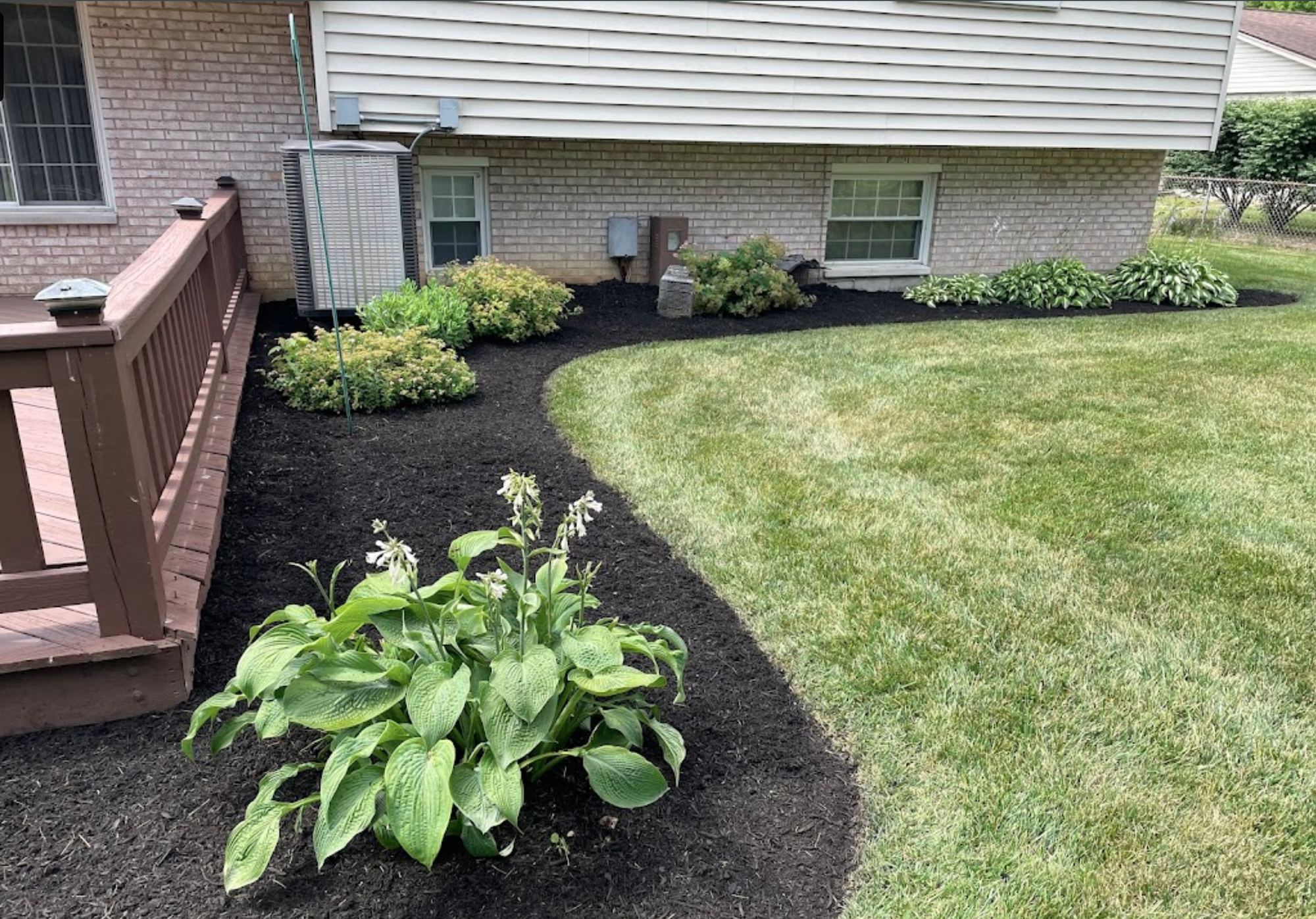
Mulch vs. No Mulch: The Difference
At 5,800 feet elevation with intense solar radiation and low humidity, Montrose conditions cause organic mulch to fade and dry on the surface faster than you would see in lower altitude Front Range cities. The limited annual rainfall of just 11 inches means mulch does not stay consistently moist enough for rapid biological breakdown, so a bag or bulk mulch application here typically lasts one to two seasons before needing refreshing. Understanding this local breakdown rate helps you plan maintenance so your beds never lose the moisture retention benefits that make mulch so critical in this high desert environment.
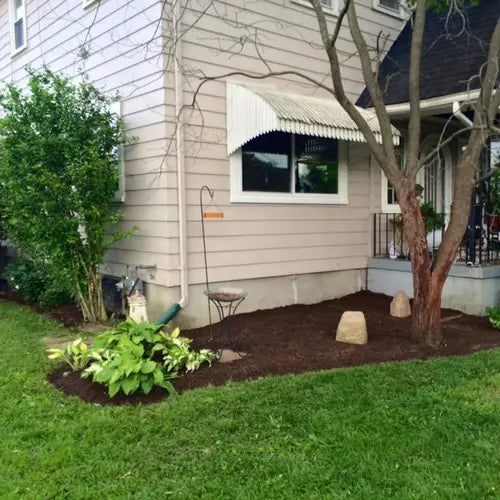
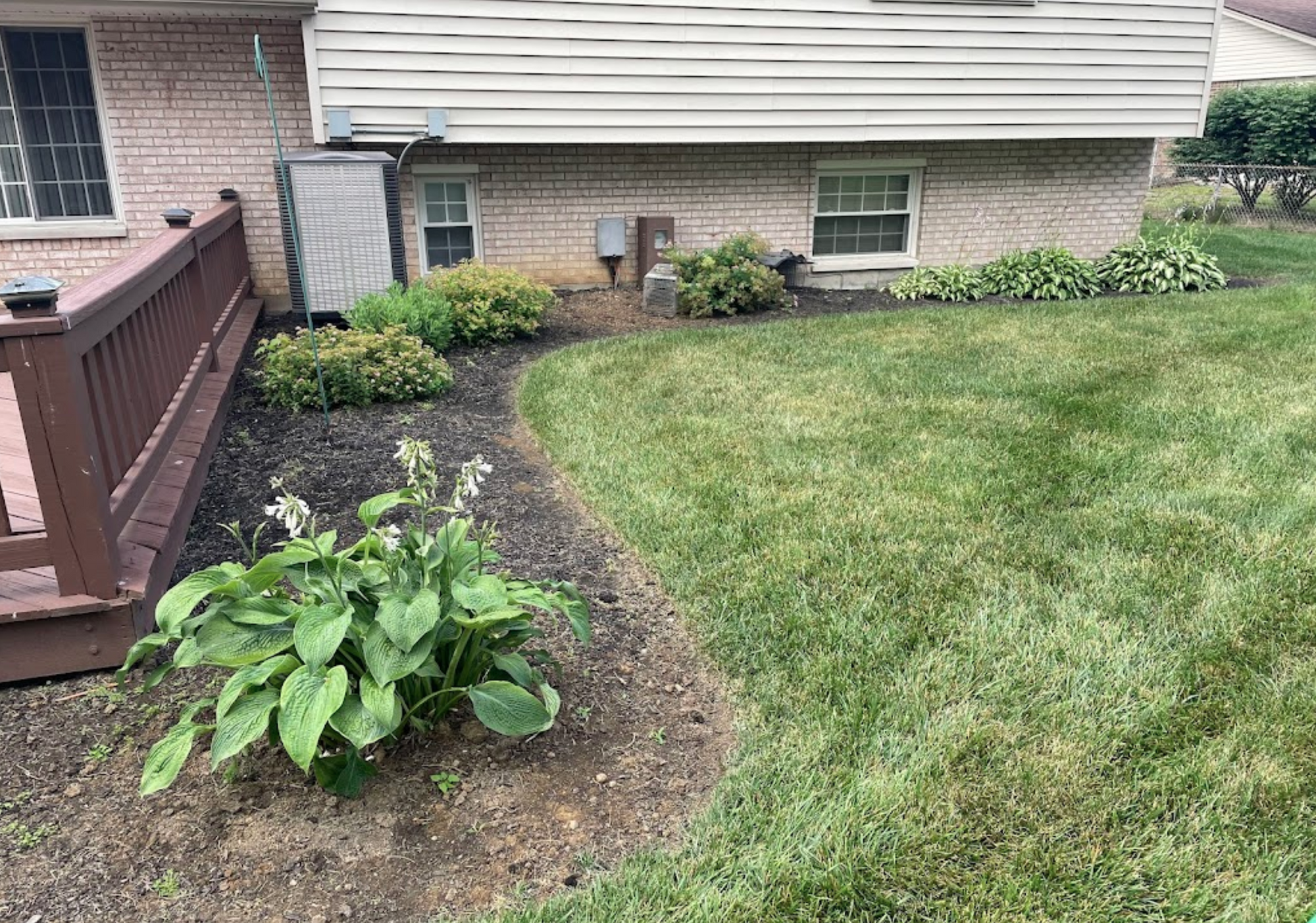
Before
After
Best Mulch Choice for Montrose Lawns
Most yards in the Montrose area sit on type of soil. Montrose clay soil presents a particular challenge for plant beds because it compacts when dry and becomes sticky and oxygen-poor when wet, leaving roots struggling in both conditions. Adding a mulch layer on top of clay does not fix the soil overnight, but it does buffer the extreme wet and dry swings that make clay so difficult to garden in.
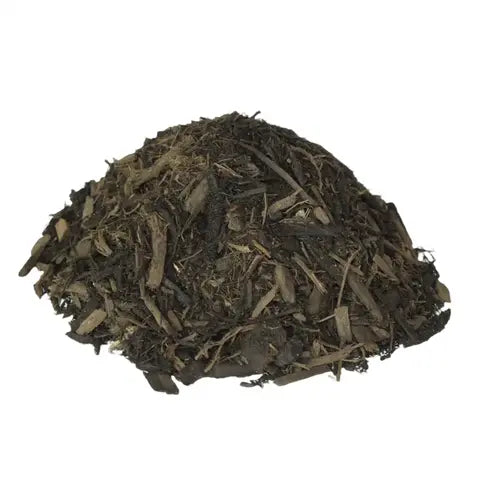
Hardwood Mulch
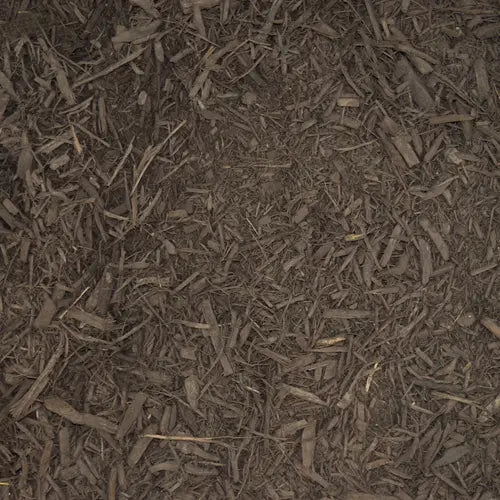
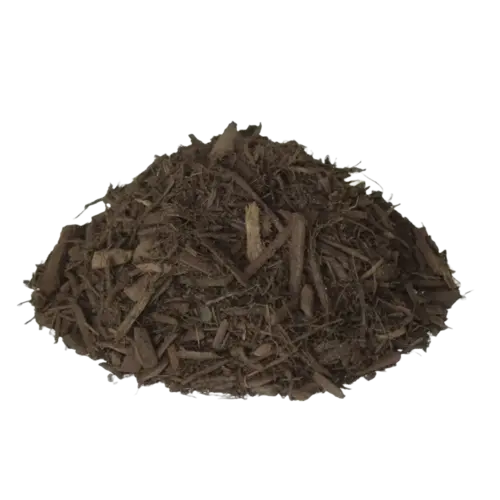
Shredded hardwood mulch is a particularly good match for Montrose clay beds because as it decomposes it contributes organic matter that physically opens up clay particles over time. This gradual amendment process improves drainage and aeration in the root zone without requiring you to till and replant your established beds, making hardwood mulch a low-effort long-term soil improvement strategy.
Complete Your Outdoor Mulch Project
If your clay soil compaction is significant, pairing mulch with a bulk amended topsoil delivery lets you improve the growing environment from the soil surface down rather than relying on mulch decomposition alone. Decomposed granite or river rock used along border edges also helps contain mulch in beds and reduces the blowout that can happen during strong Uncompahgre Valley wind events.
Montrose clay soil develops a hard surface crust after rain or irrigation, and that crust acts as a barrier that actually sheds water rather than absorbing it. Before applying fresh mulch in spring, use a garden fork or broad fork to break up the top 2 inches of soil in your beds. This simple step allows your irrigation and rain to penetrate rather than run off, and the mulch layer you apply afterward will keep that loosened surface from reforming the crust as quickly.
Mulch Mound Pro Tip
Timing your mulch application relative to Montrose's frost calendar matters more than most people realize. Applying a fresh mulch layer in late April, about two weeks before the May 7 average last frost date, helps stabilize soil temperature during the late cold snaps that catch many Zone 6a gardeners off guard. This buffering effect can protect shallow plant roots from brief temperature dips without requiring you to cover plants every time the forecast drops toward freezing.
Mulch Mound Pro Tip
Because Montrose receives only about 11 inches of precipitation annually, every drop of water your landscape receives is valuable. Organic mulches like shredded hardwood do more than just cover soil. They absorb some incoming water and release it slowly, acting as a small reservoir. Over a full summer, this absorption effect can meaningfully reduce how often you need to run drip or spray irrigation, which adds up to real savings on water bills and reduces the stress on your plants during multi-week dry spells.
Frequently Asked Questions
Click a question to see the answer
Answer
How much mulch do I actually need to hold moisture through a Montrose summer with only 11 inches of rain per year?
For Montrose conditions, a 3 to 4 inch layer is the sweet spot. At 3 inches you get meaningful evaporation reduction, and pushing to 4 inches gives you an extra buffer during the hottest stretches of July and August when rain is scarce and afternoon temperatures drive moisture out of the soil quickly. Going deeper than 4 inches around woody stems can cause rot issues, so keep mulch pulled back a few inches from plant crowns.
Answer
Will mulch help with my clay soil, or do I need to fix the clay first before mulching?
You do not need to fully amend your clay before mulching, and in fact mulching first makes sense in many Montrose yards. The mulch layer slows the surface clay from drying and cracking, which makes it much easier to work amendments into the soil later. Over a season or two, the decomposing mulch also contributes organic matter that gradually improves clay structure from the top down.
Answer
Does mulch break down faster here because of the altitude and intense UV at 5,800 feet?
Yes, the high UV exposure in Montrose does accelerate the surface fading and breakdown of organic mulches compared to lower elevation cities. The dry air also dries out the top layer of mulch quickly, which can slow microbial decomposition in that top inch while the lower layers break down more steadily. Plan on refreshing your mulch layer every one to two years rather than the two to three year cycle you might see recommended for lower altitude climates.
Answer
Should I be worried about mulch freezing in October and making it hard to plant spring bulbs?
With Montrose's first frost typically arriving around October 4, it is best to get your bulbs in the ground before you apply a heavy winter mulch layer. Plant your bulbs in September, then apply a 3 to 4 inch mulch layer after the first hard frost to insulate the soil and prevent the repeated freeze and thaw cycles that can heave bulbs out of the ground over winter. Pull that mulch back slightly in late April as soil warms toward the May 7 last frost date.
Answer
What type of mulch holds up best in the wind we get across the Uncompahgre Valley?
Heavier shredded hardwood mulch or chunky bark mulch stays in place far better than fine wood chips or straw during the gusty conditions common around Montrose. The irregular shapes of shredded hardwood allow pieces to knit together slightly, which resists displacement better than smooth uniform chips. For slopes or areas with strong prevailing winds, a 4 inch layer of shredded hardwood is a reliable choice.
Answer
I have a drip irrigation system on my Montrose property. Does mulch affect how well it works?
Mulch and drip irrigation work very well together under Montrose conditions. The mulch layer reduces the evaporation that would otherwise pull moisture away from drip emitters before it reaches root zones. Make sure emitters are positioned beneath the mulch layer rather than on top so water is delivered directly to the soil. You may actually find you can reduce your drip run times after mulching, which is a real benefit given the water demands of a high desert climate.
Answer
Can I use mulch around my vegetable garden beds to stretch water between irrigations?
Absolutely, and it is one of the highest return uses of mulch in a Montrose kitchen garden. With the short growing season between May 7 and October 4, vegetable plants need consistent soil moisture to grow quickly. A 2 to 3 inch layer of straw or fine wood chip mulch around vegetable plants can cut watering frequency noticeably during dry July and August weeks. Avoid piling mulch against vegetable stems to keep good air circulation and reduce slug habitat.
The Unique Landscape of Montrose
Montrose sits at nearly 5,800 feet with only 11 inches of rainfall each year, which means your plant beds are fighting moisture loss from the moment you water them. The clay soil common across this area holds water near the surface temporarily but drains poorly and bakes into a hard crust during the long dry stretches between July storms. A proper layer of mulch acts as a buffer between that harsh sun and your soil, slowing evaporation so roots stay hydrated longer without extra watering. With a last frost date of May 7 and a first frost arriving as early as October 4, Montrose gardeners have a relatively short growing window, and mulch helps plants make the most of every week. Keeping soil temperatures stable through late spring cold snaps and early fall freezes gives perennials and shrubs a real advantage in Zone 6a conditions.