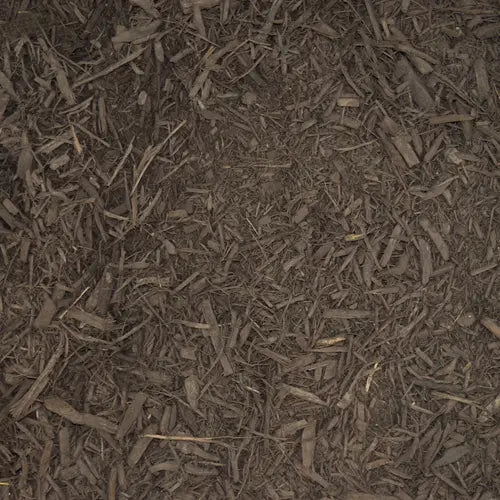
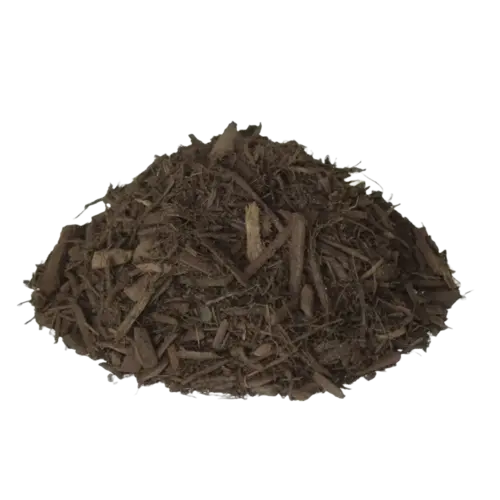
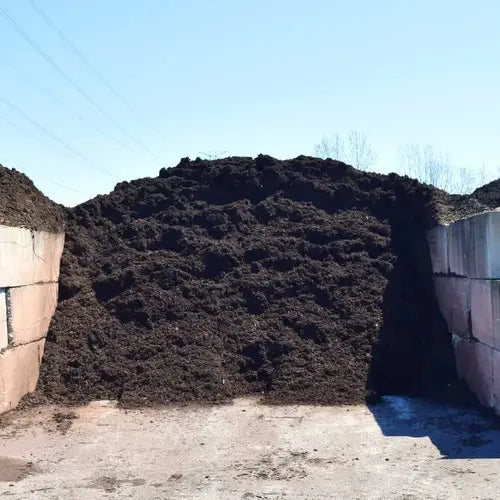
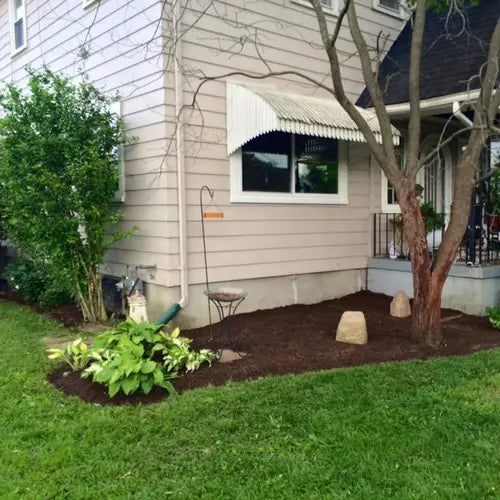
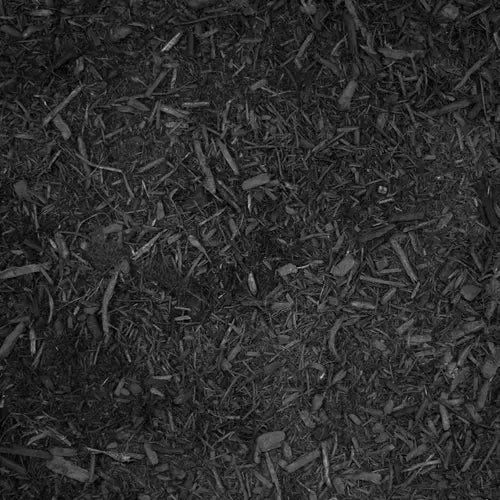
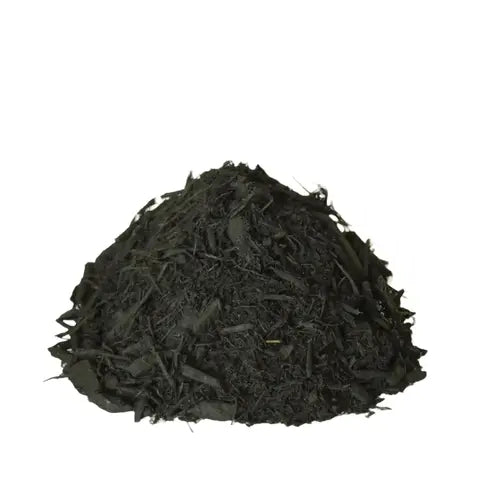
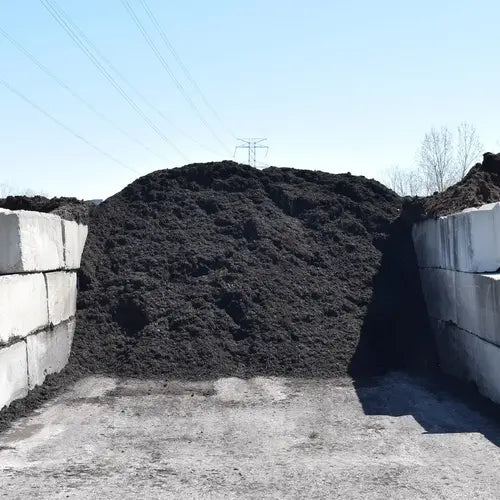
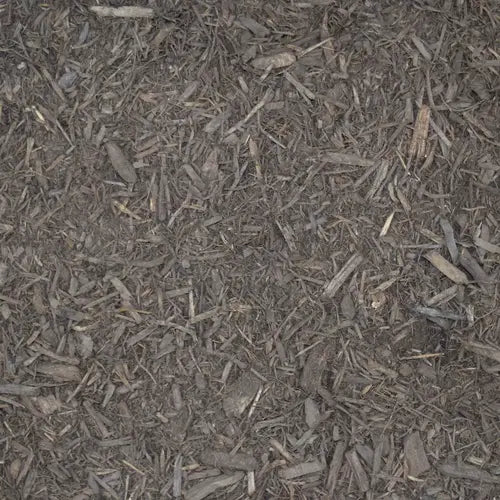
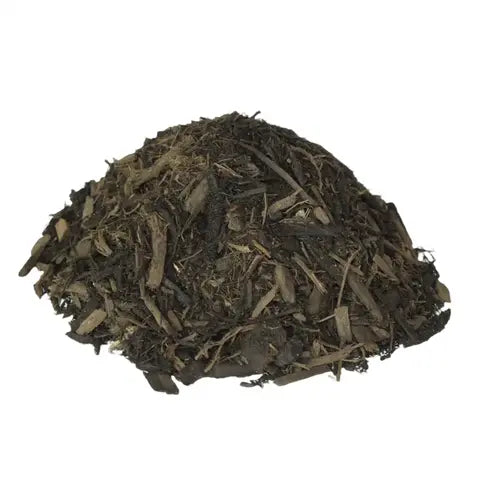
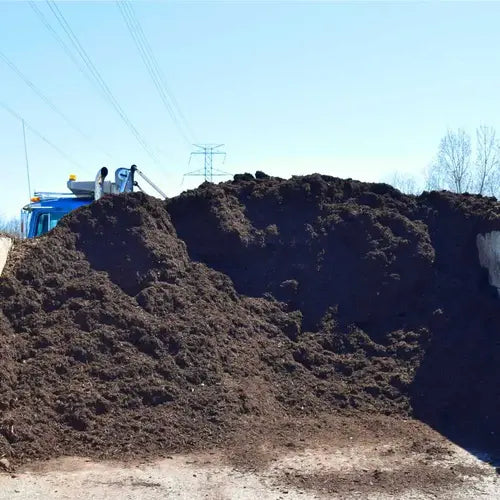
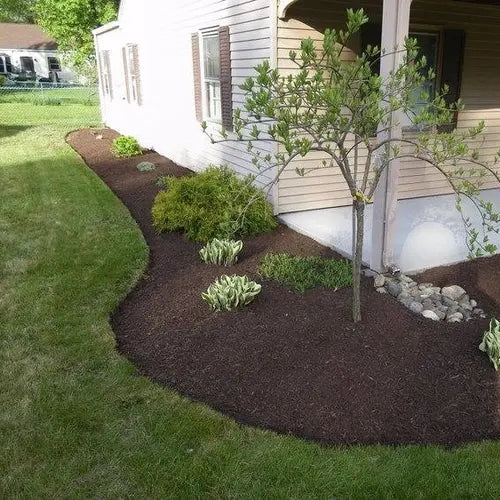
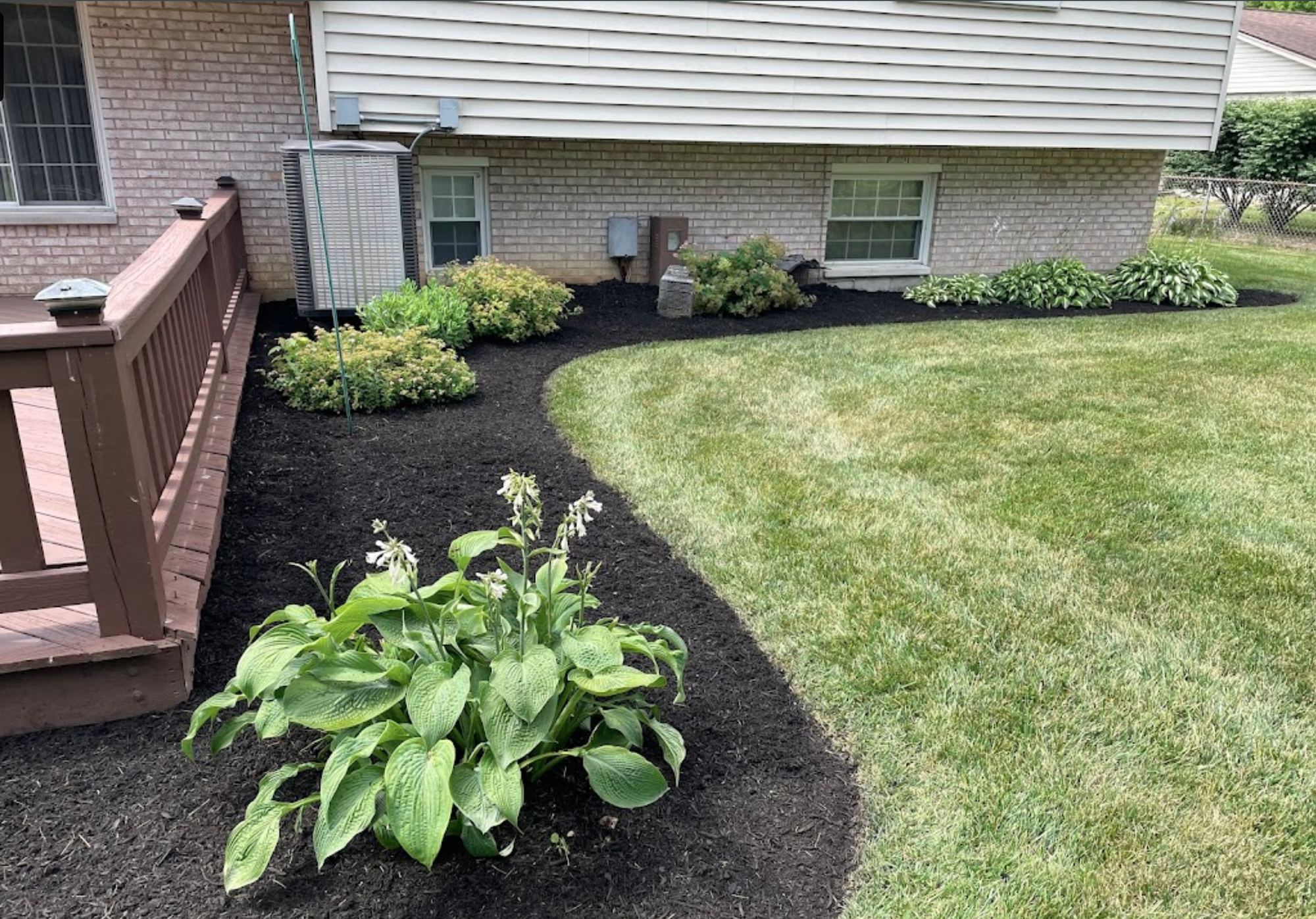
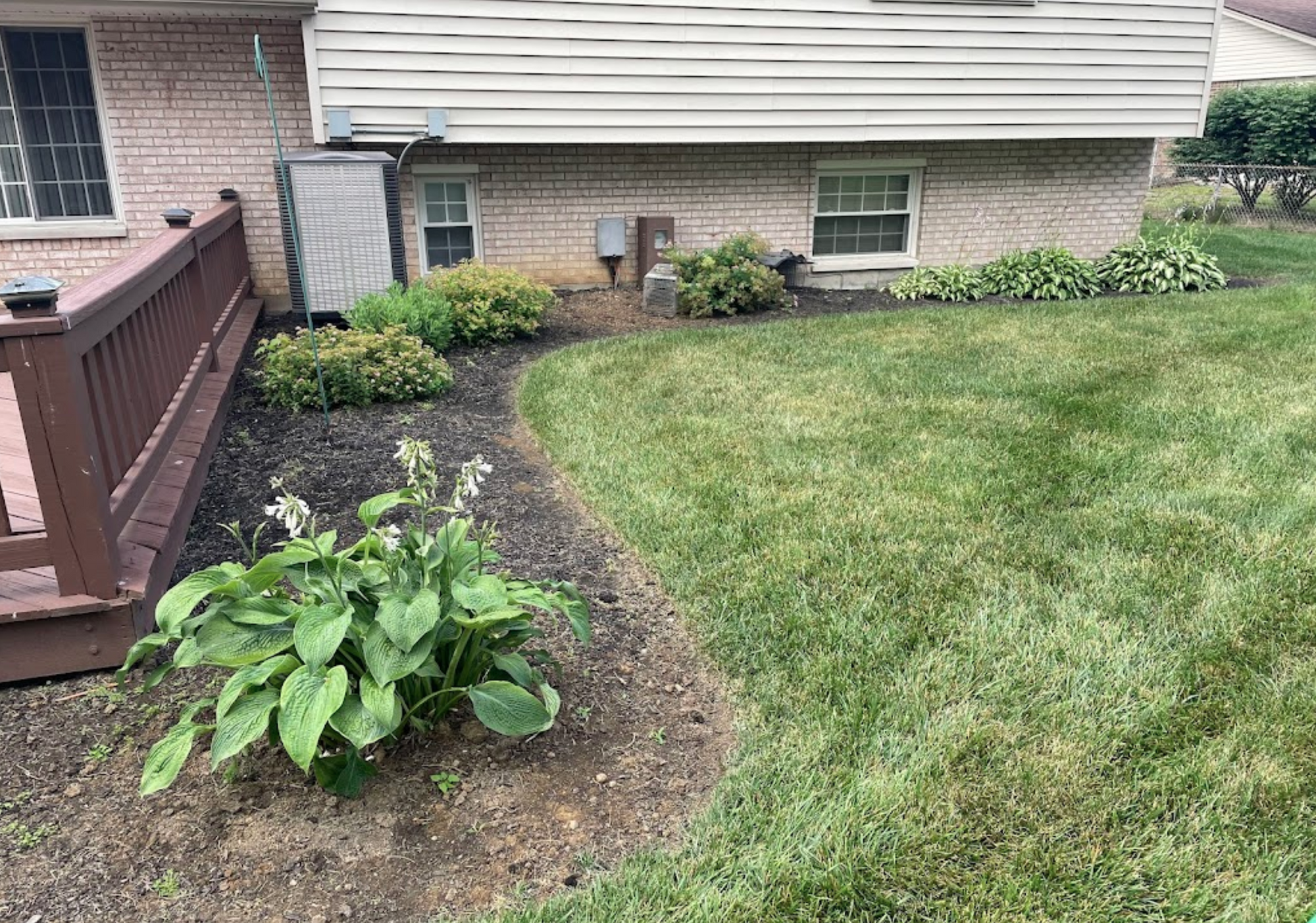
Warm brown double shredded mulch with lasting color that looks freshly applied for weeks. Spreads smooth, stays put, and gives beds a natural, polished appearance.
I can’t say enough good things about Mulch Mound! If you read my review below you will see I had a problem with my order. Mulch Mound was quick to respond and solved the issue with my delivery. Will definitely be a customer next year.
First time purchase...
Tell us what you're looking for
Thanks! We received your request.
Something went wrong. Please try again.
How Much Material Do I Need?
For most Moorhead landscape beds over heavy clay, 2 to 3 inches of mulch strikes the right balance between weed control and avoiding excess moisture buildup at the root zone. If you are mulching around trees or in areas with better surface drainage, 3 inches is appropriate and will extend the time between re-applications.
Use our free mulch calculator
What is a yard?
A yard is approximately 27 cubic feet. As a general guideline, one yard of material can cover an area of about 100-160 square feet at a 2-3 inch depth.
We can't take orders for this right now. Tell us what you need and we'll get back to you.
What do you need?
Thanks! We received your request.
Something went wrong. Please try again.
Hand-picked local yards
4,000+ regional deliveries
Dedicated support
Why order through Mulch Mound
The best local mulch, without the guesswork.
We hand-pick and partner with the best yards in your region, keep only the ones our buyers rate well, and back each load with our guarantee.
Mulch Mound Guarantee
If your mulch isn't the quantity or quality you ordered, we'll make it right.
About this mulch
Warm brown double shredded mulch with lasting color that looks freshly applied for weeks. Spreads smooth, stays put, and gives beds a natural, polished appearance.
I can’t say enough good things about Mulch Mound! If you read my review below you will see I had a problem with my order. Mulch Mound was quick to respond and solved the issue with my delivery. Will definitely be a customer next year.
First time purchase...
How Much Material Do I Need?
For most Moorhead landscape beds over heavy clay, 2 to 3 inches of mulch strikes the right balance between weed control and avoiding excess moisture buildup at the root zone. If you are mulching around trees or in areas with better surface drainage, 3 inches is appropriate and will extend the time between re-applications.
Use our free mulch calculator
What is a yard?
A yard is approximately 27 cubic feet. As a general guideline, one yard of material can cover an area of about 100-160 square feet at a 2-3 inch depth.
I can’t say enough good things about Mulch Mound! If you read my review below you will see I had a problem with my order. Mulch Mou...
Read full review
UPDATE!
I can’t say enough good things about Mulch Mound! If you read my review below you will see I had a problem with my order. Mulch Mound was quick to respond and solved the issue with my delivery. Will definitely be a customer next year.
First time purchase from Mulch Mound!! First what I liked! Easy to order online and straight forward pricing and delivery. The driver was on time and courteous and delivered my Mulch exactly where I requested! The product is of good quality and comparable to others I have purchased from before. Now what I DID’NT LIKE! I have been mulching the same house and yard for almost 20 years. I always order the same amount and don’t have any issues with covering the same area but this year I fell about a yard short. I was home when the mulch was delivered and when the driver dumped it I noticed that it seemed a bit less than I was used to. I didn’t apply it any thicker than usual and probably a bit thinner than usual because I was worried about running out.
Mulch Mound made it so easy! So happy with the pricing, turn around time, delivery and product. I submitted my online order on a Thursday. The mu...
Read full review
Mulch Mound made it so easy! So happy with the pricing, turn around time, delivery and product. I submitted my online order on a Thursday. The mulch was delivered to the designated location by a local landscape company at 8:30 a.m. the following Saturday morning. We had the job completed by that afternoon. We chose the natural brown mulch, and the plant beds are beautiful.
Measure the length and width of each bed in feet and multiply to get square footage, then decide on a 2 or 3 inch depth based on your drainage situation. Because Moorhead's clay soil can hold standing water after heavy spring rains, erring toward the shallower end prevents compounding drainage issues near plant crowns. Divide total cubic feet by 27 to convert to cubic yards, which is how bulk mulch is sold and delivered.
Mulch vs. No Mulch: The Difference
Moorhead's Zone 4a climate means mulch spends roughly half the year under snow cover or frozen conditions, which affects how quickly both natural and dyed options break down and what benefit each delivers. Natural hardwood mulch decomposes slowly in the cold, gradually feeding organic matter into clay soil that desperately needs it, while dyed mulch retains its color through the freeze-thaw cycles and stays visually fresh for multiple seasons. Choosing between them often comes down to whether you prioritize long-term soil improvement or consistent curb appeal through Moorhead's dramatic seasonal transitions.
Before
After
Best Mulch Choice for Moorhead Lawns
Most yards in the Moorhead area sit on Heavy Clay type of soil. Heavy clay soil in Moorhead compacts easily and creates dense planting beds where roots struggle to expand and water pools rather than draining away. Adding organic mulch on top begins the slow process of improving that clay layer as decomposed material works its way into the soil over multiple growing seasons.
Hardwood Mulch
Hardwood mulch is a particularly good match for Moorhead's heavy clay because as it breaks down it contributes lignin-rich organic matter that physically opens up clay particles and improves both drainage and aeration. Over two to three seasons of decomposition, hardwood mulch creates a measurable improvement in the workability of clay beds that no amount of tilling alone can achieve.
Mulch Types We Deliver in Moorhead
When you need bulk mulch delivery in Moorhead, we bring fresh material straight to your driveway or job site and measure it by the cubic yard so you get exactly what your project calls for. The Red River Valley's clay-heavy soil and wide seasonal temperature swings make a quality mulch layer essential for keeping beds insulated and moisture-balanced through every stretch of the growing season.
Dyed Black Mulch
Double shredded for a smooth, even spread, Dyed Black Mulch is the boldest option in our lineup and a popular choice for homeowners who want sharp contrast in their beds. The rich color holds through intense summer sun and heavy spring rains, making it a strong performer in the region's demanding growing season.
Dyed Brown Mulch
Dyed Brown Mulch comes double shredded with a warm color that complements the earthy tones common in regional home landscaping. The long-lasting dye keeps beds looking freshly applied for weeks, and the smooth texture works well over clay-heavy soil, helping retain moisture through dry summer periods.
Natural Brown Mulch
Natural Brown Mulch is double shredded and completely undyed, making it a natural fit for gardeners who prefer an honest, organic appearance. The warm earthy tone blends quietly into native plant beds and cottage-style landscapes, and the clean texture spreads smoothly even along the uneven edges common in established residential yards.
Complete Your Outdoor Mulch Project
If your clay beds need improved structure before mulching, consider adding a layer of our premium garden soil to loosen the planting zone and give roots a workable growing medium from the start. Decorative stone works well as a border edging around mulched beds and holds the mulch in place during Moorhead's heavy spring runoff events.
Moorhead's freeze-thaw cycles in March and April are brutal on perennial crowns. Apply mulch in a donut shape around each plant, leaving a 2 to 3 inch gap between the mulch and the stem or crown. This gap allows the soil to breathe and prevents the crown rot that becomes a real risk when wet clay and wet mulch press together against a plant base during the long, cold spring thaw. Keeping that gap consistent through the season costs nothing and protects your investment in established perennials.
Mulch Mound Pro Tip
Moorhead's heavy clay soil hosts a thriving earthworm population when conditions are right, and those worms are your best allies in loosening compacted ground. Keeping your beds mulched year-round maintains the consistent soil moisture and temperature that earthworms need to stay active near the surface. Over several seasons, worm activity under a maintained mulch layer can noticeably improve the drainage and workability of even the densest clay beds in your yard.
Mulch Mound Pro Tip
With only 22 inches of rainfall per year in Moorhead, timing your mulch refresh matters almost as much as applying it in the first place. Replenish your mulch layer in late May, right after the last frost date passes, so it is in place before the drier July and August stretch arrives. A fresh 2 to 3 inch layer applied at the start of the growing season dramatically reduces how often you need to water established beds through the warm months, stretching every inch of rainfall further.
Frequently Asked Questions
Click a question to see the answer
Answer
How thick should I apply mulch over Moorhead's heavy clay soil?
Because clay soil already drains slowly, aim for 2 to 3 inches of mulch rather than the 4-inch layers sometimes recommended in sandier regions. Too much mulch over clay can trap excess moisture at the crown of plants and encourage root rot, especially during Moorhead's wet spring snowmelt season. A 2 to 3 inch layer still suppresses weeds and moderates soil temperature without creating waterlogged conditions at the plant base.
Answer
Will mulch help with the hard crust that forms on my clay beds in midsummer?
Yes, covering your clay beds with mulch prevents the direct sun exposure that causes that familiar gray, cracked crust to form in July and August. Moorhead's clay soils lose surface moisture rapidly when left bare, and the resulting hard layer makes it difficult for rain to infiltrate even when it does fall. A consistent mulch layer keeps the soil surface soft and workable while protecting the microbial life that gradually improves clay structure over time.
Answer
When is the best time to apply mulch in Moorhead before winter arrives?
Aim to get a fresh layer of mulch down in mid to late October, after the ground has cooled following the September 24 first frost but before the soil freezes solid. Applying mulch too early in fall can trap warmth and delay dormancy, while waiting too long means working frozen ground. A fall application in Moorhead helps regulate soil temperature swings through the freeze-thaw cycles that are particularly hard on Zone 4a perennial root systems.
Answer
Does natural hardwood mulch break down faster here than it does in warmer climates?
Zone 4a temperatures slow microbial activity considerably compared to warmer regions, so hardwood mulch in Moorhead typically takes two to three years to break down fully. That slower decomposition actually works in your favor because you get more seasons of weed suppression and moisture retention per cubic yard. When it does break down, it adds organic matter to the clay, which is exactly what Moorhead soil needs to improve its structure and drainage.
Answer
I only get about 22 inches of rain a year in Moorhead. Does mulch actually make a meaningful difference in moisture retention?
Absolutely, and the lower your annual rainfall, the more valuable mulch becomes. A 2 to 3 inch mulch layer can reduce surface evaporation by 25 to 50 percent compared to bare soil, meaning the moisture from each rainfall event stays in the root zone longer. In a year where Moorhead receives below-average precipitation, that retention difference can be the margin between a plant that thrives and one that struggles through August drought stress.
Answer
Should I pull back my mulch in spring after the last frost date passes?
You do not need to remove mulch after the May 19 last frost, but you can gently rake it back a few inches from plant crowns and new growth to let the soil warm faster. Moorhead's clay soil heats up slowly in spring because of its density, and keeping mulch tight against emerging perennials can delay growth by a week or more. Once plants are a few inches tall, pull the mulch back up around the base to resume weed suppression and moisture retention for the growing season.
Answer
Is dyed mulch safe to use around my vegetable garden in Moorhead?
Most commercial dyed mulches use iron oxide or carbon-based colorants that are considered non-toxic, but for vegetable beds we generally recommend natural hardwood or wood chip mulch instead. In Moorhead's short growing season, you want every input in your vegetable garden to be as straightforward as possible, and natural mulch also breaks down and feeds soil biology more readily. For ornamental beds and borders, dyed mulch is a popular choice because the color holds up well even through Moorhead's intense freeze-thaw transitions.
The Unique Landscape of Moorhead
Moorhead sits in the Red River Valley with notoriously heavy clay soil that stays waterlogged in spring and bakes into a hard, cracked crust during dry summer stretches. With only about 22 inches of rainfall per year, every drop of moisture counts, and a proper mulch layer is one of the most effective tools for holding that moisture in the root zone where plants need it. Zone 4a winters bring hard freezes well before October, and mulch acts as an insulating blanket that moderates soil temperature swings from the September 24 first frost through the long freeze. The short window between the May 19 last frost and the end of summer means plants need every advantage to establish quickly, and mulch suppresses the aggressive weed competition that thrives in Moorhead's fertile clay. Without mulch, exposed clay beds crack and shed runoff rather than absorbing it, leaving plant roots stressed even after a rain event.