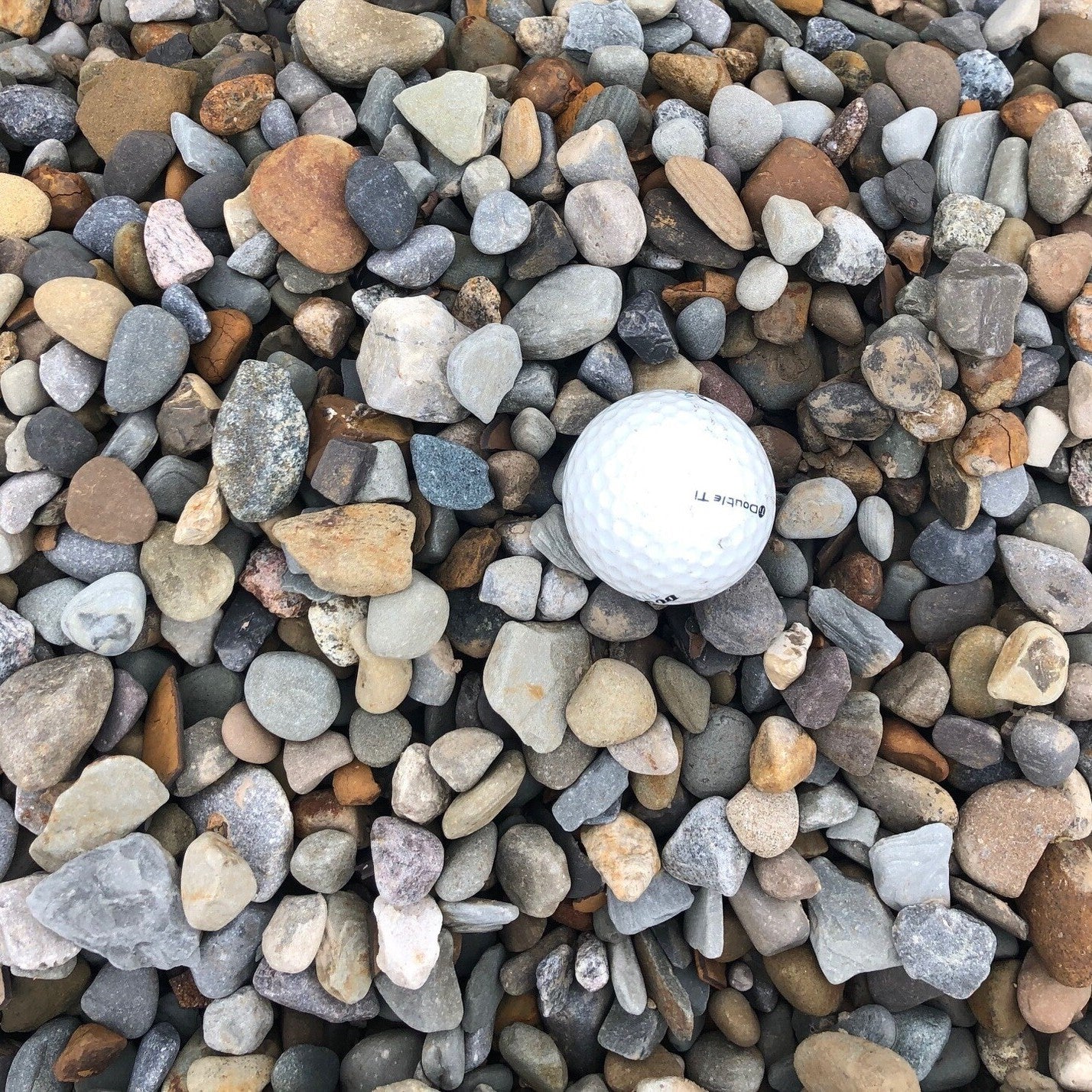
Number 57 crushed stone, angular limestone graded to about three quarters of an inch. The standard driveway, base and drainage gravel, it locks together under traffic and drains fast.
Mulch Mound delivered a yard of pea gravel to us. Delivery was on time, driver was friendly and hit a bullseye on the “tarp target”. We used the pea gravel (which was diameter as specified) to fill several muskrat holes around our pond. I would definitely recommend Mulch Mo...
Tell us what you're looking for
Thanks! We received your request.
Something went wrong. Please try again.
How Much Material Do I Need?
For decorative ground cover in Moorhead landscape beds, 2 to 3 inches of stone provides solid weed suppression and a clean appearance without excessive weight on the clay below. For drainage applications or pathway bases over clay, plan for at least 4 inches of compacted gravel to ensure stability through Moorhead's freeze-thaw cycles.
Use our free gravel calculator
What is a yard?
A yard is approximately 27 cubic feet. As a general guideline, one yard of material can cover an area of about 100-160 square feet at a 2-3 inch depth.
We can't take orders for this right now. Tell us what you need and we'll get back to you.
What do you need?
Thanks! We received your request.
Something went wrong. Please try again.
Hand-picked local yards
4,000+ regional deliveries
Dedicated support
Why order through Mulch Mound
The best local stone, without the guesswork.
We hand-pick and partner with the best yards in your region, keep only the ones our buyers rate well, and back each load with our guarantee.
Mulch Mound Guarantee
If your stone isn't the quantity or quality you ordered, we'll make it right.
About this stone
Number 57 crushed stone, angular limestone graded to about three quarters of an inch. The standard driveway, base and drainage gravel, it locks together under traffic and drains fast.
Mulch Mound delivered a yard of pea gravel to us. Delivery was on time, driver was friendly and hit a bullseye on the “tarp target”. We used the pea gravel (which was diameter as specified) to fill several muskrat holes around our pond. I would definitely recommend Mulch Mo...
How Much Material Do I Need?
For decorative ground cover in Moorhead landscape beds, 2 to 3 inches of stone provides solid weed suppression and a clean appearance without excessive weight on the clay below. For drainage applications or pathway bases over clay, plan for at least 4 inches of compacted gravel to ensure stability through Moorhead's freeze-thaw cycles.
Use our free gravel calculator
What is a yard?
A yard is approximately 27 cubic feet. As a general guideline, one yard of material can cover an area of about 100-160 square feet at a 2-3 inch depth.
Mulch Mound delivered a yard of pea gravel to us. Delivery was on time, driver was friendly and hit a bullseye on the “tarp target”. We used the ...
Read full review
Mulch Mound delivered a yard of pea gravel to us. Delivery was on time, driver was friendly and hit a bullseye on the “tarp target”. We used the pea gravel (which was diameter as specified) to fill several muskrat holes around our pond. I would definitely recommend Mulch Mound to a friend!
Placing an order online was so easy. Delivery was on time. When the driver realized we had a newly poured driveway they erred on the side of cautio...
Read full review
Placing an order online was so easy. Delivery was on time. When the driver realized we had a newly poured driveway they erred on the side of caution and opted not ti drive in it. The company even sent me a message explaining that call. Would recommend!
For stone coverage, measure the area length and width in feet and decide on a depth of 2 to 4 inches depending on the application and how much drainage support you need. Moorhead's clay base does not compress significantly under stone weight so your depth estimate will stay fairly accurate through the first season. Divide total cubic feet by 27 to get cubic yards, and for pathway or patio projects add 10 to 15 percent extra to account for leveling, edging, and any uneven sub-base spots that need filling.
Stone Types We Deliver in Moorhead
Mulch Mound delivers bulk stone by the cubic yard straight to homes and properties across Moorhead, Minnesota. Whether you are searching for bulk gravel by the yard in Moorhead for a new patio or a drainage fix, we make it simple to get the right material without hauling it yourself. Our deliveries are sized to fit your project, from small residential updates to larger landscaping overhauls.
Pea Gravel
Pea gravel is one of the most popular choices for Moorhead homeowners thanks to its smooth, rounded edges and natural earth tones that complement the region's modest, well-kept residential yards. It works beautifully for walkways, patio bases, and drainage channels, and handles the freeze-thaw cycles of Minnesota winters without shifting or cracking.
Complete Your Outdoor Stone Project
Stone borders pair exceptionally well with mulched planting beds, creating a clean edge that keeps mulch in place during Moorhead's heavy spring runoff and reduces the maintenance needed to keep beds looking sharp. If you are also grading or filling areas adjacent to your stone project, our bulk topsoil or garden soil can be delivered alongside your stone order to streamline your project timeline.
Moorhead's clay soil does not allow water to pass through quickly, so any stone installation that traps water between the stone layer and the clay below can create a frost problem in winter. When installing decorative stone, slope the clay sub-grade slightly before laying fabric and stone so water that infiltrates the surface layer can travel laterally to a lawn or drainage area rather than pooling in place and freezing. Even a 1 to 2 percent grade makes a significant difference in how stone areas perform through the long Moorhead winter.
Mulch Mound Pro Tip
Lighter colored stones such as white marble chips or cream limestone gravel reflect heat and keep the soil beneath noticeably cooler during Moorhead's hot July days. This can benefit plants that prefer cool roots, but be aware that reflected heat near a south-facing wall can amplify heat stress on nearby plants during the warmest weeks of the growing season. Choose darker river rock or lava rock in areas where extra warmth would benefit plants during Moorhead's short Zone 4a growing window.
Mulch Mound Pro Tip
Edging is the single most important factor in keeping a stone installation looking clean in Moorhead year after year. Clay soil expands and heaves at the edges of stone borders during freeze-thaw cycles, gradually pushing material out of defined areas over time. Rigid plastic or aluminum landscape edging buried at least 4 inches into the clay creates a physical barrier that holds stone in place through winters and reduces the annual chore of pulling gravel back from lawn edges after each spring thaw.
The Unique Landscape of Moorhead
Moorhead's combination of heavy clay soil and relentless freeze-thaw cycles makes stone one of the most practical and long-lasting landscape materials available to local homeowners. Unlike organic materials, stone does not decompose, shift significantly with frost when installed correctly, or require annual replenishment, which is a real advantage in a Zone 4a climate where winters are long and outdoor maintenance windows are short. Clay soil drains so poorly that many Moorhead yards develop persistent wet areas, and properly installed gravel or drainage stone can redirect surface water away from foundations and low spots without ongoing upkeep. Stone pathways and borders also provide stable footing during the muddy spring thaw when clay yards become nearly impassable after snowmelt. With a landscape season that runs just over four months from late May through late September, low-maintenance stone features give Moorhead homeowners a beautiful yard with far fewer demands during the limited outdoor season.
Frequently Asked Questions
Click a question to see the answer
Answer
What type of stone works best for a backyard pathway in Moorhead where the clay soil turns muddy every spring?
A 3/4 inch crushed limestone or Class 5 gravel base topped with a smaller pea gravel or pathway stone is a reliable combination for Moorhead pathways over clay. The coarser base layer creates drainage and a stable foundation, while the finer top layer provides a comfortable walking surface. Because clay does not drain well on its own, investing in a 4 to 6 inch compacted gravel base before laying any surface stone prevents the pathway from sinking and becoming muddy after the spring thaw.
Answer
Will decorative stone around my foundation help with the drainage issues that are so common on Moorhead clay lots?
A properly graded stone border around your foundation can significantly reduce the amount of water that pools against your home's base, which is a persistent problem on Moorhead lots where clay prevents water from soaking in quickly. Use a clean angular gravel or river rock over a permeable landscape fabric to allow water to move laterally away from the foundation rather than sitting against it. Make sure the grade slopes away from the house at least 6 inches over the first 10 feet, and the stone will serve as both a functional drainage layer and a clean visual border.
Answer
How much does frost heaving affect stone installations in Moorhead?
Frost heaving is a real consideration in Zone 4a Moorhead, particularly for larger flagstone or stepping stone installations that rest on clay. Clay holds a great deal of moisture, and when that moisture freezes and expands it can lift stones unevenly over winter. Installing stepping stones on a compacted gravel base rather than directly on clay greatly reduces heaving, and using smaller angular gravel as a setting bed instead of sand provides more consistent drainage that minimizes ice lens formation below the stone surface.
Answer
Is stone a good option for areas in my Moorhead yard that stay wet all season long?
Stone is actually one of the best long-term solutions for chronically wet areas in Moorhead yards because it tolerates standing water and saturated clay conditions that would rot wood or decompose organic mulch quickly. A dry creek bed filled with river rock or larger fieldstone can channel excess water from a low spot toward a proper drainage outlet while looking intentional and attractive. In areas that are too wet for grass to thrive, a stone ground cover eliminates the frustration of trying to maintain turf in Moorhead's poorly draining clay.
Answer
How do I keep decorative stone from slowly sinking into Moorhead's soft clay soil over time?
Clay soil expands and contracts with moisture and temperature changes, and without a barrier, decorative stone will gradually work its way down into the soft ground over several seasons. Lay a heavy-duty permeable landscape fabric over the prepared clay base before spreading stone, which keeps the stone layer separate from the clay and prevents migration. For high-traffic areas or pathways, a 2 to 4 inch compacted gravel sub-base under the fabric adds additional stability and ensures the surface stone stays level through Moorhead's seasonal freeze-thaw movement.
Answer
What size stone works best for erosion control on a sloped area in Moorhead?
For slopes in Moorhead where spring runoff from snowmelt can be intense, a larger stone such as 2 to 4 inch rip-rap or river rock is the most effective erosion control option. Smaller gravel tends to wash downhill during heavy runoff events, while larger angular or rounded stones interlock and stay in place even when water is moving across the surface quickly. On steep slopes, consider embedding the larger stones partially into the soil and layering them so they create a slight terracing effect that slows water velocity before it reaches the base of the slope.
Answer
Can I use stone as a low-maintenance ground cover under trees in Moorhead instead of mulch?
Stone can work under trees in Moorhead but it comes with trade-offs compared to organic mulch. Stone does not insulate roots from Zone 4a temperature extremes as effectively as mulch, and it does not contribute any organic matter to the clay soil over time. If low maintenance is the priority and the tree is well established, a 2 to 3 inch layer of pea gravel or river rock over landscape fabric can reduce weeding and looks clean year-round, but for young trees still establishing in Moorhead's clay, organic mulch remains the better choice for long-term root health.
Answer
What is Class 5 gravel?
Class 5 gravel is a MnDOT specified crushed aggregate base, typically limestone with fines down to 3/4 inch, built to compact hard for driveways and pads. With Moorhead's heavy clay soil and freeze-thaw cycles, drainage matters just as much as compaction, which is why we deliver Crushed Stone #57, a clean stone that drains freely instead of packing tight.