






I needed 3 yards of top soil and that's what I got! Right on time and right where I asked it to be placed (Order# 2041).
About this soil
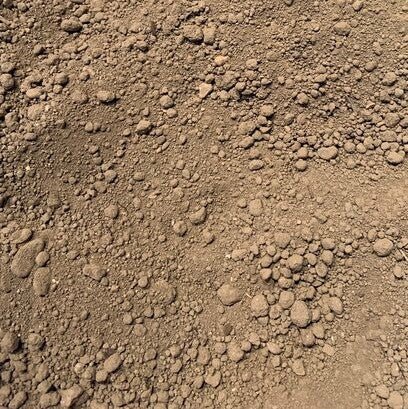
Quality topsoil for lawns, gardens, and landscape projects. Nutrient rich and ready to support strong root development and healthy plant establishment.
I needed 3 yards of top soil and that's what I got! Right on time and right where I asked it to be placed (Order# 2041).
Tell us what you're looking for
Thanks! We received your request.
Something went wrong. Please try again.
How Much Material Do I Need?
How Much Material Do I Need?
For in-ground garden bed prep in Moorhead, a 4 to 6 inch layer of quality topsoil blended into the upper zone of the clay gives roots a workable growing medium without creating a drainage-trapping interface layer beneath it. Raised beds should be filled to a minimum of 10 to 12 inches deep to give vegetable roots enough room to stay productive above the dense clay below.
Use our free soil calculator
What is a yard?
What is a yard?
FAQs
FAQs
Moorhead Soil Delivery
Moorhead Soil Delivery
Regular price
$64.00
per
yard
Regular price
Sale price
$64.00
Unit price
per
Shipping calculated at checkout.
Minimum of 3 yard
Couldn't load pickup availability
Hand-picked local yards
4,000+ regional deliveries
Dedicated support
Why order through Mulch Mound
The best local soil, without the guesswork.
We hand-pick and partner with the best yards in your region, keep only the ones our buyers rate well, and back each load with our guarantee.
Mulch Mound Guarantee
If your soil isn't the quantity or quality you ordered, we'll make it right.
About this soil
Quality topsoil for lawns, gardens, and landscape projects. Nutrient rich and ready to support strong root development and healthy plant establishment.
I needed 3 yards of top soil and that's what I got! Right on time and right where I asked it to be placed (Order# 2041).
How Much Material Do I Need?
How Much Material Do I Need?
For in-ground garden bed prep in Moorhead, a 4 to 6 inch layer of quality topsoil blended into the upper zone of the clay gives roots a workable growing medium without creating a drainage-trapping interface layer beneath it. Raised beds should be filled to a minimum of 10 to 12 inches deep to give vegetable roots enough room to stay productive above the dense clay below.
Use our free soil calculator
What is a yard?
What is a yard?
FAQs
FAQs
Tell us what you're looking for
Thanks! We received your request.
Something went wrong. Please try again.
How It Works
Getting started is easy — just follow these simple steps
1
Choose your soil
Make sure you adjust the quantity to your home's needs. You can use our calculator to estimate how much you'll need.
2
Select your delivery date
Select a delivery date you'd like for the product to be dropped off at your home
3
Sit back and wait
Sit back, wait, and let us work our magic to make sure the highest quality product is delivered to your driveway.

Highest compliments. Great driver.
Website is easy to navigate. Just a seamless process. 5 stars!!

Need Help Calculating How Much Soil You Need?
Use our NEW Trace from Satellite tool to get an estimate for your project based on an aerial view of your property
Try Our CalculatorFor raised beds, multiply the interior length by width by intended depth in feet, then divide by 27 to convert to cubic yards. For lawn leveling over Moorhead's clay, estimate the average depth of low spots carefully, keeping in mind that the clay below will compress the topsoil slightly during the first season after placement. It is usually better to order a little extra because unused topsoil can always be used to build up planting beds or top-dress thin lawn areas.
Soil Types We Deliver in Moorhead
Moorhead homeowners and landscapers count on us for bulk soil delivery by the cubic yard, dropped right where you need it. Whether you are building up a new lawn, filling raised garden beds, or regrading after a hard Red River Valley winter, having the right soil on hand makes all the difference. We keep it simple with quality material, fair cubic yard pricing, and dependable delivery across Moorhead.
Screened Top Soil
Our screened topsoil is finely processed to remove rocks, clumps, and debris, giving you a clean and workable base that spreads evenly across Moorhead yards. It is nutrient rich and well suited for establishing new lawns, topdressing thin turf, filling garden beds, or supporting healthy plant root development in our region's variable growing conditions.
Complete Your Outdoor Soil Project
After grading and soil placement, topping your beds with mulch locks in moisture and prevents the surface of new topsoil from crusting over in the summer heat, which is a common problem when fresh soil is left bare in Moorhead's dry midseason. If you are building defined bed borders or pathways alongside your new soil areas, our decorative stone options provide a clean, low-maintenance edge that holds up through Moorhead's harsh freeze-thaw seasons.


Mulch Mound Pro Tip
Moorhead's clay soil expands when wet and contracts when dry, which means any topsoil you add will experience seasonal movement at the interface between the two layers. To minimize this, mix the top few inches of native clay with your new topsoil rather than simply laying one on top of the other. Blending the transition zone reduces the sharp boundary that can trap water and cause frost heaving in the first winter after placement, protecting your grading work long-term.
Mulch Mound Pro Tip
If you are planning a new garden bed in Moorhead, do your soil prep in fall rather than spring whenever possible. Placing topsoil in September and letting it settle through winter gives the material time to meld with the clay below and allows any incorporated compost to continue breaking down through the freeze-thaw cycle. By the time the May 19 last frost passes, your bed will be settled, structured, and ready to plant without the delay of waiting for freshly placed spring soil to stabilize.
Mulch Mound Pro Tip
Moorhead lawns over heavy clay are prone to developing thatch layers that hold moisture right at the surface and encourage disease in wet seasons. When topdressing thin or uneven lawn areas with bulk topsoil, apply no more than half an inch at a time and work it into the existing turf with a stiff rake. Repeated light applications over two or three seasons do far more to improve your lawn's soil base than one heavy application that smothers existing grass and creates a new compaction layer at the surface.
The Unique Landscape of Moorhead
Moorhead's native soil is Red River Valley clay, one of the heaviest and most challenging soil types for home landscapes in the upper Midwest. This clay compacts under foot traffic and lawn equipment, drains poorly after spring snowmelt, and bakes into an almost brick-like hardness during dry July and August stretches. Grading projects, raised garden beds, and lawn repairs all benefit from bringing in quality topsoil because working only with native clay often means fighting compaction and poor drainage for years without meaningful improvement. With a growing season that runs from the May 19 last frost to the September 24 first frost, you have a relatively narrow window to get grade work and bed prep completed before the ground freezes again. Importing well-structured topsoil or blended garden soil gives Moorhead homeowners a productive growing medium that their native clay alone simply cannot provide.