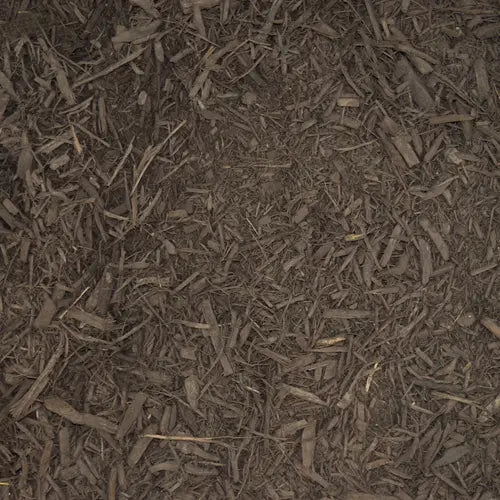
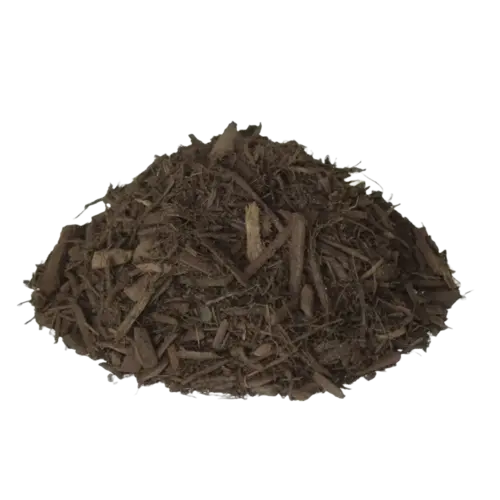
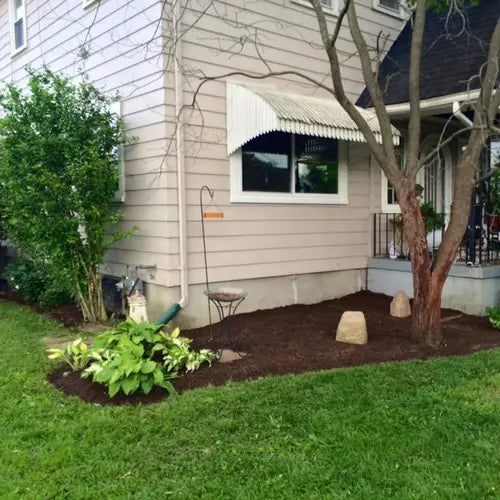
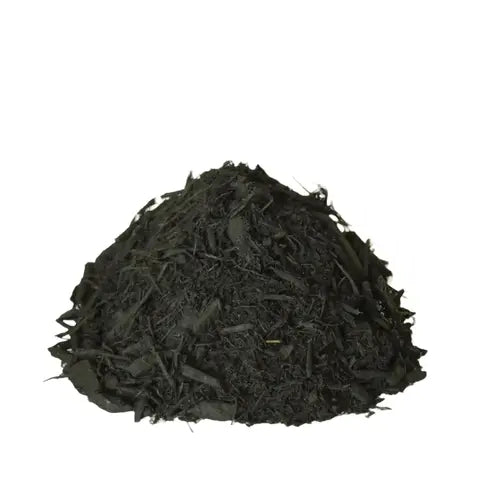
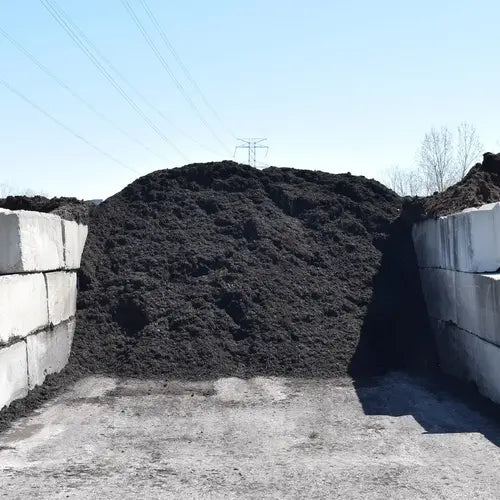
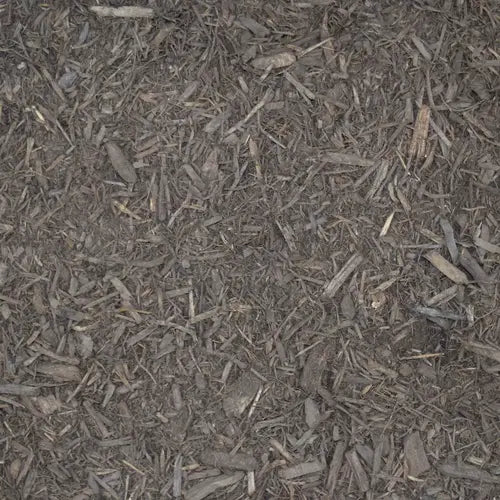
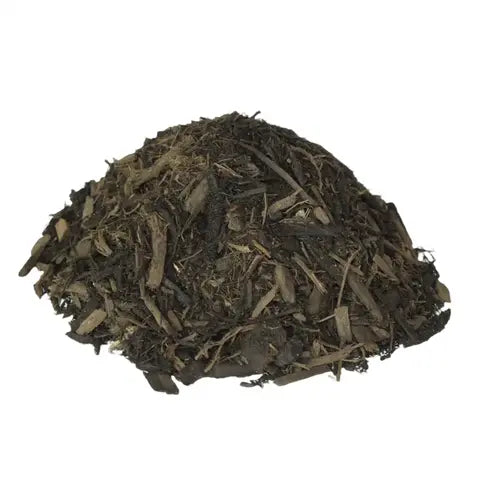
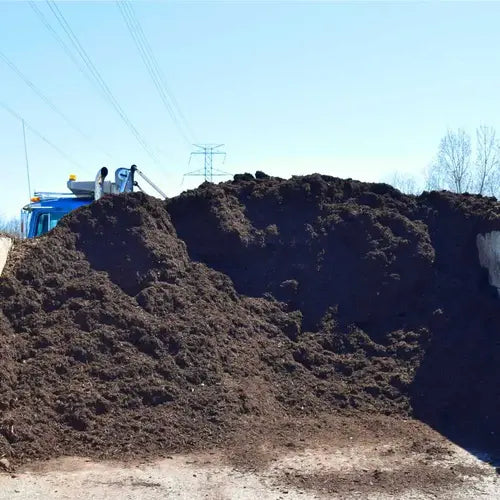
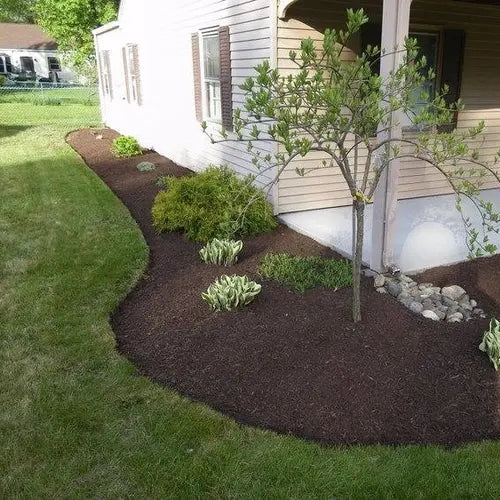
Warm brown double shredded mulch with lasting color that looks freshly applied for weeks. Spreads smooth, stays put, and gives beds a natural, polished appearance.
We needed mulch for our HOA common areas. Local providers were all holding high prices even for 40 yards of mulch. Mulch mound was easy to wowith & has great price for natural mulch + delivery schedule options. They called before delivery to ensure Delivery was exactly wher...
Tell us what you're looking for
Thanks! We received your request.
Something went wrong. Please try again.
How Much Material Do I Need?
For most Murray, KY planting beds with silt loam soil, a depth of two to three inches provides the weed suppression and moisture retention you need without compacting poorly drained areas. Tree rings and slopes near drainage channels benefit from a three-inch application to handle runoff without washing away.
Use our free mulch calculator
What is a yard?
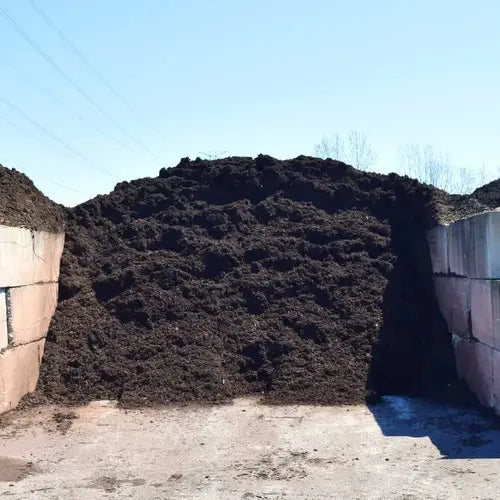
A yard is approximately 27 cubic feet. As a general guideline, one yard of material can cover an area of about 100-160 square feet at a 2-3 inch depth.
We can't take orders for this right now. Tell us what you need and we'll get back to you.
What do you need?
Thanks! We received your request.
Something went wrong. Please try again.
Hand-picked local yards
4,000+ regional deliveries
Dedicated support
Why order through Mulch Mound
The best local mulch, without the guesswork.
We hand-pick and partner with the best yards in your region, keep only the ones our buyers rate well, and back each load with our guarantee.
Mulch Mound Guarantee
If your mulch isn't the quantity or quality you ordered, we'll make it right.
About this mulch
Warm brown double shredded mulch with lasting color that looks freshly applied for weeks. Spreads smooth, stays put, and gives beds a natural, polished appearance.
We needed mulch for our HOA common areas. Local providers were all holding high prices even for 40 yards of mulch. Mulch mound was easy to wowith & has great price for natural mulch + delivery schedule options. They called before delivery to ensure Delivery was exactly wher...
How Much Material Do I Need?
For most Murray, KY planting beds with silt loam soil, a depth of two to three inches provides the weed suppression and moisture retention you need without compacting poorly drained areas. Tree rings and slopes near drainage channels benefit from a three-inch application to handle runoff without washing away.
Use our free mulch calculator
What is a yard?
A yard is approximately 27 cubic feet. As a general guideline, one yard of material can cover an area of about 100-160 square feet at a 2-3 inch depth.
We needed mulch for our HOA common areas. Local providers were all holding high prices even for 40 yards of mulch. Mulch mound was easy to wowith...
Read full review
We needed mulch for our HOA common areas. Local providers were all holding high prices even for 40 yards of mulch. Mulch mound was easy to wowith & has great price for natural mulch + delivery schedule options. They called before delivery to ensure Delivery was exactly where we wanted it.
Delivery was on time and great quality Mulch. Got it done in a reasonable time and yard looks great. Couldn’t be happier!!! Thank you and will us...
Read full review
Delivery was on time and great quality Mulch. Got it done in a reasonable time and yard looks great. Couldn’t be happier!!! Thank you and will use again!!
Mulch Mound delivered a yard of pea gravel to us. Delivery was on time, driver was friendly and hit a bullseye on the “tarp target”. We used the ...
Read full review
Mulch Mound delivered a yard of pea gravel to us. Delivery was on time, driver was friendly and hit a bullseye on the “tarp target”. We used the pea gravel (which was diameter as specified) to fill several muskrat holes around our pond. I would definitely recommend Mulch Mound to a friend!
Measure the length and width of each bed in feet and multiply to get square footage, then multiply by your desired depth in inches and divide by 324 to get cubic yards. Murray's silt loam beds typically benefit from two to three inches of coverage, so a 100 square foot bed needs roughly 0.6 to 0.9 cubic yards. It is always worth rounding up slightly since extra coverage goes a long way toward protecting against Murray's heavy annual rainfall.
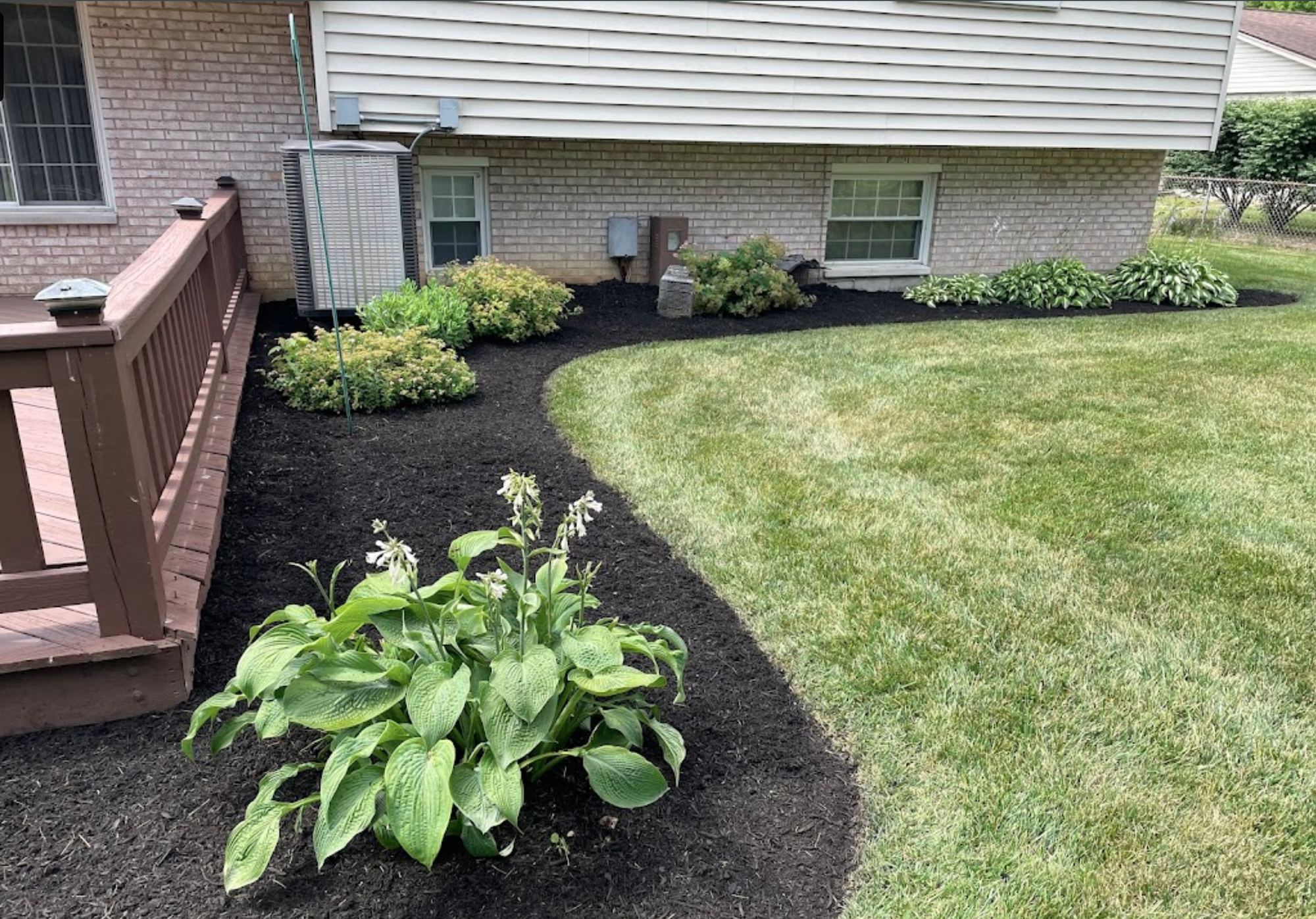
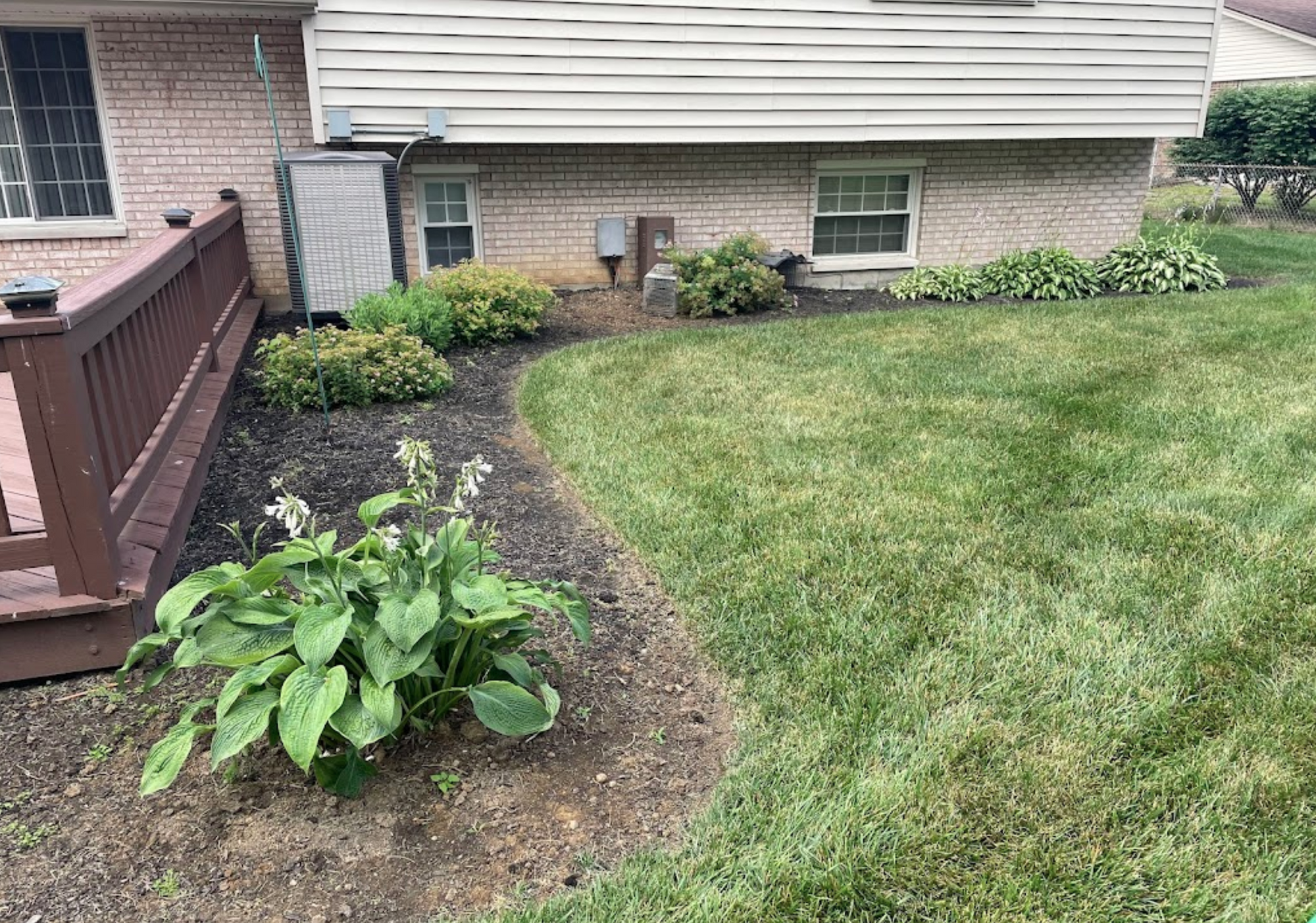
Mulch vs. No Mulch: The Difference
Murray's 54 inches of annual rainfall and hot, humid summers accelerate the breakdown of all organic mulches, but natural hardwood options decompose into the silt loam and gradually improve its organic matter content over time. Dyed mulches use colorfast pigments that hold up well through frequent rain and intense summer sun common in zone 7b, making them a strong choice for high-visibility beds where appearance matters from April through October. Choosing between the two often comes down to whether you want long-term soil improvement or consistent color through Murray's extended growing season.
Before
After
Best Mulch Choice for Murray Lawns
Most yards in the Murray area sit on Silt Loam type of soil. Murray's silt loam soil tends to compact under foot traffic and heavy rain, reducing the oxygen and drainage that healthy plant roots depend on through the growing season. A top dressing of organic mulch cushions the soil surface and helps maintain the loose structure that roots need to spread freely.
Hardwood Mulch
As hardwood mulch breaks down into Murray's silt loam, it adds organic material that improves drainage, increases water-holding capacity between rains, and feeds the soil biology that supports healthy root development. This slow amendment process is particularly valuable in zone 7b where summer heat depletes organic matter quickly and plants need consistent moisture between rainfall events.
Mulch Types We Deliver in Murray
Mulch Mound offers bulk mulch delivery in Murray by the cubic yard, brought straight to your driveway or job site with no haul-away hassle. Murray's warm, humid summers and clay-heavy soils make a consistent mulch layer one of the best things you can do to hold moisture and suppress weeds. Whether you are freshening a few flower beds or covering a large landscape, choosing the right variety makes a real difference in how long your results last.
Dyed Brown Mulch
Dyed Brown Mulch arrives double shredded with a warm, natural-looking tone that blends easily with the traditional brick homes and established landscapes common across this part of western Kentucky. The colorfast dye keeps beds looking freshly applied for weeks through summer heat and rain, and the fine texture spreads smoothly without clumping.
Dyed Black Mulch
Dyed Black Mulch comes double shredded and delivers a bold, high-contrast look that makes green plants and colorful perennials pop. It suits homeowners who want a clean, polished curb appeal, and the rich color holds up well through the region's humid summers. The smooth texture lays down evenly across beds of any shape or size.
Natural Brown Mulch
Natural Brown Mulch is double shredded and completely undyed, carrying a soft, earthy tone straight from the wood itself. It is a natural fit for vegetable gardens, native plantings, and anyone who prefers an honest organic look. As it breaks down over Murray's warm growing season, it feeds the soil and improves the clay-heavy ground beneath.
Complete Your Outdoor Mulch Project
If your beds are thin or compacted after years of Murray's heavy rainfall, consider pairing mulch with a load of premium garden soil to rebuild planting depth before you spread. Stone edging or decorative gravel borders complement mulched beds beautifully and help contain material during the wet season.
Pull back any existing mulch before adding a fresh layer to avoid building up more than three inches total. Thick mulch piles trap moisture against plant crowns and tree trunks, which is especially problematic in Murray's humid summers. Keep mulch a few inches away from the base of woody plants to prevent rot and fungal issues that thrive in western Kentucky's warm, moist growing conditions.
Mulch Mound Pro Tip
Time your mulch application around Murray's planting calendar for maximum benefit. Spreading mulch right after your last frost date of April 10 lets the soil warm up naturally first, then the mulch locks in that warmth and suppresses early weed flushes. Waiting until the soil has fully warmed makes a noticeable difference in how quickly warm-season plants establish in zone 7b gardens.
Mulch Mound Pro Tip
Murray receives roughly 54 inches of rain each year, which is enough to break down organic mulch faster than in drier climates. To get the most life out of each delivery, choose a shredded hardwood product over finely ground material, since coarser particles decompose more slowly and hold their structure through repeated wet weather. Checking your beds after major spring storms and tucking displaced mulch back into place can add months of effective coverage to each application.
Frequently Asked Questions
Click a question to see the answer
Answer
How deep should I apply mulch in my Murray yard?
For Murray's silt loam beds, two to three inches is the right target. That depth suppresses weeds and holds moisture through the dry stretches of July and August without suffocating roots. Going much deeper than three inches can trap excess moisture around plant crowns in silt loam's slower-draining areas and invite rot, especially through Murray's humid summers.
Answer
Will mulch help protect my plants from Murray's late spring frosts?
Yes. Because Murray's last average frost falls around April 10, a two to three inch mulch layer applied in early spring helps buffer soil temperature swings during those final cold nights. It slows the ground from warming too quickly on mild days and then re-freezing overnight, which protects the shallow roots and bulb plantings that are common in zone 7b gardens.
Answer
Does Murray's heavy rainfall wash mulch out of my beds?
It can, especially on sloped areas. With 54 inches of annual rainfall, lighter bark products shift during heavy downpours more than shredded hardwood mulch, which tends to knit together and resist movement. Keeping a clean edging border around your beds and positioning mulch an inch or two below the top of that border also helps contain material during intense spring storms.
Answer
How often do I need to refresh mulch here in Murray?
Murray's warm, humid summers speed up decomposition noticeably, and most homeowners find shredded hardwood mulch breaks down within 12 to 18 months. Plan on a fresh top-dress each spring, ideally after the last frost around April 10 when you are preparing beds for the growing season. A thin one-inch refresh is usually enough if the previous layer is still partially intact underneath.
Answer
Is dyed mulch safe to use around my vegetable garden in Murray?
Most dyed mulches use carbon-based colorants that are considered safe, but if you are growing vegetables it is reasonable to prefer a natural hardwood or pine bark option to keep any additives away from edible crops. For ornamental beds around Murray homes, dyed mulch holds its color well through the summer sun and the frequent rain, making it a popular choice for maintaining curb appeal through the long growing season.
Answer
What type of mulch works best near low spots and drainage areas in my Murray yard?
In low-lying areas that collect water after rain, a coarser material like wood chip mulch or pine bark nuggets allows water to pass through more freely than fine shredded mulch. Murray's silt loam drains slowly in flat areas on its own, so choosing a mulch that does not compact into a dense mat helps prevent standing water from developing around plant roots.
Answer
When is the best time to mulch in Murray, Kentucky?
The two best windows are early spring just after the last frost around April 10, and late fall shortly before the first frost around October 28. Spring mulching locks in soil moisture before summer heat arrives and suppresses the first wave of weed seeds. Fall mulching insulates roots through winter and reduces freeze-thaw heaving during Murray's cold months.
The Unique Landscape of Murray
Murray's silt loam soil has a naturally fine texture that compacts easily under foot traffic and heavy rainfall, forming a hard surface crust that sheds water rather than absorbing it. With 54 inches of rain falling each year, bare plant beds are constantly under pressure from raindrop impact, and that repeated force breaks down soil structure season after season. A proper layer of mulch acts as a buffer between the rain and the soil surface, keeping the texture loose and absorbent through wet springs and dry late-summer stretches alike. Murray's zone 7b winters bring freeze-thaw cycling between late October and early April that heaves shallow roots and stresses perennial crowns, and consistent mulch coverage reduces those temperature swings significantly. Weed pressure runs high through western Kentucky's long frost-free window, and keeping beds mulched from April through October cuts weeding time dramatically compared to leaving soil bare.