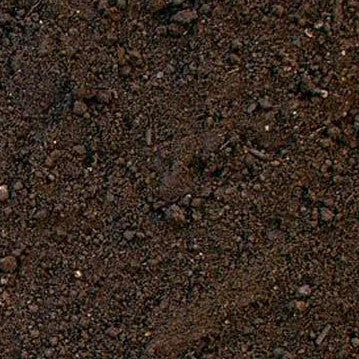
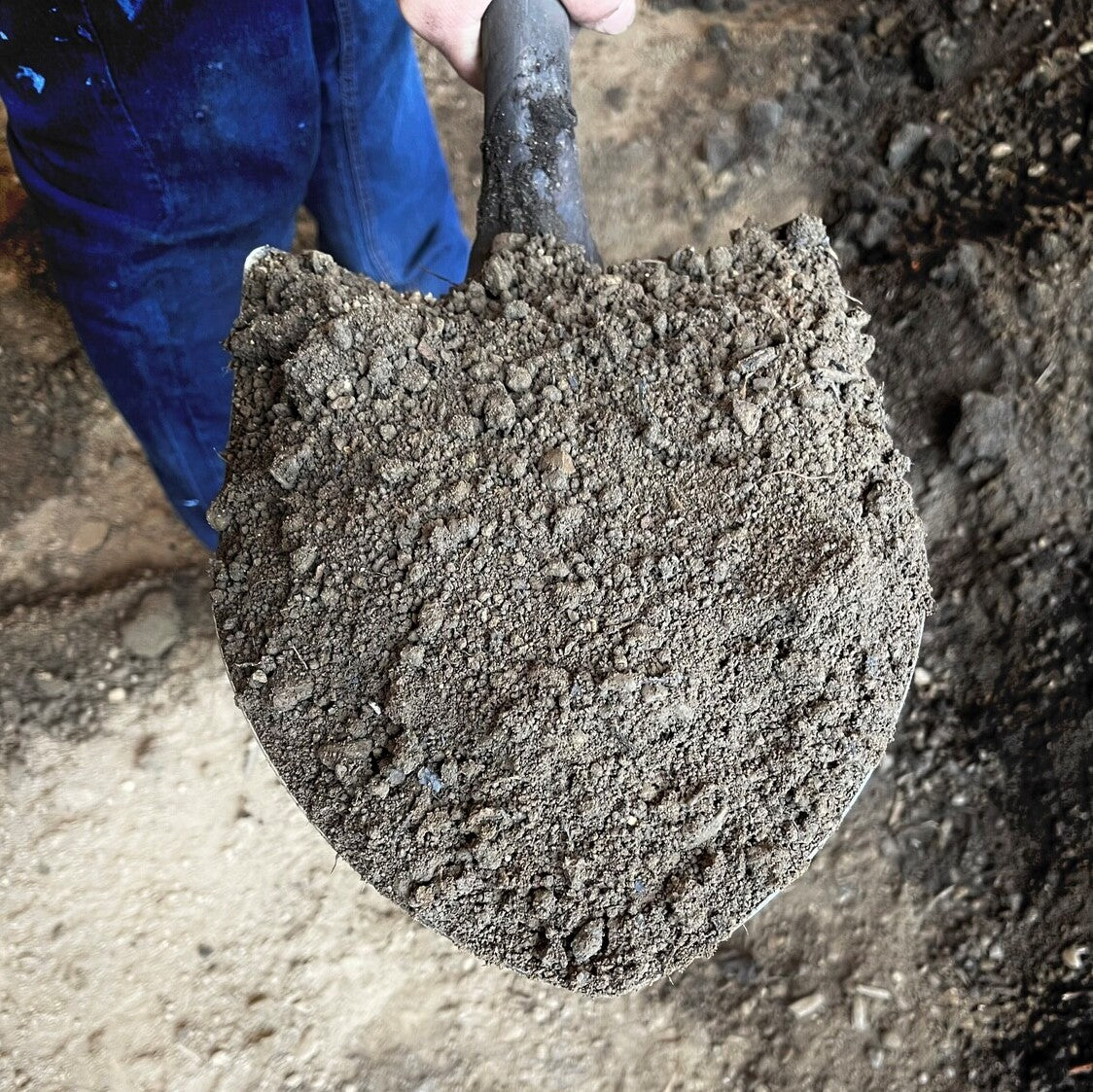
About this soil

Quality topsoil for lawns, gardens, and landscape projects. Nutrient rich and ready to support strong root development and healthy plant establishment.

We got 3 yards of the gardening top soil. It was great quality, not many chunks and seems good for growing, just waiting for all my plants to love it. We had more than enough soil to fill a raised bed we made and landscaped around a patio. I do wish we could do less than 3 yd...

Murray Soil Delivery

Murray Soil Delivery

4.7
137 reviews
Regular price $55.00 per yard
Regular price Sale price $55.00
Sale Sold out
Type
Style
Minimum of 3
1 tree planted for every order

About this soil

Quality topsoil for lawns, gardens, and landscape projects. Nutrient rich and ready to support strong root development and healthy plant establishment.

We got 3 yards of the gardening top soil. It was great quality, not many chunks and seems good for growing, just waiting for all my plants to love it. We had more than enough soil to fill a raised bed we made and landscaped around a patio. I do wish we could do less than 3 yd...

For topdressing and lawn repair in Murray, one to two inches of soil is usually enough to correct minor low spots without smothering existing grass roots. Raised beds and new planting areas work best with at least ten to twelve inches of quality soil above the native silt loam base so roots can develop fully without hitting the compacted layer below.
Use our free soil calculator

A yard is approximately 27 cubic feet. As a general guideline, one yard of material can cover an area of about 100-160 square feet at a 2-3 inch depth.

View full details

How It Works

Getting started is easy — just follow these simple steps

1

Choose your soil

Make sure you adjust the quantity to your home's needs. You can use our calculator to estimate how much you'll need.

2

Select your delivery date

Select a delivery date you'd like for the product to be dropped off at your home

3

Sit back and wait

Sit back, wait, and let us work our magic to make sure the highest quality product is delivered to your driveway.

What Murray Customers Like About Our Soil

4.7
out of 5 based on 137 reviews
Google Reviews

Need Help Calculating How Much Soil You Need?

Use our NEW Trace from Satellite tool to get an estimate for your project based on an aerial view of your property

Try Our Calculator
📍

For lawn leveling in Murray, plan on roughly one cubic yard of soil per 300 square feet for a one-inch topdressing. For raised beds, multiply length by width by depth in feet and divide by 27 to get cubic yards, then add about ten percent to account for settling during Murray's rainy first season. Measuring carefully before you order prevents running short in the middle of a project.

Complete Your Outdoor Soil Project

After filling and grading, top your new beds with a layer of mulch to protect the fresh soil surface from Murray's heavy rainfall and reduce weed pressure through the long growing season. Stone borders and edging help keep bulk soil contained in raised beds and along pathways where runoff from heavy rain can cause erosion.

Map of Murray, Kentucky

Areas We Deliver Soil in Murray, Kentucky

No cities found for this region.

See All Locations

Frequently Asked Questions

Click a question to see the answer

Answer

Can I use bulk topsoil to level out my Murray lawn?

Yes, and it is one of the most common uses for bulk soil in Murray. Low spots in lawns here tend to collect water after heavy rains, and with 54 inches falling annually those puddles can kill turf over time by starving roots of oxygen. A thin layer of topsoil spread into low areas and worked into the existing grass allows the lawn to fill back in while correcting the grade and reducing future standing water.

Answer

What is the difference between topsoil and garden soil for raised beds in Murray?

Topsoil is a general-purpose fill material suited for grading and filling large volumes. Garden soil has a higher organic content and is formulated specifically for plant growth, making it the better choice for raised vegetable or flower beds in Murray where you want a loose, fertile growing medium. Raised beds filled with quality garden soil warm up faster after Murray's last frost around April 10 and give roots the drainage they need through the wet growing season.

Answer

My Murray backyard stays soggy after rain. Will adding soil help?

Adding soil can help if the issue is a low grade that collects runoff from surrounding areas. Murray's flat terrain and silt loam base drain slowly on their own, so raising the grade in problem areas directs water away from the house and toward lawn edges or existing drains. If sogginess comes from a high water table or a failing drain tile, grading with soil helps but may need to be paired with a stone-based drainage solution for lasting results.

Answer

How much soil do I need to build a raised garden bed in Murray?

A standard raised bed that is 4 feet wide, 8 feet long, and 12 inches deep holds about 1.2 cubic yards of soil. Murray's frost-free window runs from around April 10 to October 28, giving you nearly 200 growing days, so a fully filled raised bed can support multiple successions of vegetables through that long season. Most gardeners find it worth filling beds completely to give roots maximum room and drainage above the native silt loam base.

Answer

Can I mix bulk soil with my existing Murray yard soil?

Mixing is fine for topdressing and lawn repair, but for planting beds it is generally better to deeply amend or replace the existing silt loam rather than simply layering new soil on top. Murray's native soil compacts easily, and if the base layer is hard and dense roots will struggle to move through it even if the top layer is rich and loose. Tilling the existing soil before adding new material helps the two layers integrate properly.

Answer

When is the best time to do soil work in Murray?

Spring, after the last frost around April 10 and once the ground has dried out enough to work without smearing, is the prime window for garden bed preparation and raised bed building. Fall is good for lawn leveling since cooler temperatures reduce stress on existing grass. Avoid working Murray's silt loam when it is saturated because doing so destroys soil structure and creates compaction that takes multiple seasons to recover from.

Answer

Will bulk soil settle significantly after it is delivered and spread?

All bulk soil settles to some degree as it is watered in and firmed up by rain. In Murray's rainy climate, you can expect roughly five to ten percent volume loss over the first season as the soil consolidates. Overfilling raised beds slightly and mounding lawn repair areas a touch higher than surrounding turf at the start helps account for that natural settling.

Mulch Mound Pro Tip

Before spreading new soil over an existing Murray lawn, core aerate the native silt loam first. Aeration pulls small plugs from the compacted base and creates channels for the new soil to work its way downward, improving rooting depth over time. Murray's heavy annual rainfall packs silt loam tightly year after year, so this extra step makes a real difference in how well a topdressing project holds up over multiple seasons.

Mulch Mound Pro Tip

Build raised vegetable beds at least ten to twelve inches deep if you plan to grow root crops like carrots or sweet potatoes in Murray. The native silt loam below can be dense and difficult for roots to penetrate, so a deep column of loose garden soil above the native grade makes a noticeable difference in yield and plant health through Murray's long growing season from April through October.

Mulch Mound Pro Tip

Grade new soil away from your home's foundation at a slope of at least one inch per foot for the first six feet around the perimeter. Murray receives enough rainfall each year that poor foundation grading is one of the most common causes of basement moisture problems in the area. Getting the slope right while you have a fresh load of soil on site is far easier than correcting it after the ground has settled and turf has grown back in.

The Unique Landscape of Murray

Murray's native silt loam is a decent foundation for established landscapes, but it compacts readily after foot traffic and heavy rain and loses organic matter quickly during hot western Kentucky summers. Homeowners bringing in quality topsoil or garden soil can raise low spots in lawns that collect water after Murray's frequent spring storms, improve drainage in planting areas, and create raised beds with the loose, nutrient-rich texture that vegetables and perennials need. At 515 feet of elevation, Murray sits in a broad flat valley where natural drainage is slow, and adding well-structured soil to grade problem areas can prevent the standing water that damages turf and foundation plantings season after season. Whether you are starting a new garden bed, patching bare lawn spots after a rough winter, or building up a raised planting area, imported soil gives you direct control over the growing environment in a way that working with native silt loam alone cannot provide.
