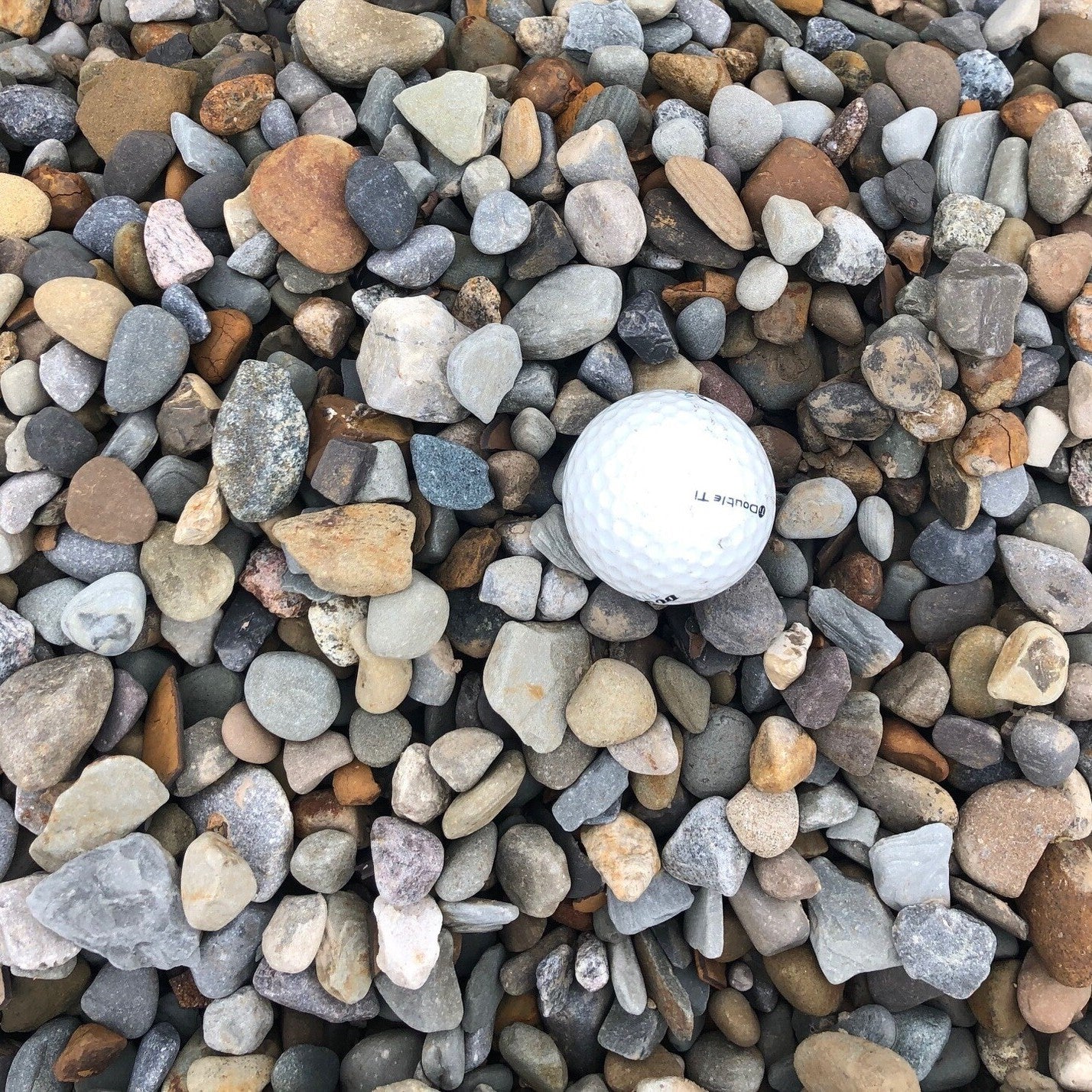
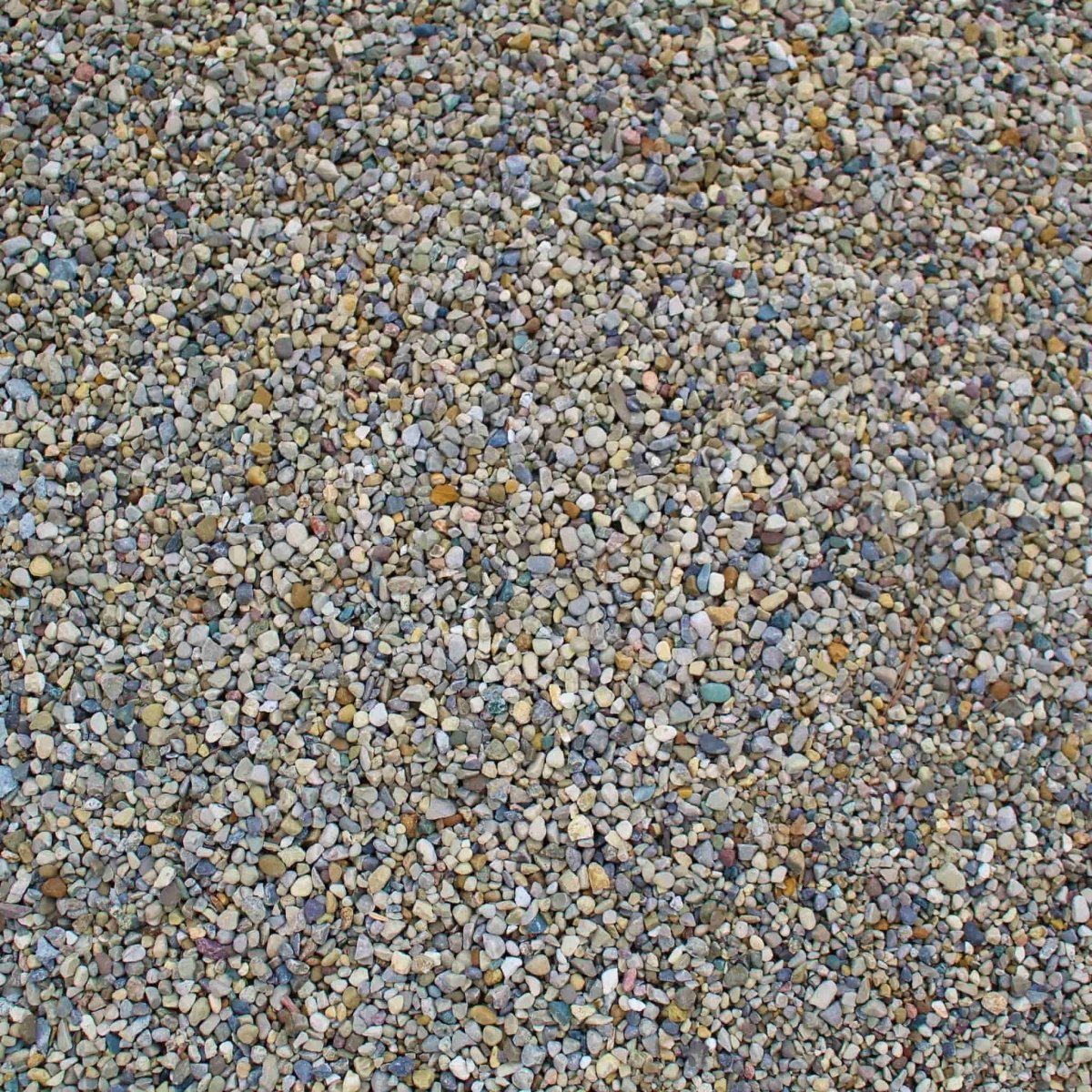
About this stone

Classic pea gravel with smooth, rounded edges and natural earth tones. A versatile favorite for pathways, patios, drainage, and decorative ground cover.

Super easy to order the rocks. They showed up on time, dumped right where I said, and everything worked great.

Murray Stone Delivery

Murray Stone Delivery

4.7
137 reviews
Regular price $87.00 per yard
Regular price Sale price $87.00
Sale Sold out
Type
Size
Minimum of 3
1 tree planted for every order

About this stone

Classic pea gravel with smooth, rounded edges and natural earth tones. A versatile favorite for pathways, patios, drainage, and decorative ground cover.

Super easy to order the rocks. They showed up on time, dumped right where I said, and everything worked great.

For pathways and decorative ground cover in Murray, a depth of two to three inches is generally sufficient to suppress weeds and provide a stable, attractive surface. Drainage channels and erosion control applications along Murray's sloped or runoff-prone areas benefit from a deeper four to six inch layer to handle the volume of water that moves through during heavy rain events.
Use our free stone calculator

A yard is approximately 27 cubic feet. As a general guideline, one yard of material can cover an area of about 100-160 square feet at a 2-3 inch depth.

View full details

How It Works

Getting started is easy — just follow these simple steps

1

Choose your stone

Make sure you adjust the quantity to your home's needs. You can use our calculator to estimate how much you'll need.

2

Select your delivery date

Select a delivery date you'd like for the product to be dropped off at your home

3

Sit back and wait

Sit back, wait, and let us work our magic to make sure the highest quality product is delivered to your driveway.

From The Mouths of Murray Folks

4.7
out of 5 based on 137 reviews
Google Reviews

Need Help Calculating How Much Stone & Gravel You Need?

Use our NEW Trace from Satellite tool to get an estimate for your project based on an aerial view of your property

Try Our Calculator
📍

Measure your project area in square feet and decide on your desired depth, typically two to three inches for pathways and decorative coverage in Murray landscapes. Multiply the square footage by the depth in inches, then divide by 324 to get the cubic yards you need. Murray's silt loam tends to pull the first layer of stone downward slightly as it settles, so adding ten percent to your estimate helps ensure full coverage after the first season.

Complete Your Outdoor Stone Project

Stone pathways and borders pair naturally with mulched planting beds, helping to define edges and contain material during Murray's rainy season. If your project also involves low spots or grading issues alongside the stone work, a delivery of quality topsoil can address drainage and elevation problems at the same time for a complete solution.

Map of Murray, Kentucky

Areas We Deliver Stone & Gravel in Murray, Kentucky

No cities found for this region.

See All Locations
Mulch Mound Pro Tip

Install a quality non-woven landscape fabric under all decorative stone in Murray to prevent the stone from gradually sinking into the silt loam below. Murray's fine-textured soil pulls stone downward over time, especially in areas that stay moist after rain. Fabric keeps the stone layer defined, reduces weed growth, and makes any future clean-up or material replacement far easier than digging stone out of compacted silt.

Mulch Mound Pro Tip

For foundation borders in Murray, slope the stone bed away from the house at a slight grade rather than laying it completely flat. Even a gentle one inch drop per foot over a four to six foot border encourages rainwater to drain away from the foundation rather than pooling against the sill plate. Murray's annual rainfall volume makes this small detail one of the most impactful things you can do for long-term moisture management around your home.

Mulch Mound Pro Tip

When building gravel pathways in Murray, consider angular crushed stone rather than smooth rounded pebbles for high-use areas. Angular stone pieces lock together and resist displacement much better than rounded material during the heavy spring and summer rains that Murray receives each year. Rounded pea gravel is a beautiful choice for low-traffic decorative areas, but crushed limestone or crusher run holds its shape and footing through wet seasons and regular foot traffic far more reliably.

The Unique Landscape of Murray

Stone is one of the most practical landscaping materials for Murray homeowners because it handles the area's 54 inches of annual rainfall without breaking down, shifting into a weed bed, or requiring seasonal replacement the way organic materials do. Murray's silt loam base drains slowly after heavy rains, and well-placed gravel or crushed stone creates permeable pathways and drainage channels that move water away from foundations and planting areas far more efficiently than bare soil. Stone borders along driveways and garden beds provide a clean, defined edge that survives freeze-thaw cycles between late October and early April without heaving or cracking the way poured concrete edging often does. Decorative stone in low-traffic areas eliminates the need for repeated mulch replacement, which is especially appealing given how quickly organic material breaks down in zone 7b's warm, humid growing season. Whether used for drainage, pathways, or purely aesthetic purposes, stone is a long-term investment that adds lasting structure to Murray landscapes.

Frequently Asked Questions

Click a question to see the answer

Answer

What size stone works best for a backyard pathway in Murray?

For a walking path, pea gravel or three-eighths inch crushed stone gives a comfortable, stable surface that drains well through Murray's rainy seasons. Larger stones like one-inch river rock can shift underfoot and become uncomfortable for regular foot traffic. A two to three inch depth over a layer of landscape fabric keeps the path stable and prevents Murray's persistent weeds from pushing through.

Answer

Will stone help with the drainage problems in my Murray yard?

Yes, and it is one of the most effective long-term solutions for Murray's slow-draining silt loam. A French drain filled with washed gravel or a surface channel lined with crushed stone guides water away from low spots and foundations much faster than bare soil can manage. Given that Murray averages 54 inches of rain per year, investing in stone-based drainage keeps lawns and foundations considerably drier through wet springs and summer storm systems.

Answer

How much stone do I need to cover a flower bed in Murray?

For a two to three inch decorative stone layer over a planting bed, plan on roughly one cubic yard for every 100 to 150 square feet depending on stone size. Smaller stones like pea gravel settle more tightly and cover a smaller area per cubic yard than larger river rock. Using our online calculator with your bed dimensions will give you a precise estimate before you place your order.

Answer

Does stone get too hot in summer for plants near Murray?

Light-colored stones like limestone chips or tan pea gravel reflect heat better than dark varieties, which can radiate significant warmth during Murray's July and August highs. If you are using stone near heat-sensitive plants, choosing lighter colors and keeping a few inches of clearance between the stone bed and plant stems reduces heat stress. For purely decorative or high-traffic areas away from plants, heat retention is rarely a significant issue.

Answer

Will stone wash away during Murray's heavy rain events?

Properly installed stone resists displacement well, but installation quality matters. A landscape fabric base layer keeps stone from sinking into Murray's silt loam over time, and edging the area with steel or stone borders prevents material from spreading during heavy storms. Larger stone sizes in the one to two inch range are more resistant to runoff displacement than fine pea gravel on any sloped area.

Answer

What is the best stone for a low-maintenance border near my Murray foundation?

River rock or washed limestone in the one to two inch range is a popular choice for foundation borders in Murray. It allows rainwater to percolate down and away from the foundation rather than pooling against the house, which matters considerably given Murray's annual rainfall total. A four to six inch deep layer over landscape fabric effectively eliminates weeding and mulch replacement along the foundation for years at a time.

Answer

Can I use stone to stop erosion on a slope in my Murray yard?

Absolutely. Rip rap or larger fieldstone placed on slopes slows runoff and prevents the fine-textured silt loam from washing downhill during heavy rain events. Murray's spring storms can move a surprising amount of soil on grades steeper than ten to fifteen percent. For gentler slopes, a layer of two to three inch river rock or crushed stone holds the surface well and looks intentional rather than purely utilitarian.
