I used Mulch Mound to have 3 cubic yards of garden soil delivered. The process was easy and I love that I didn't have to call anyone. I placed my order online, picked my delivery date, laid out my tarp and the dirt was delivered. My delivery had to be pushed back, but I was ke...
Tell us what you're looking for
Thanks! We received your request.
Something went wrong. Please try again.
How Much Material Do I Need?
For topdressing an existing Naples lawn, one to two inches of soil is typically sufficient to improve the surface layer without smothering grass. For new raised beds or planting beds built from scratch over native sand, plan on at least ten to twelve inches of quality soil to give roots a meaningful growing medium above the fast-draining sand layer below.
Use our free soil calculator
What is a Yard?
A yard is approximately 27 cubic feet. As a general guideline, one yard of material can cover an area of about 100-160 square feet at a 2-3 inch depth.
I used Mulch Mound to have 3 cubic yards of garden soil delivered. The process was easy and I love that I didn't have to call anyone. I placed my order online, picked my delivery date, laid out my tarp and the dirt was delivered. My delivery had to be pushed back, but I was ke...
How Much Material Do I Need?
For topdressing an existing Naples lawn, one to two inches of soil is typically sufficient to improve the surface layer without smothering grass. For new raised beds or planting beds built from scratch over native sand, plan on at least ten to twelve inches of quality soil to give roots a meaningful growing medium above the fast-draining sand layer below.
Use our free soil calculator
What is a Yard?
A yard is approximately 27 cubic feet. As a general guideline, one yard of material can cover an area of about 100-160 square feet at a 2-3 inch depth.
I used Mulch Mound to have 3 cubic yards of garden soil delivered. The process was easy and I love that I didn't have to call anyone. I placed my o...
Read full review
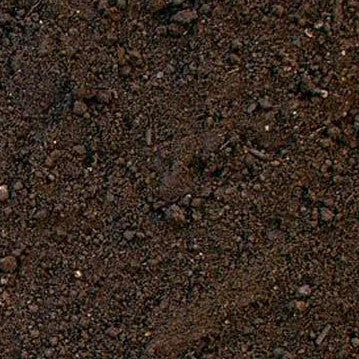
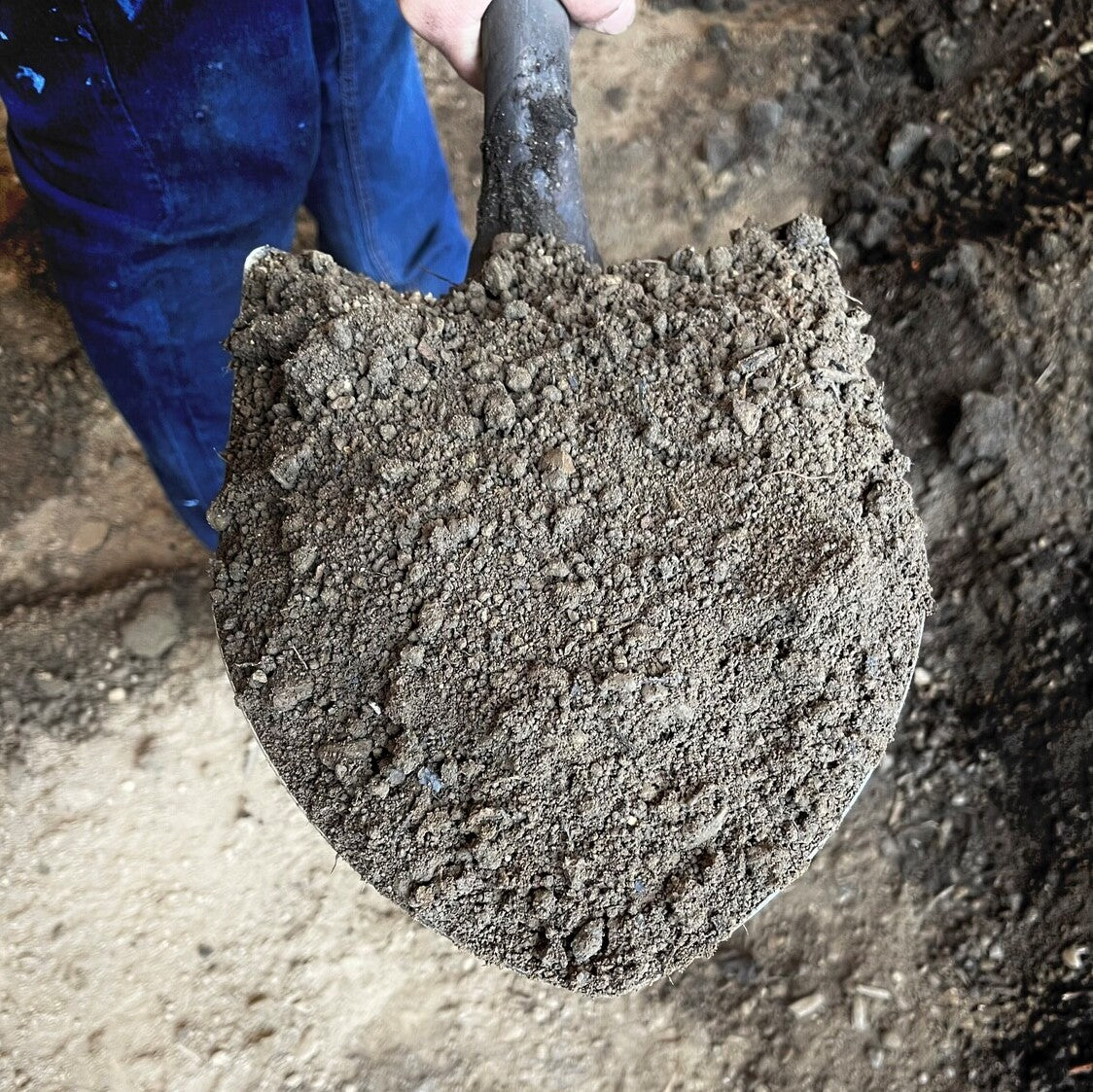
I used Mulch Mound to have 3 cubic yards of garden soil delivered. The process was easy and I love that I didn't have to call anyone. I placed my order online, picked my delivery date, laid out my tarp and the dirt was delivered. My delivery had to be pushed back, but I was kept informed via text, which was great. So why not 5 stars? The description of garden soil on the website is "A balanced mix of topsoil and organic amendments ready for raised beds, flower gardens, and new planting areas. Good drainage, solid nutrients, easy to work with." What I got was more like fill dirt. It had a lot of gravel, a lot of clay, and random trash mixed in. I didn't test the soil to see if it actually had "amendments" because I already have compost and alpaca manure ready to add, but if I'd known the quality of the dirt was going to be the same as the bagged dirt I bought last year, I probably would have gotten 2 yards of top soil and a yard of leaf compost for better quality, especially since the leaf compost is cheaper. Photo of my mountain of dirt and just some of the trash I found in it.
For raised beds, multiply the length by the width by the depth of your beds, all in feet, then divide by 27 to convert cubic feet to cubic yards. Naples homeowners setting up multiple garden beds for the October-through-April vegetable season often underestimate their total need, so adding ten percent to your calculated total is a good buffer. The more accurate your measurements before ordering, the fewer trips to manage and the more cost-efficient your bulk delivery becomes.
Complete Your Outdoor Soil Project
Most Naples homeowners pair a bulk soil delivery with a mulch order to protect the new soil surface from sun and rain compaction once planting is complete. Adding shell stone or gravel borders around new beds keeps the fresh soil contained during the heavy summer storms that are a regular part of life in Southwest Florida.
Can I just amend my existing Naples sand instead of bringing in new soil?
Amending native Naples sand is possible but requires large volumes of compost or organic matter to make a meaningful difference, often more than most homeowners expect. For a typical 100-square-foot bed to a depth of twelve inches, you would need enough amendment to raise the organic content of all that sand to at least five percent, which adds up quickly. Bringing in a quality blended soil and layering it over the native sand is often faster, more cost-effective, and gives you predictable results rather than guessing at the right amendment ratio.
Answer
What kind of soil works best for growing vegetables in Naples?
Naples vegetable gardeners do best with a loamy blended soil that has good structure, moisture retention, and built-in organic content. The Naples vegetable growing season runs from roughly October through April, avoiding the brutal summer heat, and during those cooler months plants need a soil that holds water a bit longer than raw sand allows. A mix that includes compost, aged bark fines, and a balanced mineral base gives your tomatoes, peppers, herbs, and leafy greens the root environment they need to produce through the dry winter months.
Answer
How much soil do I need to fill raised garden beds for a Naples winter vegetable garden?
A standard four-by-eight-foot raised bed that is twelve inches deep holds approximately 32 cubic feet of soil, which equals just over one cubic yard. If you are setting up multiple beds before the Naples vegetable season begins in October, ordering in bulk is significantly more economical than buying bags. Our calculator makes it easy to enter your bed dimensions and get an exact cubic yard count for your order.
Answer
Does the soil I order need to be mixed with anything before I use it in Naples?
Our blended soils arrive ready to use for most applications, though Naples gardeners often add a slow-release palm and tropical fertilizer to new beds before planting since Zone 10b plants have year-round nutrient demands. For vegetable beds, mixing in a bit of additional compost at the start of each growing season helps replenish organic matter that the warm climate and frequent watering break down. For lawn topdressing, the soil can go down and be lightly raked without any additional preparation.
Answer
Will bulk soil work for filling low spots and drainage issues in my Naples yard?
Yes, bulk fill soil is one of the most practical solutions for the low spots and ponding issues that are common on Naples properties given the flat terrain and seven-foot average elevation. Filling and grading those areas with quality soil before seeding or sodding gives you a level surface that drains more evenly during summer storm events. For areas that pond severely, pairing fill soil with a French drain or swale design is the more complete solution.
Answer
I am installing new sod in my Naples yard. Do I need to add topsoil first?
A thin layer of quality topsoil spread over native Naples sand before laying sod gives grass roots a better medium to establish in during the stressful early weeks after installation. Even two to three inches of blended topsoil over the sand significantly improves root establishment speed and drought tolerance once the irrigation cycle is reduced. St. Augustine and Zoysia, the two most common sod types in Naples, both benefit from this approach.
Answer
Is there a soil that works well under palm trees and around tropical plantings?
Palms and tropical plants in Naples actually prefer a soil that drains well and does not stay saturated, so a blended topsoil with good structure rather than a heavy peat-based mix is the right choice. The key is adding enough organic content to hold nutrients and some moisture without creating the waterlogged conditions that lead to root disease in the warm Naples climate. A quality garden blend that includes aged compost and some mineral content strikes that balance well for the tropical species common throughout Collier County.
Mulch Mound Pro Tip
Order your bulk soil delivery before the Naples vegetable planting season begins in early October so your raised beds have two to three weeks to settle and any natural compaction happens before you plant. Freshly delivered blended soil can drop an inch or two in volume as it settles, and catching that before your seedlings go in lets you top off to the right level without disturbing established roots. A settled bed also drains more evenly from the start.
Mulch Mound Pro Tip
When spreading bulk soil over native Naples sand, break up the top two inches of the existing sand surface with a rake or tiller before adding your new layer. This prevents a hard interface line from forming between the two materials, which can act like a barrier and cause water to pool between the layers rather than moving through. Roughing up the sand below creates a gradual transition that roots can navigate naturally.
Mulch Mound Pro Tip
In Naples yards with very low elevation and minimal slope, avoid creating raised planting beds that are so high they drain entirely into the surrounding lawn and leave your plants dry. Build beds at a height that keeps roots above any seasonal water table fluctuation but not so elevated that every rain event pulls moisture away before it can be absorbed. Six to ten inches of raised depth is usually the practical sweet spot for most Naples planting situations.
The Unique Landscape of Naples
The native soil in Naples is almost entirely sand, a material that drains water within seconds of a rainfall event and holds almost no nutrients on its own. For anyone trying to grow vegetables, establish a new lawn, fill raised beds, or build out tropical garden beds in Zone 10b, imported quality soil is not optional, it is foundational. The combination of Naples's 54 inches of annual rain and extremely fast-draining sand means that without amended soil or blended fill, fertilizers and water pass straight through the root zone before plants can use them. Zone 10b also supports year-round plant growth, so Naples soil is under constant biological demand in a way that colder climates simply are not, which means the organic content of your planting mix depletes faster. Raised beds have become particularly popular in Naples neighborhoods because they allow homeowners to start with a quality soil blend completely independent of the native sand below. Investing in bulk soil delivery is the most direct way to give your Naples landscape the nutrient-holding foundation it needs to produce results.