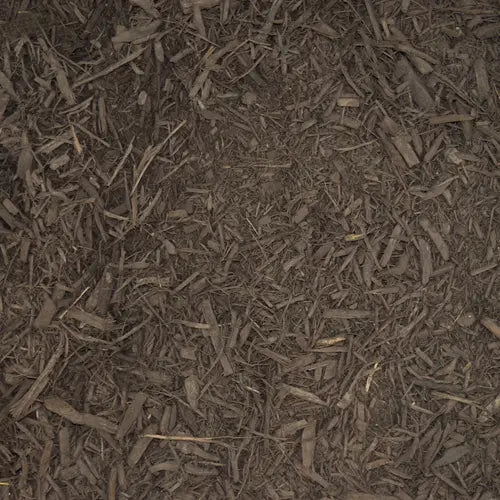
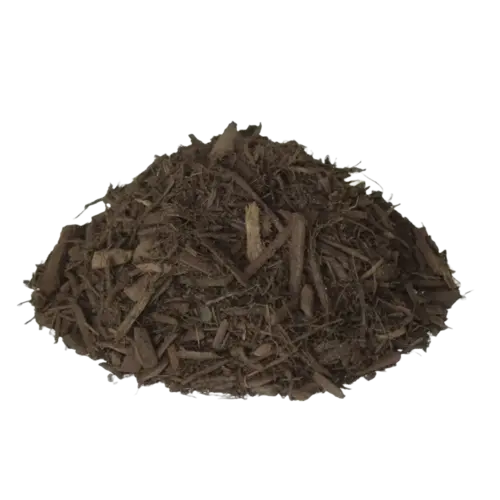
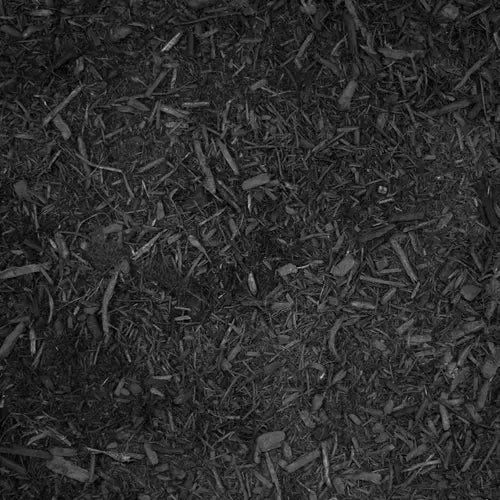
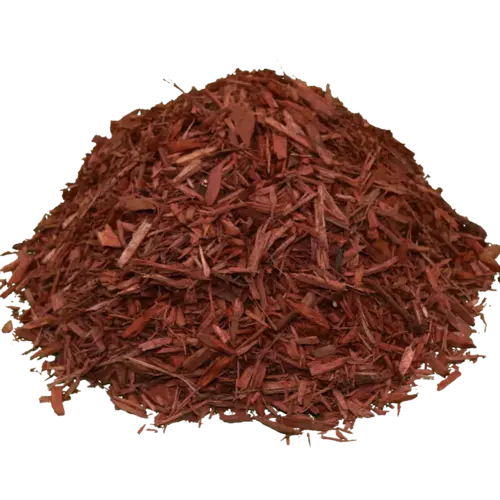
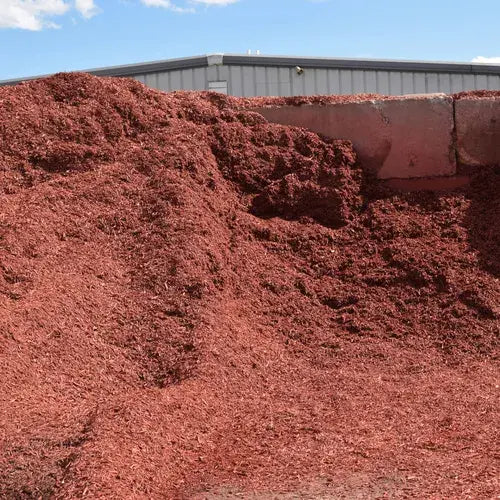
Warm brown double shredded mulch with lasting color that looks freshly applied for weeks. Spreads smooth, stays put, and gives beds a natural, polished appearance.
Mulch Mound made it so easy! So happy with the pricing, turn around time, delivery and product. I submitted my online order on a Thursday. The mulch was delivered to the designated location by a local landscape company at 8:30 a.m. the following Saturday morning. We had the...
Tell us what you're looking for
Thanks! We received your request.
Something went wrong. Please try again.
How Much Material Do I Need?
For most Nashua planting beds, apply 3 inches of mulch over glacial till soil to adequately suppress weeds and retain moisture through summer dry spells. Beds with particularly thin or sandy till may benefit from a 4-inch layer to compensate for faster drainage and quicker moisture loss.
Use our free mulch calculator
What is a yard?
A yard is approximately 27 cubic feet. As a general guideline, one yard of material can cover an area of about 100-160 square feet at a 2-3 inch depth.
We can't take orders for this right now. Tell us what you need and we'll get back to you.
What do you need?
Thanks! We received your request.
Something went wrong. Please try again.
Hand-picked local yards
4,000+ regional deliveries
Dedicated support
Why order through Mulch Mound
The best local mulch, without the guesswork.
We hand-pick and partner with the best yards in your region, keep only the ones our buyers rate well, and back each load with our guarantee.
Mulch Mound Guarantee
If your mulch isn't the quantity or quality you ordered, we'll make it right.
About this mulch
Warm brown double shredded mulch with lasting color that looks freshly applied for weeks. Spreads smooth, stays put, and gives beds a natural, polished appearance.
Mulch Mound made it so easy! So happy with the pricing, turn around time, delivery and product. I submitted my online order on a Thursday. The mulch was delivered to the designated location by a local landscape company at 8:30 a.m. the following Saturday morning. We had the...
How Much Material Do I Need?
For most Nashua planting beds, apply 3 inches of mulch over glacial till soil to adequately suppress weeds and retain moisture through summer dry spells. Beds with particularly thin or sandy till may benefit from a 4-inch layer to compensate for faster drainage and quicker moisture loss.
Use our free mulch calculator
What is a yard?
A yard is approximately 27 cubic feet. As a general guideline, one yard of material can cover an area of about 100-160 square feet at a 2-3 inch depth.
Mulch Mound made it so easy! So happy with the pricing, turn around time, delivery and product. I submitted my online order on a Thursday. The mu...
Read full review
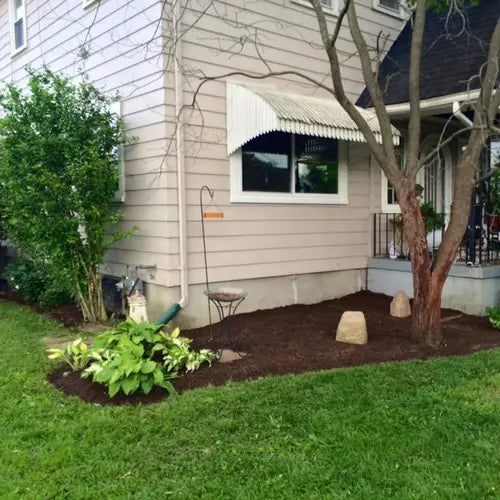
Mulch Mound made it so easy! So happy with the pricing, turn around time, delivery and product. I submitted my online order on a Thursday. The mulch was delivered to the designated location by a local landscape company at 8:30 a.m. the following Saturday morning. We had the job completed by that afternoon. We chose the natural brown mulch, and the plant beds are beautiful.
Good quality, great price, fast delivery. All online - no submitting forms and waiting for days for quotes. Getting mulch should be this easy fr...
Read full review
Good quality, great price, fast delivery. All online - no submitting forms and waiting for days for quotes. Getting mulch should be this easy from everyone. Only Mulch Mound is ACTUALLY this simple.
I highly recommend Mulch Mound. The quality of the mulch is very good. The ordering system on their website makes it very easy. The delivery driver...
Read full review
I highly recommend Mulch Mound. The quality of the mulch is very good. The ordering system on their website makes it very easy. The delivery driver did a great job placing the mulch on the driveway. To finish off, the pricing was very reasonable as well.
To estimate your mulch order, walk each bed and record the length and width in feet, then multiply those numbers to get square footage. Nashua's glacial till soil benefits from a full 3-inch application to adequately buffer moisture and temperature, so be sure to use that depth when calculating your volume needs. Ordering a 5 to 10 percent overage is smart since uneven terrain and curved bed edges in older Nashua neighborhoods consistently add up to more material than a flat calculation suggests.
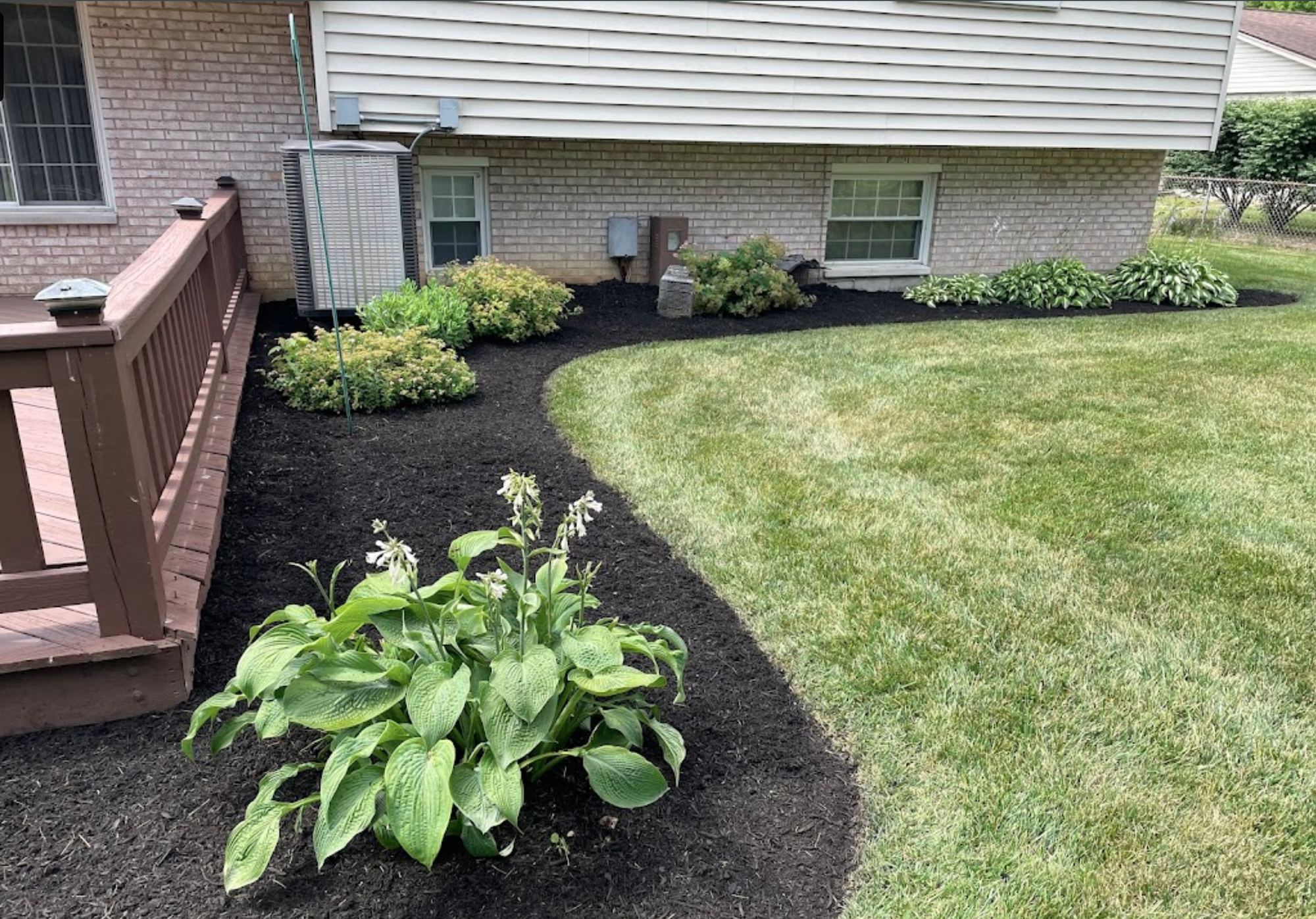
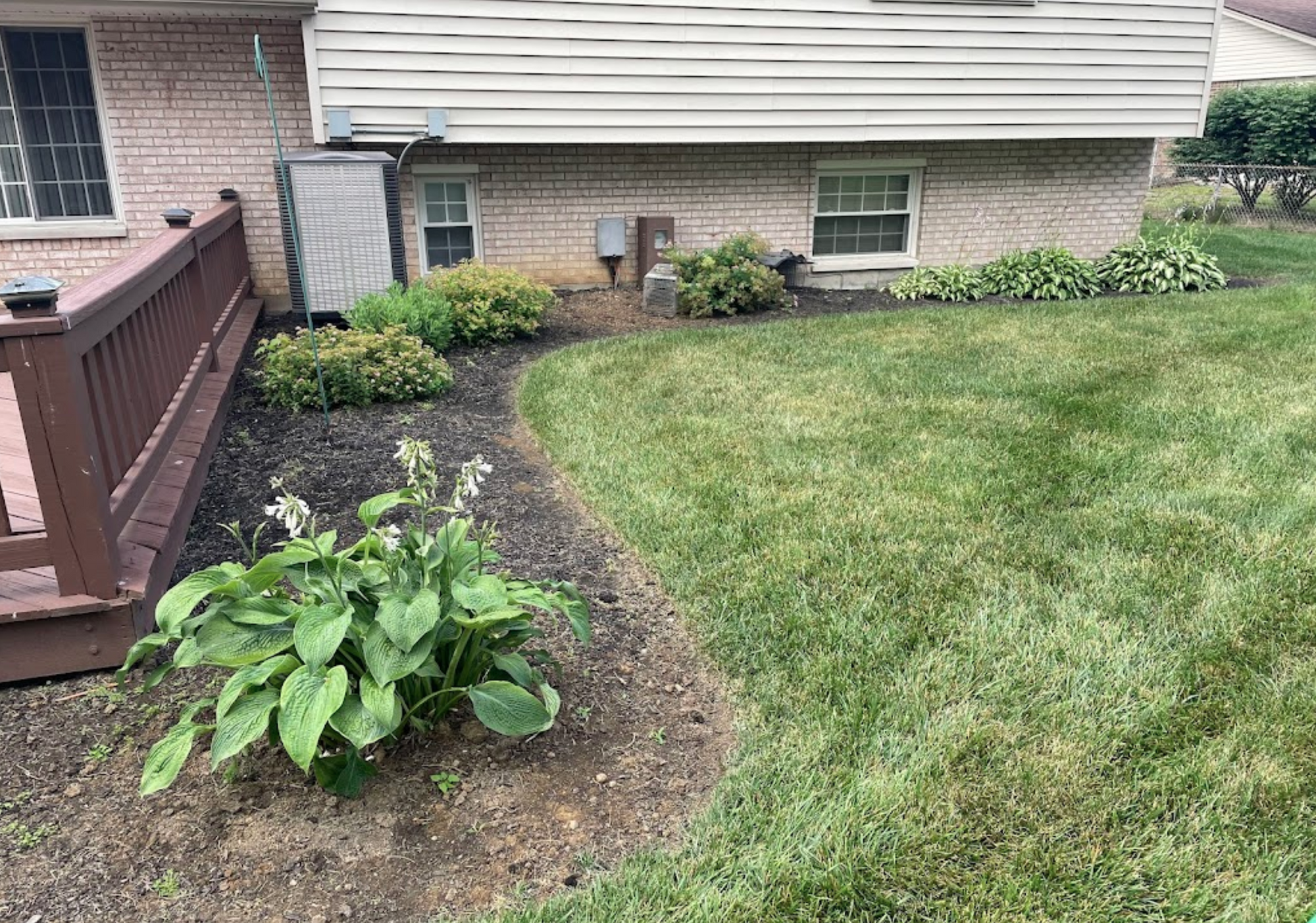
Mulch vs. No Mulch: The Difference
Nashua's combination of 47 inches of annual rainfall and zone 6a temperature swings means mulch breaks down at a moderate but steady pace through the growing season. Natural hardwood mulch typically decomposes within one to two seasons in this climate, feeding organic matter back into the glacial till soil below, while dyed options maintain their color longer through wet weather but contribute less to improving soil structure over time. Choosing between them depends on whether bed aesthetics or long-term soil health is the higher priority for your Nashua landscape.
Before
After
Best Mulch Choice for Nashua Lawns
Most yards in the Nashua area sit on Glacial Till type of soil. Nashua's glacial till soil is naturally dense and low in organic material, which makes it difficult for plant roots to establish deeply and for water to drain evenly through the soil profile during the wet seasons.
Hardwood Mulch
Hardwood mulch applied consistently over Nashua's glacial till breaks down each season and adds a thin but cumulative layer of organic material that gradually loosens soil structure, supports microbial activity, and allows water from Nashua's frequent rains to move more freely through what was once a dense and impenetrable substrate.
Mulch Types We Deliver in Nashua
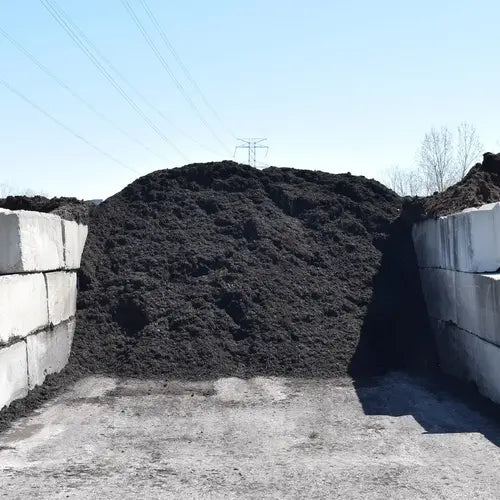
Mulch Mound delivers bulk mulch by the cubic yard straight to your Nashua property, so refreshing your landscape is simple and affordable. If you have been searching for bulk mulch delivery near me, we are your local source. New Hampshire's cold winters and heavy spring rains make a solid mulch layer essential for protecting plant roots and holding soil moisture.
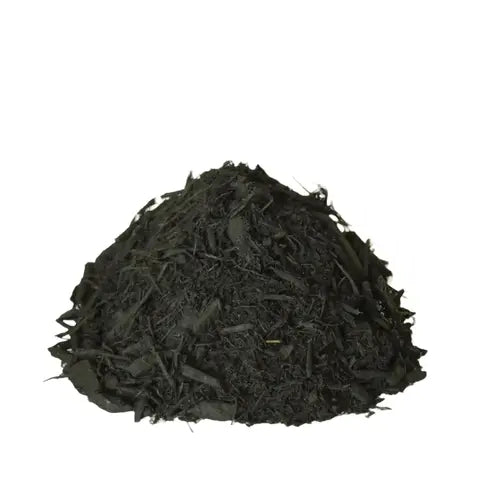
Dyed Black Mulch
Bold and striking, our double shredded dyed black mulch is a top choice for homeowners wanting crisp, modern-looking beds. The rich color holds up through New Hampshire's harsh freeze-thaw cycles and intense summer sun, and the smooth texture spreads effortlessly around foundation plantings and mixed borders.
Dyed Brown Mulch
Warm and natural-looking, our double shredded dyed brown mulch blends beautifully with the traditional colonial and cape-style homes common throughout southern New Hampshire. The color stays fresh-looking for weeks, making it a reliable pick for beds, walkways, and tree rings that need lasting curb appeal.
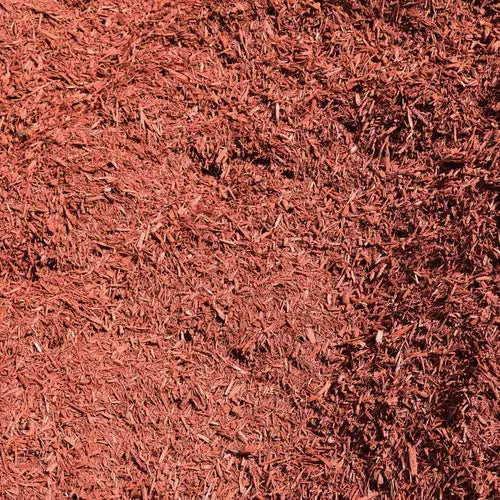
Dyed Red Mulch
Vibrant and eye-catching, our double shredded dyed red mulch makes a bold statement against the deep greens of New Hampshire summers. The intense color holds its tone through rain and heat, making it a popular choice for homeowners who want their landscape to stand out from the street.
Playground Mulch
Our certified standard playground mulch is built for safety on home play areas across the region. It provides reliable cushioning for falls, drains well through New Hampshire's rocky glacial soils, and keeps play surfaces clean and maintained through a full season of outdoor activity.
Complete Your Outdoor Mulch Project
Pair your mulch order with a bulk topsoil delivery to build up thin glacial till beds before covering them, or add crushed stone edging along bed borders to keep mulch contained through Nashua's heavy rainfall events and steep-season runoff.
Nashua's glacial till soil holds moisture unevenly, and piling mulch directly against plant stems in low-lying or shaded areas can trap water and encourage crown rot. Keep mulch pulled back 2 to 3 inches from the base of all shrubs and perennials, especially in north-facing beds on Nashua properties where soil stays damp longer into the spring and provides the exact humid conditions that fungal problems prefer.
Mulch Mound Pro Tip
Zone 6a winters in Nashua can bring hard freezes by mid-November, and newly planted trees and shrubs are especially vulnerable in their first season. Apply a 4-inch ring of mulch around the drip line of new plantings in early October, keeping material well away from the trunk itself, to shield feeder roots from the deep frost penetration that Nashua's coldest January nights can push into the upper soil layers.
Mulch Mound Pro Tip
With Nashua averaging 47 inches of rain per year, mulch on sloped beds tends to migrate downhill during heavy spring and fall storms. Installing a simple stone or metal edging along the lower edge of any raised or graded bed before mulching creates a physical barrier that holds material in place during intense rain events, reduces the amount you need to reapply after storms, and keeps lawn areas cleaner throughout the season.
Frequently Asked Questions
Click a question to see the answer
Answer
How much mulch do I actually need for the beds around my Nashua home?
A good starting point is 3 inches of mulch depth for most planting beds in Nashua. Because glacial till soil compacts easily and sheds water when it dries out between rain events, that depth is necessary to retain meaningful moisture at the root zone. Measure the length and width of each bed in feet, multiply to get square footage, then multiply by your desired depth in inches and divide by 324 to get cubic yards. Ordering a small overage is always wise given the irregular shapes of most Nashua garden beds.
Answer
Does mulch actually help plants survive Nashua winters?
Yes, mulch is one of the most effective tools for protecting plant roots through Nashua's zone 6a winters. Once temperatures drop after the first frost around October 3, a 3 to 4 inch layer insulates soil and slows the freeze and thaw cycles that can heave shallow-rooted plants right out of the ground. The best approach in Nashua is to apply mulch after the ground has cooled in late October but before the hard freezes that typically arrive by mid-November.
Answer
Should I choose natural or dyed mulch for my Nashua yard?
Both options perform well in Nashua, but the choice depends on your priorities. Natural hardwood mulch breaks down faster in Nashua's wet climate, adding organic matter to the glacial till soil below and gradually improving its structure over multiple seasons. Dyed mulch holds its color longer through the 47 inches of annual rainfall and is a practical choice for high-visibility front beds where appearance matters most. If building soil health is the goal, natural hardwood mulch is the better long-term investment for Nashua properties.
Answer
Will mulch help control the weeds taking over my Nashua garden beds?
A 3-inch layer of mulch blocks most weed seeds from reaching the soil surface and limits germination by cutting off sunlight. In Nashua, weed pressure typically surges in May as soil warms following the last frost around May 20. Applying fresh mulch in early May, before that first germination flush, gives you a significant head start on the season. Avoid going thicker than 4 inches, as overly deep mulch can actually prevent Nashua's rainfall from reaching roots in the drier sandy pockets of glacial till.
Answer
How often should I replenish mulch on my Nashua property?
Most Nashua homeowners refresh mulch once per year, typically in spring after the last frost passes around May 20. Nashua's substantial annual rainfall accelerates decomposition compared to drier climates, so natural hardwood mulch may break down within a single full season. A top-dress of 1 to 2 inches each spring is usually enough to restore proper depth and color without building up excessive layers that can suffocate crowns and trap moisture against stems.
Answer
Is there a mulch type that pairs especially well with Nashua's native soil?
Hardwood bark mulch is an excellent match for Nashua's glacial till soil. As it decomposes season after season, it slowly increases the organic content of the dense, compacted till beneath it, improving both drainage and root penetration over time. This cumulative soil improvement is especially valuable in Nashua neighborhoods where the topsoil layer is thin and planting beds sit just a few inches above hard native material.
Answer
When is the best time of year to order and spread mulch in Nashua?
The ideal window in Nashua is mid-May, after the last frost date of May 20 has passed and soil has warmed enough to encourage active plant growth. Spreading mulch just before a warm rain is particularly effective because it helps the mulch settle and locks in soil moisture from the start. A second application in early October, just ahead of the first frost around October 3, gives roots winter insulation heading into the colder months and protects beds from erosion during fall rains.
The Unique Landscape of Nashua
Nashua's glacial till soil is dense, compacted, and naturally low in organic matter, making it a poor environment for shallow-rooted perennials and ornamental shrubs without amendment. A consistent layer of mulch acts as a buffer between plant roots and the hard temperature swings that come with zone 6a winters, where ground frost can penetrate several inches by December. With Nashua receiving roughly 47 inches of rainfall annually, bare soil in planting beds is prone to erosion and nutrient runoff, especially on properties with any grade or slope. Mulch slows incoming water down, allowing it to absorb into the root zone rather than washing into storm drains and carrying away what little topsoil exists above the till. The growing season in Nashua runs from the last frost around May 20 through the first frost near October 3, and mulch helps extend productive growing conditions on both ends of that window by moderating soil temperature. Keeping beds covered year-round is one of the most impactful maintenance decisions a Nashua homeowner can make for the long-term health of their landscape.