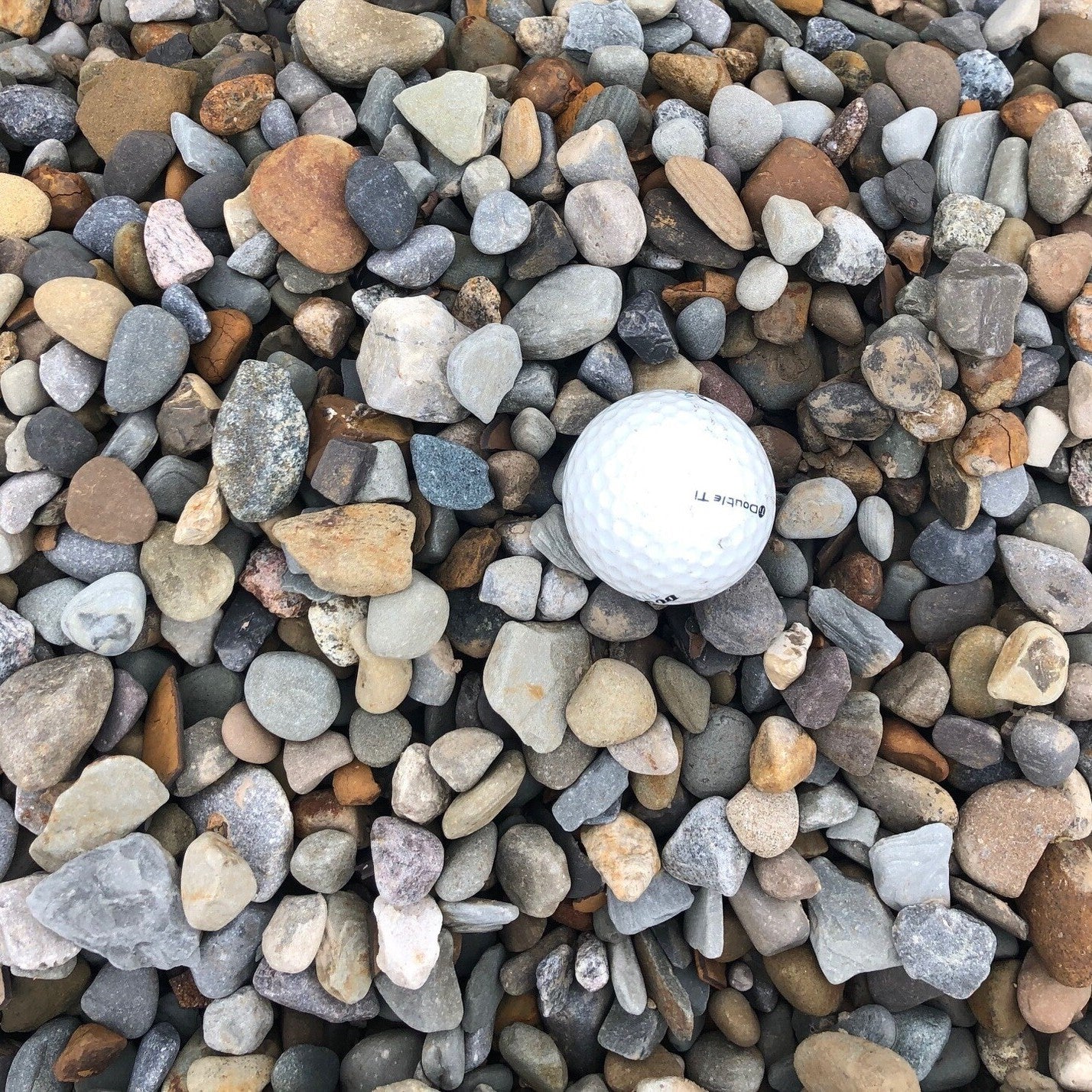
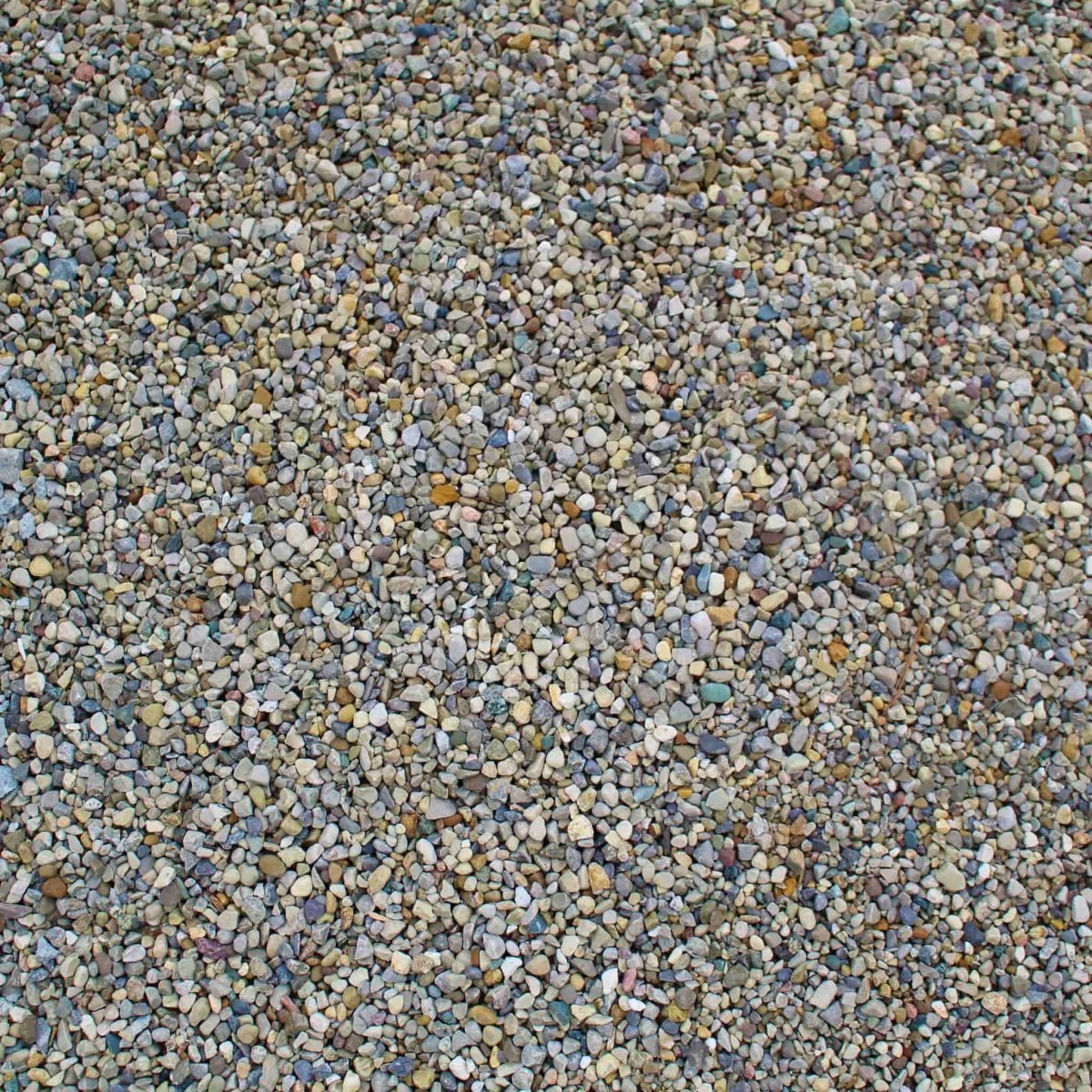
Number 57 crushed stone, angular limestone graded to about three quarters of an inch. The standard driveway, base and drainage gravel, it locks together under traffic and drains fast.
I used Mulch Mound to have 3 cubic yards of garden soil delivered. The process was easy and I love that I didn't have to call anyone. I placed my order online, picked my delivery date, laid out my tarp and the dirt was delivered. My delivery had to be pushed back, but I was ke...
Tell us what you're looking for
Thanks! We received your request.
Something went wrong. Please try again.
How Much Material Do I Need?
A 2-inch application is standard for decorative stone coverage over Nashua's glacial till, while drainage and erosion control work along slopes or foundation perimeters typically requires 3 to 4 inches for meaningful effectiveness. Pathway and driveway surfaces should be installed at 4 to 6 inches of compacted depth to achieve long-term stability through Nashua's frost cycles.
Use our free gravel calculator
What is a yard?
A yard is approximately 27 cubic feet. As a general guideline, one yard of material can cover an area of about 100-160 square feet at a 2-3 inch depth.
We can't take orders for this right now. Tell us what you need and we'll get back to you.
What do you need?
Thanks! We received your request.
Something went wrong. Please try again.
Hand-picked local yards
4,000+ regional deliveries
Dedicated support
Why order through Mulch Mound
The best local stone, without the guesswork.
We hand-pick and partner with the best yards in your region, keep only the ones our buyers rate well, and back each load with our guarantee.
Mulch Mound Guarantee
If your stone isn't the quantity or quality you ordered, we'll make it right.
About this stone
Number 57 crushed stone, angular limestone graded to about three quarters of an inch. The standard driveway, base and drainage gravel, it locks together under traffic and drains fast.
I used Mulch Mound to have 3 cubic yards of garden soil delivered. The process was easy and I love that I didn't have to call anyone. I placed my order online, picked my delivery date, laid out my tarp and the dirt was delivered. My delivery had to be pushed back, but I was ke...
How Much Material Do I Need?
A 2-inch application is standard for decorative stone coverage over Nashua's glacial till, while drainage and erosion control work along slopes or foundation perimeters typically requires 3 to 4 inches for meaningful effectiveness. Pathway and driveway surfaces should be installed at 4 to 6 inches of compacted depth to achieve long-term stability through Nashua's frost cycles.
Use our free gravel calculator
What is a yard?
A yard is approximately 27 cubic feet. As a general guideline, one yard of material can cover an area of about 100-160 square feet at a 2-3 inch depth.
I used Mulch Mound to have 3 cubic yards of garden soil delivered. The process was easy and I love that I didn't have to call anyone. I placed my o...
Read full review
I used Mulch Mound to have 3 cubic yards of garden soil delivered. The process was easy and I love that I didn't have to call anyone. I placed my order online, picked my delivery date, laid out my tarp and the dirt was delivered. My delivery had to be pushed back, but I was kept informed via text, which was great. So why not 5 stars? The description of garden soil on the website is "A balanced mix of topsoil and organic amendments ready for raised beds, flower gardens, and new planting areas. Good drainage, solid nutrients, easy to work with." What I got was more like fill dirt. It had a lot of gravel, a lot of clay, and random trash mixed in. I didn't test the soil to see if it actually had "amendments" because I already have compost and alpaca manure ready to add, but if I'd known the quality of the dirt was going to be the same as the bagged dirt I bought last year, I probably would have gotten 2 yards of top soil and a yard of leaf compost for better quality, especially since the leaf compost is cheaper. Photo of my mountain of dirt and just some of the trash I found in it.
To estimate stone coverage, measure your project area in feet and calculate square footage by multiplying length times width. For most decorative applications in Nashua, plan for a 2-inch depth, which requires roughly 0.62 cubic yards per 100 square feet of coverage. Keep in mind that sloped areas and irregular bed shapes in older Nashua neighborhoods consistently need 10 to 15 percent more material than a flat-surface calculation suggests, so building in that buffer avoids a second delivery.
Stone Types We Deliver in Nashua
Mulch Mound brings bulk stone delivery straight to Nashua driveways, gardens, and job sites, sold by the cubic yard so you get exactly what your project needs. Whether you are searching for bulk gravel by the yard in Nashua or simply want a reliable local supplier, we make the ordering process simple and the delivery fast. New Hampshire winters are hard on landscapes, and the right stone can protect your soil, improve drainage, and keep your outdoor spaces looking clean season after season.
Pea Gravel
Pea gravel is one of the most popular bulk stone choices for Nashua homeowners, thanks to its smooth, rounded texture and warm earth tones that complement the natural wooded surroundings common across this part of New Hampshire. It works beautifully for garden pathways, patio borders, and drainage solutions around foundations where clay-heavy soil tends to hold moisture.
Complete Your Outdoor Stone Project
Pair your stone order with bulk mulch for a layered border design that stays defined through Nashua's heavy rains, or combine stone with a topsoil delivery for projects that need both drainage improvement and new planting areas established in the same space.
In Nashua, the glacial till beneath pathways and patio areas can shift subtly during harsh winters, causing stone surfaces to become uneven over time. Before placing any decorative stone, install a 4-inch compacted base of crushed gravel to create a stable, frost-resistant foundation. This single preparation step prevents the sunken spots and uneven surfaces that commonly develop in Nashua yards where stone is placed directly on native till without a proper base.
Mulch Mound Pro Tip
Nashua homeowners dealing with water pooling along the foundation after heavy rain can use crushed stone to create a simple perimeter drainage solution without a full excavation project. Dig a shallow trench sloping away from the foundation at a minimum 2 percent grade, fill with 6 to 8 inches of crushed stone, and top with a layer of smaller decorative gravel. This channels water from Nashua's frequent rain events away from your home's foundation before it has a chance to work its way into the basement.
Mulch Mound Pro Tip
Weed pressure under stone in Nashua can be significant if installation skips the fabric barrier step, particularly in beds that previously held organic mulch or had bare soil exposed through a full growing season. Always install a quality permeable landscape fabric before placing stone in any Nashua bed or pathway. This step blocks weed germination at the soil surface while still allowing Nashua's rainfall to drain freely through the stone layer and into the glacial till below.
The Unique Landscape of Nashua
Stone is one of the most durable and cost-effective materials a Nashua homeowner can invest in, particularly given the drainage challenges posed by glacial till soil and the wear imposed by the region's freeze and thaw cycle. Compacted till beneath Nashua properties makes water management a persistent issue in low-lying spots, and crushed stone beds or dry stream channels can redirect runoff away from foundations and walkways before it causes erosion or basement moisture problems. Nashua's zone 6a winters also mean that organic ground covers shift and decompose over time, while stone stays in place through repeated freezing and thawing without needing annual replacement. Decorative stone in pathways and border areas reduces the maintenance burden that comes with Nashua's 47 inches of annual rainfall, eliminating muddy transitions and stabilizing edges around lawn areas and driveways. From erosion control on sloped lots to low-maintenance bed coverage in shaded areas, stone offers lasting solutions that work with Nashua's climate rather than against it. Once properly installed, a quality stone application can function effectively for a decade or more with minimal upkeep.
Frequently Asked Questions
Click a question to see the answer
Answer
What type of stone works best for walkways around a Nashua home?
Crushed stone, particularly 3/4-inch crushed gravel, is one of the most popular choices for residential pathways in Nashua. It compacts into a stable surface that handles regular foot traffic and holds up through zone 6a freeze and thaw cycles without shifting the way loose round stone can. For a more decorative look, pea gravel or river stone works nicely in low-traffic areas and garden borders. Always pair stone pathways with solid edging to keep material contained during Nashua's heavy spring and fall rains.
Answer
Can stone help with the drainage problems in my Nashua yard?
Yes, stone is highly effective for improving drainage on Nashua properties where glacial till beneath the surface limits how quickly water can move through the soil profile. Installing a French drain trench filled with crushed stone, or creating a dry stream bed across a sloped section, allows water from Nashua's 47 inches of annual rainfall to flow away from problem areas rather than pooling near foundations or walkways. Stone allows water to pass through freely while stabilizing the soil surface around and above it.
Answer
Will stone shift or heave during Nashua winters?
Properly installed stone is one of the most stable landscape materials through Nashua's zone 6a winter cycles. Unlike organic materials, stone does not expand or contract significantly with temperature change and holds its position well through repeated freezing and thawing. The key in Nashua is using a compacted gravel base layer beneath decorative stone applications so that any frost heaving in the glacial till below does not create uneven spots or migration over time.
Answer
How much stone do I need to cover a garden bed in Nashua?
A 2-inch depth of decorative stone is standard for covering garden beds in Nashua, providing a clean, weed-resistant surface while still allowing rainfall to reach the soil below. Measure the length and width of your bed in feet, multiply for square footage, then multiply by 0.167 to convert 2 inches to feet and divide by 27 to get cubic yards. Adding a permeable weed barrier fabric beneath the stone before installation significantly limits maintenance in Nashua's wet climate where weed seeds germinate readily through the season.
Answer
Is stone a good alternative to mulch in Nashua?
Stone is an excellent low-maintenance alternative to mulch in specific Nashua applications, especially in foundation beds, along driveways, and in areas that are difficult to access for annual replenishment. Unlike mulch, stone does not break down or require seasonal replacement, which is a genuine advantage given the rate at which Nashua's rainfall accelerates organic material decomposition. However, stone does not contribute organic matter to glacial till soil, so for active planting beds where soil health matters, mulch remains the better long-term choice.
Answer
Can I use stone to prevent erosion on a sloped section of my Nashua property?
Stone is one of the most reliable erosion control tools available for sloped Nashua properties where glacial till erodes quickly during heavy rain events. Larger rip rap or fieldstone placed along the base of a slope or swale stabilizes the soil surface and absorbs the energy of flowing water before it can carve channels. A layer of crushed stone across a bare slope, anchored behind timber or stone edging, significantly reduces the soil movement that Nashua's spring runoff and summer thunderstorms commonly cause on unprotected grades.
Answer
What stone size should I use for a driveway apron or parking pad in Nashua?
For driveways and parking areas in Nashua, 3/4-inch crushed gravel is the standard recommendation because it compacts tightly under vehicle weight and remains stable through the freeze and thaw cycles common in zone 6a winters. Apply at least 4 to 6 inches of compacted depth for a surface that holds up to regular use without developing ruts or soft spots. A base layer of larger crushed stone beneath the finish gravel improves drainage through the glacial till below and reduces the soft areas that develop in wet spring conditions.
Answer
What is stone dust used for?
Stone dust, or screenings, is the fine crushed stone left after screening, used as a setting bed under pavers and flagstone or as a compactable path surface. It packs firm but sheds water rather than draining it, which matters little given Nashua's glacial till soils. For projects needing real drainage around foundations or walkways, our Crushed Stone #57 is the better choice.
Answer
Is there a stone yard near Nashua?
Sending runoff away from a Nashua foundation with a crushed stone bed usually means hauling material yourself from a stone yard, or skipping the trip and having it delivered to the spot where the bed will go. Mulch Mound brings crushed stone by the cubic yard, ordered online, with no quarry run or loading on your end. It is a simple way to handle drainage in low, till heavy ground.