




Great service. We ordered topsoil from Mulch Mound and the best experience. Thank you so much!
About this soil
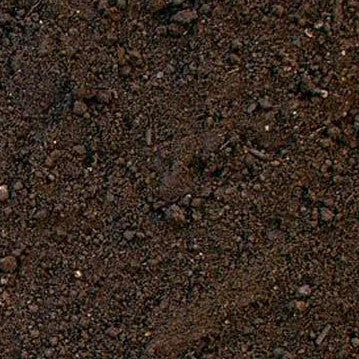
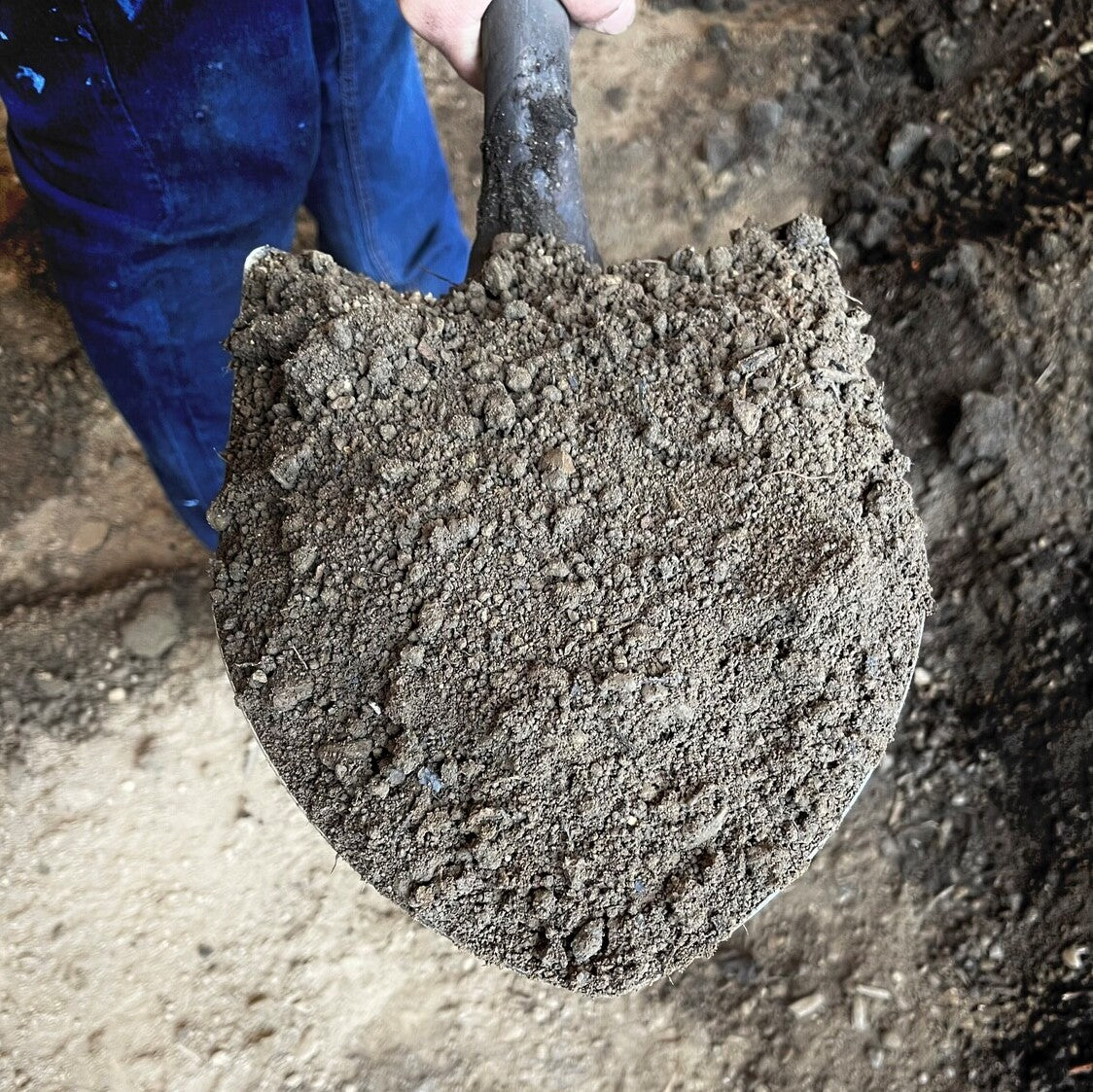
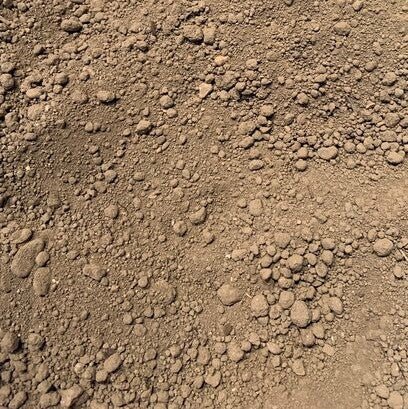
Quality topsoil for lawns, gardens, and landscape projects. Nutrient rich and ready to support strong root development and healthy plant establishment.
Great service. We ordered topsoil from Mulch Mound and the best experience. Thank you so much!
Tell us what you're looking for
Thanks! We received your request.
Something went wrong. Please try again.
How Much Material Do I Need?
How Much Material Do I Need?
For new garden beds over Nashua's glacial till, plan for at least 6 to 8 inches of topsoil to create a productive root zone above the compacted native material. Lawn leveling and topdressing projects typically need just 0.5 to 1 inch of material applied gradually to avoid smothering existing grass crowns.
Use our free soil calculator
What is a yard?
What is a yard?
FAQs
FAQs
Nashua Soil Delivery
Nashua Soil Delivery
Regular price
$74.00
per
yard
Regular price
Sale price
$74.00
Unit price
per
Shipping calculated at checkout.
Minimum of 3 yard
Couldn't load pickup availability
Hand-picked local yards
4,000+ regional deliveries
Dedicated support
Why order through Mulch Mound
The best local soil, without the guesswork.
We hand-pick and partner with the best yards in your region, keep only the ones our buyers rate well, and back each load with our guarantee.
Mulch Mound Guarantee
If your soil isn't the quantity or quality you ordered, we'll make it right.
About this soil
Quality topsoil for lawns, gardens, and landscape projects. Nutrient rich and ready to support strong root development and healthy plant establishment.
Great service. We ordered topsoil from Mulch Mound and the best experience. Thank you so much!
How Much Material Do I Need?
How Much Material Do I Need?
For new garden beds over Nashua's glacial till, plan for at least 6 to 8 inches of topsoil to create a productive root zone above the compacted native material. Lawn leveling and topdressing projects typically need just 0.5 to 1 inch of material applied gradually to avoid smothering existing grass crowns.
Use our free soil calculator
What is a yard?
What is a yard?
FAQs
FAQs
Tell us what you're looking for
Thanks! We received your request.
Something went wrong. Please try again.
How It Works
Getting started is easy — just follow these simple steps
1
Choose your soil
Make sure you adjust the quantity to your home's needs. You can use our calculator to estimate how much you'll need.
2
Select your delivery date
Select a delivery date you'd like for the product to be dropped off at your home
3
Sit back and wait
Sit back, wait, and let us work our magic to make sure the highest quality product is delivered to your driveway.

Placing an order online was so easy. Delivery was on time. When the driver realized we had a newly poured driveway they erred on the side of cautio...
Read full review
Placing an order online was so easy. Delivery was on time. When the driver realized we had a newly poured driveway they erred on the side of caution and opted not ti drive in it. The company even sent me a message explaining that call. Would recommend!

Online ordering was really simple and I liked the transparent pricing.
Need Help Calculating How Much Soil You Need?
Use our NEW Trace from Satellite tool to get an estimate for your project based on an aerial view of your property
Try Our CalculatorMeasure each area you plan to fill or cover in feet, calculating length times width to get square footage, then multiply by your intended depth in feet to arrive at cubic feet. For Nashua projects where you are topping glacial till, even a modest 4-inch application adds up quickly across a large bed or lawn area. Divide total cubic feet by 27 to convert to cubic yards, and plan to round up slightly since freshly placed soil settles by 10 to 15 percent as it compresses under its own weight.
Soil Types We Deliver in Nashua
Southern New Hampshire's glacially deposited soils can run sandy and thin, making quality bulk soil delivery a practical necessity for homeowners and landscapers who want lasting results. Whether you are searching for bulk topsoil by the yard in Nashua or need rich compost to rebuild tired garden beds, we deliver by the cubic yard straight to your property. Every load is measured and ready to put to work the same day it arrives.
Screened Top Soil
Our screened topsoil is the most versatile option for lawns, grading, and new landscape installs in the region. It arrives finely processed to remove the rocks and debris typical of New Hampshire glacial soils, leaving a nutrient-rich base that supports strong root development and healthy plant establishment from the first season.
Garden Compost
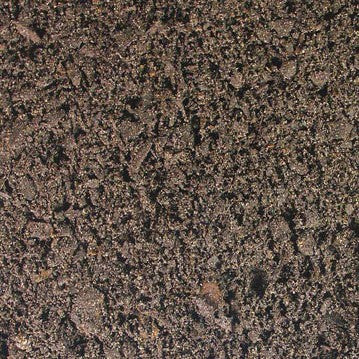
This finished compost is loaded with organic matter and makes a real difference in local garden beds where native soils often run lean and compacted. Work it into planting areas to boost nutrients, improve water retention through dry summer stretches, and build the loose, crumbly texture that vegetables and perennials thrive in.
Gardening Blend
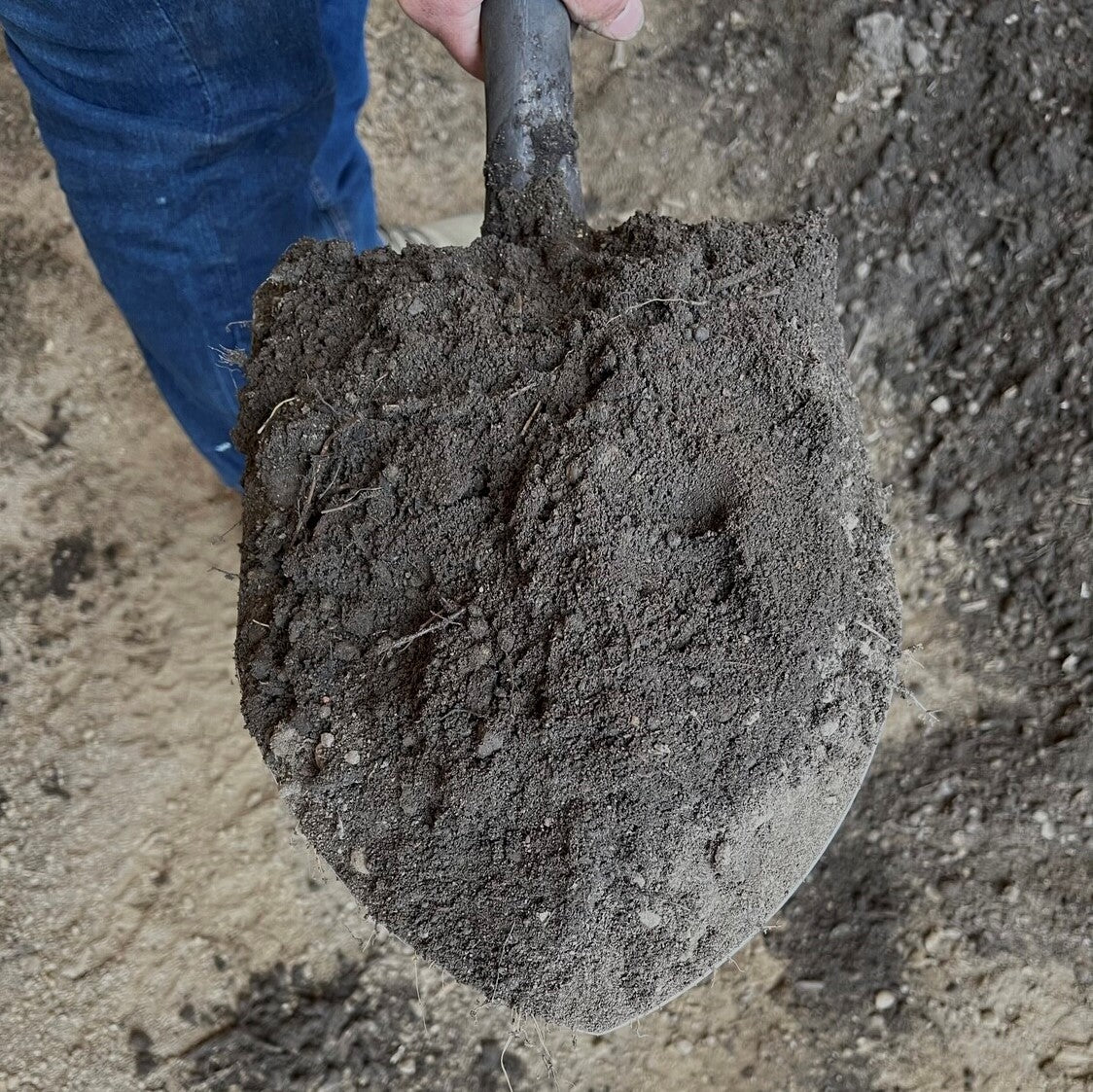
A balanced mix of topsoil and organic amendments, this blend is ready for raised beds, flower gardens, and new planting areas common in New Hampshire yards. It drains well through wet spring seasons, holds nutrients reliably into summer, and is easy to spread and plant into right away.
Complete Your Outdoor Soil Project
Combine your soil order with bulk mulch to protect new beds from Nashua's rainfall-driven erosion and keep moisture from evaporating through the growing season, or add crushed stone to improve drainage in low-lying areas before placing topsoil over compacted glacial till.


Service area
Areas we deliver soil in Nashua, New Hampshire
Mulch Mound Pro Tip
Nashua's glacial till tends to seal over time, causing water to run off rather than soak in. Before spreading new topsoil over an existing lawn or bed, use a core aerator and make two passes to break up that surface compaction. This creates open channels that allow your new soil to bond with the native layer below and dramatically improves how deeply roots can penetrate into the added material over the growing season.
Mulch Mound Pro Tip
If you are prepping a new vegetable garden in Nashua, time your soil delivery to arrive a week or two before your planting date after the last frost around May 20. This window gives soil time to settle, allows you to work in compost or other amendments, and lets you observe drainage after a rain event before committing transplants or direct-sown seeds. Moving from delivery to planting on the same day often means working with soil that is still too loose and uneven to produce consistent results.
Mulch Mound Pro Tip
Nashua's 47 inches of annual rainfall means that freshly placed topsoil in open beds will erode and compact quickly without some form of surface protection. After spreading new soil in raised beds or garden areas, cover it immediately with a 2-inch layer of mulch or seed with a fast-germinating cover crop like winter rye to hold the surface in place. Protecting new soil from the start prevents the washout that commonly happens during Nashua's heavy spring and fall rain events.
The Unique Landscape of Nashua
Nashua's native glacial till soil presents a real challenge for homeowners trying to establish healthy lawns, productive vegetable gardens, or thriving perennial beds from the ground up. This dense, rocky substrate was deposited by retreating glaciers and carries low organic content, inconsistent drainage, and a texture that varies from sandy pockets to tight clay lenses depending on where you dig on a Nashua lot. Grading and leveling projects across the city regularly reveal just how thin the workable topsoil layer is, sometimes only a few inches before hitting compacted till that roots cannot penetrate effectively. Bringing in quality bulk soil gives you the ability to correct elevation, fill low spots that collect snowmelt, and build up planting areas that give roots the environment they actually need to thrive. With the growing season in Nashua running from the last frost around May 20 to the first frost near October 3, maximizing what that window produces starts with giving plants a strong foundation. Investing in good bulk soil is often the single most impactful upgrade a Nashua homeowner can make to their outdoor space.