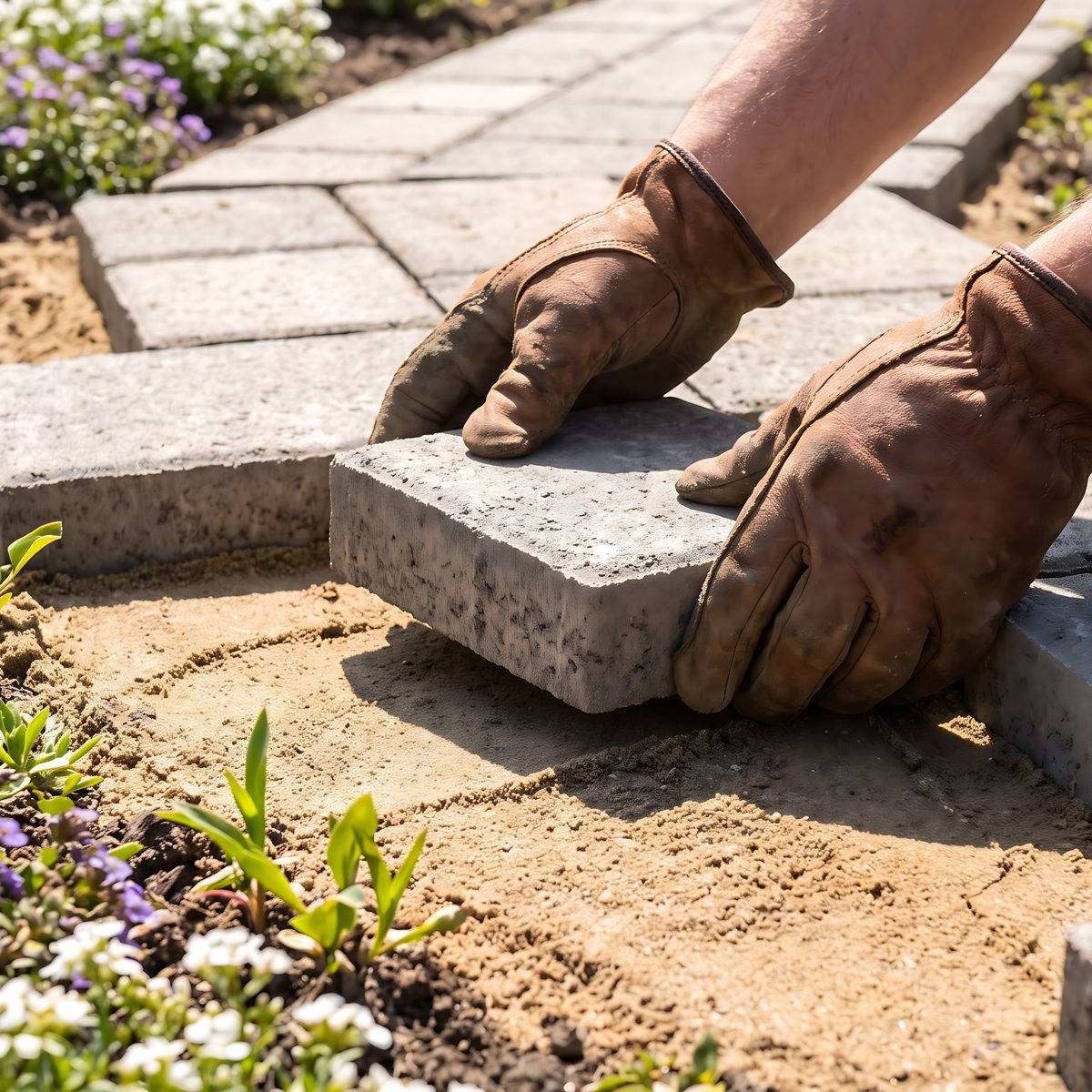
About this sand

Washed and finely screened masonry sand for mortar, paver joints, and pool bases. Consistent grain, ready to screed.

Really appreciate the care and follow thru that this company had with our order. A hiccup came up but they were quick to respond and address all concerns, which made our garden day a success! Thank you for your prompt care.

One cubic yard of mason sand covers about 324 square feet at a 1 inch depth, and most mortar or paver joint work only calls for that thin a layer, sometimes up to 2 inches for a heavier bed. For a typical pool deck joint job or a mason mixing station on a block build, figure your square footage first, then decide if you need the full 2 inches or just a dusting for joints.

A yard is approximately 27 cubic feet. As a general guideline, one yard of material can cover an area of about 100-160 square feet at a 2-3 inch depth.

Navarre Sand Delivery

Navarre Sand Delivery

4.7
137 reviews
Regular price $74.00 per Yard
Regular price Sale price $74.00
Sale Sold out
Shipping calculated at checkout.
Type
Size
Minimum of 3 Yard
Hand-picked local yards
4,000+ regional deliveries
Dedicated support
Why order through Mulch Mound

The best local sand, without the guesswork.

We hand-pick and partner with the best yards in your region, keep only the ones our buyers rate well, and back each load with our guarantee.

Mulch Mound Guarantee

If your sand isn't the quantity or quality you ordered, we'll make it right.

About this sand

Washed and finely screened masonry sand for mortar, paver joints, and pool bases. Consistent grain, ready to screed.

Really appreciate the care and follow thru that this company had with our order. A hiccup came up but they were quick to respond and address all concerns, which made our garden day a success! Thank you for your prompt care.

One cubic yard of mason sand covers about 324 square feet at a 1 inch depth, and most mortar or paver joint work only calls for that thin a layer, sometimes up to 2 inches for a heavier bed. For a typical pool deck joint job or a mason mixing station on a block build, figure your square footage first, then decide if you need the full 2 inches or just a dusting for joints.

A yard is approximately 27 cubic feet. As a general guideline, one yard of material can cover an area of about 100-160 square feet at a 2-3 inch depth.

View full details

How It Works

Getting started is easy — just follow these simple steps

1

Choose your quantity

Adjust the quantity to match your project. One cubic yard covers about 100 to 160 square feet at a 2 to 3 inch depth.

2

Select your delivery date

Select a delivery date you'd like for the product to be dropped off at your home

3

Sit back and wait

Sit back, wait, and let us work our magic to make sure the highest quality product is delivered to your driveway.

From The Mouths of Navarre Folks

4.7
out of 5 based on 137 reviews
Google Reviews

Complete Your Outdoor Project

Mason sand pairs naturally with paver base stone or crushed limestone for the structural layer underneath, since the sand itself is not meant to carry load. Masons often order it alongside portland cement and lime for mixing on site. If you are doing a pool deck near the beach, some crews are now pairing it with chip stone jointing material instead of jointing sand, for better wash out resistance.

Mulch Mound Pro Tip

In Navarre's sandy soil and salt air, mortar mixed with mason sand can set a little differently in high humidity summer months. Mix in smaller batches when working outdoors in July or August so it does not stiffen before you can use it. Keep the sand covered and dry before mixing, since Gulf humidity alone can add unwanted moisture to your mix ratio and throw off workability.

Mulch Mound Pro Tip

A common mistake with mason sand is using it for paver joints and expecting it to stay put through a Gulf Coast summer. Heavy afternoon thunderstorms common from June through September wash finer sand out of joints over a season or two. If you want joints that last, ask about chip stone as a jointing alternative, it interlocks instead of washing.

Mulch Mound Pro Tip

If your project needs both mortar sand and paver base material, order them as separate cubic yard quantities rather than guessing one blended pile, since mason sand and base stone serve different jobs and mixing them undermines both. Pairing a mason sand delivery with a base stone delivery on the same day saves a second trip charge and keeps your crew moving without waiting on material.

Working With Sand in Navarre

Navarre already sits on sandy native soil, so this material is not fighting drainage the way it might in clay country further inland. What it does need to fight is humidity and salt air off the Gulf, which is exactly why mason sand stays the standard for mortar mixes on block homes here. For paver joints, a lot of crews near the pier are shifting to chip stone instead, since polymeric jointing sand and even fine mason sand can wash out in heavy summer downpours and get pumped up by ant activity in loose sandy ground.

Masonry vs Fill Sand

Masonry sand is washed and finely screened, the right choice for mortar work, paver joints, and sandboxes. Fill sand is coarser and less processed, better suited to leveling, bedding pipe, and filling low spots.

Bedding and Leveling

For pavers, screed a 1 inch sand bed over a compacted base rather than using sand to fix deep grade problems. A thin, even bed locks pavers in place. A thick one shifts underfoot.

Working With Moisture

Slightly damp sand spreads, screeds, and compacts far more easily than bone dry sand, which just flows back into your screed lines. Lightly wetting the pile before you work it saves real effort.

Frequently Asked Questions

Click a question to see the answer

Answer

Is this the same as the sand you'd use under pavers near Navarre Beach Pier?

Not exactly. Mason sand is fine and uniform, good for mortar and for filling paver joints, but it is not meant to be the structural bedding layer under pavers. For the base under pavers, especially in loose Gulf Coast sandy soil, a crushed stone base is the better call, with mason sand reserved for the joints on top.

Answer

How many cubic yards do I need for a pool deck joint job?

Measure your paver square footage, one cubic yard of mason sand covers about 324 square feet at a 1 inch depth. Joint filling usually needs much less than a full inch across the whole deck, so most residential pool deck jobs in Navarre only need a fraction of a yard, but we deliver by the full or half yard.

Answer

What is the best time of year to schedule a mortar or hardscape project here?

Spring through fall is peak hardscape season in Navarre, but summer afternoon storms are frequent, so morning work and quick mixing batches help avoid rain interruptions. With frost rare and mild through the winter down to first frost around December 5, cooler months from late fall into February also work well for pool deck and paver projects.

Answer

Where will the sand be dropped on delivery day?

Delivery is scheduled at checkout, and the load gets dumped at a flat, accessible spot you choose, usually a driveway or curbside area near your work zone. Let us know if your access is tight or if you need it placed close to a pool area, and have the spot cleared before the truck arrives.

Answer

Should I use mason sand or chip stone for my paver joints?

Mason sand has long been the standard for paver joints, but in Navarre's sandy, storm prone conditions many crews are switching to chip stone because it locks together and does not wash out or pump up over time. If you want the traditional look and are comfortable with occasional joint refill, mason sand still works fine.

More delivery around Navarre, Florida

All Navarre, Florida landscape supply