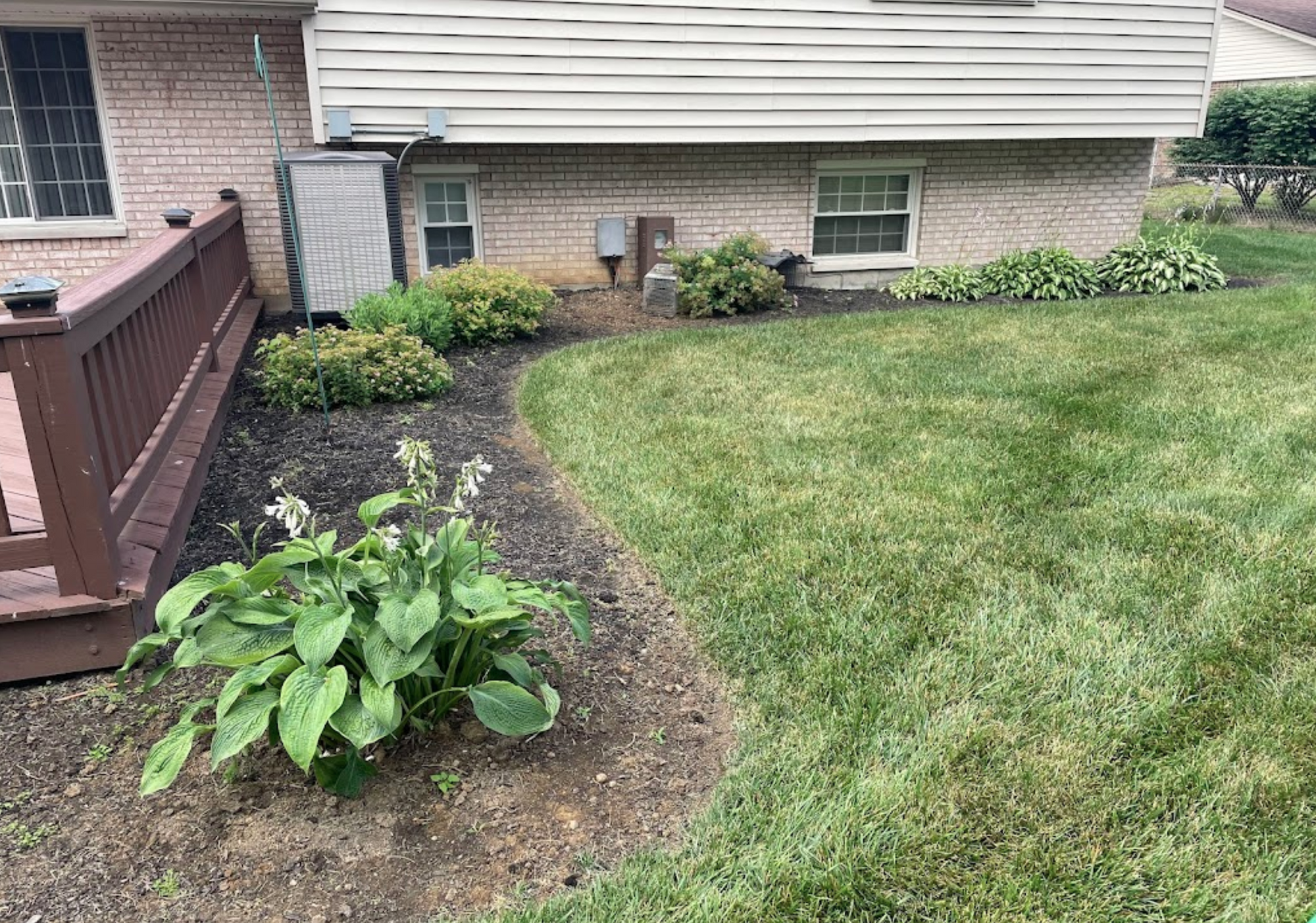
Mulch Mound made it so easy! So happy with the pricing, turn around time, delivery and product. I submitted my online order on a Thursday. The mulch was delivered to the designated location by a local landscape company at 8:30 a.m. the following Saturday morning. We had the...
Tell us what you're looking for
Thanks! We received your request.
Something went wrong. Please try again.
How Much Material Do I Need?
For most ornamental beds in New Berlin, 3 inches of mulch is the target depth — sufficient to suppress weeds and moderate the soil temperature swings typical of Zone 5b without overwhelming the silt loam's natural drainage capacity. Tree rings benefit from the same depth, but keep material pulled well back from the root flare to prevent moisture accumulation against the bark.
Use our free mulch calculator
What is a yard?
A yard is approximately 27 cubic feet. As a general guideline, one yard of material can cover an area of about 100-160 square feet at a 2-3 inch depth.
Mulch Mound made it so easy! So happy with the pricing, turn around time, delivery and product. I submitted my online order on a Thursday. The mulch was delivered to the designated location by a local landscape company at 8:30 a.m. the following Saturday morning. We had the...
How Much Material Do I Need?
For most ornamental beds in New Berlin, 3 inches of mulch is the target depth — sufficient to suppress weeds and moderate the soil temperature swings typical of Zone 5b without overwhelming the silt loam's natural drainage capacity. Tree rings benefit from the same depth, but keep material pulled well back from the root flare to prevent moisture accumulation against the bark.
Use our free mulch calculator
What is a yard?
A yard is approximately 27 cubic feet. As a general guideline, one yard of material can cover an area of about 100-160 square feet at a 2-3 inch depth.
Mulch Mound made it so easy! So happy with the pricing, turn around time, delivery and product. I submitted my online order on a Thursday. The mu...
Read full review
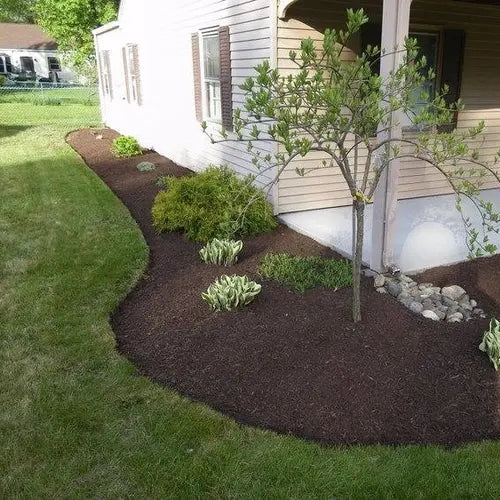
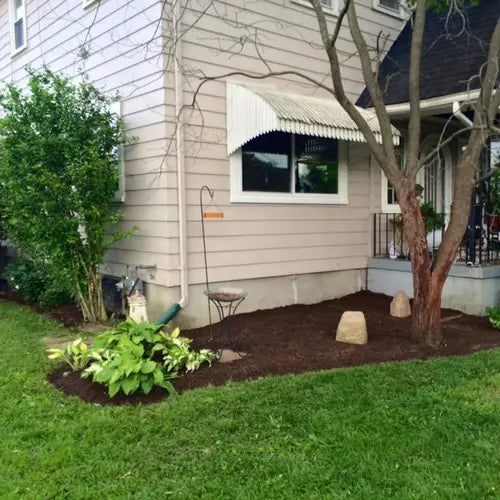
Mulch Mound made it so easy! So happy with the pricing, turn around time, delivery and product. I submitted my online order on a Thursday. The mulch was delivered to the designated location by a local landscape company at 8:30 a.m. the following Saturday morning. We had the job completed by that afternoon. We chose the natural brown mulch, and the plant beds are beautiful.
Good quality, great price, fast delivery. All online - no submitting forms and waiting for days for quotes. Getting mulch should be this easy fr...
Read full review
Good quality, great price, fast delivery. All online - no submitting forms and waiting for days for quotes. Getting mulch should be this easy from everyone. Only Mulch Mound is ACTUALLY this simple.
I highly recommend Mulch Mound. The quality of the mulch is very good. The ordering system on their website makes it very easy. The delivery driver...
Read full review
I highly recommend Mulch Mound. The quality of the mulch is very good. The ordering system on their website makes it very easy. The delivery driver did a great job placing the mulch on the driveway. To finish off, the pricing was very reasonable as well.
To estimate how much mulch you need, measure the length and width of each bed in feet, multiply to get square footage, then use the formula: square footage multiplied by desired depth in inches, divided by 324, equals cubic yards. In New Berlin, targeting a full 3 inches accounts for the settling and compaction that silt loam's surface-crusting behavior and seasonal freeze-thaw cycles cause over a single growing season. It's always smart to add 10 percent to your total as a buffer — running short mid-project is frustrating, and extra bulk mulch stores fine on a tarp.
Mulch vs. No Mulch: The Difference
New Berlin's Zone 5b climate brings hot, UV-heavy summers followed by harsh winters with repeated freeze-thaw cycles — conditions that accelerate the fading of dyed mulches and the breakdown of natural wood fiber alike. Natural hardwood mulch decomposes relatively quickly in New Berlin's warm, moist growing season, feeding beneficial soil microbes and improving the silt loam's structure, but requiring annual replenishment to maintain effective depth. Dyed mulches use colorfast pigments that hold up better through the area's 35 inches of annual rainfall and intense summer sun, making them a popular choice for front-yard beds where appearance through the full growing season matters most.
Before
After
Best Mulch Choice for New Berlin Lawns
Most yards in the New Berlin area sit on Silt Loam type of soil. New Berlin's silt loam soil has a tendency to crust at the surface after heavy rain events, forming a barrier that slows water infiltration and leaves planting beds cycling between waterlogged and surprisingly dry within just a few days. This unpredictable moisture pattern stresses plant roots and creates ideal conditions for opportunistic weeds to establish in any unprotected areas.
Hardwood Mulch
Shredded hardwood mulch is particularly well-matched to New Berlin's silt loam because as it decomposes it contributes humus-forming organic matter directly into the soil profile, gradually improving the aggregation and drainage of a soil type that otherwise tends toward compaction and surface crusting over time. The fibrous texture of shredded hardwood also locks together on the surface, resisting displacement from New Berlin's rain events far better than chipped or nugget-style mulch products.
Mulch Types We Deliver in New Berlin
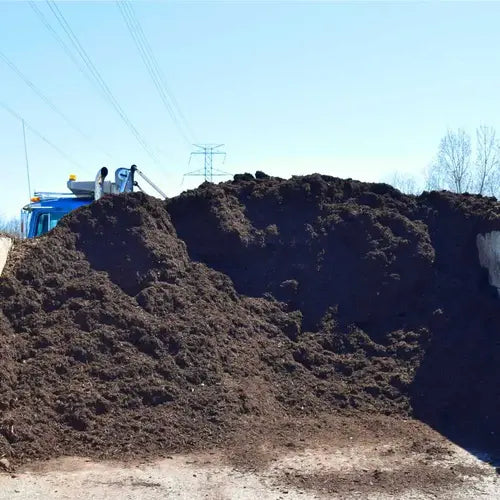
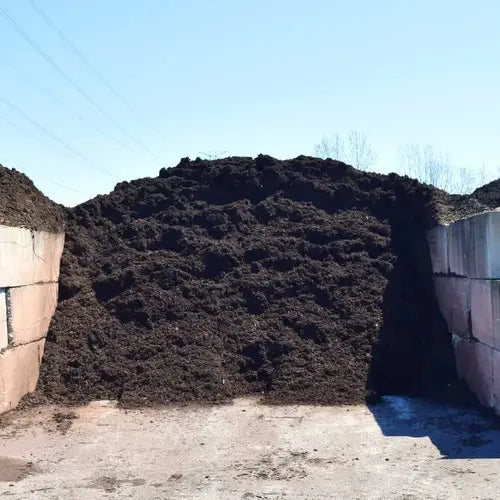
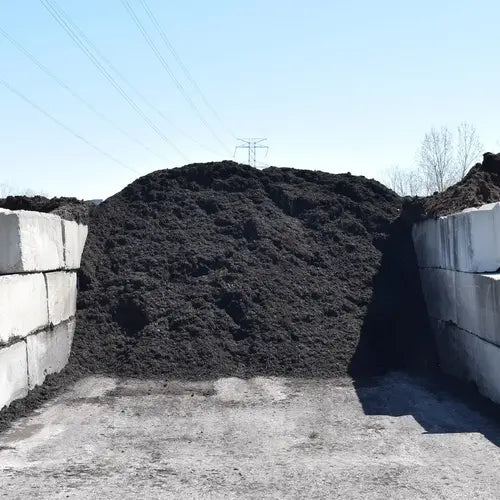
Mulch Mound handles bulk mulch delivery in New Berlin by the cubic yard, bringing material directly to your property so you can skip the store runs and bag hauling. Our service is built for homeowners and landscapers working on everything from small garden refreshes to full yard overhauls across this part of Wisconsin.
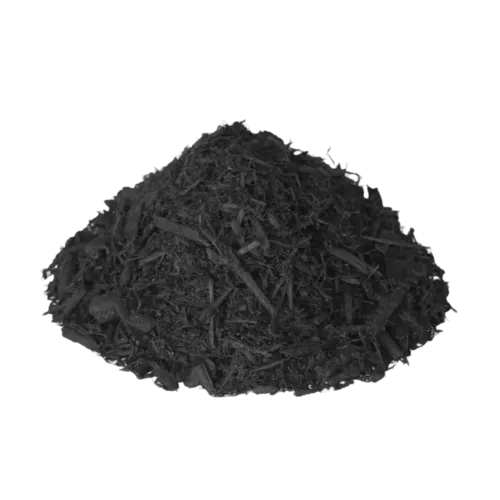
Dyed Black Mulch
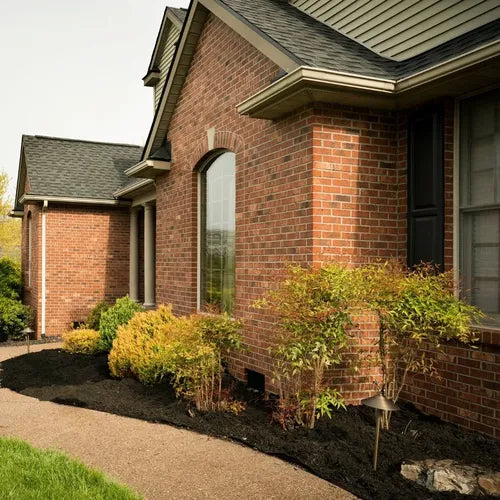
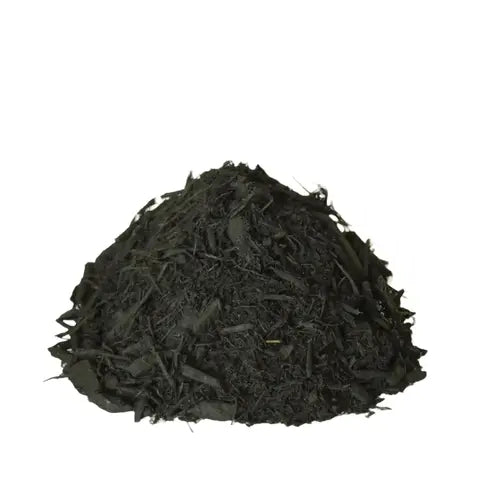
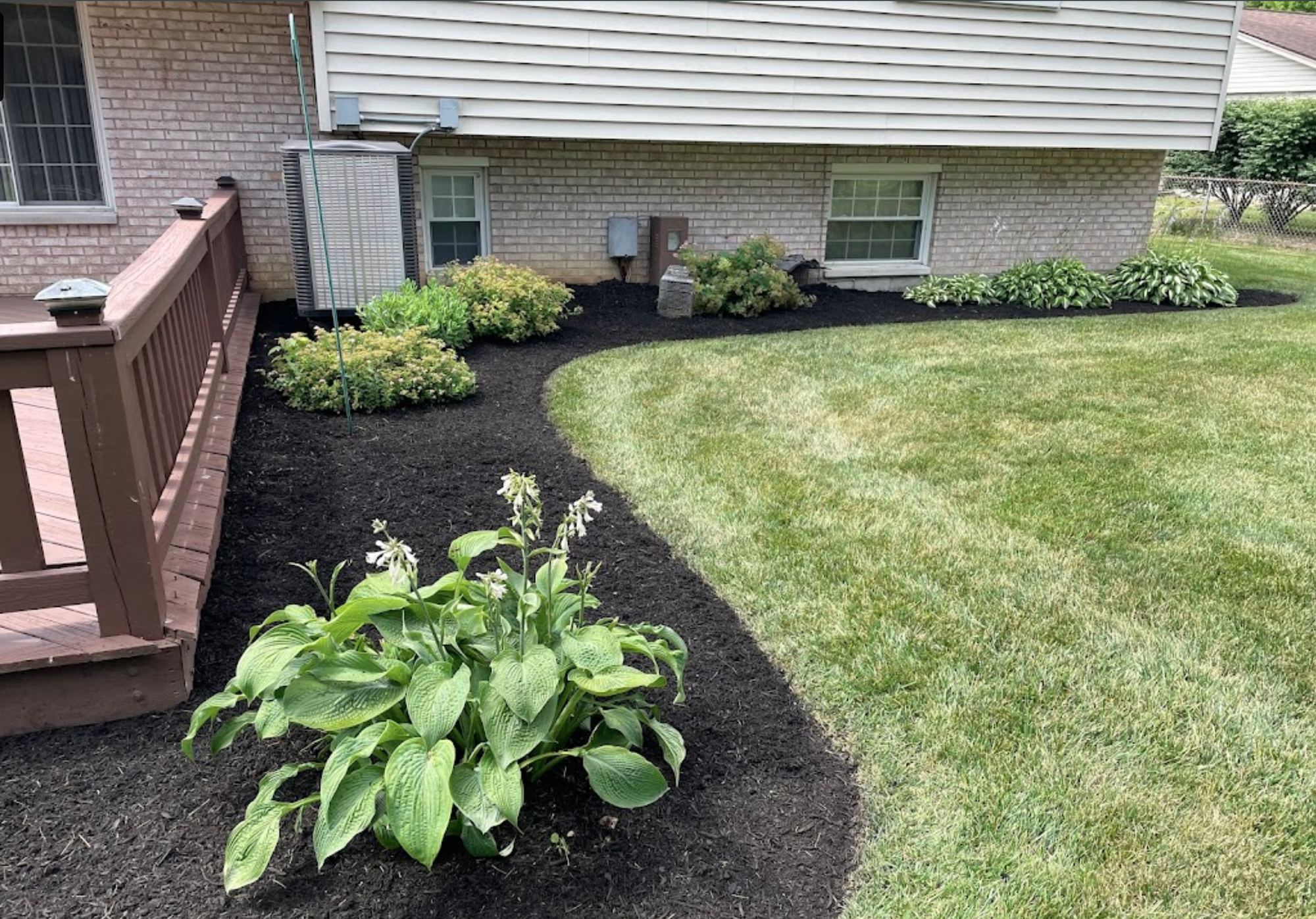
Bold and striking, dyed black double shredded mulch is a top pick for homeowners who want instant curb appeal. The rich color holds through Wisconsin's wet spring rains and warm summers, providing strong contrast against green foliage and giving beds a clean, finished look.
Dyed Brown Mulch
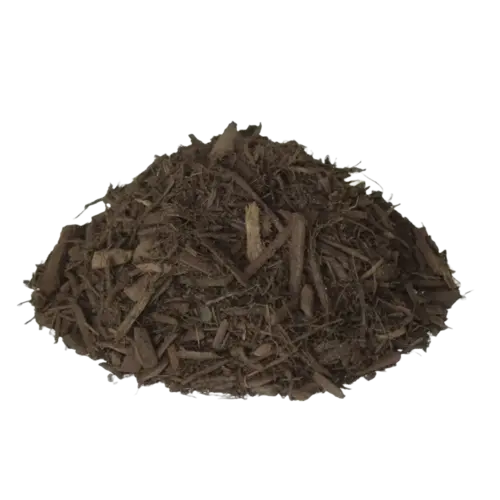
Warm and natural looking, dyed brown double shredded mulch blends beautifully with the clay-heavy soils common in this part of Wisconsin. It spreads smoothly around perennials and shrubs, holds its color through the season, and gives beds a polished, freshly landscaped appearance that complements both brick and wood home exteriors.
Natural Brown Mulch
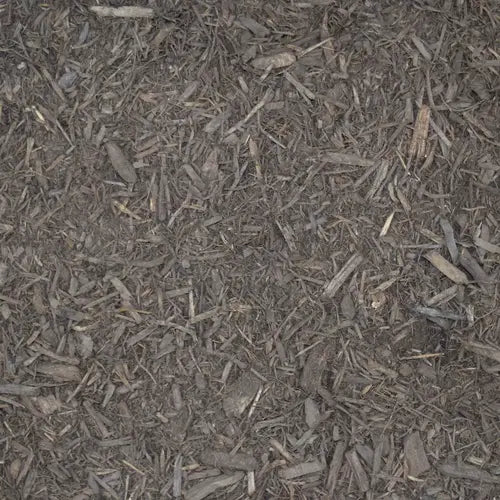
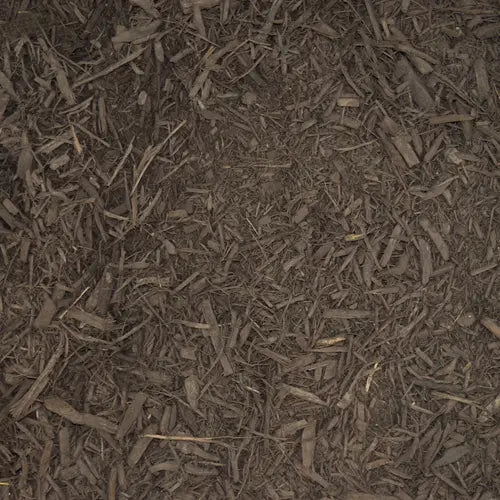
Undyed and naturally warm, natural brown double shredded mulch is a great fit for gardeners who prefer a clean, organic aesthetic. The earthy tone comes straight from the wood itself, without added colorants, and it breaks down over time to improve the sandy and clay soils found throughout this region of Wisconsin.
Cedar Mulch
Double shredded cedar mulch brings natural insect-repelling properties to your landscape, making it a smart choice for beds near the foundation and along borders. The light, warm color holds well through Wisconsin's freeze-thaw cycles, and the fine texture spreads easily across large areas or tight spaces.
Complete Your Outdoor Mulch Project
If your beds need more than a fresh top-dress — say, you're regrading or building new planting areas — pair your mulch order with a premium bulk topsoil to establish a quality planting layer before mulching, since New Berlin's silt loam naturally compacts over time and a good soil foundation sets the stage for deeper, healthier root systems. Decorative stone works beautifully as a clean border edging between mulched beds and lawn areas, giving New Berlin landscapes a polished, defined look that holds up through the full growing season without decomposing or shifting.
New Berlin's last frost date of April 30 means many homeowners are eager to get outside and mulch in early April — but resist the urge. Applying mulch before soil temperatures reach at least 50°F traps cold soil underneath and can delay perennial emergence by weeks in Zone 5b. Wait until early May, after a few consecutive warm days, to get the full moisture-retention and weed-suppression benefits without inadvertently slowing your plants down at the very start of the season.
Mulch Mound Pro Tip
When mulching around trees in New Berlin, the classic mulch volcano piled against the bark is one of the most common — and damaging — mistakes homeowners make. New Berlin's moderate annual rainfall keeps mulch moist for extended periods, and constant moisture against tree bark invites fungal disease and insect activity. Keep mulch pulled back 3 to 4 inches from the trunk and spread it wide, at least to the drip line, to protect the shallow feeder roots where the moisture and temperature benefits actually matter most.
Mulch Mound Pro Tip
With 35 inches of annual rainfall, New Berlin receives enough precipitation that weed seeds have near-constant moisture available to germinate in bare or thin-mulched soil. Keeping a consistent 3-inch mulch layer throughout the growing season is your most reliable defense — gaps as small as one inch will allow light and moisture to reach weed seeds lurking in the fertile silt loam below. Do a quick inspection of your beds in mid-July when early-season growth begins to thin coverage, and spot top-dress any areas that have settled below two inches before the second flush of summer weeds takes hold.
Frequently Asked Questions
Click a question to see the answer
Answer
When is the best time to put down mulch in New Berlin?
The ideal window for New Berlin is the first two weeks of May, just after the average last frost date of April 30. By then, soil temperatures at the 922-foot elevation have risen enough that mulching won't trap cold air against emerging perennial crowns. Applying too early can delay soil warm-up, which is already a concern in Zone 5b springs. A second light top-dress in mid-October, just before the October 11 first frost, helps insulate perennial root zones heading into winter.
Answer
How deep should I apply mulch given New Berlin's rainfall patterns?
With 35 inches of annual rainfall spread fairly evenly through the growing season, New Berlin beds benefit from a 3-inch mulch depth — enough to suppress weeds and retain moisture without creating the waterlogged conditions that silt loam's moderate drainage can struggle to handle if you go deeper. Keep mulch pulled back an inch or two from plant stems and tree trunks to prevent moisture-related crown rot, which is a real risk during wet New Berlin springs.
Answer
Will mulch actually help with the compaction problems I keep seeing in my planting beds?
Absolutely. New Berlin's silt loam is one of the soil types most vulnerable to compaction from rainfall impact — raindrops literally dislodge surface aggregates and seal the pores shut. A 3-inch mulch layer absorbs that raindrop energy before it ever reaches the soil, keeping the surface porous so oxygen and water can move freely to your plant roots. Over time, as natural hardwood mulch decomposes into the silt loam, it also adds organic matter that improves the soil's long-term structure and reduces future compaction.
Answer
Does colored mulch hold up as well as natural mulch through a New Berlin summer?
Dyed mulches typically hold their color for one full growing season in New Berlin's climate, with noticeable fading beginning by late summer after sustained UV exposure and the area's 35 inches of rain. Natural hardwood mulch breaks down faster in Zone 5b's warm, humid summers but contributes organic matter back to the silt loam — a genuine benefit for beds that need improved soil structure over time. If season-long color retention is your priority, dyed mulch wins; if soil improvement is the goal, natural hardwood is the better long-term investment.
Answer
How often do I actually need to replenish mulch in a New Berlin yard?
Plan on refreshing beds annually in New Berlin. The combination of warm summers, moderate rainfall, and freeze-thaw cycling through Zone 5b winters accelerates decomposition and causes settling, and by the following spring a fresh 3-inch application is typically down to an inch or less. Rather than stripping old mulch, rake it lightly to break up any matted layers and then top-dress with 1 to 2 inches of fresh material to restore your target depth.
Answer
My backyard has a slight slope — will mulch stay put or wash away during heavy rain?
On gentle slopes, a 3-inch layer of shredded hardwood mulch will interlock well enough to resist New Berlin's typical rainfall events. On steeper grades, choose a coarser shredded hardwood rather than fine-ground or nugget products, since the longer fibers mat together more effectively and resist displacement. For slopes steeper than roughly 15 degrees, pairing mulch with a biodegradable erosion mat or switching to a decorative stone ground cover gives you better long-term stability against New Berlin's heavier spring rain events.
Answer
Is there a specific mulch type that works best with New Berlin's silt loam?
Shredded hardwood bark is an excellent match for New Berlin's silt loam. As it decomposes, it gradually increases organic matter content, improving both drainage during wet spells and moisture retention during dry stretches — exactly the balance silt loam needs. It also contributes a mildly acidic pH as it breaks down, which suits the majority of ornamental shrubs and perennials common in Zone 5b landscapes. Avoid fine sawdust-type products, which can mat together on silt loam surfaces and actually repel water rather than absorbing it.
The Unique Landscape of New Berlin
New Berlin's silt loam soil is naturally prone to surface crusting and compaction, especially after the area's moderate 35 inches of annual rainfall hammers bare planting beds throughout the growing season. Without a protective mulch layer, that rainfall energy breaks apart soil aggregates and seals the surface pores, restricting the air and water movement that plant roots depend on. At 922 feet of elevation, New Berlin also experiences sharper temperature swings during the shoulder seasons than lower-lying communities nearby, making root-zone insulation critical around the April 30 last frost and October 11 first frost dates. A consistent 3-inch mulch blanket moderates those soil temperature extremes and reduces the freeze-thaw cycling that heaves shallow-rooted perennials out of the ground each spring. Mulch also dramatically cuts the weed pressure that is common in New Berlin's fertile silt loam, where weed seeds germinate readily in that nutrient-rich, moisture-retentive surface layer the moment it is left unprotected. Maintaining proper mulch depth year after year is one of the highest-return landscape practices a New Berlin homeowner can adopt.